2017
Taipei Film Festival
最佳紀錄片

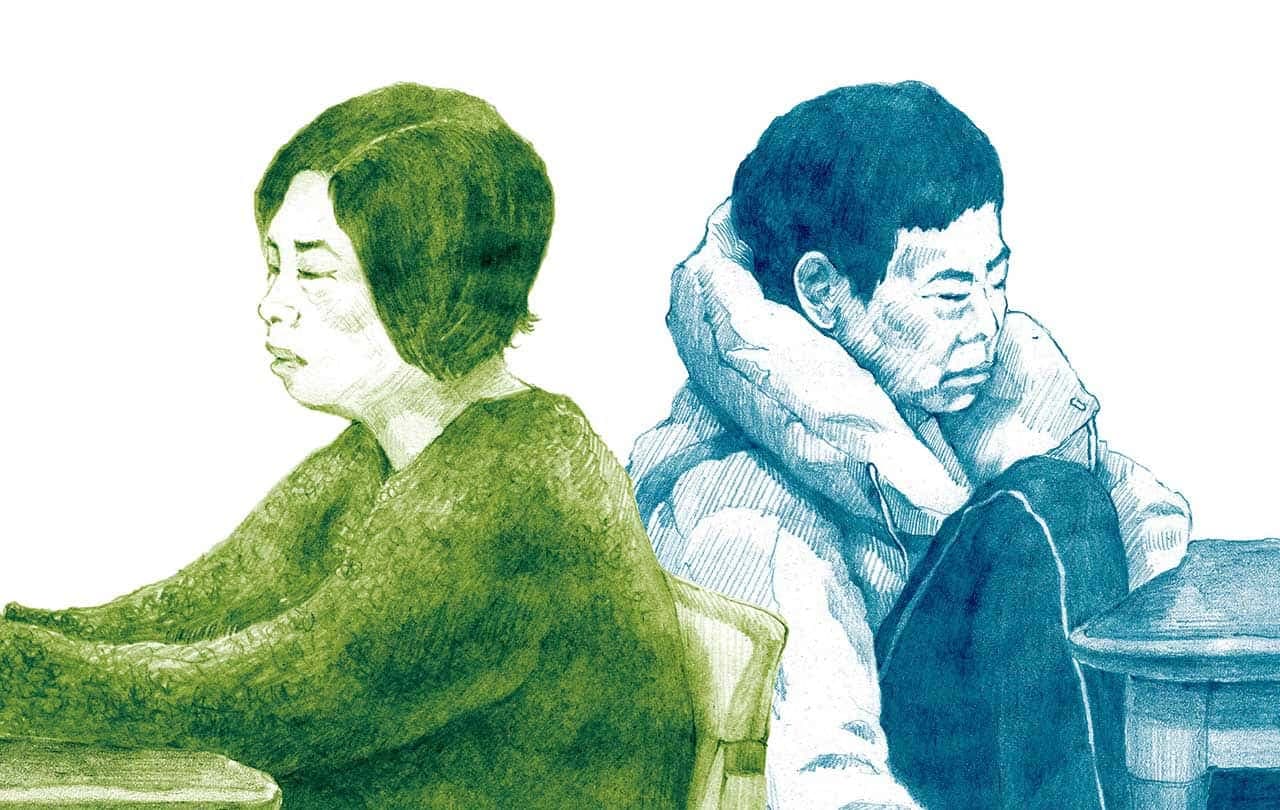
Directed by 黃惠偵
最佳紀錄片
最佳紀錄片|最佳剪輯提名
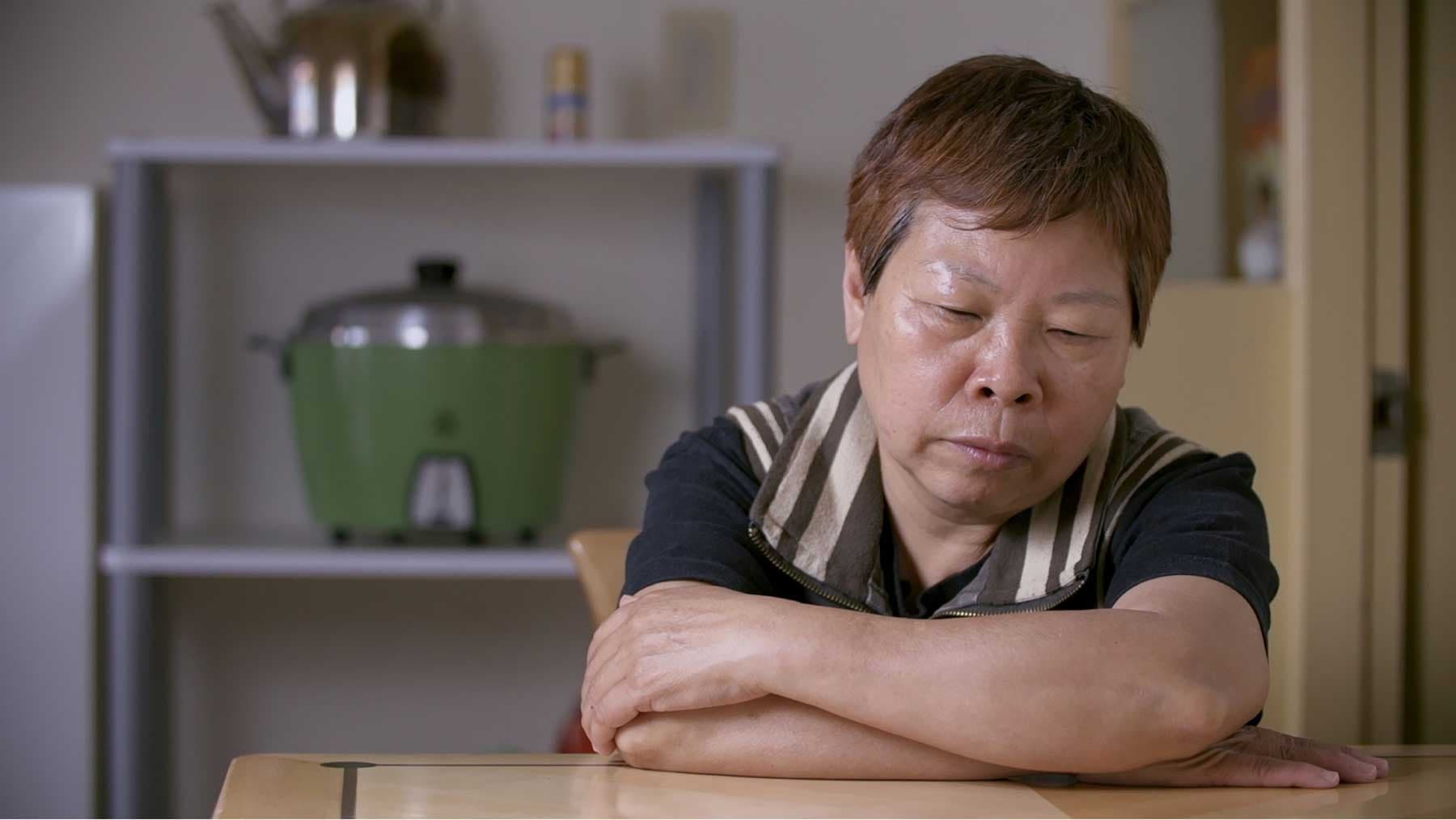
黃惠偵導演的首部紀錄長片《日常對話》以黑馬之姿,在本屆金馬影展曾打敗了經典國片《牯嶺街少年殺人世界》盤據觀眾票選獎榜首長達十日。今年初,《日常對話》的短版《我和我的T媽媽》在金穗獎影展首映,隨即造成轟動迴響,本片鏡頭對準導演的母親,她是一位來自中部⋯⋯
This year, Giloo teams up with TIDF to curate a special selection of past TIDF nominees and award-winning films. While you're enjoying the festival in person, don’t forget to sneak in a little break and relive (or... redeem?) some of the unforgettable works from previous editions—now available online.
“Unexpected Taiwanese Cinema” takes its title from a regular column by writer Zhang Yi-xuan, published in Fa: A Journal of Film Appreciation. Issue #190 of the magazine centers on films made with archival footage, opening a conversation on archival collage cinema. A special feature titled Private Films by Women explores how the idea that “the personal is political” is practiced through documentary. In her column of the same name, Zhang Yi-xuan also reflects on the film Looking for Chiang Ching-kuo, examining its unique place in the Taiwanese cinematic landscape—how it opens up the past instead of merely returning to it, and how such an approach keeps critical thinking through images alive. Both “archives” and “documentation” point us toward the past. But unless the past is re-examined and redefined, memory cannot truly exist. This collaborative program between Fa and Giloo invites viewers to engage with Taiwanese cinema that defies expectations—films that challenge, refract, and reimagine the nation's film history through both viewing and writing. Together, we hope to uncover new cinematic possibilities waiting within Taiwan’s ever-evolving image archive.
"What kind of dreams can we see in a woman?" — What if we remove "woman"? Does the answer change? I ask myself, then I wonder again — why should "woman" be removed? Are there differences or similarities between a "woman's" story and a "person's" story? If there are true distinctions, what would they be? And am I deeply drawn to it as a woman, or as a person? Perhaps the answer is irrelevant, but within irrelevant questions, the most unignorable answers often lie.
What joys, struggles, dreams, and doubts shape the everyday lives of queer individuals? As they strive toward self-realization, what vibrant colors do they bring to the world? To celebrate the spirit of Pride, Giloo presents a curated selection of films and documentaries centered on LGBTQIAPK experiences. While you take to the streets for the Pride Parade, we also invite you to step into the love, lives, and stories of queer communities—on screen.
Try entering the keyword "intellectuals" and shift the timeline to the period after the Cultural Revolution. What kind of landscape emerges from the intricate intertwining of history and individual lives? Is it the yearning for freedom, the pursuit of art, unrestrained sexuality, or perhaps the spoken and unspoken madness and rebellion between people? The 1980s can truly be called a magnificent cultural renaissance for China.
Dialogue takes practice—whether with others or with yourself. How do we find common ground when our values differ? And how do we learn to live with the parts of ourselves that feel unfamiliar? Through conversation, we not only get to know and draw closer to others, but also begin to see our own place in relationships—and in the world—with greater clarity. It is in these moments that we become more willing to walk alongside others, with openness and care.

Female power is finally on the rise! Nearly half of the world’s population is female, yet the attention and resources women receive remain disproportionately low. What are women thinking? Are they truly happy living in today’s society? Do they have access to the resources they need to fulfill their potential? Are women born gentle and obedient—or are they shaped that way? What does it take for a woman to become a woman? What kind of “femininity” has been predefined by families and social norms? These documentary films explore the many facets of womanhood—the struggles, the expectations, and the remarkable stories of women who defy conventions and fight to become their truest selves. Is female empowerment truly here? We’ve come a long way, but there’s still much more to do.
How does legendary actress Jane Birkin reveal her many faces under the lens of French New Wave icon Agnès Varda? Filmmaker Singing Chen holds intimate conversations with 30 women, listening as they share stories about their bodies—stories that are often unspeakable, unheard, or never before told. Director Huang Hui-chen turns the camera on her mother, capturing what seems to be an ordinary “conversation” between them. Another filmmaker begins with the passing of her aunt, and through interviews with her mother and grandmother, uncovers untold narratives of the women in her family. These films trace the hidden textures of female experience—tender, raw, and deeply human.
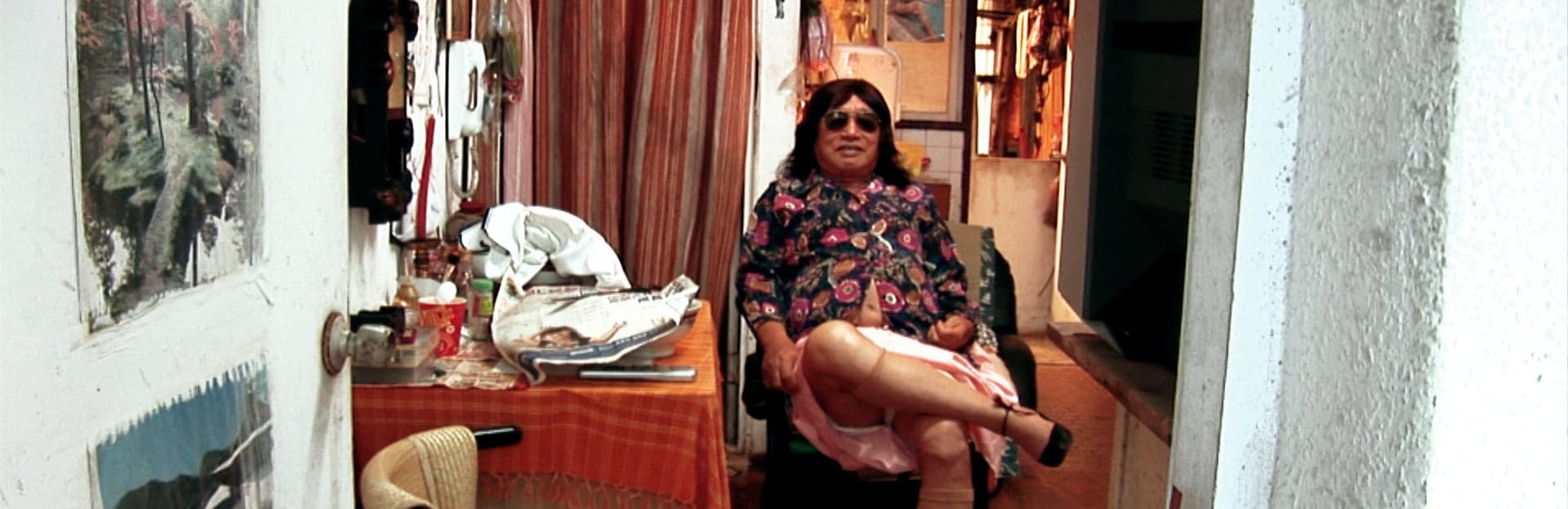
As a kid growing up glued to the TV, I used to dream of flying to Japan just to cheer for Vivian Hsu’s group “Black Biscuits.” Japanese entertainment had an indescribable magic for me—everything on screen felt so beautiful, so funny, so captivating. Not like Taipei, which always seemed kind of gray. In my early twenties, I decided to leave Taipei and chase my dreams in Japan. In the blink of an eye, 14 years passed in Tokyo—and I grew up. I finally realized that what I once saw on television perhaps only ever existed on television. Living in Japan is a whole other story—more often than not, it’s been about gritting my teeth and “eating bitterness” until I was full. Just last week, I happened to hear Ambassador Frank Hsieh on the radio here. He chose to introduce Taiwan with two songs: You Must Fight to Win and Twilight Hometown. Hearing those songs on Japanese radio, I felt unexpectedly emotional. “The hometown of twilight keeps calling me, calling me...” People say that traveling is a way to find the road home— I think now, I finally understand what that means.