2018
Taiwan International Documentary Festival
台灣競賽單元入選

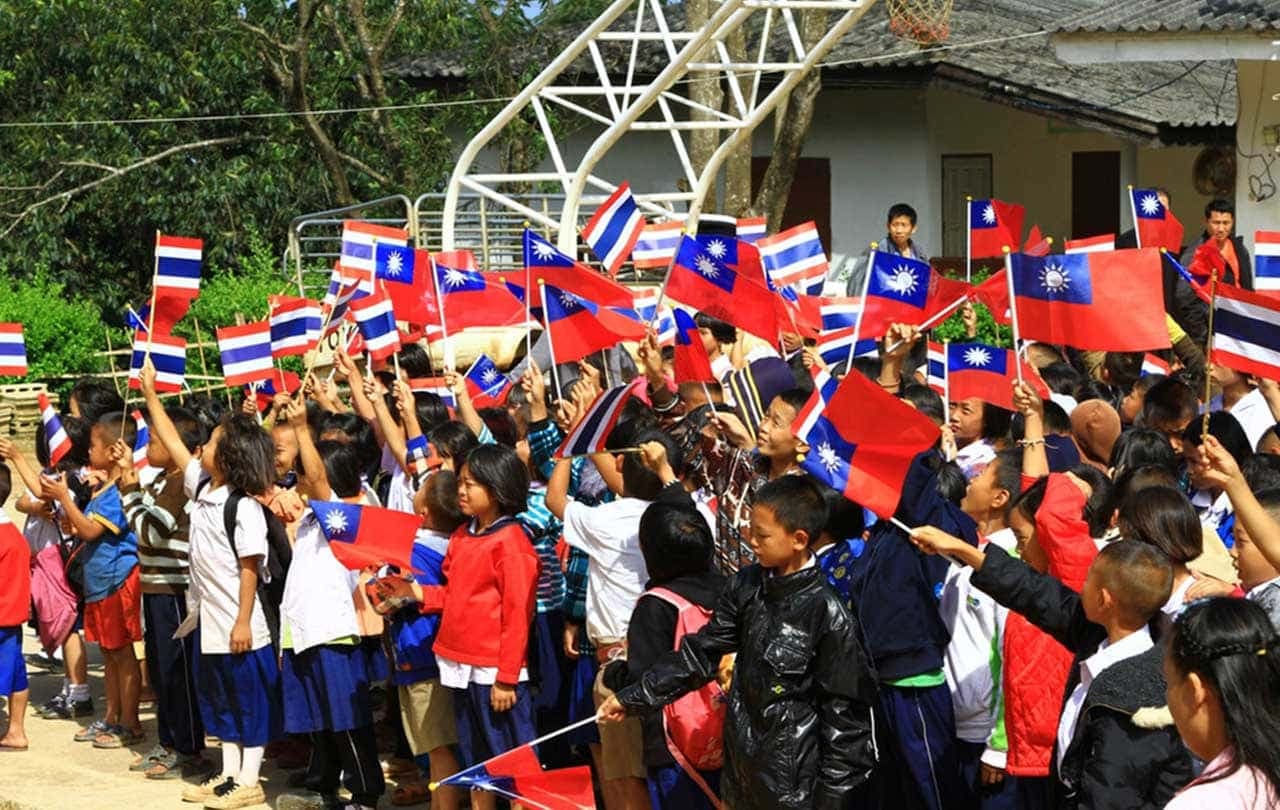
Directed by 李立劭
台灣競賽單元入選
優等獎
特別典藏

1:33:06 另一支歸化成泰國人了,但畢竟是一段尾巴,在政權逃竄中途斷裂的遺留物。甚至,是一截幻肢,一度以為還有、還能揮舞。民國政權流亡到台灣,也是和整個亞洲大陸的斷裂。像兩支方向不同的水流流往不屬於它的地域,共通的宿命只能是乾涸吧?我們這一代人將目睹民國的日落、「台灣」的成立,代價以想像版圖的縮編(「這個不是台灣、那個也不是。」);在亞洲大陸那一側,老去的白骨被山巒和森林淹沒。
1:01:51 陳芳明的說法是「雙元史觀」,成為我論文的基礎。雖然在口考時,被老師們你一言我一語,修正成「多元/多源史觀」。但大致而言,台灣漢人的兩股史觀與意識形態還是這半世紀台灣內部衝突、拮抗的基礎。在討論片單的筆記上,台灣本土側被我畫成台字紋,民國側畫成梅花。這是遊戲《逆統戰》的美術設計,我也是淚光閃閃,對抗紅軍霸權的新興台灣象徵圖形裡,既有民國梅花、也有本土台字。
48:41 回來講朱宥勳。我認為在寫台灣戰爭的小說裡,留篇幅給「異域」是非常溫柔的安排,雖然朱身為外省後裔對外省人常抨擊得不留情面,但到這種用小說「寫(未來)歷史」的關鍵時刻,仍留了專章向過去國共內戰的歷史孑遺致意,也有「戰後」族群共榮的祝福。之所以選擇這部,也是我堅持要在談「台灣,與太過台灣」時,必須有「民國」那一側的元素。這一票最後撤退來台灣的,同生一口灶、同吃一鍋飯,不也變成廣義的「台灣人」了。
16:14 這截被斷在泰北森林裡的孤軍,變成泰國的國共戰爭的槍管。日軍敗戰後被遺留在山西的部隊,也曾遭捲入國共內戰,多年後才得以返鄉。黃錦樹也說過,失敗的(馬來亞)共產革命是文學的沃土,左派那泛著晶光的理想卻在現實裡被迫躲入深深的雨林。他有一篇迷人的小說,就是虛構馬共真的在雨林裡建設了一個黃髮垂髫、男耕女織的理想國。
4:17 比如馬來西亞華人負笈來到台灣讀書,如我很愛引用的黃錦樹,就是乘著「僑教政策」,來到「中華民國在台灣」(作為中國的替代品),成為講著「怪腔怪調國語」的留學生。2022年夏天朱宥勳《以下證言將被全面否認》就留了一篇給泰北國軍後裔。
3:57 東南亞常常在台灣視域之外。以當代台灣的生活來說,從新南向政策上溯,近30年來的開放外勞/移工、跨國婚姻,帶來台灣在地景上的具體轉變。不過其實在冷戰時代,東南亞就是「兩個中國」的境外延伸戰線。節目裡我有說過嘛,有一個論文版本想寫「雙馬」,就是並置馬祖(兩個中國的冷戰前線)和馬來西亞(兩個中國的意識形態戰線)。
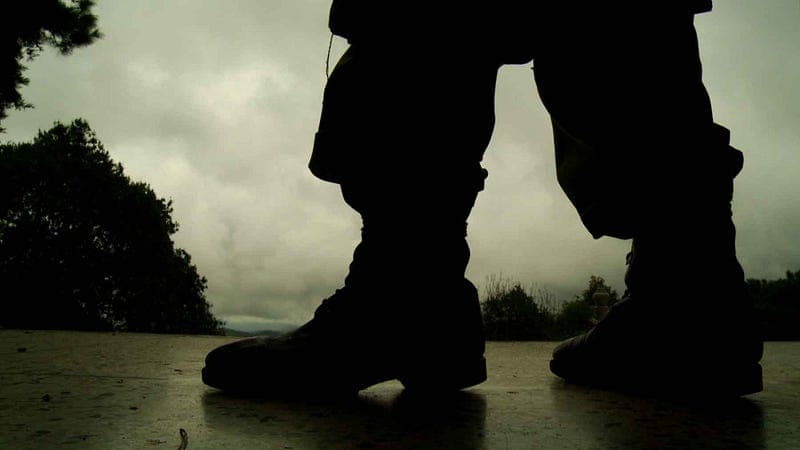
自從 2012 年「滇緬游擊隊三部曲」第一部《邊城啟示錄》問世以來,在得知導演李立劭是土生土長的台灣囝仔之後,所有人都不免要問這兩個問題:第一,你為什麼要跋山涉水花這麼大力氣這麼長時間拍這題目?第二,這部⋯⋯
No matter where you are, not just in Taiwan, international movie fans can easily watch too! The first wave of films from emerging creators are now live in our international section. Featuring top selections from prestigious film festivals like Golden Horse Awards and Golden Harvest Awards, as well as many highly anticipated emerging works for you to explore anytime, anywhere!
This year, Giloo teams up with TIDF to curate a special selection of past TIDF nominees and award-winning films. While you're enjoying the festival in person, don’t forget to sneak in a little break and relive (or... redeem?) some of the unforgettable works from previous editions—now available online.

Southeast Asia is rich in culture, rooted in the mainland’s embrace along the Indochinese Peninsula. Emerging from the shadows of colonial rule, many of its nations have blossomed—independent, yet bearing the deep scars of history. Amid the lingering wounds of empire and the continued suppression of free expression, creators transform discontent into poetic language—subtle yet sharp—delivering reality through the lens of documentary. Why not join us on this elusive journey—to experience the magic realism of Southeast Asia, where beauty and resistance intertwine?

For most people, “home” naturally refers to the place one returns to each day—a space of comfort and rest for both body and soul. Yet for many around the world, the feeling of having a home is unimaginable. At some point in their lives, they were forced to leave—because of war, politics, or simply in pursuit of a better life—and began a journey of drifting, searching for a new sense of home. While trying to settle and take root, they continue to yearn for the ghost of a homeland left behind. Can this new home ever replace what was lost? Faced with new identities and unfamiliar neighbors, how do they perceive themselves? Have they become someone new, or are they destined to remain like rootless water plants, adrift?
Let us look through cinema at a group of people marginalized by their times, such as the stranded Kuomintang soldiers in Northern Thailand, and the Roma people who lack national protection. While some works focus on individuals, they can represent a collective destiny, including political victim Ko Chi-hwa, Kim Ryon-hui, the woman who vowed to return to her homeland North Korea, and Björn Andrésen, the beautiful boy deprived of his childhood. The unique charm of film lies in its ability to lead us to see sights and human figures we might never encounter in our lifetime.
Giloo presents a curated selection of finalists and award-winning works from the Taiwan International Documentary Festival (TIDF), capturing the trajectories of individual lives shaped by era shifts, social structures, and cultural traditions. The narrative scope expands from the frontlines of war and resistance to everyday anxieties, the complexities of tradition, and philosophical reflections on the soul. The lens shifts from macro-level upheavals to an intimate gaze. We witness individuals seeking exits from systemic oppression, debating existence through traditional rituals, and attempting to summon lost souls through song and imagination amidst the embers of trauma. This is a profound dialogue that delves into the subtle nuances of life, inviting you to experience the true weight of memory and action.
Some sacrifice countless lives for personal gain. Others, in the darkest and most fragile moments, reveal the noblest of virtues. From the abandoned remains of concentration camps, to journalists risking everything on the frontlines of the Middle East, to fractured peoples grappling with identity— these stories are haunting testimonies against the atrocities of humankind. Giloo presents five powerful documentaries that confront unhealed traumas. As long as pain persists, war cannot truly be over.

As time passes, generations of military dependents’ village residents have gradually moved away from the homes they once knew. Yet even after leaving, many have found personal ways to preserve and document the memories of the juàncūn—Taiwan’s unique military dependents’ villages. Among these methods, filmmaking stands out as a powerful act of memory—freezing time, bringing vanished buildings, objects, and moments vividly back to life. This year’s Taipei Military Dependents’ Village Cultural Festival: Online Film Showcase invites you to travel through time via the small screen, exploring the evolving faces and unseen stories of the juàncūn through film and documentary.
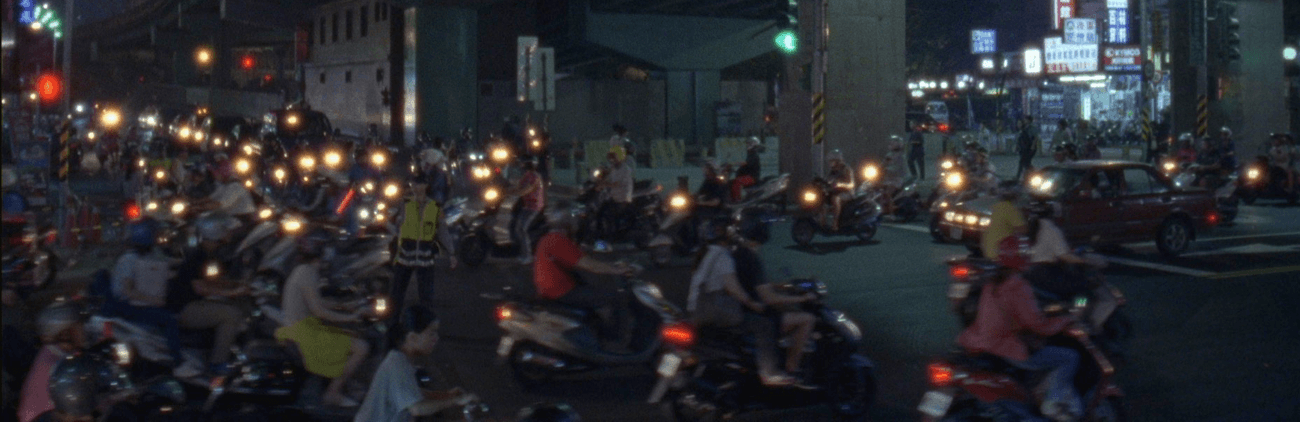
What is Taiwan? What does Taiwan have? Our imagination of Taiwan’s future depends on how we choose to read Taiwan. The Taiwanese documentaries selected by Giloo aim to offer a multifaceted and in-depth perspective—allowing us to empathize with the struggles and efforts of the Taiwanese people, uncover the richness of this land, confront its challenges, and analyze the issues that shape life on this island.