2019
Copenhagen International Documentary Film Fes
新視野獎提名

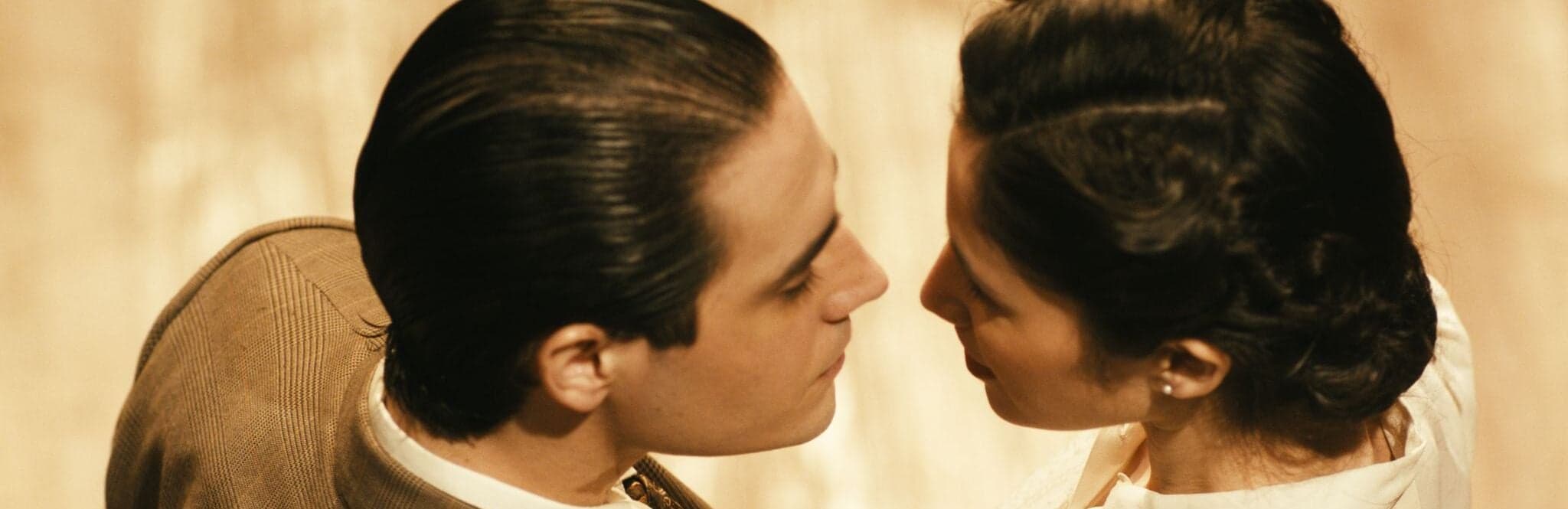
Directed by 辛蒂・庫特

A sharp, compact poem often speaks louder than a lengthy speech! Giloo presents a curated collection of small but powerful documentaries—short films that, within a limited runtime, deliver layered, resonant stories. Experience the elegance of cinematic brevity, and see how precision in visual storytelling can leave a lasting impression.

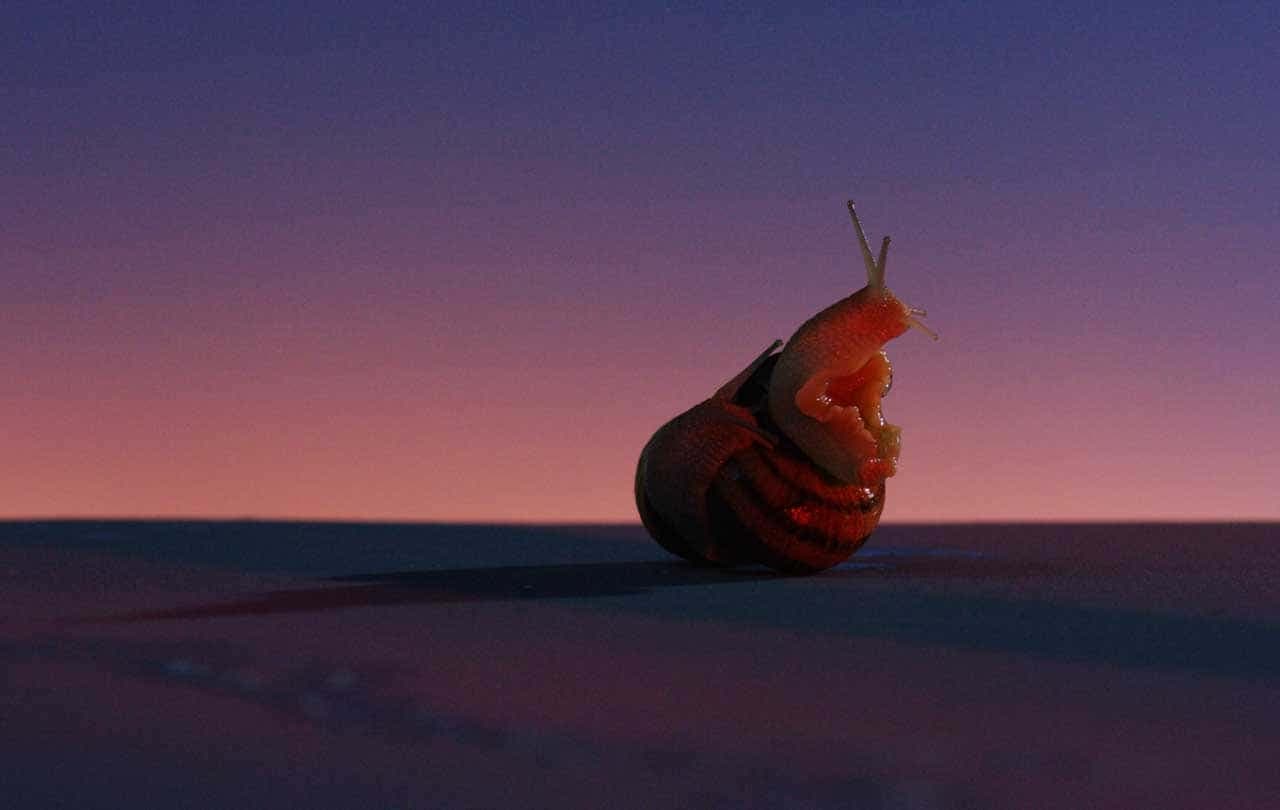
Finding Stillness in Uncertain Times: 10 Curated Films from Our Resident Artists During the pandemic, we’ve found more quiet moments to truly appreciate the beauty of everyday life. Resident artists from the National Theater & Concert Hall have each handpicked a film that resonates deeply with them—inviting you to slow down and reflect during this period of working from home. ▍Huang Yu-Ching: “With limited movement, we are asked to listen more closely to the inner voice of our bodies. Want to watch two snails slowly form a connection? There’s no better time for something this soothing.” ▍Wang Chao-Chien: “The pandemic has made us all more aware of distance—the distance of time, the distance between becoming and performing a role, and the strange moments that define legendary bands. These films help us sit with those feelings and reflect.” ▍Chien Chieh: “They are storytellers, writers, dancers, filmmakers. Documentaries capture an era or linger on a single figure, guiding us closer to ourselves.”
Have you ever had this experience—when you stare at something for too long, it turns into something else? Wait—before you pull back in a hurry, trying to “reset” your perspective, ask yourself: is that really such a bad thing? These five uncanny short films try to reinstall your eyes, leading you to gaze again at renminbi, snails, robots, dreams, and strangers. Look long enough, and maybe you’ll realize: it’s not them that are changing.
Because we have bodies—we dance. For all the fleeting emotions that language cannot carry, for the sighs that slip between chest and lips, for the searing songs that burn holes in our tongues, when words and sound fall short, the human body rises—our hands begin to speak, our feet begin to move. In the early 20th century, the phonograph arrived in Taiwan from Japan. Records traveled by train to Yilan. In Shanghai, Tokyo, and Taipei, stylish men and women danced the foxtrot. Desires became modern, love became free—by the riverside, in spring dreams, we declared: We are civilized women. Taiwan had entered the age of dance. But dancing isn’t always freedom. Japanese dancer Genjyu Hanayagi woke a sleeping dog with her body. She hadn’t yet shed the kimono—the garment shaped by a feudal system that once bound women. But the kimono would never devour her. As long as she danced, she could swallow discrimination whole. Argentinian tango queen María Nieves put on her flowing dress and danced her way out of poverty, out of the milonga halls, onto Broadway. It took her half a century to reclaim her steps—through deadly embraces and long gazes, through love and hate, intimacy and estrangement. Only when the music stopped did she find her freedom. When women aren’t dancing, is the body a work of art? A doll? The women photographed by the bad boy Helmut Newton dance even in stillness. He stares through the viewfinder—at them, at himself. Their gazes meet, a tango of vision. To gaze is to reclaim space for the body. Snails need no eyes to stake their claim in the world. They dance a love never known before—pure, entangled, silent. They lick the edges of dusk and morning, drawing desire in trails of slime. I love watching dance—sometimes I dance wildly myself. In these five documentaries, in their movements, I feel it again: the body being born. And with it, connection.