1986
Berlin International Film Festival
費比西影評人獎

Directed by 侯孝賢
費比西影評人獎

46:15 阿婆帶著侯孝賢出發去回中國的路程,本該是遲遲無法反攻回去的哀愁,這裡卻是搭配著輕盈的旋律,一方免凸顯出小孩不懂事只把這當作一場刺激的冒險又有東西吃又能去摘芭樂,卻也側寫出從中國大陸撤退來台老一倍的人們想回國卻回不去的心情。
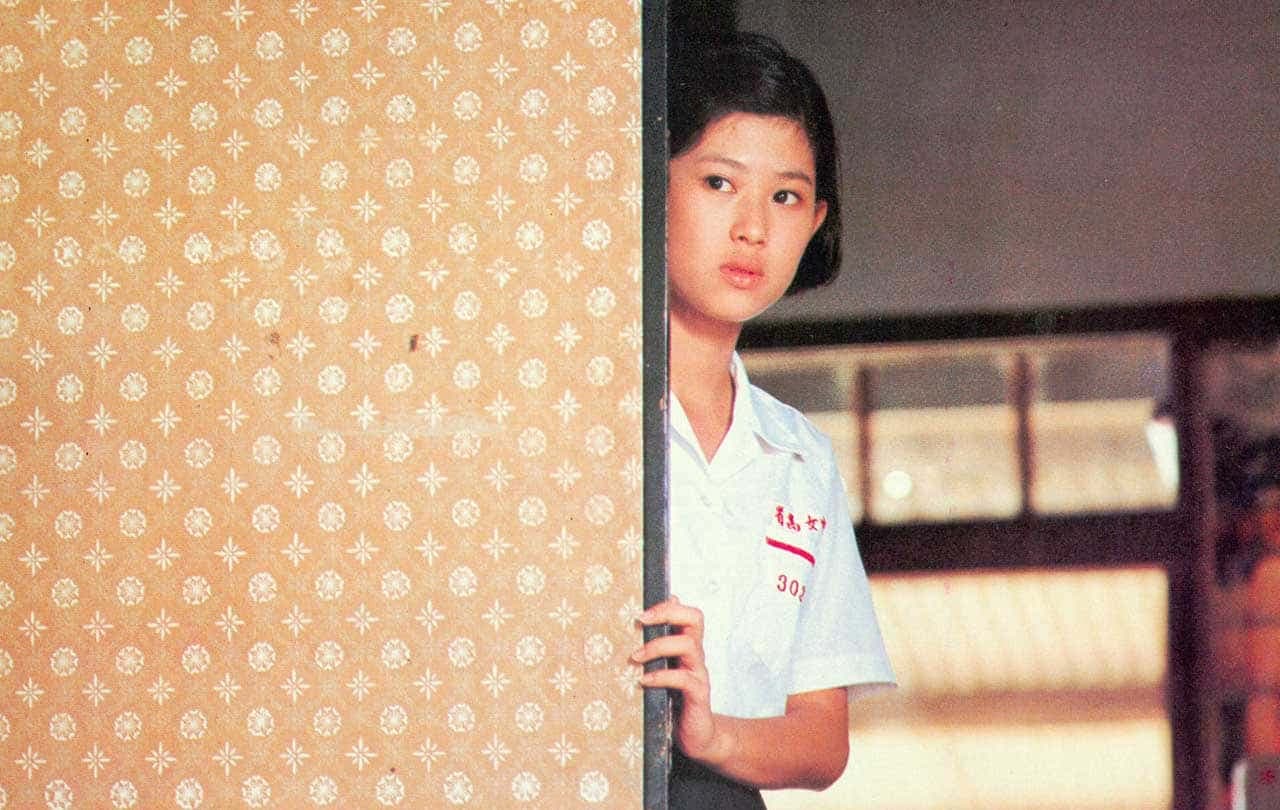
1:19 或許是場景放在日式房舍,片中的固定景框有時會讓人聯想到小津安二郎的電影,比如透過門窗的框線形成構圖和觀看視角,或是鏡頭中以物思人地承載角色的情感。 然而拍攝本片時,侯孝賢其實還沒看過小津的作品,甚至從創作方式來看,兩位導演其實是截然不同的創作者,但從這些印像上的連結稍可感受日本觀眾對侯孝賢作品的情感從何而來 。
拍攝自我家族與成長記憶,是侯孝賢探索電影風格下合理的創作轉變。或許是放入了深刻的私人情感,電影前段的童年段落可說是侯孝賢自然寫實風格的極致,透過鉅細靡遺的生活場景重建,以及遠觀卻也私密的鏡頭視角,一幕一景幾乎將觀眾帶回過去的時空。情節看似散漫,卻不斷以失根離散、疾病衰老的情境來描述家族長輩的悲劇命運,尤其後段讓角色的成長與家族的淍零疊合一起,成為一則哀傷疏離的生命紀事,感人至深,也可一窺侯孝賢的生命態度。 相較於前段的充滿生命力,我個人比較不那麼喜愛後段,就在於其中死亡命運急切的封閉感,一些角色較長的台詞也流於不自然的抒情陳述(這大概是許多台片的通病)。在配樂和錄音上的技術瑕疵不少,足見當時台灣電影的工業技術還未成熟,在侯導後續的作品中可以感受到明顯的進化。 另外總覺得數位修復的畫質雖有一定水準,但似乎還有改善的空間,期待未來4K修復的可能。
2:12:29 片尾祖母死去,爬在手上的螞蟻,滲入榻榻米的屍水,僵硬的屍體—鏡頭下靜觀的死亡,真實如攤在陽光下的動物屍骸。 死亡的母題,一直旋繞於整部片中。從祖母剪銀元的身影開展,至父親談及伯父和堂哥之死,再到停電時父親驟逝,宣告阿孝的童年一夜結束;並延伸至母親因喉癌離世,最後孫子們目睹收屍人處理祖母的屍體。侯導的旁白淡淡地說:「不孝的子孫。」 上一代逝去了,屋外樹猶如此,下一代從此落地生根,呼應著英文片名the time to live and the time to die。
21:52 深夜,軍隊移防的坦克聲轟隆壓境,整間屋子搖晃,震醒了蚊帳中熟睡的人。畫面未見坦克,透過巨響傳遞了軍事行動的恐懼氛圍,在安靜的日常中蔓延開來,是台灣當時的普遍共感。隔早平靜無事,唯路上留下兩行坦克輪轍。 坦克聲,學校的廣播聲,家中和村里的收音機電台聲,以及廣場上匆匆一瞥的騎兵馬蹄聲等,形成一條「政治聲音敘事」,將那戒嚴時期似遠而近的高壓統治籠罩在平民百姓的生活瑣事當中。
44:01 祖母帶阿孝走著那條「回大陸」的路。鐵軌旁的冰店,語言溝通難,後方的火車汽笛聲遠去,如遠去的家鄉呼喚。路牌上寫著往鳥松,當然不是梅縣。找不到梅江橋,到不了祖母念茲在茲的家。 午後陽光亮晃,阿孝摘了芭樂,祖母神奇地表演起丟芭樂的特技。蒼老的生命返璞歸真,煥發重生般的活力。這個下午是阿孝一生難忘的祖孫記憶,同時也代表祖母一輩人的家國集體回憶。
33:39 一封信,岔出了兩個情境:一邊是等郵票的孩子,一邊是看家書的父親。 孩子只懂得集郵的快樂,將剪下的郵票泡水,靜靜等待。父親則讀著遠方養子的命運,正經歷對岸三面紅旗和全民大煉鋼時期,沈重且無奈。 「信」作為情感物件,在此成為一重一輕,不著痕跡的戲劇性壓縮:上一代的殘酷歷史,以及下一代的天真童趣。而貼在玻璃窗上的郵票特寫,緩緩流下的水滴,竟像淚。
3:57 寫實不只做真,關鍵在於看事物的觀點。侯導的寫實美學拙樸平實,靜觀萬物,於自然中流露出對生命的關懷與尊重。 大榕樹下的村人們,或坐或站,乘涼聊天。祖母喊著阿孝,穿過其中。攝影機離得遠,人與環境有了最適切的位置;攝影機拍得長,每個生命猶如同時存在於當下的時間。精心的深焦和長拍,看似閒散自然,卻是極精彩的場面調度。
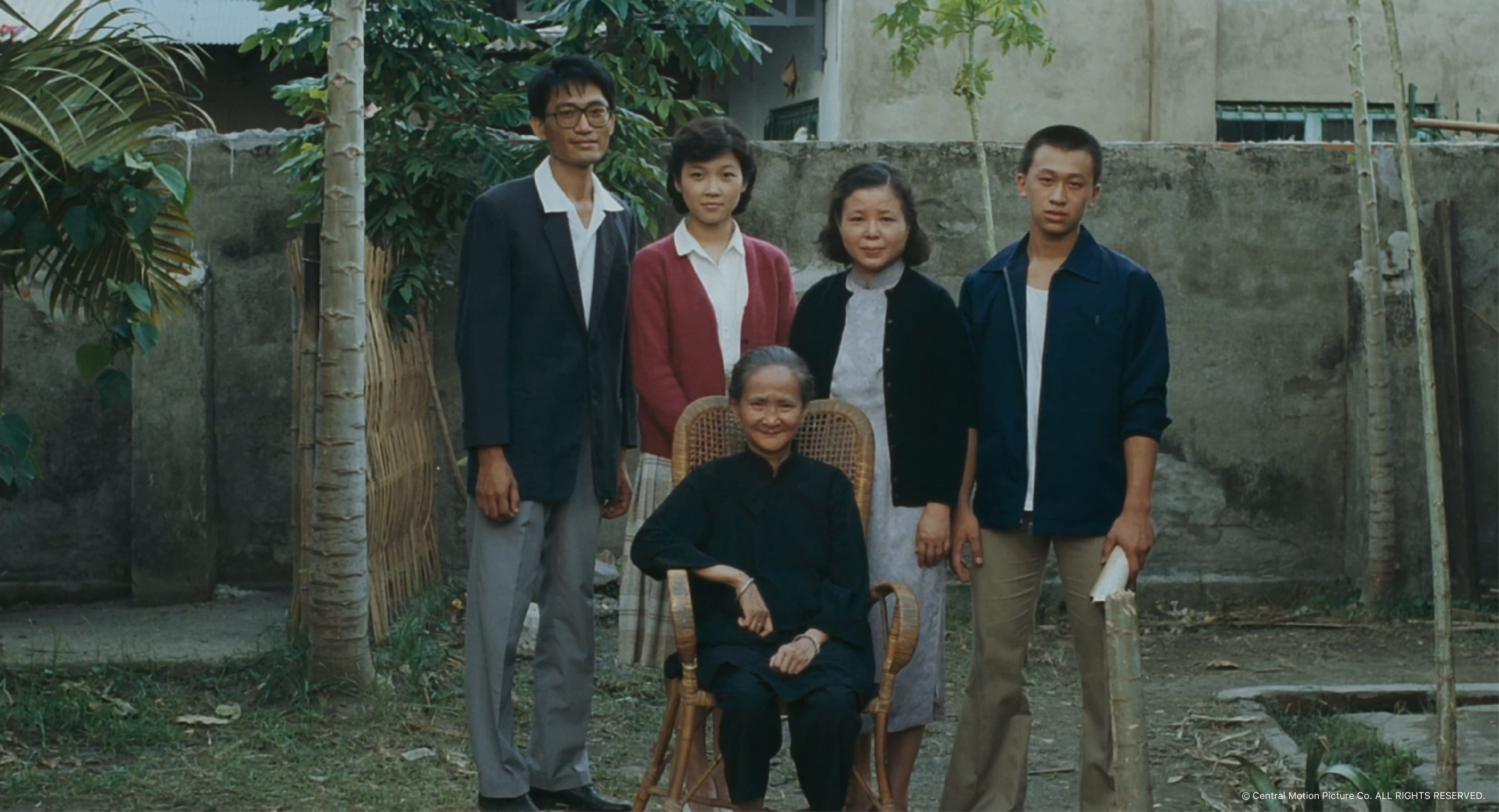
《童年往事》刻畫了阿孝一家三代的輾轉流離與興衰起落,點出同一塊土地由不同的世代與族群所銘刻的不同意涵,除了反映台灣特殊的歷史文化經驗,更以普世性的角度,呈現每個人必然經歷生老病死與成住壞空的命運。
Hou Hsiao-hsien, the visionary director who brought Taiwan New Cinema to the global stage, is known for his contemplative long takes and a visual language uniquely his own. “Darkness,” he once said, “comes from reality and absurdity.” Rejecting artifice, Hou captures the everyday with piercing honesty, rendering moments we all can relate to—whether it’s childhood sweethearts struggling in the city, disillusioned gangsters drifting through life, or a lone assassin bound by fate. Join Giloo in refocusing on the present, and see the island through Hou Hsiao-hsien’s lens: a poetic realism shaped by his profound love for this land.
Tien-Wen Chu, the eldest of the Chu sisters, is not only one of Taiwan’s most important contemporary novelists, but also the longtime screenwriter for acclaimed director Hsiao-hsien Hou. She has penned scripts for 15 of Hou’s films, and has won the Golden Horse Award for Best Adapted Screenplay and Best Original Screenplay three times. Giloo Documentary presents five Hou Hsiao-hsien films written by Chu T’ien-wen, inviting you to step into the cinematic worlds they’ve so delicately crafted—their very best of times.
On August 28, 1982, Time Story premiered, marking the beginning of the Taiwan New Cinema Movement. In the summer of 2022, HIDE & SEEK AUDIOVISUAL ART released The Time Ahead: A Memo to 40 Years of Taiwan New Cinema, revisiting this pivotal era through 20 key concepts. In the fall, the Taiwan Film and Audiovisual Institute will present a special retrospective titled When New Cinema Begins Again: 40 Years of Taiwan New Cinema, uncovering many long-overlooked gems hidden in the corners of film history. Between summer and fall, TFAI and HIDE & SEEK AUDIOVISUAL ART join forces to present 16 titles—films both representative of Taiwan New Cinema and those reflecting on the movement itself—inviting audiences to engage with its legacy and imagine the decades of cinema still to come.
.jpg&w=3840&q=75)
The masters of cinema have walked through the river of light and shadow, leaving behind traces that time cannot erase. Their reflections on film are already sealed within every frame they captured. Giloo presents a selection of restored classics from Taiwan—films that carry not only cinematic legacy, but also fragments of memory, identity, and land. Whether these works are part of your earliest film awakenings or a first encounter, they invite you to rediscover your connection to both self and home. Step aboard the reel, and journey back to the golden years—belonging to both Taiwan, and to cinema itself.
.jpg&w=3840&q=75)
In pursuit of happiness, we sometimes end up unhappy. Youth is always dazzling—and cruel. Family ties are always volatile—and tender. Yet it’s often only in the aftermath of youth that we begin to understand: happiness cannot be frozen in time. This sticky, sun-drenched summer, Giloo presents 11 masterworks on family and fleeting joy—beginning with Shunji Iwai’s All About Lily Chou-Chou and closing with Edward Yang’s Yi Yi. From Ang Lee’s Father Knows Best trilogy to Tsai Ming-liang’s Water Trilogy, with appearances by Hou Hsiao-hsien and Hirokazu Kore-eda along the way, each film explores the paradox of happiness, or perhaps the quiet truth that happiness—like memory—can never be held still.
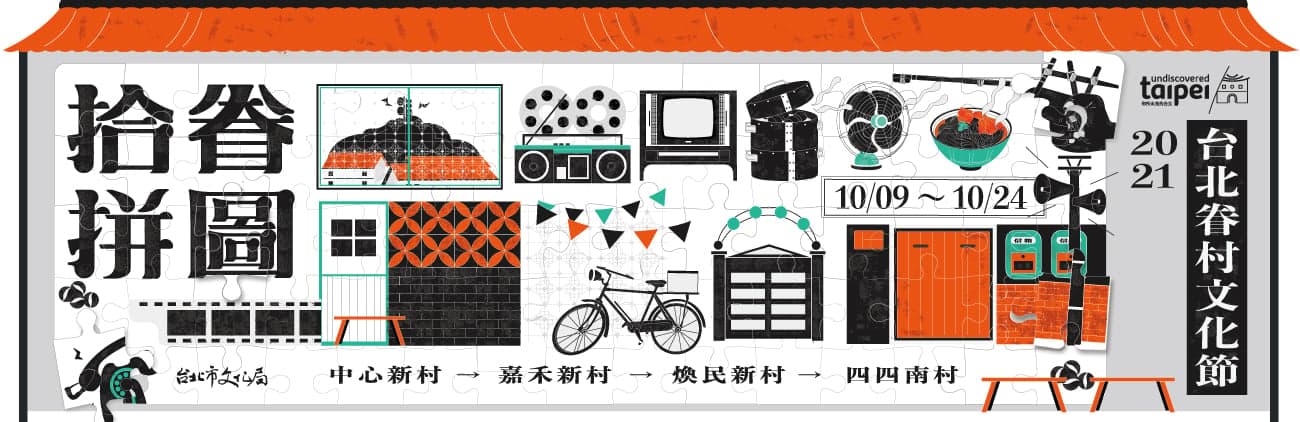
As time passes, generations of military dependents’ village residents have gradually moved away from the homes they once knew. Yet even after leaving, many have found personal ways to preserve and document the memories of the juàncūn—Taiwan’s unique military dependents’ villages. Among these methods, filmmaking stands out as a powerful act of memory—freezing time, bringing vanished buildings, objects, and moments vividly back to life. This year’s Taipei Military Dependents’ Village Cultural Festival: Online Film Showcase invites you to travel through time via the small screen, exploring the evolving faces and unseen stories of the juàncūn through film and documentary.
Since its founding in 1998, the Taipei Film Festival has become one of Taiwan’s most prominent film events. In addition to the Taipei Film Awards, which honor outstanding local filmmakers, the festival also features spotlight programs, curated showcases, and an international competition for emerging directors—inviting audiences to discover new voices and revisit cinematic classics from around the world. Giloo presents a special selection of award-winning and officially screened titles from past editions of the Taipei Film Festival. Whether you’re revisiting a favorite or discovering something new, we invite you to enjoy the cinematic surprises this collection has to offer.