2000
Chicago International Film Festival
最佳紀錄片金雨果獎

Directed by 安妮・華達
最佳紀錄片金雨果獎

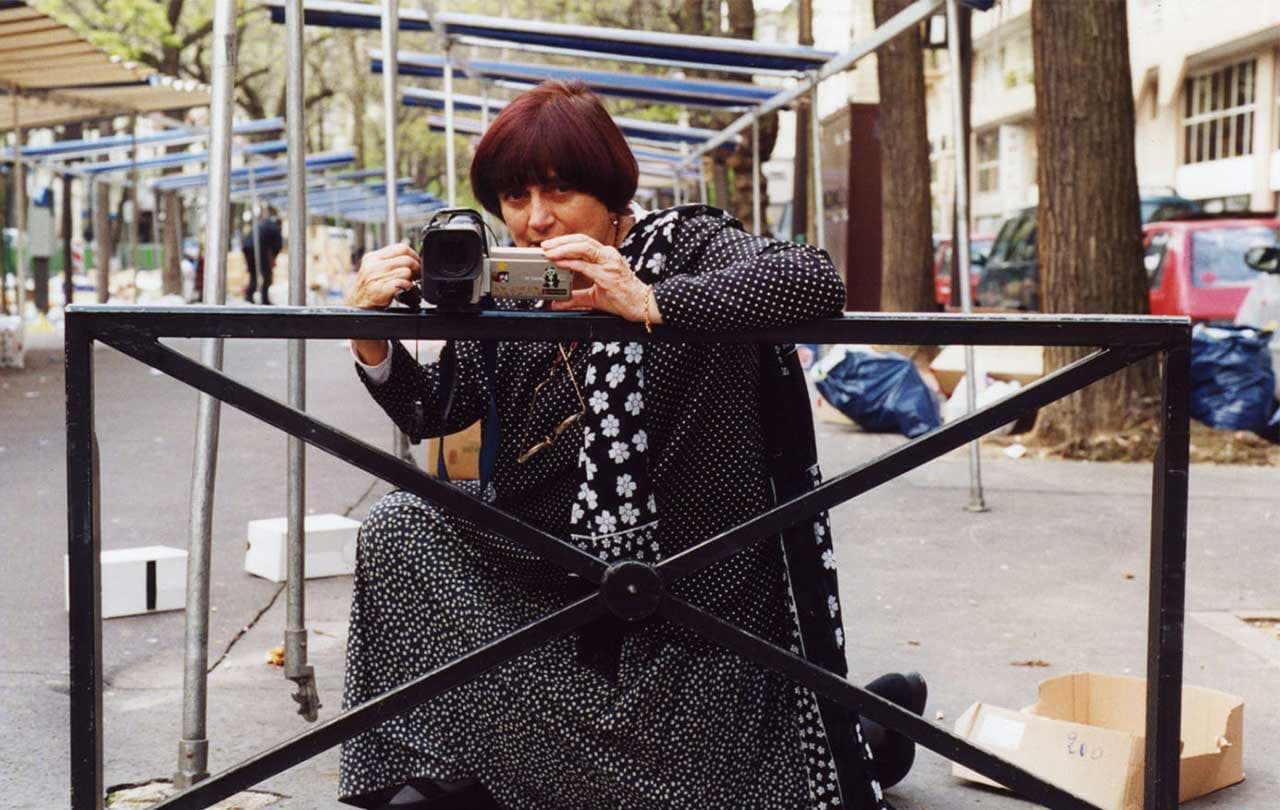
拾穗,或採集,作為影像搜集者的隱喻,華達讓我們看到了一種謙卑。 片中有位採集者是Étienne-Jules Marey的外曾孫。在Muybridge與盧米埃兄弟前,馬黑被認為是最早的動態影像發明者。片中也向我們展示了馬黑設計來「捕捉」飛鳥影像的攝影槍裝置。如此我們想到種種攝影機與槍、與權力、與男性凝視的連結。狩獵與採集,豈不正好是文明之前人類的兩種謀生方式?而華達將他以拾穗者姿態採集來的影像,那些在主流敘事之外的,被視為無用的人事物的影像(既是破碎的影像,亦是破碎之物的影像),料理成一如片中法國最年輕大廚以採集的蔬果做出的精緻料理。 藝術在哪裡?彎下腰來仔細翻揀吧。
艾格妮撿風暴 現代拾穗者的紀錄片,在那年代的社會情懷,也會用多元角度探討,在資本主義下的利弊關係其實沒有那麼衝突,只是如果是現在絕對會不一樣,羨慕當時社會意識單純的美好,也感受鏡頭下的魅力,謙卑與純真的視角‧
拾穗者,彎腰,低頭,撿拾,然後再次循環,在《艾格妮撿風景》中,從博物館裡的珍藏,轉移到街角的撿拾,每個人都有自己的理由,在城鄉間,撿起所需的一切。 安妮說,她會開始拍下去,是因為一個男子在收攤後的市集,正在採集,當他吃下那口洋香菜的時候,讓她走過去與他攀談,因而影片開始拍攝,最後,得知這位男子擁有生物學的碩士學位,卻為弱勢團體募資而賣報紙,甚至在夜晚,為那些不識字的人們教授法與,以一種低調的姿態,在那服務著。 最後一幅畫,安妮所拍攝的是暴風雨下的拾穗者,他們此刻,不再低頭,不再彎腰,個個都是奮力向前的勇士,他們的姿態,堅定的眼神,絲毫不畏懼那陣陣襲來的暴雨,只是繼續前進。 絲毫也是在向那些生活裡的拾穗者所致敬,他們對生命的無畏懼,也許,看似不像成功的那一面,可是卻是他們對自己的獲勝,他們贏到了想要的那一份,剩下的就什麼都不怕了。
1:18:57 當我們獲勝,那就是成功。那什麼時候,我們會感覺到獲勝呢?
1:12:50 一個沒指針的鐘,就看不見時間流逝了
在安妮華達的紀錄片中,所有進入鏡頭的被攝物都變得富有生命力,而觀者彷彿可以直接感受到攝影機背後創作者流淌的真摯、溫暖。 - 從拾穗、採撿,延伸到當時法國社會上的剩食問題、製造與浪費、人們對於議題的看法,在每個主題的連貫都是自然而巧妙的,人物和地景也彷彿連為一體。另外「影像」本質在安妮華達的片中也被彰顯,並富有一種純粹的美感。 - 安妮華達彎下身子,以最質樸而帶著愛與熱情的眼光,貼近土地,拾起稻穗。在她的鏡頭下,無論是塵土還是金黃,都是閃耀。
對所有極端廢物的研究。 對我來說最有力的是它如何將我們人類不可避免的結局與當今對存在的思索聯繫起來。 華達奶奶拍攝她自己枯萎的雙手,承認發生在她身上的事情,將永遠是電影中最誠實、最動人的畫面之一。
從米勒的畫作拾穗出發,去探索現代的拾穗者,而在過程中發現了拾穗與撿採的差異後,進而去就各式各樣的拾荒、撿拾行為去做紀錄與訪談。其中除了撿拾物品的種類差異外,也包含了各式不同的動機以及行為背後的緣由,安妮華達以相當自由,浪漫的方式記錄著這些特殊的族群,透著一股隨筆式的敘事口吻。
給人一種窺看一本私人剪貼簿的滿足,而且主人不僅大大方方替你翻頁,還會靈機一動地再製造其他驚喜,這樣的體驗真是太棒了!安妮・華達總是如此大方且充滿好奇心,面對萬物好似一視同仁,無論自己、被攝者還是觀者,這樣的態度讓人感到安心,得以毫無芥蒂地親近。
看《艾格妮撿風景》是很享受的過程,不鋪陳預設的題旨,而是追隨好奇,由受訪者帶領,感受生命與事物,如安妮華達說,「真實世界永遠比編寫的劇本更令人驚奇」。千禧年前,年已 70 的安妮華達在巴黎艾加基內大道咖啡館,看見有人在菜市收攤時「撿食我們丟棄的東西」,「靈感在生活中,不請自來」,這是拍片緣起。
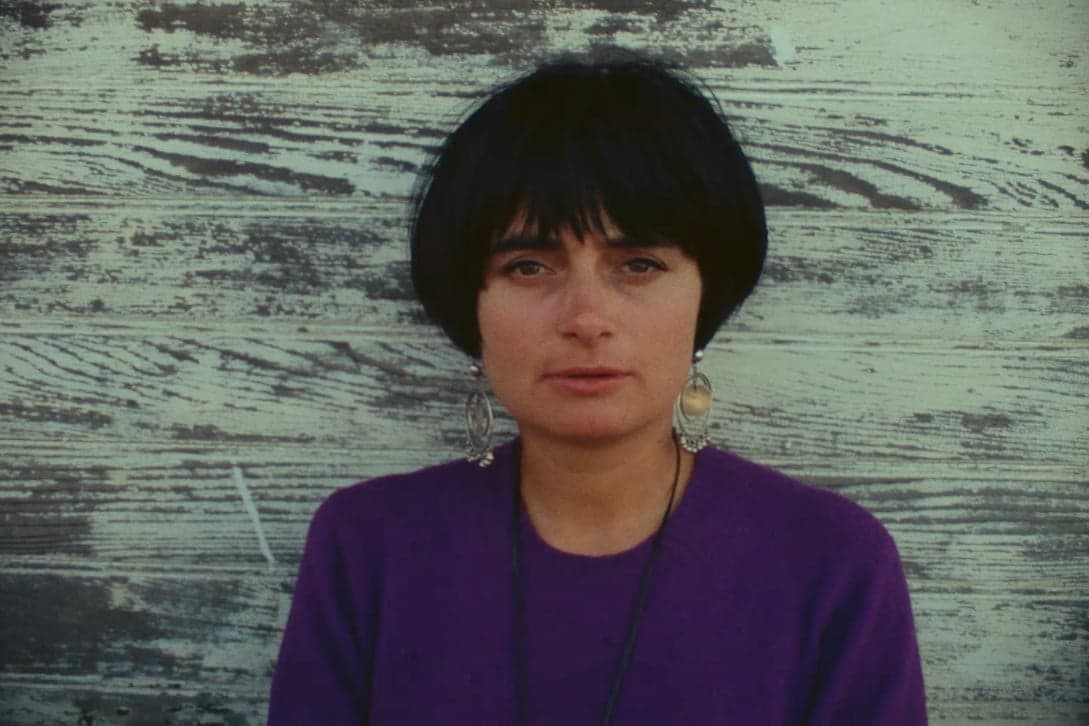
當時的法國電影圈從製片、導演、工作人員,再到影評人、電影史學家,清一色是男性,華達是 1958-1962 年間唯一一位拍攝長片的女導演。成名作《五點到七點的克萊歐》距離她第一部作品隔了七年(期間三部短片有兩部是觀光局委製),正是因為她不被看重,找不到資金,最後不得不靠先生傑克德米引薦當時新浪潮電影的製作人博勒加德。

“I live by my own standards—not by men’s.” She was a director, a cinematographer, a poet, an installation artist, a key figure of the French New Wave. She was a woman. She filmed her muses, scavengers, drifters, distant uncles, lost lovers—and herself. She wandered through the Left Bank of Paris, strolled down Rue Daguerre, flew to San Francisco and Cuba, and eventually returned to the beach she loved most. She was Agnès Varda. This August, Giloo presents 14 handpicked works by Varda—black and white, color, documentary, fiction, film stock, and DV. Two years after her farewell, we invite you to once again meet her—at her sharpest, and her kindest.
While watching a film, you’ve probably thought: If only I could be there too. Whether it’s the long journeys the characters take or the breathtaking scenery that stuns you into silence. John Berger once asked: “Did you come by photograph or by train? Every photograph is a means of transportation.” So take these documentaries as letters from afar— Let them lead you into unimagined journeys, Into lands you’ve never set foot in.