2003
Chicago International Film Festival
金雨果獎提名

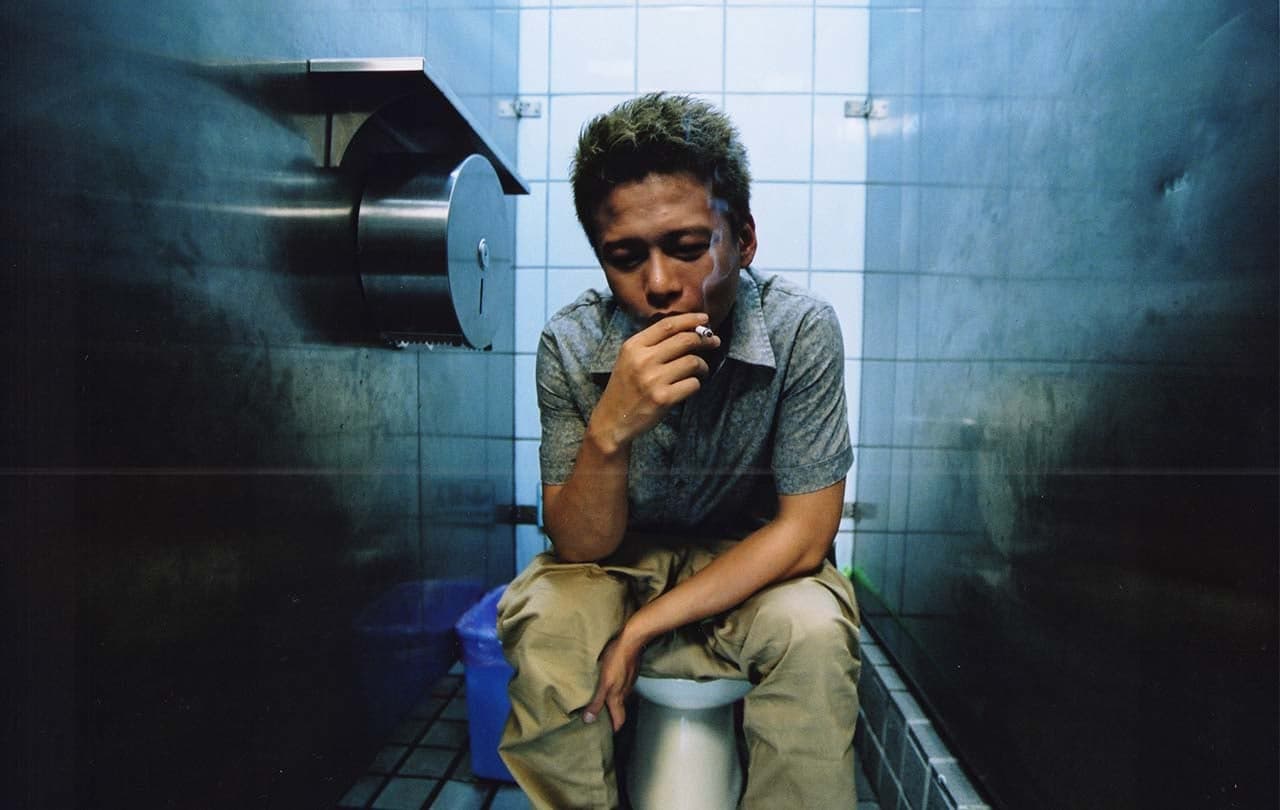
Directed by 蔡明亮
金雨果獎提名
最佳創作短片提名

蔡明亮擅長運用固定的長鏡頭,緩慢卻精緻的表現每一格畫面,使僅僅一幕便能閱讀出許多細節,使整部電影更為深沉有力。 這是我的第一部蔡明亮,為了避免睡著,那時非常用力、仔細的觀察每一幕,觀看主角的表情、畫面的構圖、光影的變化與聲音的用意。難以否認,第一次看完後,雖然能感受到這是一部意境深遠的短片,卻是雲裡霧裡,不懂該從什麼角度拆解、怎樣詮釋這部作品的好。 帶著這份疑惑看了第二次,也上網查了很多解說,才能理解導演的想法與用心。像是,一開始比起畫面更先出現的廣告聲音,已經道出許多資訊,關於資本主義的誘惑與承諾,在後面也有許多畫面呼應。另外被玻璃與膠帶切割的陳湘琪的倒影、拉著行李箱匆匆路過的陸弈靜、擦肩而過的兩人…等等。每個畫面雖然都沒有直接指涉什麼,對白也看似隨意、日常,卻處處隱含著導演想表達的概念:人在城市中所漸被遺忘的記憶。 這部短片上映的時候我還沒出生。雖然並無經歷城市快速發展、工業化與資本主義快速發酵的階段,但透過這部短片所傳達的情感,以一個在這種環境下所成長的個人角度,我能感同身受。不論是疏離的人際關係,或者找尋一個自己在社會上的定位、身分,還有各種片裡提到的普通都市生活經驗,平時被自己下意識忽略的情感,這堂課後我開始重新思考。 片尾的雲與〈南屏晚鐘〉的歌詞,皆呼籲著我們最終所應該要回歸的生活態度,純粹的、自在的向上看,不是被困在過去的牢籠,而是在快速變動的世界接受改變的同時,更加堅定自我。 蔡明亮的作品皆包含:時間、空間與懷舊。而懷舊是帶著永遠無法彌補的欠缺,繼續生活著。這部電影讓我有與過往不同的觀影體驗,在不刺激、不快速、不炫技的格格畫面中,閱讀到導演的想法,反思了自己的感受。
第一次看《你那邊幾點》是在國中看到睡著,這部作為延伸雖然沒關連但也讓我想到國中那時候猛然發現天橋真是厲害的發明,不用怕淹水、紅燈、大馬路的車子,甚至可以在上面擺攤、樓梯上痛哭,這部的天橋和我國中時想的全部連在一起了,真的很美。
13:22 依舊是很謎樣的片,我們會在零碎的敘事裡找到與自己的共鳴,兩個恰巧因天橋與警察發生衝突、李康生在天橋賣手錶,呈現天橋存在於過前人的記憶裡,但現實已找不到他的行蹤。
20:23 天桥是他的生计,生计失去了。天桥是她求索说法的路径,路径也不存在了。
7:32 到底是什麼不見了,大家又在找什麼(我也有不見的經驗嗎)
4:24 迷路的在影像策略上如何進行
Ming-liang Tsai is often regarded by scholars and critics as a key figure in the tradition of slow cinema. His characters are frequently silent or reserved, and he is known for using long takes to observe them in stillness. Through the passage of real time, Tsai explores the subtle emotional responses of his characters, allowing their inner worlds to unfold in silence and space.
Even amidst displacement, struggle, suffering, longing, and poverty, the ability to feel the freedom of will and spirit is what makes us human, and subsequently, a Taiwanese person standing tall on this cherished island.
We've selected a few films together—films driven by pure motives. They entertain themselves, they focus on something simple, and in each, one person says and does many things. Recommend these great works to everyone.
A roundup of the top 10 hits of the year—let’s relive them together!
The late 20th century is often regarded as one of the lowest points in Taiwanese cinema. Yet in 1999, a group of young filmmakers boldly shot independent films on 16mm and organized their own event—the “Pure 16 Film Festival.” These works entered the market with a spirit of creative independence, injecting much-needed vitality into a long-dormant film industry. In doing so, they opened up an alternative path beyond the mainstream, igniting new hope for the next generation of Taiwanese cinema. Recognizing the fragility of film stock, the Kaohsiung Film Archive undertook the digitization and restoration of independent films produced between 1997 and 2005. Through this effort, these past classics are now reintroduced in renewed form, allowing their historical and artistic value to shine once again.
This curated selection features short films highlighted in the "Golden Harvest Awards: The Talk" series. From the debut works of emerging directors to the sophisticated dialogues of mature cinema, we sincerely invite you to revisit the core insights from the talks through these selected films and explore the boundless creative vitality of short-form filmmaking.
The contemporary world is accelerating; battling with time and efficiency has become a daily routine for most. But the faster we go, the blurrier some things become, to the point of being unheard or unseen. Thus, within the span of a single film, through several deeply contemplative "gazes," it's possible to discover that "slowing down" is, in fact, a very, very, very beautiful thing. By immersing ourselves in this slow spirit through cinema, some things finally become clear, and then, they can be heard and seen.

Looking back on 2021—a year shaped by a disrupted daily rhythm, rising geopolitical tensions, and unforgettable moments on the Olympic stage—Giloo presents nine of the year’s most popular films. We hope each one leaves a lasting impression on your heart.