2016
Taipei Film Festival
最佳紀錄片

最佳紀錄片
國際競賽單元

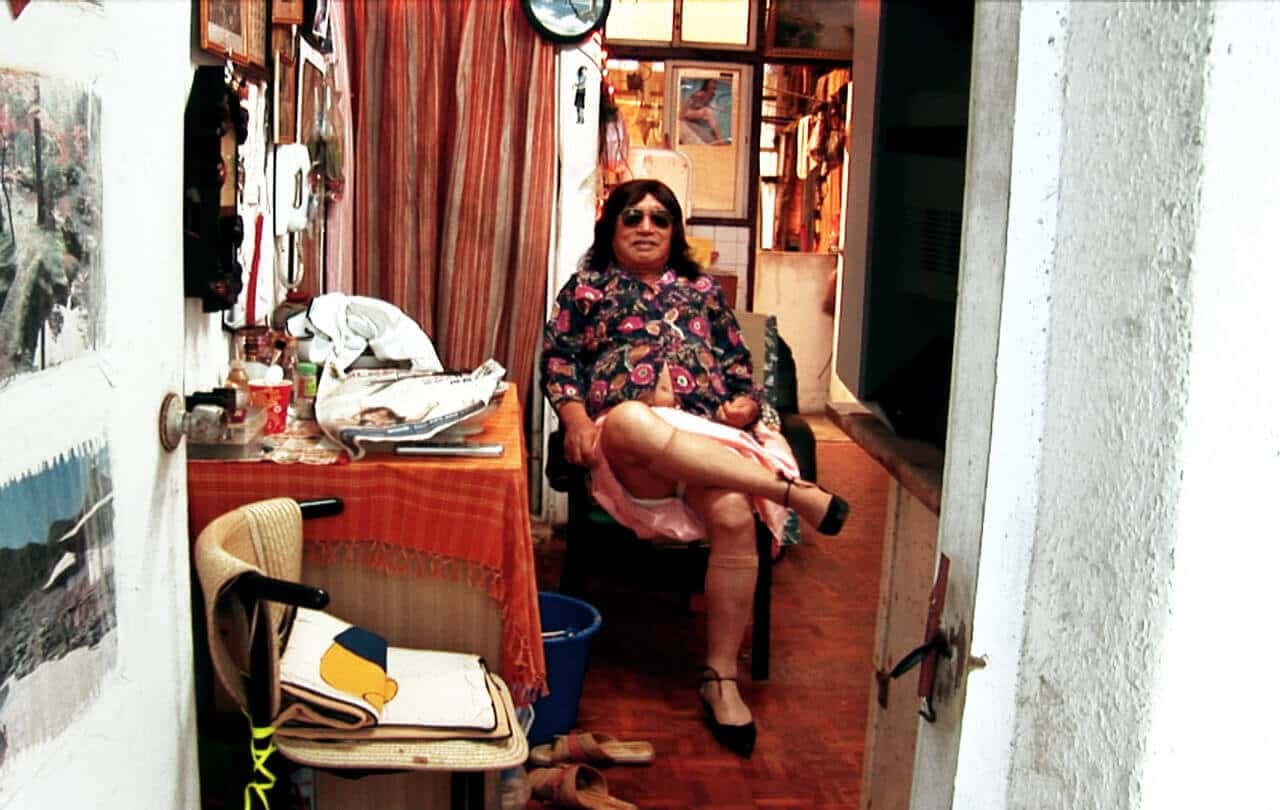
M046_河北臺北 2023.02.27 【簡介】 這是關於一個老兵的故事。導演的父親李忠孝在民國早年的動亂時局中,小小年紀便經歷各種變故。在紛亂的時代中,李忠孝當過小和尚,參加過國民黨部隊、共產黨部隊,還曾被派往韓戰成為抗美援朝的一份子。在顛簸的人生中,李忠孝最終落腳臺灣。電影中透過導演回到李忠孝曾經到過的地方,以及與當地人的互動和李忠孝的自述,使觀眾看到在那個時代下的辛酸與苦痛,也理解到當時人們的更多面向。 . 【感想】 這是在Giloo紀實影音平台 @giloo.ist 上觀賞的電影,謝謝讓我看到很棒的電影。 歷史的長河總是能將一代又一代人的記憶吞沒殆盡,如同老兵李忠孝的故事,明明過去不到百年,他當初所見的景色卻早已不復當年,甚至可能連個斷垣殘壁都沒留下,彷彿什麼都沒發生過一般。李忠孝母親當年過世的小廟已成為一片空地,當年被大水淹沒的天津,也早已成為繁華的現代都市。把時間軸拉長遠來看,一切都是那麼的理所當然,舊的事物總會被新的事物所覆蓋,這是世界一直遵從不變的規律。但把時間軸放大,對於生活在其中的人們,卻是再也見不到從前的所見所聞,只能靠著模糊的記憶與留存的書畫照片來緬懷。想到這我就不免地覺得感傷,我現在眼前所見所感受的一切,在數十年之後是否也會再也見不到,變成存於我記憶一隅的模糊片段呢? 今昔的差異在這部電影中尤為明顯,從前的人們乘船幾百里離開家鄉,可能真的就與故鄉和親人不復相見,但現在只需一秒就能透過電話和視訊聯繫思念的人們,好似不管距離再遠都無所畏懼和顧忌了。 此外政治環境的變化也是十分巨大,不論是國民黨還是共產黨,普通的百姓始終無法知道不同的領導者將會帶來怎樣的未來,無論是選擇投身哪個政黨的陣營,大家都只是做出當下最能讓自己過上較好生活的選擇罷了。當時選擇共產黨的中國人民,他們不會知道未來將有大躍進運動,也不會知道將有改革開放的存在。電影讓我從當時人們的角度去思考,在不同的時代背景環境下,我們永遠無法確定自己的選擇會帶來怎樣的結果,就如同現在的我們在政治上所做的每一個微小決定,我們也不會知道未來的歷史將會如何看待和評價現在的我們。 每個人就像歷史洪流中的一滴水,看似被大趨勢推著走,但實際上每滴水都出了一分力。當我再次抬頭看向窗外,來往的人們就像映放機播出的畫面,不斷地流逝;對他們而言,我大概也是如背景畫面般,在他們生命舞台中一閃而過的片段。我好像隱隱能感受到歷史這條長河在我周遭悄無聲息流過的那股冰涼觸感。 . #Burnink_電影 #Burnink_Movie @burnink_98 #河北臺北 #HebeiTaipei #李念修 #NienHsiuLi #台灣 #Taiwan #國共內戰 #ChineseCivilWar #老兵 #veteran #歷史 #History #Giloo紀實影音 @giloo.ist #紀錄片
想起陳昇2010一首關於「老爹」的歌曲 《六張犁人》 作詞:陳昇 作曲:陳昇 編曲:楊騰佑、恨情歌 夕陽已低垂 歸人相依偎 天邊星子想著誰 對座的老爹失神問起說 是不是已錯過六張犁 就算不為了誰 也該有走出驛站的時候 而我異鄉人的身分啊 已逐漸清晰 老爹很訝異的問我說 為何你跟我有同樣的鄉音 謝謝要幫我跟祖國問好 我在很久以前住在六張犁 臺北不是我的家 我家鄉這個季節飛舞著柳絮 但我異鄉人的身分啊 已逐漸模糊 母親的呢喃 父親的呻吟 遼河滾滾夢是飛蝴蝶 祖國啊想你也跟你問好 夜車滑過新店溪 何時才能停止恐懼 何時才能不用猜疑 而我異鄉人的身分啊 已逐漸清晰 臺北不是我的家 我家鄉現在飄著雪 我只在最堅硬的季節裡 流了幾滴淚 傾聽母親微弱脈息 即使我眼睛哭出了血 我會等 我會等 我會等 啦~啦~啦 臺北不是我的家 我的家究竟在哪裡 老爹你別問我 你別問我 星子已低垂 夜的六張犁 何必總是想著誰 謝謝你陪我跟生命問好 這個城市很溫柔 我在堅硬的季節 偷偷地流了幾滴淚 而我異鄉人的身分啊 逐漸清晰 https://www.youtube.com/watch?v=KdAzaSHX4vI
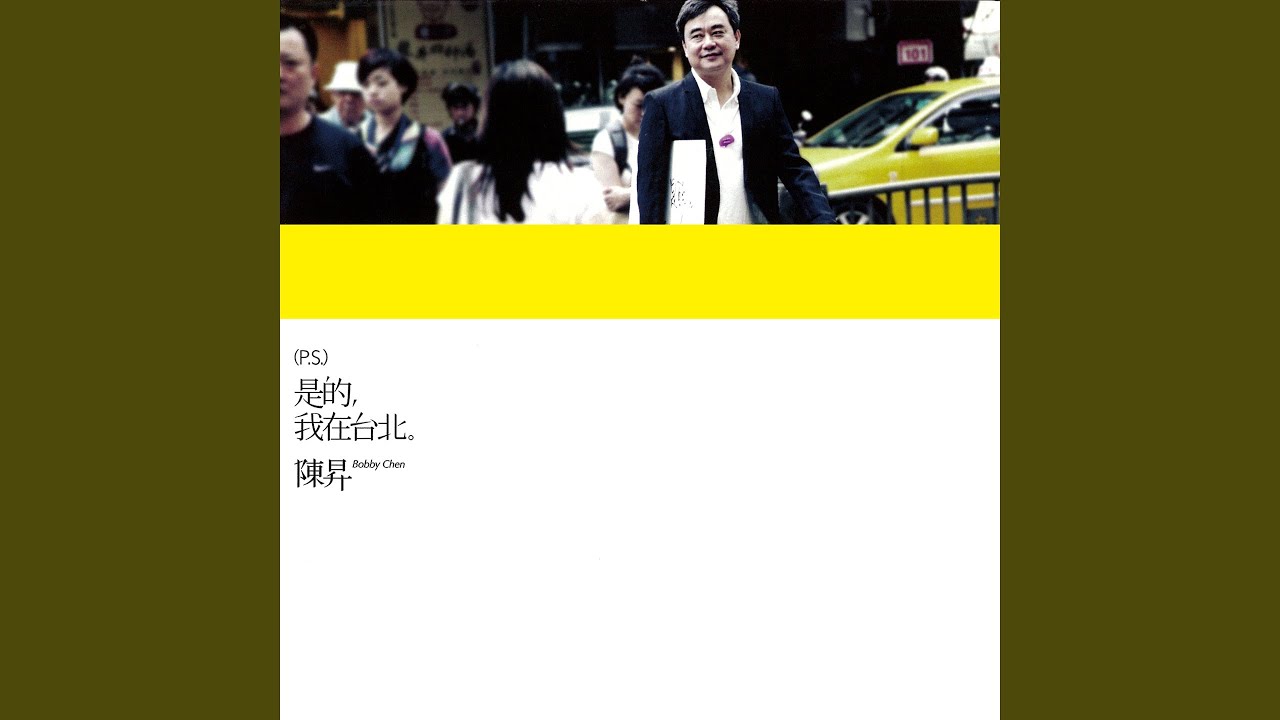 六張犁人
六張犁人我在去年參與拍攝本片導演李念修的短片《講話沒有在聽》,當時得知導演是以父親為藍本創作,也因為《講話沒有在聽》實在太荒謬太精彩,一直讓我好奇《河北台北》老李的本尊。 通常我是喜歡先讀過小說,再看改編電影,不過以這兩部片來說,我會建議先看《講話沒有在聽》,再看《河北台北》,驚奇感會更加升級哦! https://www.youtube.com/watch?v=ZzPXeBi5rKQ
 講話沒有在聽 短片預告
2014 年,繼台灣的太陽花運動後,香港的雨傘運動也震撼世界。這個以「真普選」為訴求的公民運動,以年輕人為中堅主力,引發數十萬人上街聲援,許多人都是首次走上街頭。幾年之後,多部相關紀錄片陸續問世,毫無疑問,陳梓桓的《亂世備忘》仍是其中最⋯⋯
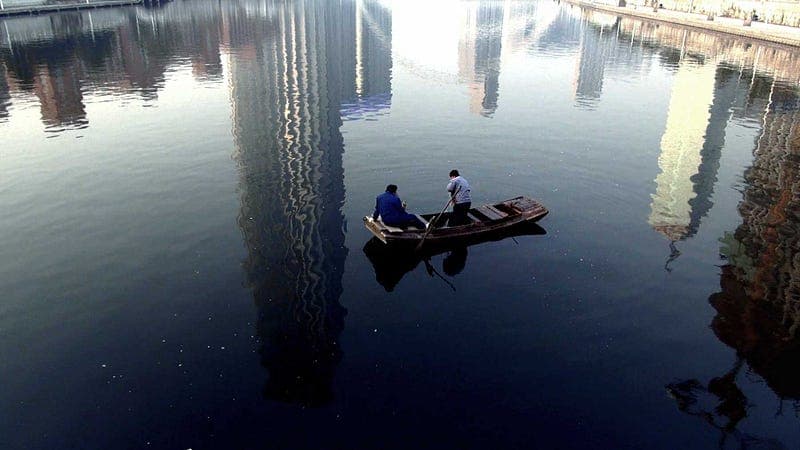
1981年生的導演李念修,曾擔任《街舞狂潮》、《不老騎士》、《青春啦啦隊》、《逆光飛翔》等多部影片的剪輯。她的父親李忠孝,1927年出生中國河北,1954年因戰亂來台,及至2013年辭世,一生未再踏上故土。這對父⋯⋯
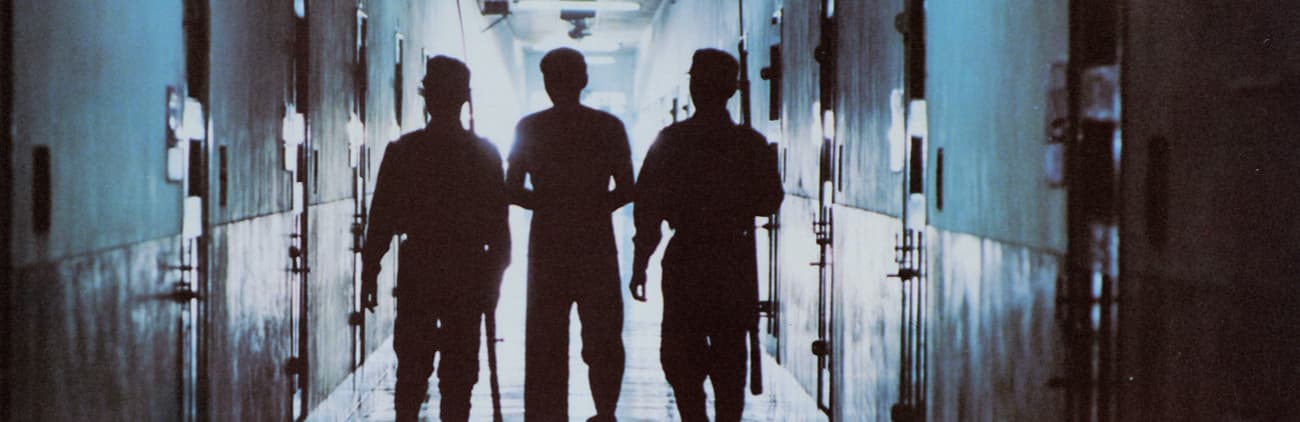
What is Taiwan? What does Taiwan hold? The answer depends on how we understand its transformations. Giloo presents a curated selection of ten documentaries tracing Taiwan’s political evolution—offering multifaceted, in-depth perspectives on the island’s past and present. Through these films, we witness the struggles and resilience of the Taiwanese people, uncover the richness of the land, confront long-standing issues, and face the challenges that continue to shape Taiwan’s identity today.
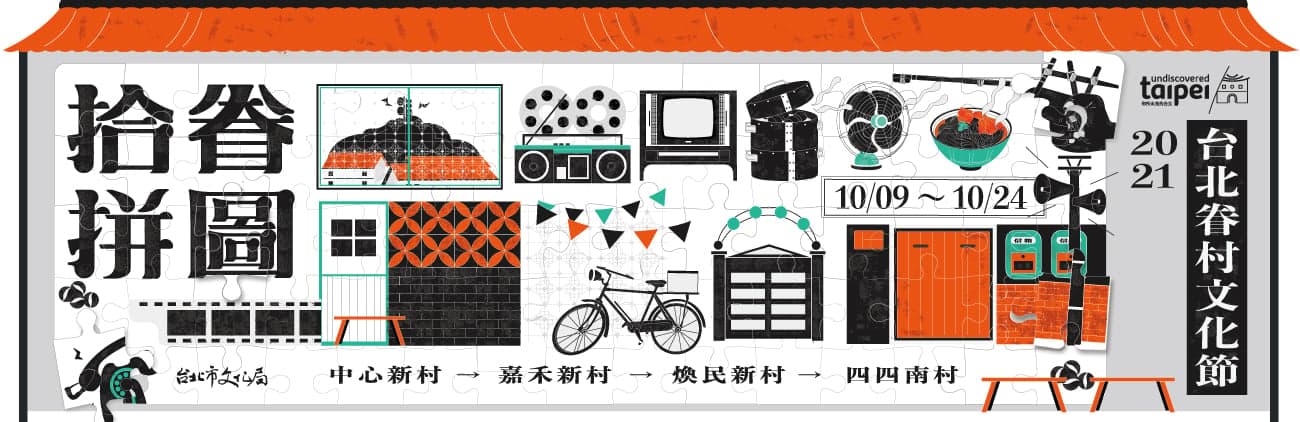
As time passes, generations of military dependents’ village residents have gradually moved away from the homes they once knew. Yet even after leaving, many have found personal ways to preserve and document the memories of the juàncūn—Taiwan’s unique military dependents’ villages. Among these methods, filmmaking stands out as a powerful act of memory—freezing time, bringing vanished buildings, objects, and moments vividly back to life. This year’s Taipei Military Dependents’ Village Cultural Festival: Online Film Showcase invites you to travel through time via the small screen, exploring the evolving faces and unseen stories of the juàncūn through film and documentary.
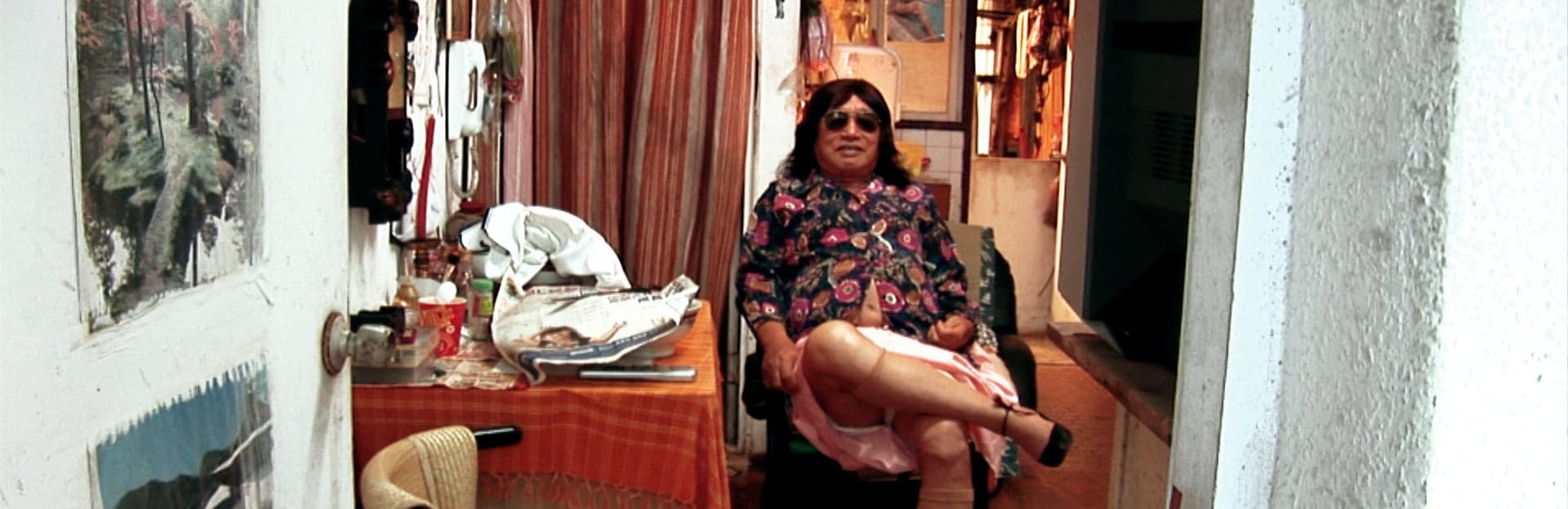
As a kid growing up glued to the TV, I used to dream of flying to Japan just to cheer for Vivian Hsu’s group “Black Biscuits.” Japanese entertainment had an indescribable magic for me—everything on screen felt so beautiful, so funny, so captivating. Not like Taipei, which always seemed kind of gray. In my early twenties, I decided to leave Taipei and chase my dreams in Japan. In the blink of an eye, 14 years passed in Tokyo—and I grew up. I finally realized that what I once saw on television perhaps only ever existed on television. Living in Japan is a whole other story—more often than not, it’s been about gritting my teeth and “eating bitterness” until I was full. Just last week, I happened to hear Ambassador Frank Hsieh on the radio here. He chose to introduce Taiwan with two songs: You Must Fight to Win and Twilight Hometown. Hearing those songs on Japanese radio, I felt unexpectedly emotional. “The hometown of twilight keeps calling me, calling me...” People say that traveling is a way to find the road home— I think now, I finally understand what that means.
The Women Make Waves International Film Festival in Taiwan is Asia’s first issue-based film festival focusing on women. Since its founding 29 years ago, it has been dedicated not only to promoting women's work in cinema but also to introducing Taiwanese audiences to films rich in gender discourse and humanistic vision. Giloo presents a curated selection of award-winning and officially selected films from the festival — both fiction and documentary — inviting you to revisit and celebrate these powerful works.
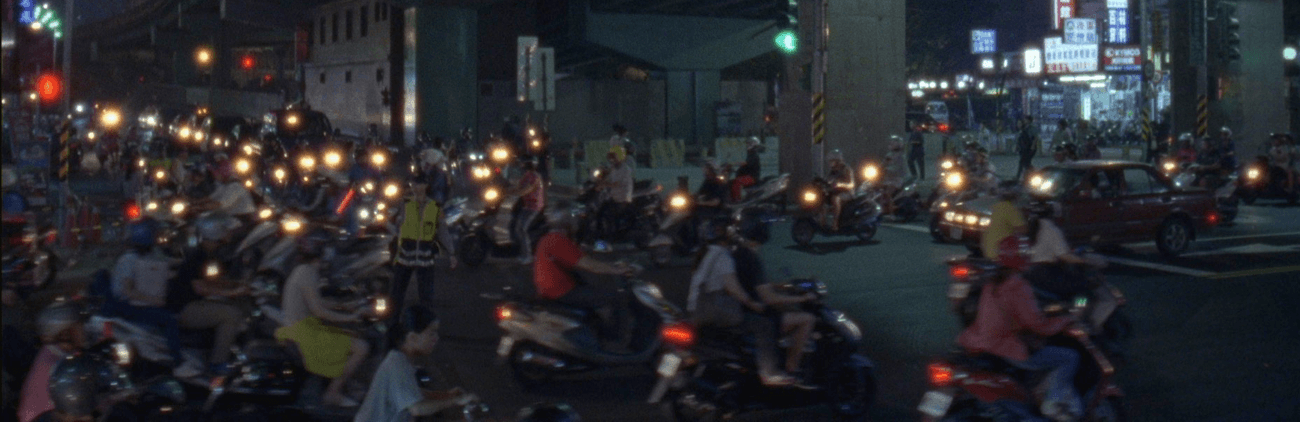
What is Taiwan? What does Taiwan have? Our imagination of Taiwan’s future depends on how we choose to read Taiwan. The Taiwanese documentaries selected by Giloo aim to offer a multifaceted and in-depth perspective—allowing us to empathize with the struggles and efforts of the Taiwanese people, uncover the richness of this land, confront its challenges, and analyze the issues that shape life on this island.
I'm fascinated with "borders"—be they religious, ethnic, or national. Wherever there's a border, there's desire and there are stories. The purpose of a border is to prohibit passage, and yet, like a magical force, it draws people such as "On the Border" or Mexican refugees to seek out rumored, unknown territories. Whether one leaves actively or passively—due to livelihood, adoption, or war—once you step out of your homeland, returning becomes an even longer story.