(Pusan) Busan International Film Festival
超廣角單元最佳紀錄片提名

超廣角單元最佳紀錄片提名
身為做設計的人看了非常有感覺......好喜
47:15 間距
44:53 設計就是在克服各種局限下發揮。
1:18:49 最怕空氣突然安靜。
1:18:02 裝訂大姊:「他到底想要什麼效果?」(內心大喊
1:16:08 你真的有在不好意思的嗎wwww
1:16:00 再刷的時候我看你要換什麼紙(燦笑)
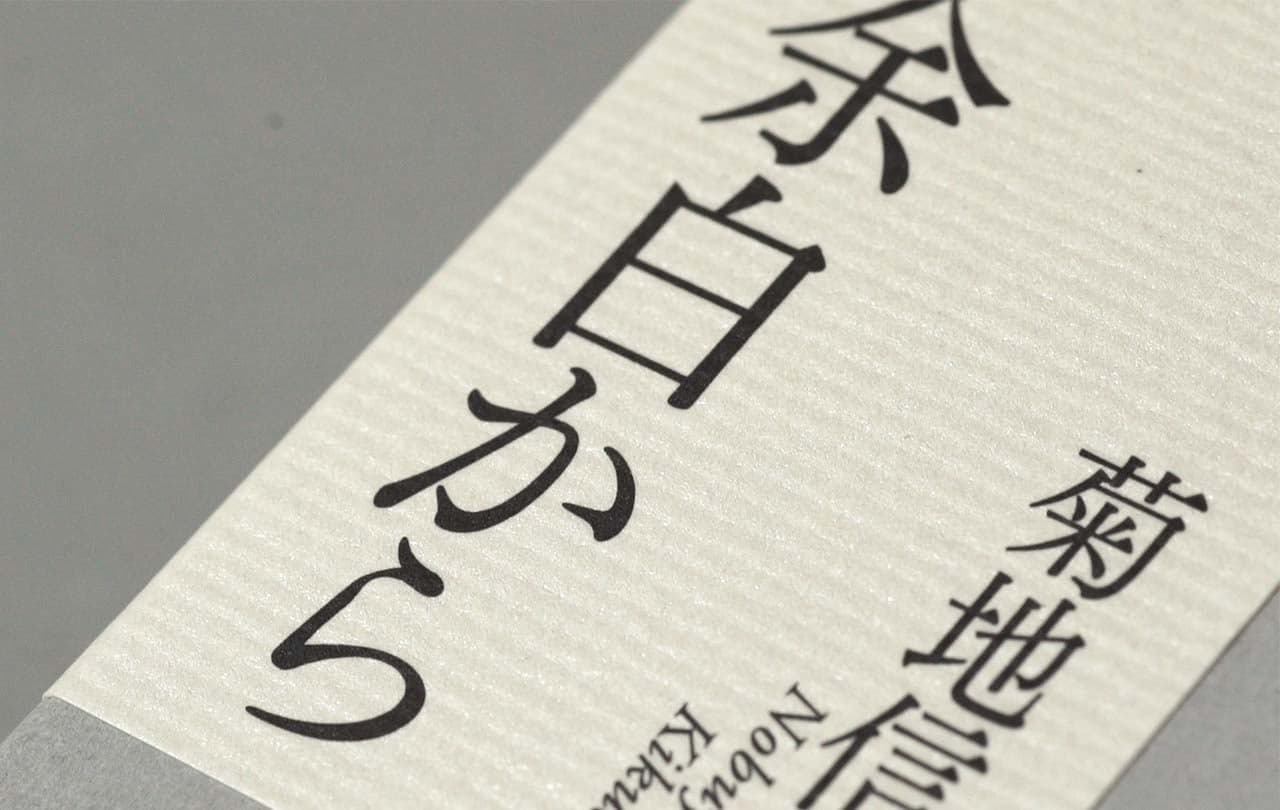
52:30 日本裝幀大師菊地信義精彩的設計人生,用「毫無成就感」總結他的裝幀事業,實在令人驚奇咋舌。但從編輯的角度來思考,彷彿又多少可以理解,在文化內容產業當中的所有幕後工作者,都只是參與、呈現文本的一部分而已。文本才是孕育一切的宇宙,儘管個人有太多想法想要實現,但自己終究只是其中一塊拼圖,不容易取得確切的成就,這或許就是出版製書的特色吧? 儘管如此,經手一萬五千多本設計的菊地信義大師,還是獲得高度注目。他對於如何將自己對文本的理解詮釋轉譯成視覺和觸覺的語彙,有相當獨到且立體的見解。在幾個事業階段當中,也可發現他對於設計語彙、紙材、印刷技術與市場習癖的挑戰和突破,以及勇於接受自己的徒弟所代表的新世代設計論的刺激碰撞。 這些潛藏於傳統媒介與手法中的創新思考,在日益衰退的出版市場中,或許都將成為一種奢求,紙本書作為承載內容之載體與商品,已經進入一個難以預測的未來。然而這些設計的思維,是否仍有機會可以轉化成文化內容產業的底蘊或素養?在科技的挑戰、材料的變化、表現的技巧中間,「裝幀」這樣的手藝,是否存在某種數位可能性可以探求或昇華?
47:17 完全同意「間距」的重要性,在版面的世界裡,1mm也可以差很多。編輯總是有很多移來移去最後選擇第一版的笑話,其實也是側面印證這個道理。
倘若你是熱愛活字印刷或裝幀工藝的手作迷、戀書癖,抑或某種程度的紙本上癮者,想必亦能產生強烈共鳴地沉浸在這部以白描手法敘述日本當代書籍設計家菊地信義(1943- )心路歷程的紀錄片——《裝幀人生》。
"We never look at just one thing; we are always looking at the relation between things and ourselves." — John Berger. Looking is how people understand the world. Through the eyes of photographers and the hands of binding masters, we open the doors of images and books, inviting everyone to peek in, step inside, see the connections between things, and find ways to interact with the world.
In psychology, divergent thinking refers to the ability to approach a problem by generating multiple possible solutions, rather than narrowing in on a single answer or getting stuck in a fixed mode of inquiry. Its opposite, convergent thinking, relies on existing knowledge and traditional patterns to arrive at a conventional conclusion. I love watching documentaries—especially those that explore issues far removed from everyday life. A good documentary, like a good book, condenses an enormous amount of insight into the span of a film. Through a director’s lens and structure, you come to know a person, a group, or an event, and gain valuable nourishment in the process. It’s an incredibly efficient form of learning. Thanks to the nature of the internet, learning today is no longer linear. It’s multidirectional, multidimensional—a practice of divergent thinking. As a well-known writer once said:"The test of a first-rate intelligence is the ability to hold two opposing ideas in mind at the same time and still retain the ability to function." In a time where eclectic knowledge and self-learning have become the norm, a thirst for understanding and a passion for living mean we’re no longer limited to holding just two ideas —we hold many.
Isolated by the vast ocean, Taiwan has preserved the insularity and self-evident nature of its micro-evolutionary cultural identity. At the same time, its ever-shifting landscapes and unique geopolitical position have long subjected the island to waves of diverse cultural influences. As a result, the people of Taiwan have developed remarkable adaptability in sharing resources and integrating cultures, along with a high receptivity to external information. These vivid and agile characteristics are deeply embedded in Taiwan’s cultural DNA, shaping what we call its unique form of “elastic connectivity.” For the 2023 Taiwan Design Week, the Taiwan Design Research Institute collaborates with Giloo Documentary to present an online film program. Curated by Frank Huang, Cho-Hao Wu, and the curatorial team, the selection of films explores possibilities of departure and displacement within the tension between the virtual and the real. This program urges us to reflect on the essence of creation in an age defined by rapid consumption and AI-driven change, engaging with a contemporary world saturated in virtual fantasy through critical and poetic dialogue.
Margaret Atwood carried The Handmaid’s Tale from Canada to the world. Yu Xiuhua, a woman with cerebral palsy from rural Hubei, moved the Chinese-speaking world with a single poem. In the 1930s, Ong Naô journeyed from Taiwan to Tokyo for his studies and left behind Before the Dawn. Giloo Documentary and ChiuKo Publishing present a curated selection of literary documentaries. Let the words of these writers take you elsewhere.