2016
International Documentary Filmfestival Amster
長片競賽單元評審團特別獎

Directed by 范儉
長片競賽單元評審團特別獎

可以這麼說,我就是為了這支紀錄片而訂閱Giloo的。第一次接觸到余秀華的詩,自然是最響亮的那〈穿越大半個中國來睡你〉。特別其中一句「我是無數個我奔跑成一個我去睡你」,腦袋有了動畫的聯想與覺。但再讀幾首,我更鍾情〈我愛你〉,還將最後幾句「如果給你寄一本書/我不會寄給你詩歌/我要給你一本關於植物,關於莊稼的/告訴你稻子和稗子的區別/告訴你一棵稗子提心吊膽的春天」 很珍惜地抄寫起來。紀錄片看了兩次,一次是初讀她的詩,一次是余秀華公開自己被丈夫楊櫧策家暴。楊櫧策是余秀華第二任丈夫,小她十多歲。網路上很多人評議余秀華的受罪是否有幾分自找的成分,刷著那些喧嘩的留言,我突然很想再看一次《搖搖晃晃的人間》。第二次,看著看著,我想起第一次的心情,我在想,但憑任何人,在搖搖晃晃的人間,要走成直線都很艱難啊。
『不知從什麼時候開始,微信上的余秀華就分裂成「戀愛的女人余秀華」和「詩人余秀華」,漸漸後者越來越稀薄,我已經很久沒有讀到她的新詩。不過,在她的一篇散文下方,她回應一個問她「有沒有可能也能寫出生命的豐盛和平凡的喜悅?」的讀者時說:「生活又不是為文字服務的。」』——廖偉棠 https://p-articles.com/critics/3103.html
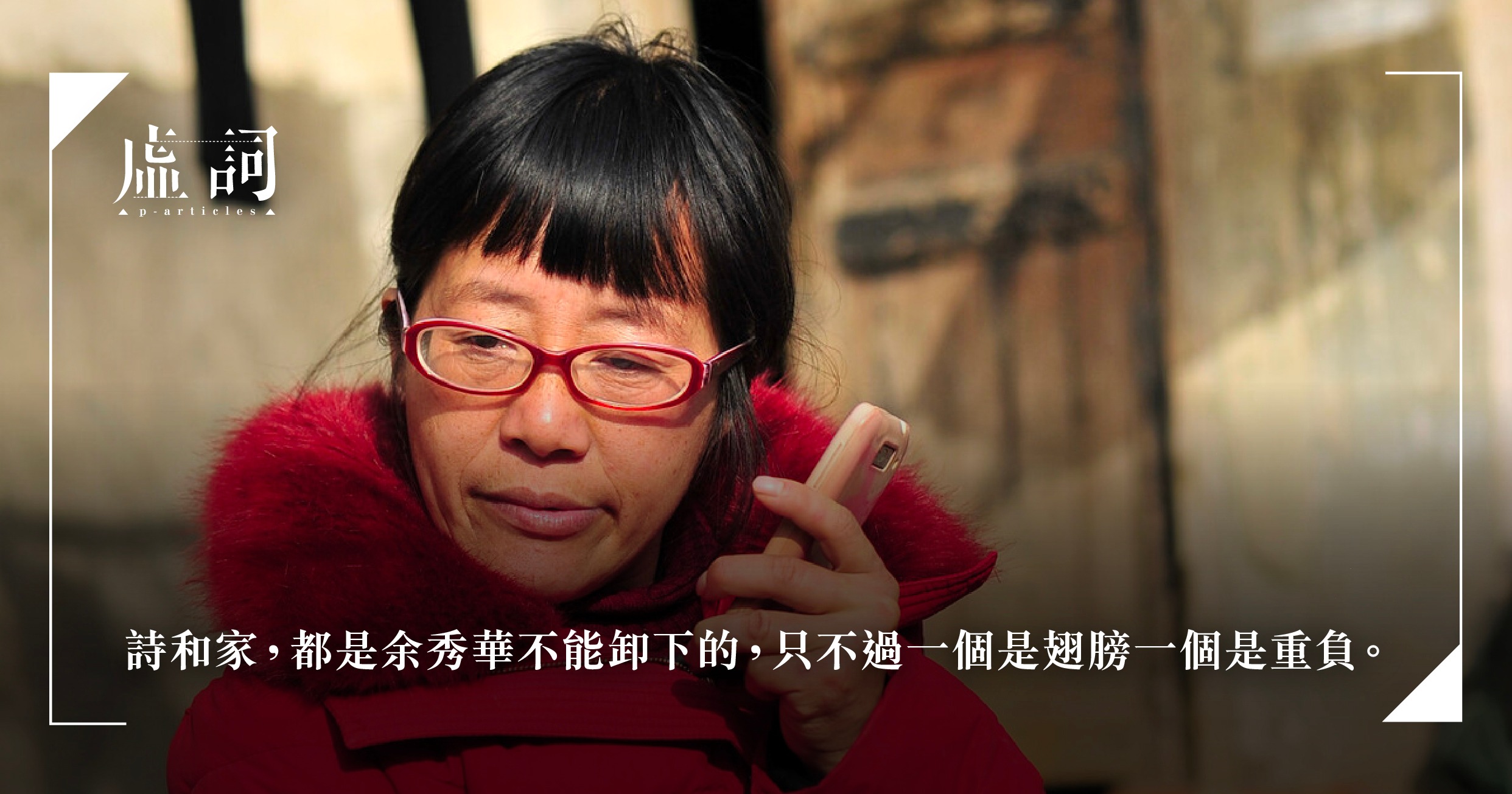 被家暴的女人余秀華,與求生的詩 | 廖偉棠 |
 搖搖晃晃的人間 腦性麻痺故事我們看過綠洲的挑戰觀影認知的愛,和教你認識生活的友你才精彩,這次來個反差超大的中國女詩人余秀華的故事,因為長輩影想嫁給不嫌棄她的男人,但萬萬沒想到之後她會成為爆紅的傳奇‧ 裡面看出現中的各種標籤,余秀華因為〈穿過大半個中國去睡你〉爆紅,這爆紅友很大原因是詩名的吸引字面有關,更別說余秀華婚姻和爆紅的影響無處不跟標籤有關,即使標籤無非都是壞事.... 這場婚姻在離婚中分析,雙方都是被害者,余秀華的婚姻跟本只是家長想要的而非本人,但丈夫尹世平也沒好到哪去,活在身障爆紅者底下的陰影,對我而言很難站在哪一邊,只是還好結尾結束這場束縛關係了‧
戮力也不夠,必須奮身挺立在蒼勁的風中,搖搖晃晃地寫下盪擺的麥穗,燒燃妳金燦的堅意。爭抗也不夠,必須佇足抵禦在疲軟的爛泥,搖搖晃晃地寫下狂暴的黃土,飛颺妳赤紅的強韌。直率與坦闊,是妳理直氣壯聚攏與眾不同的歪斜,是妳義憤填膺穿越現世囚困的隙縫。 痛的徹底,才有痊癒的機會。 可是妳說,離婚前可以灑脫,離了婚了才不輕鬆。認定的不依附,換來癌末母親一句心硬的枷鎖。妳不追求重生,只是朝著自由前行,邁開步履,即便蹣跚踉蹌也不傾覆。從來就不是為了名聲而來,從來就不是為了取寵而來,從來就只是獨一無二。研討會上,文人學者論析筆鋒的妳,頌譽妳是艾蜜莉 · 狄金生。節目訪談,面容姣好的女孩們淚眼婆娑,同情妳的缺陷、悲惜妳的遭遇。其實,這都是將妳的「正常」視為不同我輩的「瑕疵」,彷彿是一種滿足於獵奇與憐憫的政治正確。 故里家鄉盎然的雞兔、莽鬱的農田,妳還有晶剔的冰雪,支撐旁人對妳的嘲弄與標籤、控訴與解讀。翠綠蔥碧的荷塘,盡情游憩的魚群,富足妳的洞察與甜夢。妳的力量很大、願望很小,那是對愛情的渴求,也不是沒有漠然。然而願望越小,就必須撐開越大的現實才能夠鑿脫束縛。 「肯定能聽到一朵菊花安靜時候的呼嘯 但是這隱密如同愛情的需要怎樣的情懷 才能預先包容秋天一開始的衰敗 一朵花有果實的內心,一開始就含淚 於是把每個秋天都當作歸期才燦爛得一敗塗地」-------<一朵菊花開過來>
問余秀華,詩歌是什麼呢? 她說:「我不知道,也說不出來,不過是情緒在跳躍,或沉潛。不過是當心靈發出呼喚的時候,它以赤子的姿勢到來,不過是一個人搖搖晃晃地在搖搖晃晃的人間走動的時候,它充當了一根拐杖。」面對無法修改的現實,余秀華展現了無法修改的搏鬥意志和突圍行動,那是她和她的詩留給這個世界,最美的人形。
荒原一樣的強韌存在,或許就是余秀華的自畫像。彎曲而無法折斷。匍匐行進而絕不傾覆。她和她的故鄉橫店在紀錄片的交錯剪接之中,也成了彼此的鏡子。她和那片農田,有布穀、高粱和白日夢,還有冰雪、泥石流和荒謬。導演貼著余秀華和故土、母親、丈夫、詩壇和讀者所開展出來的各種關係去拍她和現實如何圍困對方,相互索求。她拒絕依附,追尋自由和獨立,無論那自由和獨立的追尋如何狼狽且不被理解和祝福。
余秀華在她的詩〈此刻,月光灑在中年的庭院〉寫「一個人就是一片荒原」,偶爾有房客,有雷聲,有春暖花開,即使凋謝的速度比綻開的決心快多了,這人還要「再試探著重新長出草,覆蓋流逝的水土和地面深處的岩漿」。即使這是中年,如今,他該有的都有了,只是「風不時地吹來,沒有誰看到他的慌張」。 慌張什麼?停滯的事物已經夠人受的了,還有更多的正在停下來,而他仍要生出力量,孕育新的綻開和新的凋謝,不被中年所困。那慌張是在對抗無望、對抗大於自身的力量。風不時地吹來,擊打他的荒原,也提醒他還有這樣未曾停下來的事物,值得他近身搏鬥。
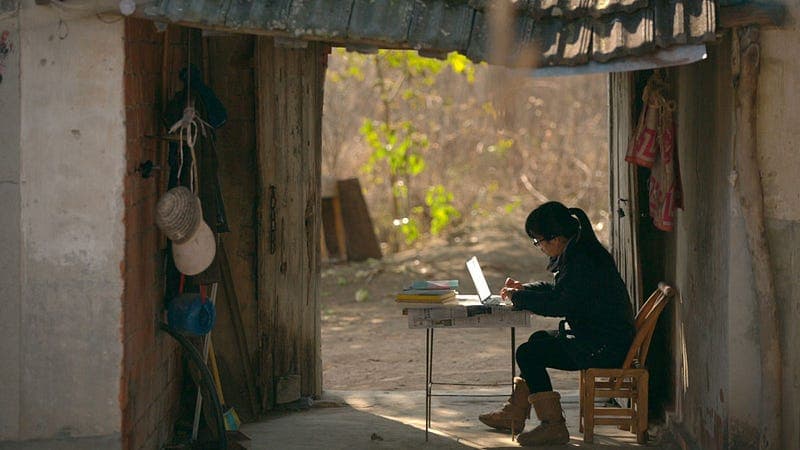
她出現的時候,風很響。她的身體歪斜,聲線飄忽,很用力很用力,才將自己聚攏,御風而行。想起她在詩裡說過,喜歡一個人去河床,喜歡把腳伸進河床的裂縫,讓淤泥埋著,久久拔不出來,彷彿落地生根。 她的直和她的倔,幾乎是過度用力擺正自己而形成的另一種歪斜和飄忽。 拐動身體走過麥田,風很響──紀錄片《搖搖晃晃的人間》起始的鏡頭,抓住了余秀華的詩歌特質:直白現身的,不過是懺情露骨的語調,那轟然翕動而不可視見的風,才真正裹藏了她的明澈洞察。
《搖搖晃晃的人間》英文片名「Still Tomorrow」出自余秀華的詩句: 難道還有明天 可惜還有明天 難以斷絕的物事――像「明天」那樣的存在――具有雙重的寓意。你渴望的,還會再來。你恐懼的,也無能抵禦它再次來到。 Still Tomorrow的「Still」作為副詞:仍然、像從前一樣的明天。作為形容詞,成了「靜止的明天」。作為動詞,語意變為「要明日安靜、讓明日放下心來」。英文片名的歧異性,也許更能捕捉余秀華擺盪的心念。
在看紀錄片《搖搖晃晃的人間》前,必定得先讀幾首余秀華的詩。她在2015年以〈穿過大半個中國去睡你〉此作在網路上一夕爆紅,被分享轉載了成百上千萬次。她的詩直接、率真,以令人畏懼卻又有魅惑力的決絕與優美,談⋯⋯
As long as the camera is running, recording begins from the very first moment. This act of recording is the source of vitality for images and film. In this era, images aren't exclusive to cinema; they are also a vessel for art, belonging to every possibility.
To document an extraordinary soul through the lens is to constantly wrestle with the dilemma of completeness. How can one capture the vastness of a life within the limited time of a film? It challenges the filmmaker’s depth of understanding and precision of perspective. Rather than striving for an all-encompassing portrait, it may be more powerful to focus on select moments—those glimmers that illuminate the subject’s essence. The camera becomes not only a tool to pierce through the surface, but also a means for sincere conversation with the person in front of it.

Why do we write? When words erupt from the mind and pour into the heart, images and monologues take the place of daily tedium—of the mundane, the irritating, the unbearable. For some writers, however, writing is more than expression; it is salvation. It is an unshakable calling. In this themed selection on literature, Giloo presents documentaries that delve into the lives and inner worlds of writers—poets, novelists, critics—who wield pens (or typewriters) like swords, fearlessly confronting the truths of the world. The passage of time leaves behind not just pages, but marks of introspection—quiet yet undeniable badges of their creative journey.
"What kind of dreams can we see in a woman?" — What if we remove "woman"? Does the answer change? I ask myself, then I wonder again — why should "woman" be removed? Are there differences or similarities between a "woman's" story and a "person's" story? If there are true distinctions, what would they be? And am I deeply drawn to it as a woman, or as a person? Perhaps the answer is irrelevant, but within irrelevant questions, the most unignorable answers often lie.
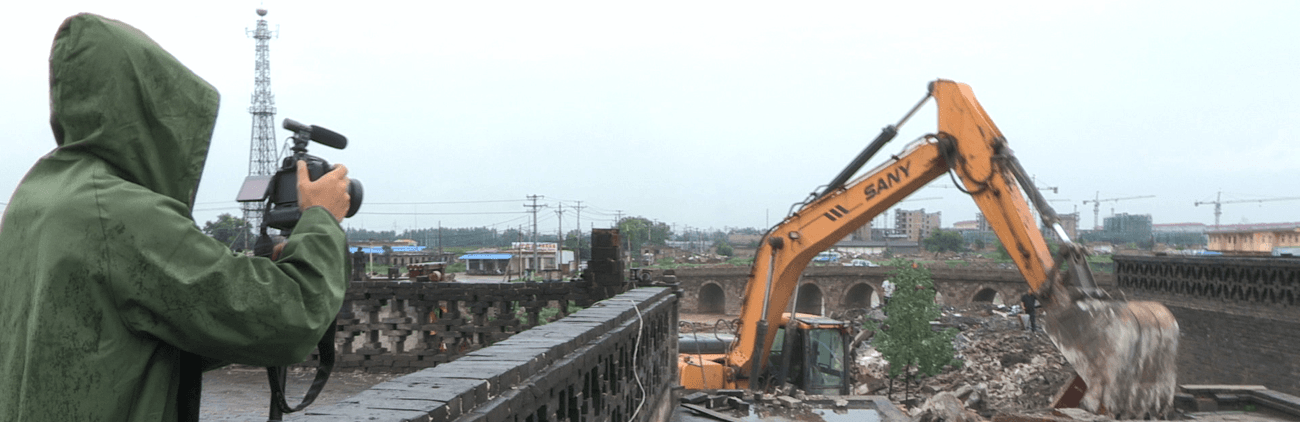
Behind the Chinese Communist Party’s aggressive rhetoric and military intimidation toward the free world lies a darker truth—one that is hidden beneath the polished image of national “rise” under Xi Jinping’s leadership. In this heavily surveilled state behind a modern-day iron curtain, the people themselves have become mere stepping stones in the dictator’s grand imperial fantasy. It’s not only the marginalized who are oppressed, but anyone who dares to long for their inalienable rights—for freedom, dignity, and truth. Giloo presents a selection of independent documentaries from China, guiding you into a reality both dazzling and dark. Inside the borders built by walls, beware the quiet yearning of the soul—for freedom cannot be killed, only contained.
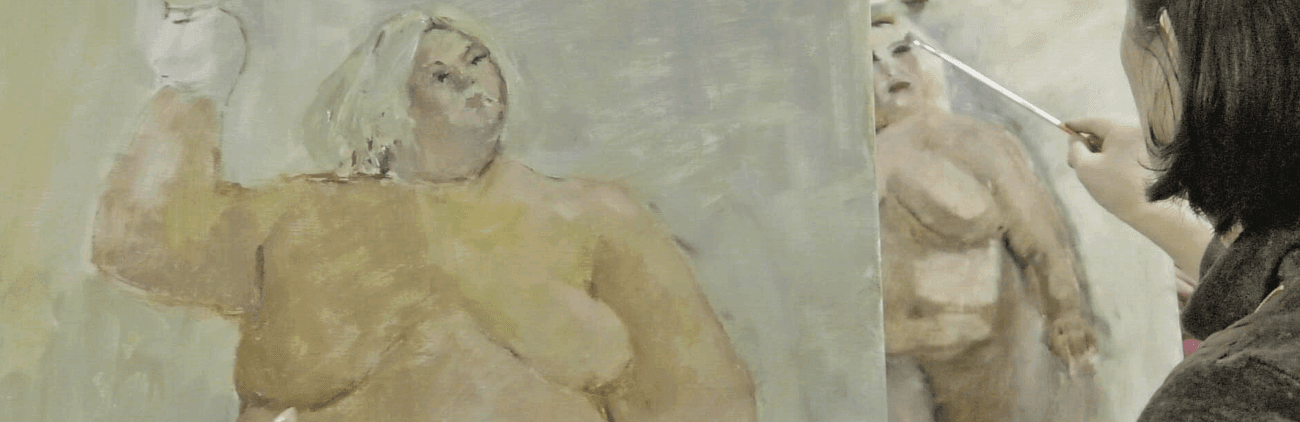
As a female creator, what troubles me most is constantly facing categorization and labeling. Some even question whether I am too immersed in “lowercase,” dollhouse-like stories. But I believe that emotions often spoken about in private spaces are no less public in significance, and that ordinary life is not necessarily safe or uneventful. The five films I’ve selected all carry elements of the “feminine,” the uncanny, and the simultaneously mundane and surreal. At different points in my life, each of them has either explained or illuminated a lingering question, helping me better understand who I am—and where I’m headed.
Margaret Atwood carried The Handmaid’s Tale from Canada to the world. Yu Xiuhua, a woman with cerebral palsy from rural Hubei, moved the Chinese-speaking world with a single poem. In the 1930s, Ong Naô journeyed from Taiwan to Tokyo for his studies and left behind Before the Dawn. Giloo Documentary and ChiuKo Publishing present a curated selection of literary documentaries. Let the words of these writers take you elsewhere.
"One is not born, but rather becomes, a woman." There is no such thing as a woman who is born confident and radiant — we all stumble, search, and grow into the body image and way of life that feel most like home, learning slowly how not to dislike ourselves so much. Documentary films quietly and honestly reflect women in their most unadorned states — ordinary, oppressed, loathed, awkward, or uninhibited — and all of these are part of who they are.