2018

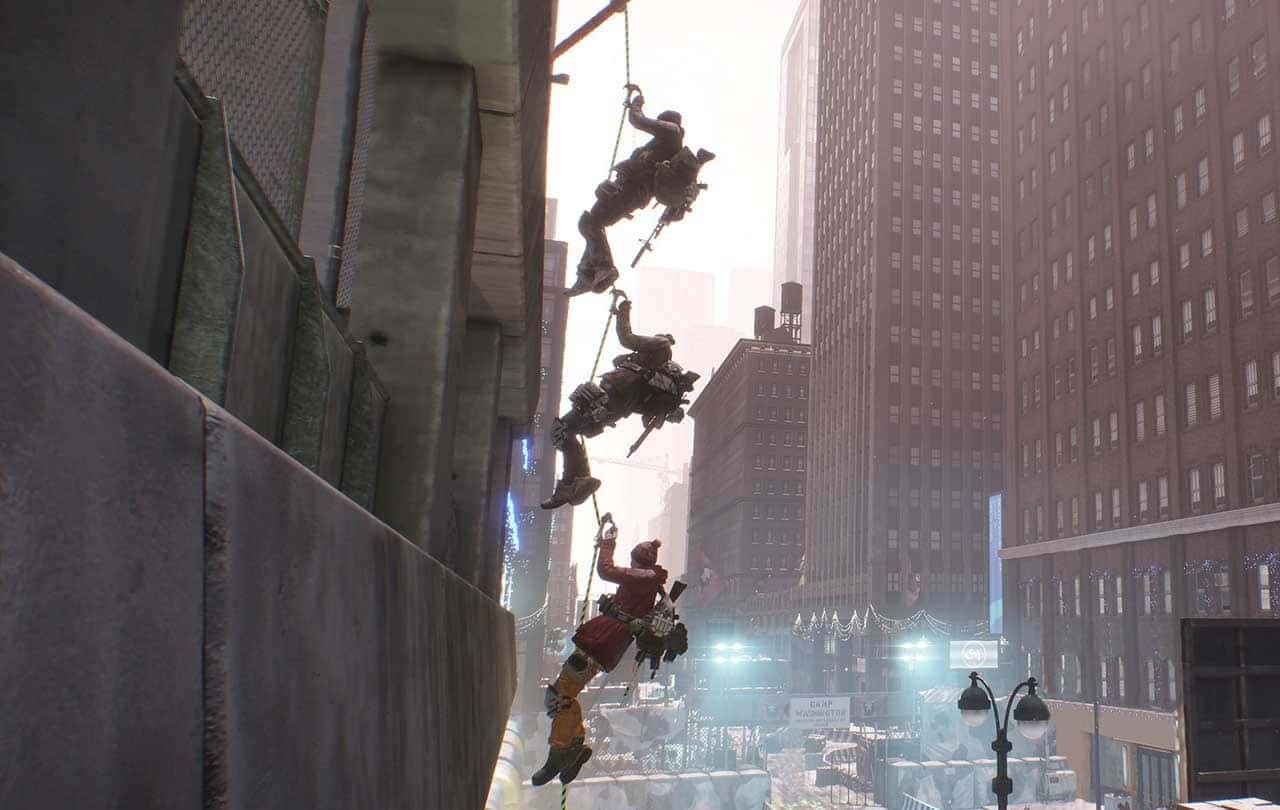

影片也不斷使人聯想到曾多次來台呈現不同表演作品的德國里米尼紀錄劇團(Rimini Protokoll)挪用現實世界中的公共空間,運用不同的導遊機制(如耳機的導覽解說,或都市觀光小巴士的移動機制)。 如在《做與不做,穿越城市的每一個技巧》(DO's & DON'Ts,A journey through every trick in the city) 當中觀眾席設在一輛改造卡車上一如觀光巴士,人們透過透明的車廂觀看城市公共空間轉化成的舞台,一站接著一站。遊戲也同樣是這件城市旅行作品的關鍵,更直接請孩子「上台」指導著這個城市實驗室。觀眾席內集體身體的一動不動,面對卡車外城市流動的影像,這馬上構成電影的機制結構,真實、虛構,紀錄,檔案,歷史交錯…..。 在移動時配上音樂,流動的都市影像正如同 Operation Jane Walk 當中在每一站的歷史建築之間,一群人背著長槍以跑動的方式在虛擬的曼哈頓所形成的,始於身體與城市之間的電影時刻。
DO's & DON'Ts在距《偉大城市的誕生與衰亡》一書出版超過半個世紀的今天,在「人類世」的時代氛圍已成為主旋律,想像後世界末日的碩果僅存人類生活已不單單只是科幻敘事,在近年 Covid-19 的全民經驗中,大城市荒廢空無一人,而動物重新登場的場景已在現實中如科幻電影一般地發生,城市的生死在此更是反應人類物種的存續大命題。 在電玩遊戲中的城市參觀行程也令人聯想到哲學家齊澤克(Slavoj Zizek)的科幻愛片《人類之子》,重點在於人物故事「背景」浮現的近未來世界,而在遊戲的虛擬空間中,玩家正如同穿越時空的旅人進入這個「背景」,不遵從遊戲規則地進出這個敘事世界。 影片的兩位主創在之後更是尋著這個不遵從遊戲規則的邏輯,組織了新的藝術團體 Total Refusal,並將重點集中在電玩遊戲「公共空間」中的藝術介入干預。以國際情境主義針對城市空間進行挪用、漂移(dérive)、遊戲的的方式建構城市的情境空間,疊合演員表演和觀眾的空間。情境主義者幽默地對日常空間的重新建構,遊戲成為改變公共空間最具顛覆性的工具,也正如片中玩家身處虛構虛擬和真實世界歷史的微妙交界處。
在挪用電玩中的建築性機制之下,藝術性導遊討論諸如建築歷史、都市重建和遊戲開發商對城市結構的干預等問題。而 Operation Jane Walk 中的 Jane 指的是 1961 年出版《偉大城市的誕生與衰亡》(The Death and Life of Great American Cities)挑戰傳統的都市規劃理論,堪稱都市規劃界的傳奇人物珍‧雅各(Jane Jacobs)。 在真實生活裡,雅各致力反對興建快速道路,反對都市更新,並積極主張鄰里的多樣性。帶領民眾對抗政府不當的都市開發計畫,甚至兩次被捕入獄。她拒絕用高層建築替代城市社區,或因高速公路計畫而犧牲既存社區。她認為城市是一個生態系統,對城市的所有元素進行了系統的考察,不僅僅是單獨看待它們,關鍵原則正是都市的多樣性。
這個旅行團的成員也如現實世界的遊客在一個時間點集合後出發,在敘事多人射擊遊戲的敘事背景架構下,每人都全副武裝,全都手上一把,被上一把長槍。後世界末日的情節中的紐約一片廢墟。而這個巧妙設計的旅程顯然不是在公園裡散步,這無疑是個充滿敵意的環境,到處都是子彈紛飛。遊戲規則使得所有的玩家之間的相遇,只有廝殺一種可能。 而藝術家的虛擬城市導覽荒謬精妙之處也在於此,正因不是在現實中遊客沒有真正喪命的可能,只不過行程會被交戰槍火打斷,影響影片進行。特別是當旅行團每個玩家都同時蹲下來躲子彈,並仔細聽「導遊」描述建築物的歷史,更顯荒謬幽默。
城市人類學家 Robin Klengel 和新媒體藝術家 Leonhard Müllner 的影片實際上是他們的表演藝術計畫的短板,Operation Jane Walk也以一個半小時現場表演的形式在許多藝術節現身。藝術家團隊多人同時在舞台上即興表演「玩」遊戲。 當然這個玩,不是正正經經地按規則玩,而是把射擊遊戲中模擬紐約的科幻近未來後烏托邦場景,當成是真實地景來「穿越」遊覽。3D的擬真城市曼哈頓當中「挪用」大量的真實城市地標建築物都具有豐富的歷史意義,於是這個導覽遊戲中知名建築的3D影片,正如同是在虛擬世界中拍攝的紀錄片。
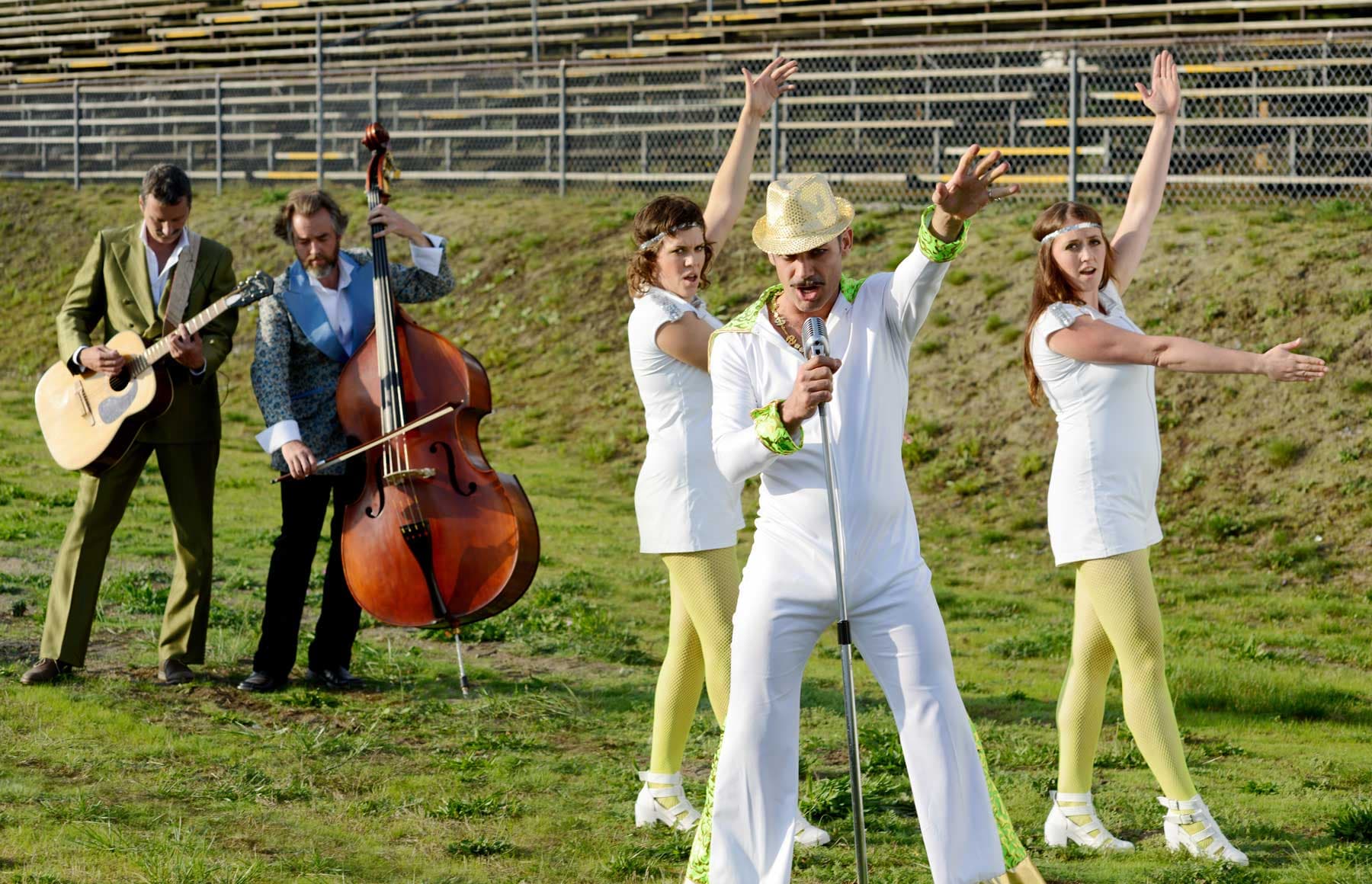
推廣紀錄片的難題之一,是要抵抗大眾的刻板印象。一般人總想像紀錄片就像新聞報導,題材必定嚴肅,形式也硬梆梆。殊不知,有許多創作者在意想不到的地方尋找題材,或在真實與虛構之間嘗試各種拍攝方式——這正是紀錄片作為一個「片種」,在當代充滿生命力的景象⋯⋯
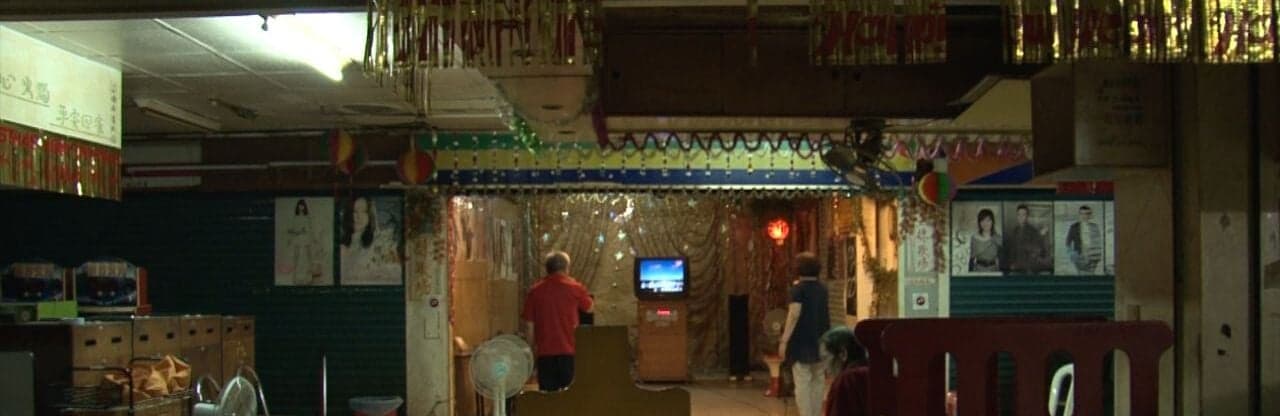
Before the pandemic, mobility was becoming not just a choice but a necessity—almost a defining feature of modern life. And yet, ironically, it was also becoming harder. You might have held romantic notions about mobility—traveling abroad, for instance. Even the quiet sorrow of Up in the Air still seemed glamorous enough to earn an envious “so lucky, you get to travel so much” at dinner parties. Frequent flyer programs became subtle indicators of social class. But let’s not forget—migrant workers are also people constantly on the move. Signing a work contract and flying into a new country or city—just like many of us—they land, and beyond the job at hand, they must figure out how to live. Food, shelter, transportation… survival isn't just about instinct, but also a reflection of how open and welcoming a city can be. You might get to choose where you live. Or not. Once the commute is sorted, what matters most could be: Where can I grab a bite? Is there a pharmacy or hospital nearby? (Yes, that reveals the writer's age.) Is there a place for a good massage? Where can I meet friends for a drink—or maybe meet someone new? Once those questions are answered, the place starts to feel liveable. Even if it’s just for three months. And love, while in transit, rarely fits into tidy boxes like monogamy shaped by economics and productivity—but that’s a story for another time.