2019
Academy Awards (Oscars)
最佳紀錄長片提名、最佳原創歌曲提名

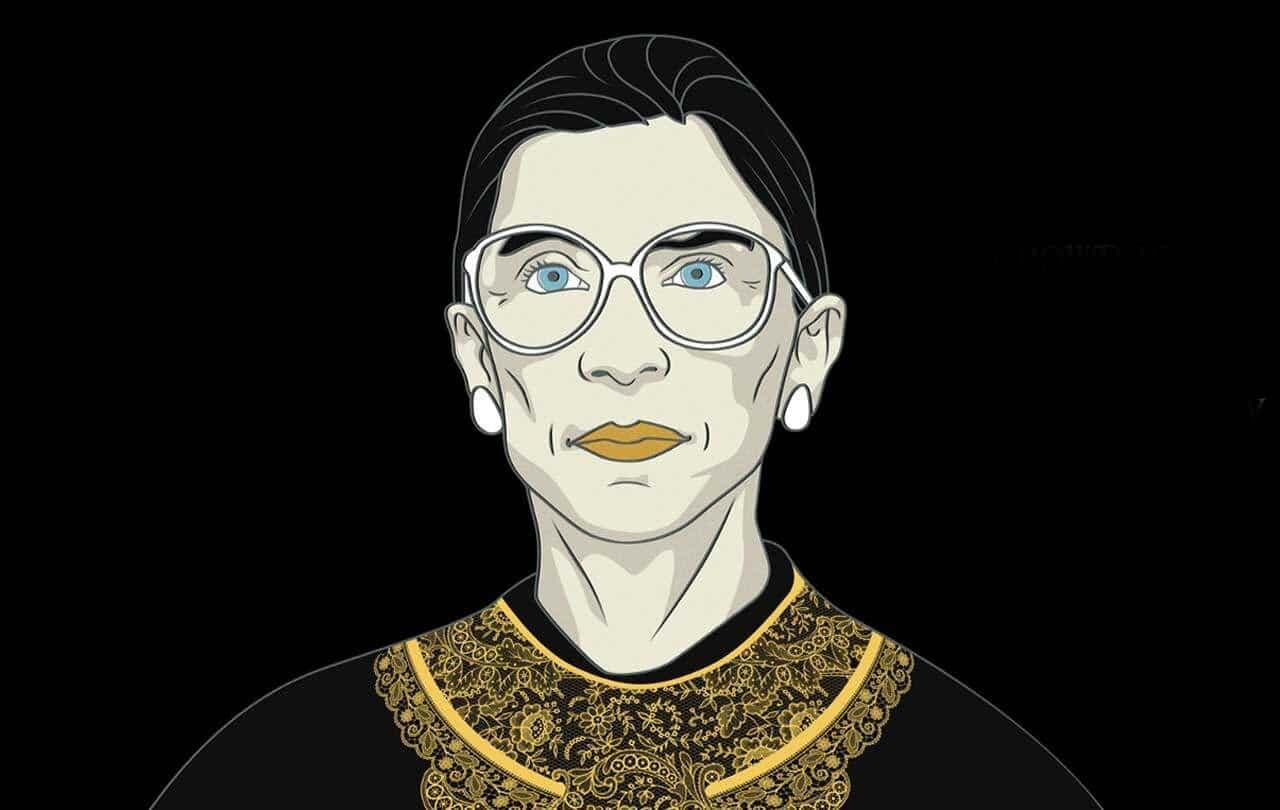
最佳紀錄長片提名、最佳原創歌曲提名

M028_RBG:不恐龍大法官 2022.09.05 【簡介】 兩位導演藉由穿插金斯伯格大法官的生活影片、訪談、訴訟片段及照片,呈現出金斯伯格大法官的多元面貌。此外也展示了金斯伯格大法官的生平,使觀眾看到金斯伯格大法官從學生時期開始,所付出的努力及遭受的挑戰,以及從內向害羞的人逐漸轉變為為公平正義發生的鬥士,並更了解金斯伯格大法官心中所理想的法律面貌和社會的未來。 . 【感想】 這是在Giloo紀實影音平台 @giloo.ist 上觀賞的電影,謝謝讓我看到很棒的電影。 這其實是我第二次看這部電影,上一次接觸這部電影時,是某次在飛機上意外看到的。即使過了幾年,世界局勢已經發生翻天覆地的變化,金斯伯格大法官已經去世,而美國最高法院也已經推翻羅訴韋德案的判決,但再次重看這部電影,我仍覺得激動不已,彷彿有回到那個對一切不公不義無比憤怒,並敢於抗爭的時期。 在2021年底時,我曾買了金斯伯格大法官的自選集《My Own Words》(譯:我是這麼說的),雖然還沒完全讀完,但裡面有一段窩很喜歡的話:「For both men and women the first step in getting power is to become visible to others, and then to put on an impressive show…. As women achieve power, the barriers will fall. As society sees what women can do, there will be more women out there doing things, and we’ll all be better off for it.」就像電影中維吉尼亞軍校中的女學生,他們證明了女性也能達成學校要求的各項標準,只要我們跟金斯伯格大法官一樣願意wait and see,我們就能看到在公平開放的機會之下,不論哪種性別,都能創造不凡的成就,而社會也能因此而有更多的動能,並持續進步。 我認為這部點影很適合在對未來感到迷茫、不確定時觀看。我之前一直認為人生中不一定要有一個role model,一個楷模榜樣,但今天看完電影後,我才發現role model的功用。雖然我現在處於對未來感到十分混亂的時期,也因覺得能力不足而感到焦慮、想放棄。但是看到金斯伯格大法官不論遇到甚麼困難,仍然能繼續堅持,不論在公領域或私領域上都有所成就,就讓我重新燃起動力。希望自己能做更多努力來磨練自己的思維,並學習更多知識,一掃之前出世的願望,而重回入世的雄心之中。 . 【觸動的句子】 1.金斯伯格大法官:「我母親一生教了我兩件事,而且她會不停反覆叮嚀:做好一位淑女,而且要獨立自主。當淑女,就是指說不要被無用的情緒,例如憤怒,綁架了自己。而獨立自主的意思,就是我母親再三交代,即是遇到白馬王子是件好事,從此幸福美滿,也算人生福氣。但要懂得,生命永遠掌握在自己手上。」 2.金斯伯格大法官的孫女克萊拉:「她教我說,聲音大不見得能說服人。因為吼叫會讓對方感到不舒服,而拒絕進一步協調與溝通。」 3.1837年廢奴主義者,莎拉葛林克:「我從未要求特殊禮遇,我要求的是男性同胞們將他們的腳,從我們的脖子上拿開。」(I ask no favor for my sex. All I ask of our brethren is that they take their feet off our necks.) 4.1977年《卡利法諾訴葛德法比案》,金斯伯格大法官:「一旦有歧視,其所持依據,幾乎都無法避免傷害了女性的地位。」(The point is that the discriminatory line almost inevitably hurts women) 5.採訪者:「當那些大法官們公然嘲笑你時,你在想什麼?」金斯伯格大法官:「這樣說吧,正如我母親教我的。第一,絕對不要動怒。自己先上火,只會壞了大事。要把握這樣的時機,去教導那些看輕你的人。」 6.金斯伯格大法官:「劃分性別的那條線,並非保護與珍惜女性,而是把女性困鎖在牢籠中。」(The gender line helps to keep women not on a pedestal, but in a cage.) 7.金斯伯格大法官:「要讓女性能公平參與全國經濟與社會生計,她們首先要能決定與掌控自己是否要傳宗接代的身體。」(The ability of women to participate equally in the economic and social life of the nation has been facilitated by their ability to control their reproductive lives. ) . #Burnink_電影 #Burnink_Movie @burnink_98 #RBG不恐龍大法官 #RBG #茱莉寇恩 #JulieCohen #貝西韋斯特 #BetsyWest #美國 #America #露絲拜德金斯伯格 #RuthBaderGinsburg #金斯伯格 #Ginsburg #NotoriusRBG #女性主義 #Feminism #性別平權 #GenderEquality #Giloo紀實影音 @giloo.ist #紀錄片
1:55 身為女性,我從未要求特殊禮遇。我只懇求各位男性弟兄們,別再把腳,硬踩在我們女性脖頸。—— 《RBG:不恐龍大法官》
1:21:42 除了支持避孕,RBG更是美國挺墮胎的代表人物 之一。 近年再起爭議的《羅訴韋德案》,RBG生前受談時曾被問到,若此案被推翻,後果是什麼? RBG如此回答: 「羅伊訴韋德案被推翻,也依舊會有很多州不會再走回頭路⋯⋯只要承擔得起費用,女人們就可以去做。只有付不起錢的女人才會受影響。」 「不管一個州立了什麼法,或最高法院怎麼判—只有貧困女性會受苦,我認為如果人們能意識到這一點,那他們的態度或許會有所不同。」 墮胎權相關紀錄片:《羅訴韋德案:女權與政治》
38:09 無論國內外,社會對「堅強」「勇敢」等所謂陽剛氣質的認知,使男性較難向外求援,制度也少有相對應的資源。單親爸爸於是成了非典型的弱勢。 台灣在2009年時,將10年前施行的「特殊境遇婦女條例」,修正為「特殊境遇家庭條例」,單親爸爸、隔代教養家庭終被納入服務範圍。
34:11 莎拉葛林克是18世紀美國的社運家,她和妹妹參與廢除奴隸制運動,奔波各州巡迴演說。 當時沒有女性會在公開場合發言,莎拉的行為受到男性抨擊,反而更促使她後來開始積極爭取女性權利。 莎拉葛林克的另一句名言「人權是婦女的權利,婦女權利是人權。」則是被希拉蕊柯林頓在聯合國世界婦女代表大會中引用,成為廣為人知的標語。
25:08 除了受到激勵,女權運動興起也與行動過程產生的憤怒緊密相關。 《自由之夏》中便提到,部分女性投入社運後,反而深刻感受到性別的刻板印象,甚至壓迫(做後方支援工作,以及被性騷擾),進而促使同性間交流、結盟。 日本知名學者上野千鶴子,也是在反安保運動中開始注意性別議題: 「總有人說成為女性主義者不該是因為私人的憤怒,但我就是要因為私人的憤怒。我看不慣這些運動中的男性表裡不一,喊著打倒帝國主義的口號,身體卻還是父權制的同盟。」
22:17 2021年,眾議院投票通過取消《平等權利修正案》(ERA)的時限。這個法案起於1972年,保障了性別全面平等的權利。 RBG也是ERA的終身支持者,她在學術著作中如此肯定:「法院將有一個無懈可擊的基準:所有男人和所有女人都是生而平等的。」 *推薦ERA主題的神劇:Mrs. America
RBG 被羅格斯大學法學院聘為助理教授時,曾因校長以 RBG 的丈夫有著高薪工作,而迫使 RBG 接受低薪,RBG 甚至在懷孕期間刻意穿大尺碼衣服,以避免因為身孕而不被續約。
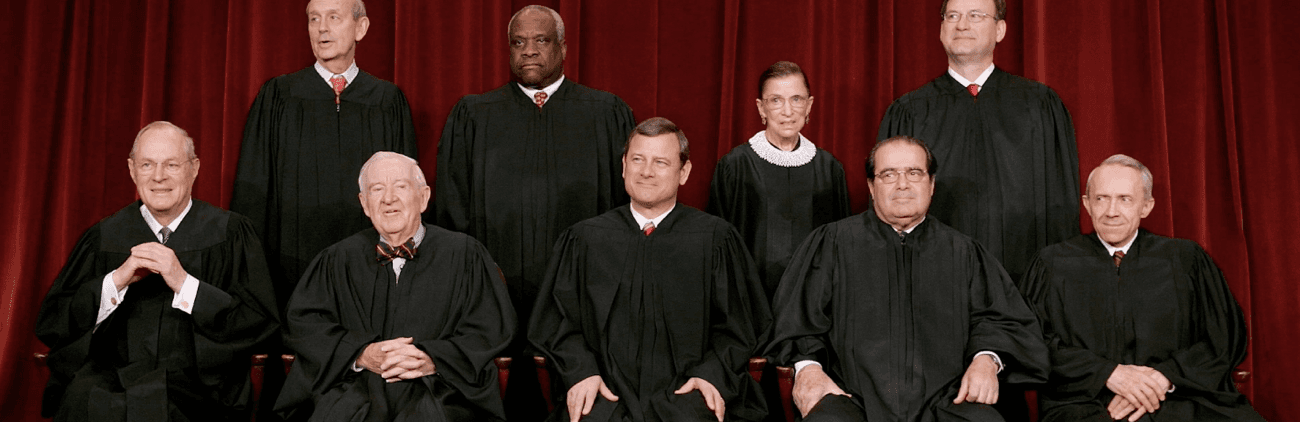
紀錄片中提及 RBG 參與的著名案件,1996 年的美國訴維吉尼亞州案,公立的維吉尼亞軍事學院(VMI)只招收男性學生,最終大法官多數意見認為此有違反第 14 修正案的平等保護條款。 此案 RBG 在意見書中指出:「憲法是要將權利和保護,擴及到被忽視或排斥的人身上,但是 VMI 標籤化女性的形象,評估什麼是適合大多數的女性,而不再提供機會給具備天賦和能力超出一般女性的對象。」
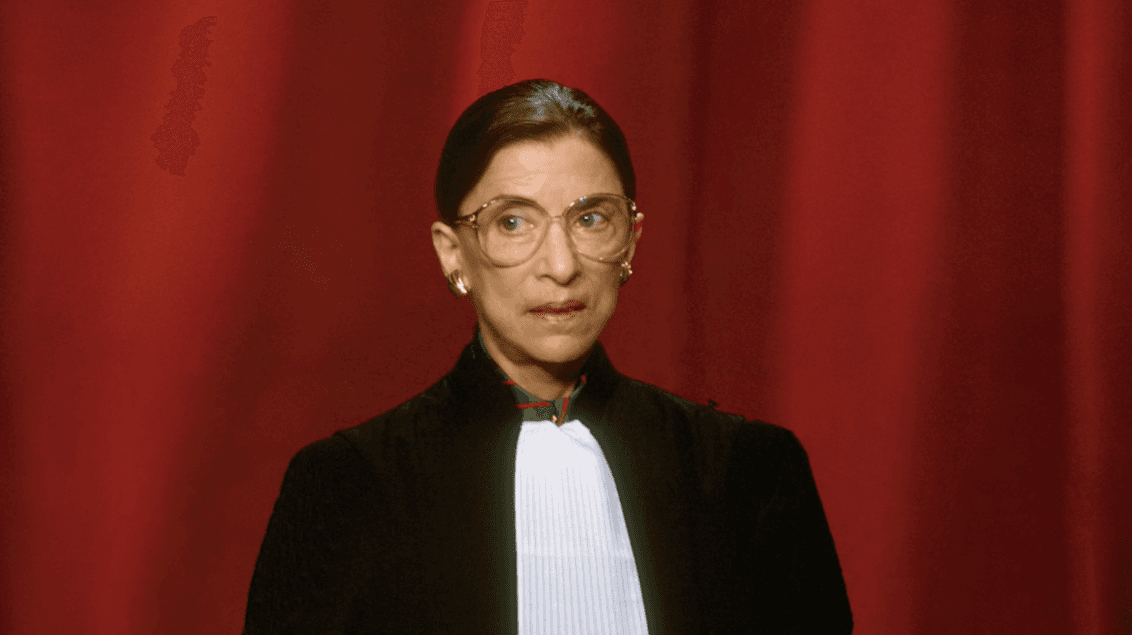
高齡84歲卻保有前衛思想,內斂且瘦弱的身軀迎戰過無數性平訴訟等各種看似矛盾實能共存的組合,使得露絲·拜德·金斯伯格受到美國年輕網友追捧,並被冠上「聲名狼藉的RBG」稱號。「聲名狼藉」意指在意識形態上與極端保守主義處於政治光譜兩端,也在激進自由派中居於保守,而成為了兩派人馬中「聲名狼籍」的人物⋯⋯
To document an extraordinary soul through the lens is to constantly wrestle with the dilemma of completeness. How can one capture the vastness of a life within the limited time of a film? It challenges the filmmaker’s depth of understanding and precision of perspective. Rather than striving for an all-encompassing portrait, it may be more powerful to focus on select moments—those glimmers that illuminate the subject’s essence. The camera becomes not only a tool to pierce through the surface, but also a means for sincere conversation with the person in front of it.
"What kind of dreams can we see in a woman?" — What if we remove "woman"? Does the answer change? I ask myself, then I wonder again — why should "woman" be removed? Are there differences or similarities between a "woman's" story and a "person's" story? If there are true distinctions, what would they be? And am I deeply drawn to it as a woman, or as a person? Perhaps the answer is irrelevant, but within irrelevant questions, the most unignorable answers often lie.
British author Virginia Woolf once said, “To be oneself is the most important thing.” In 2022, what should a woman be? There’s no longer a single answer. Womany presents five powerful stories of women—some real, some fictional—that inspire us to live the most brilliant version of ourselves in every universe. We invite Giloo’s audience to join in: be fearless, be bold, and most importantly, be your true self.
Is justice truly equal for all before the law? Like a queen’s chastity once deemed unquestionable, what happens when rigid systems confront the complexity of human nature and circumstance? Who ultimately defines fairness and justice? A wrongful conviction that dragged on for two decades, a protest movement that pitted flesh and blood against authoritarian rule, a death row inmate executed to the cheers of the public—what role did the “law” play in each of these cases? Should we rise up to question the banality of evil, or quietly submit to it? “Judiciary Class” is a name adapted from the popular Korean series Itaewon Class, drawing on the dual meaning of “classroom” and “course.” It symbolizes a shared space for audiences to learn and grow through the films and writings featured in this program—inviting thoughtful debate, diverse perspectives, and deeper exploration of legal and ethical ideas.
We each reconcile with the world in our own way, and everyone has their shining moments. But how do we become a glowing stone in the mire of life? It's about loving all the unknowns on the path ahead, just like the diverse characters inhabiting films. In different eras and settings, for a fleeting moment, similar emotions resonate, and then you realize that those beautiful or weary faces on screen can be you, and can be me. And our faces will all be gently caressed by the same breeze. It turns out, we exist for these very moments.
The Future Makers Selection 2022 is now underway. We spoke to the jury about their vision of a “Future Maker”: Is it the kind of talent the world urgently needs? A bold change-maker? Or perhaps someone like Top Gun’s Maverick—fearless, unconventional, and unapologetically themselves? Every year, we search for emerging voices across Taiwan—young individuals who are reshaping what “success” means through their actions. If you're still searching for what a future leader might look like, the jurors have recommended a few films to broaden your horizons. May these stories inspire your youthful heart—and give you the courage to step into the vast world ahead.
In 2017, Fang Si-Chi's First Love Paradise was published. Its distinct literary style immediately captivated readers, but the brutal reality and agonizing introspection presented beneath the exquisite yet sharp prose caused an even greater storm when the author, Lin Yi-Han, chose to take her own life shortly after the novel's release. To this day, this novel is constantly referenced whenever Taiwanese people discuss gender issues. For eight years, no one has forgotten Fang Si-Chi and Lin Yi-Han. However, even after the wounds have been exposed, we still hope for the possibility of repair and healing—not only for Si-Chi and Yi-Han but also for all the real pains that have been spoken and those yet to be uttered. If stories once brought dark wounds into the light, then in 2025, we hope to use the power of stories to rise powerfully from heartbreak, becoming a light for ourselves and for others.
“We are all in one fight, and our freedom is all the same freedom.” — Far From the Tree Poverty, disability, illness, gender, race, or non-normative forms of labor—at first glance, our lives and bodies may seem worlds apart. But such differences can make us forget what we share as human beings: love and desire, dignity and pain, vulnerability and the need to be seen. Let’s watch a film. No one is an island. Somewhere in the story, you’ll find the corner that connects to your own.
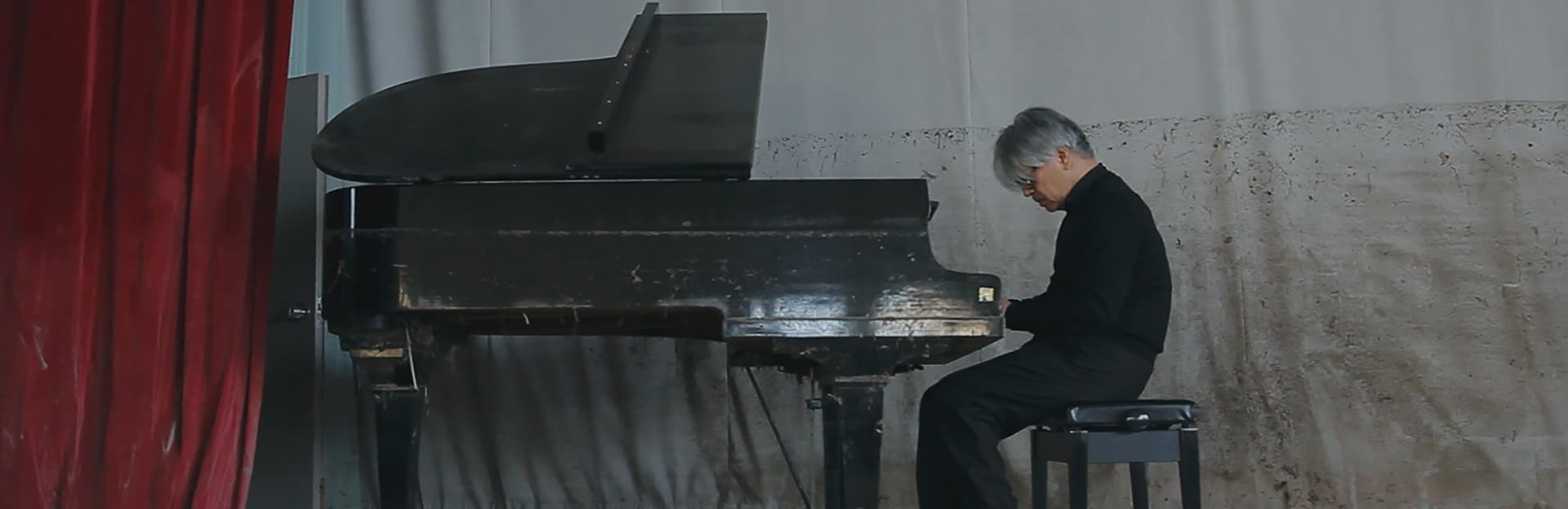
Gotham City has its Bat-Signal to summon Batman in times of need. In moments of our own despair, wouldn’t it be wonderful if we, too, could summon someone? With that feeling in mind, I’ve selected five biographical documentaries worth watching again and again. Their subjects come from vastly different walks of life—a Zen master, a dancer, a legal scholar, a writer, and a musician. Each has chosen their own path, carrying their own questions and insights into the world. We, the viewers, are profoundly fortunate. Within a span of around 120 minutes, we get a front-row seat to their moments of difficulty—watching a master retune an out-of-key instrument, or wrestle with an unsolvable problem. We become privileged passengers, momentarily drawing close to another person’s life. And perhaps, after the credits roll, we, too, feel washed clean. The next morning, we wake with a little more clarity, ready to begin again.