2017
釜山国际电影节
超廣角單元

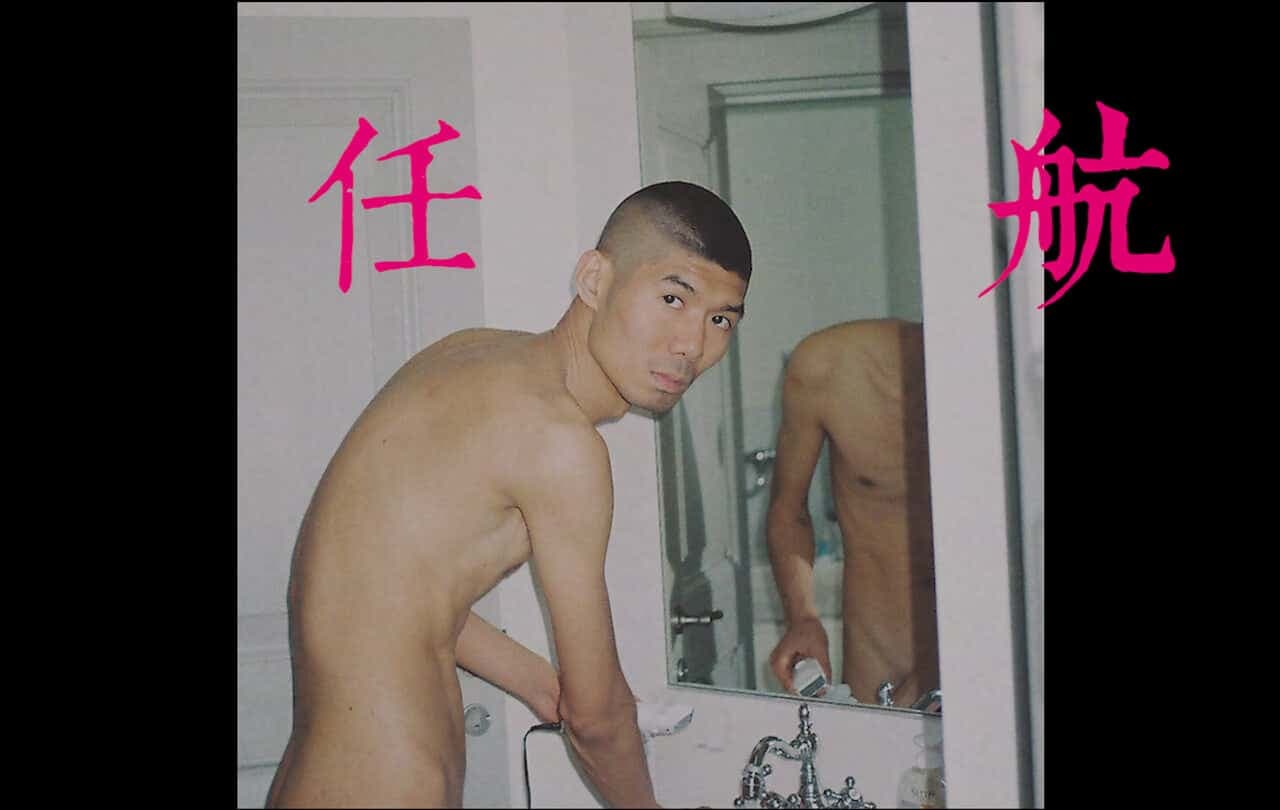

片中充滿戲劇化,多樣性的剪接,真實體現主角內心的掙扎。 憂鬱可以在旁人眼中,也許是個,小問題。 但對當事者而言,何嘗不是不可承受的重。 願逝者一切安好,來生自由自在。
2017年2月24日,詩人與藝術家任航離開這個世界。 「我拍照就是因為我高興,能讓我的生活變得快樂一點。」 這是紀錄片中的任航的直率告白,言語間透露他的純真,宛如一個大男孩。他勇於追求自己的創作,大聲捍衛,不屈服於任何規範。 「聲音突然襲來,就像那種海水湧入進來,然後我就開始不行了,就不能開始哭」任航描述著。 憂鬱是一個難以用言語敘述的狀態,導演透過戲劇化的剪接、影像比例、顏色、多畫面並置等設計,真實呈現患者內心的掙扎,讓我更接近與理解任航。 觀看紀錄片前,我是透過作品認識任航,在作品中感受到他的前衛與創意。推薦你觀看此部片,除了憂鬱狀態的呈現、勇於捍衛的他,以及私下與朋友相處燦爛的笑容、愛開玩笑的另一面。 雖然這部片沒有精彩的獲獎經歷,但它飽滿地呈現了「任航」的其中一面。希望此刻在天堂的他,自由自在。--- Dora 內容行銷部
36:48 -等到有人不再討論自由是甚麼的時候,那才是真正的自由 好衝擊,好有趣,到底甚麼才是自由呢
這部紀錄片聚焦攝影師任航的生活和創作,展現他創作過程和藝術理念,也包含他面對的心理與情感困境。他離開了,也好像不曾離開。
發現在紀錄片裡,任航講的很多話都可以對應到古典社會學家Marx, Durkheim的理論架構,他說:「社會是為了人服務的」,但往現實看有很多討論空間。看到一半想到昨天跟朋友聊的,總覺得中國的人才如果可以好好發揮該有多好,嚮往自由的人肯定比間諜的人多太多了。 「而當有一天我們都不再討論什麼是自由時,那才是迎來了真正的自由。」
《我有一個憂鬱的小問題》在影像上快速切換畫面比例、組合動靜態影像、把玩不同顏色的濾鏡, 讓任航的不同狀態間有了明確的區隔:碰撞體制時就被受困在直立的窄小畫面中;精神狀態不穩定時的幻覺則是幾乎擠壓成水平線的超寬銀幕比; 圓形畫框則宛如攝影之眼,將現實生活重新調度為符合幾何美學的藝術品。 不過在敘事結構上,本片則刻意把任航生活與創作中的不同主題打散,甚至混亂時間軸,打破線性邏輯。電影還在剪接上大量運用重複的片段,雖然有效地建立反對篇章結構的非線性敘事節奏,卻也造成這部人物傳記帶給人自我重複的冗長感,反而降低了被攝對象的立體程度。
28:24 這段朋友給任航的建議可說是全片邏輯最清晰的段落,不是指其他部分不好,因為在事事講求線性因果、結果論與理性計算的現代社會,任航那種無賴式的、死纏爛打的「為什麼不行?」質問可能才是我們需要的。但他的朋友給的建議也不無道理,正如任航覺得他心中理想的自由社會是一個無須再談論自由的社會,那麼一個裸體不再與色情劃上等號的社會應該也是一個無須再討論裸體的社會,然而為了達成這個目的、讓觀眾不再自動連結裸體與色情,背後所需的手段恐怕不會是單純的裸體演出如此簡單。
是攝影師,同時也是詩人身分的任航,曾以「愛情」為題,寫下十數首現代詩作品。以下選出三首我特別喜歡的詩作,與大家分享。 《愛情》 到了半夜 大家都喝醉了 有的在哭 有的暈睡在地板上 有的抱著垃圾桶在吐 你在陽台晾洗衣機裡 早晨就洗好了的 內褲和襪子 我坐在沙發上看著你 就像我們已經在一起 生活了很久 很久 《愛情》 我閉上眼睛 全是你的臉 我睜開眼睛 還是你的臉 我看到的 所有人的臉 都變成你的臉 我眨一眨眼睛 眼淚就掉下來 眼淚上反射出 我自己的臉 也變成你的臉 《愛情》 你站在窗前 你說 我們有那麼多的事情 沒有一起做過 我從背後抱住你 指著樓下的游泳池 和掛滿樹的閃燈 我說 現在我們一起看過了 大海和星空
任航的攝影作品,非典型且極具挑釁,將人原初的欲望與美,通過「裸體」表達地淋漓盡致。然而,在中國政府頻頻地介入、審查等,花樣百出的刁難之下,幾乎差點就扼殺了一位才華洋溢的藝術家。正如任航曾在2015年一次受訪裡說過的:「我作品中的『政治性』與中國無關。是中國政治企圖干涉我的藝術創作。」
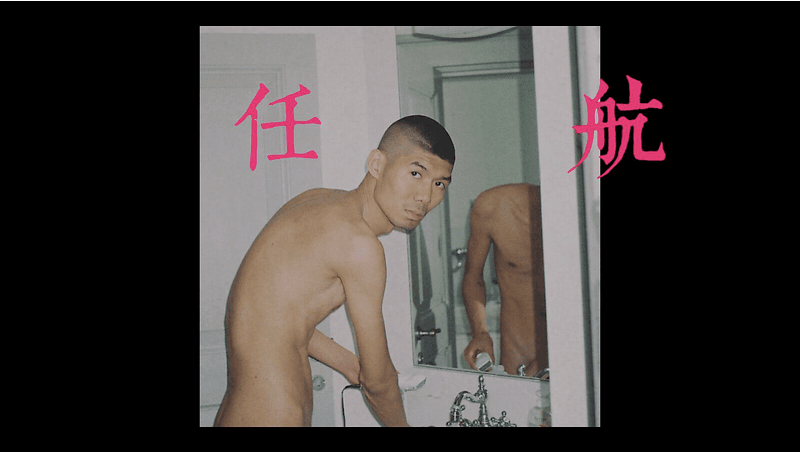
說實話,我是到了最後一刻才打開這部影片的,也才知道我還沒真的準備好去接受一個遠行的靈魂,不知道該如何同他告別。想用一篇文字折成一隻小紙鶴給他,但惶然不知該往哪裡擺放的心情,還停留在接到他死訊的那天。⋯⋯
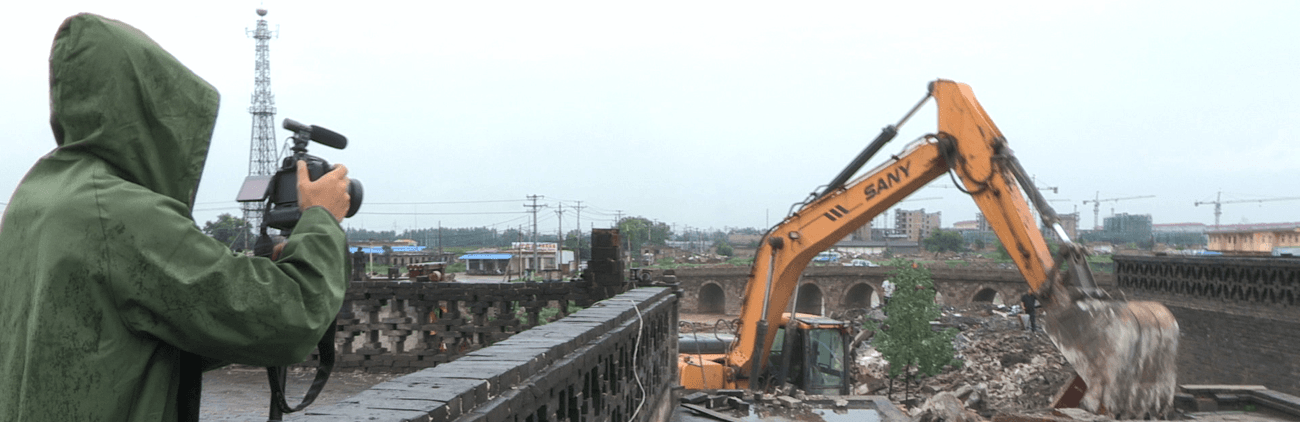
中共对自由世界的文攻武吓背后,遮掩着习近平带领强国崛起的光鲜表面之下,被冲刷得尸骨无存的真相。在这铁幕笼罩的「泱泱大国」,所有人民都只是独裁者通往春秋大梦的一级台阶。被压迫的不只有社会弱势,还有所有渴望天赋人权的自由灵魂。Giloo集锦中国独立纪录片,引领观者走进灿烂又幽暗的真实中国——在高牆组成的国界之内,请控制灵魂对自由的渴望。
“我们注视的从来不是事物本身;我们注视的永远是事物与我们之间的关系”——约翰·伯格。观看是人们理解世界的方式,透过摄影师之眼、装帧大师的手,推开影像和书本的大门,邀请所有人探头、走入,看见事物之间的连结,找寻与世界互动的方式。
「看开一点」「别想太多」「要加油唷」,这是那些受过伤的心,最不想听到的三句干话。比如史上夺得最多奥运奖牌的美国飞鱼菲尔普斯,在他心中比 23 面金牌更沉重的是什么?身处痛苦绝望却仍为世界带来欢笑的喜剧演员罗宾威廉斯,他的最后遗愿是什么?以《魂断威尼斯》走红的瑞典演员伯恩安德森,在「世界上最美的男孩」名号下他背负了什么?Giloo 全新上架 5 部探讨心理创伤的电影与纪录片,别再跟他们说「看开一点」。
酷儿们的日常生活,有哪些喜怒哀乐、梦想与烦恼?他们努力追寻自我实现的信念,又为这世界增添什麽缤纷色彩?Giloo精选以LGBTQIAPK为题材的电影、纪录片,欢迎大家在参与同志大游行的同时,也走进酷儿们的爱恋与日常。
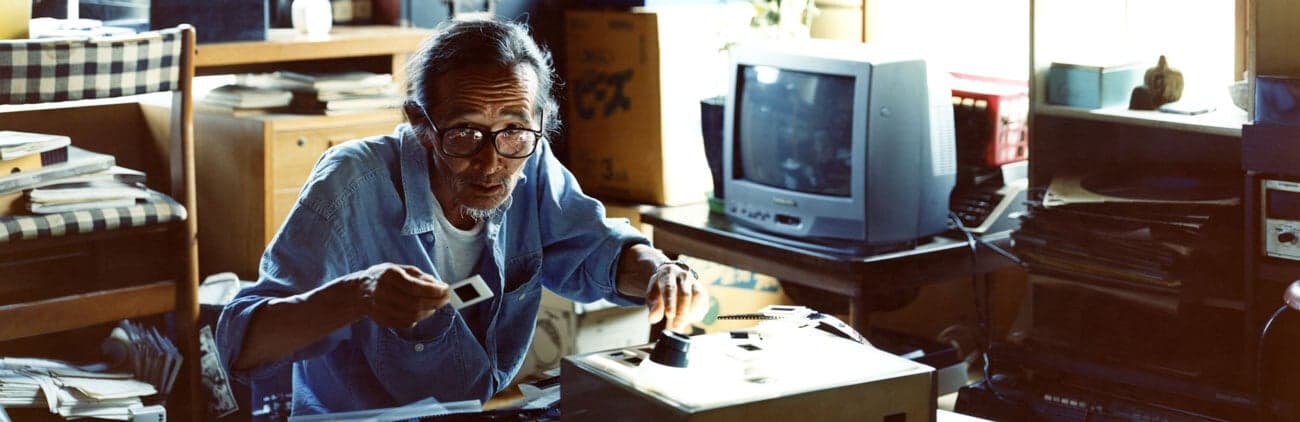
摄影决定性的瞬间凝结成永恒,也捕捉了大师身影让我们得以一窥传奇。Giloo精选「快门按下的瞬间」系列纪录片,带领观者寻访摄影大师日常,他们记录也冲撞了已逝的年代,无论是灵光乍现的片刻,还是困顿与智慧都被留在镜头下,成为灌溉作品的养分。
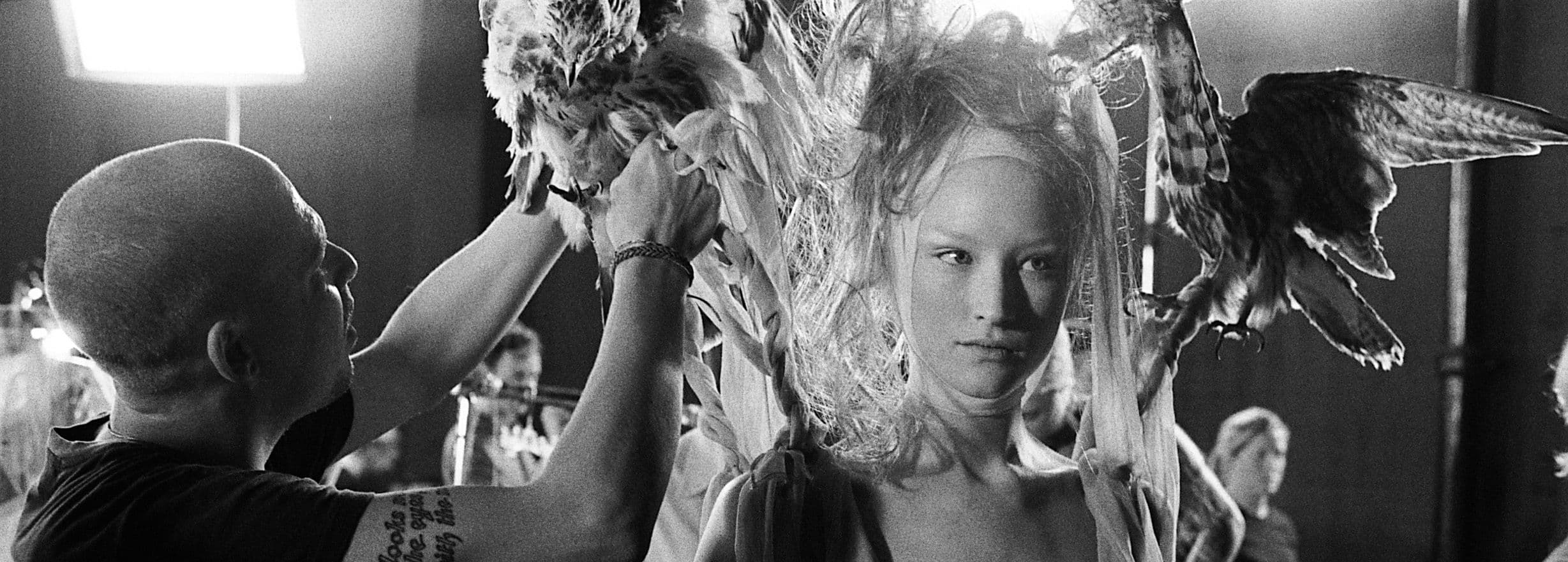
阿冈本(Giorgio Agamben)借用尼采的「不合时宜」(Unzeitgemäß)诠释了「当代」的命题,认为尼采把自己放置到一种断裂与瓦解的状态之中:「那些真正属于当代的人,是既不合时代要求也无法适应时代要求的人,正因为是通过这种断裂与时代的错误,他们比其他人更能感知与把握自身的时代。」具有超凡艺术之眼的创作者,往往亦是不合时宜者。如早逝的时尚天才亚历山大麦昆,中国摄影家任航,崇高救赎与解放的导演安德烈塔可夫斯基,特立独行的奥地利作家彼得汉克,当然还有以独裁形象反独裁的争议音乐团体新斯洛维尼亚艺术群:莱巴赫。天才与庸俗的一线之隔,看看他们如何迸放光芒与日常肉身之间的存在灵光。
“那时候我并不知道你会死/我什至在你脸上看到了希望/花叶晃着,鸟鸣唱着/阳光灿烂成平淡无奇之姿/与世界通联着”── 鲸向海《那时候我并不知道你会死》