2019
Cannes Film Festival
金眼球紀錄片獎

Directed by 帕里西歐・古茲曼
金眼球紀錄片獎

1:12:20 巴勃羅的紀錄近乎瘋狂執著,我卻完全理解,因為這是在悶黑鐵屋裡除了吶喊你唯一可以做的事情:看見微弱的火光在哪裡、異議的聲音在哪裡、喘息聲在哪裡,你就轉頭去注視去記住。
1:18:03 與「天地終無情」的崇山峻嶺並列的,除了留下來的艱險抗爭,還有流亡者的心路崎嶇,包括古茲曼,那個徒手攀登陡立峭壁的無名攀山者,未嘗不是古茲曼本人的隱喻:他要用紀錄片越過不可能的時間巨壁,甚至使之逆流,回到他念茲在茲的「智利寶貴的童年」。
36:52 巴勃羅,這個智利人常用的名字讓我想到智利最偉大的詩人巴勃羅.聶魯達,後者在皮諾切特政變後幾天去世,無從注視山河變色的漫長歲月,是不幸也是幸福,但要是他活著,只有像古茲曼那樣流亡一途。紀錄片工作者巴勃羅和詩人巴勃羅的相像之處,是他們都有巨大的韌性和幽默感,還有在關鍵時刻永遠把現實鬥爭需要放在創作的第一考量。
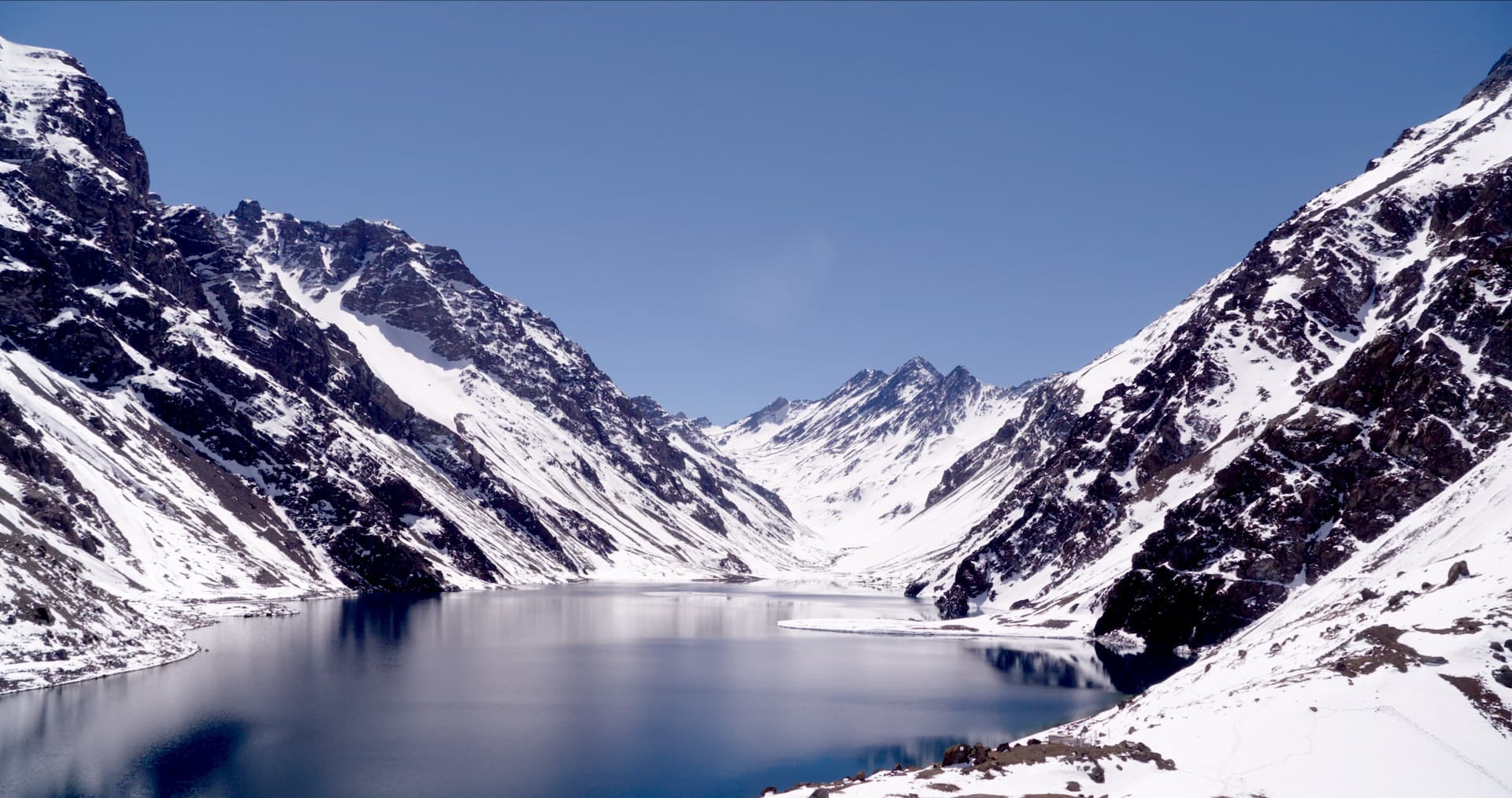
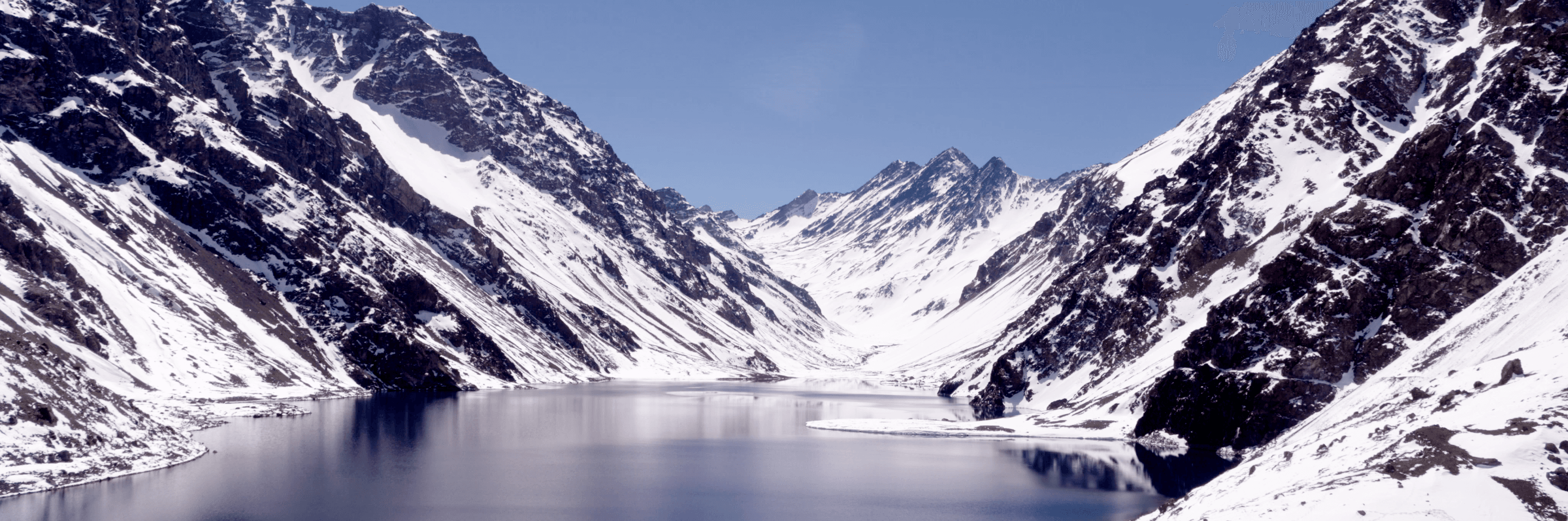
0:02 《浮山若夢》香港譯作《崇山夢魘》。和他的上一部《深海光年》相匹配,海水貌似無情,卻默默留下了皮諾切特政府虐殺反政府示威者的罪證;安第斯山脈屹然超越塵世,但也俯瞰塵世,讓那些背叛、傷害、剝削赤裸無顏。 《崇山夢魘》這個譯名,未免帶有太多感情判斷、出自香港譯者之手則完全可以理解,因為我們依然處於夢魘之中。但古茲曼是痛定思痛,《浮山若夢》,最符合電影裡綿延不絕的安第斯山積雪與藍天相搖盪的迷幻感,但和李白「浮生若夢,為歡幾何」的聯想太密切,給人虛無詩意——而偏偏,古茲曼和紀錄片都反對面對智利歷史採取虛無態度。
流亡後的古茲曼,踏上在精神上不斷返家、不斷向智利書陳鄉愁、影作不輟的創作生涯。過去那段沉痛回憶,曾以多種樣貌和形式顯影於這些回頭探討智利政治、歷史,當權與創傷的作品裡,並非和光同塵,但在自然、宇宙與人的意識之間,他仍不停尋找記憶得以被安放、痛苦得以在混沌之處保有輪廓的意義。
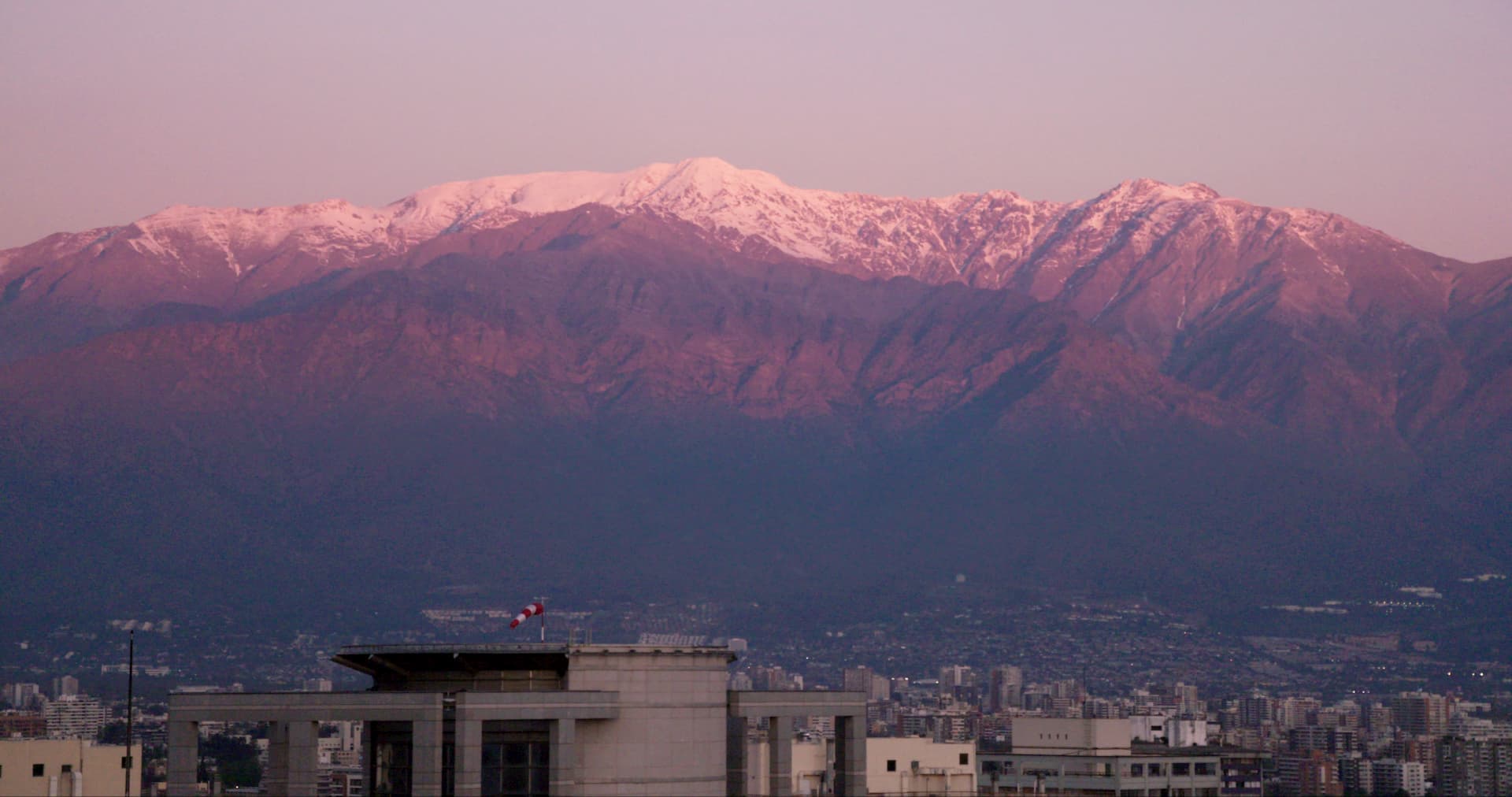
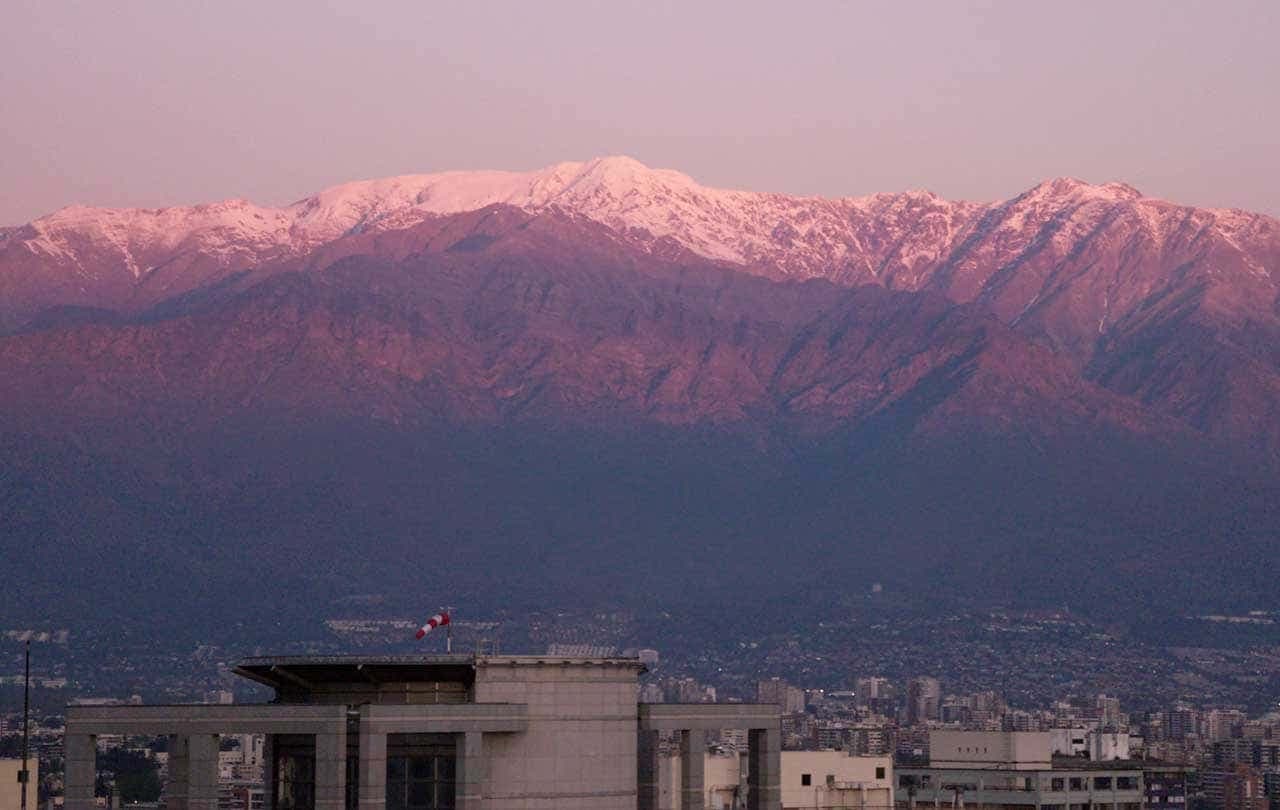
《浮山若夢》是三部曲的終曲嗎?科迪勒拉山脈(Cordillera Americana)俯瞰著聖地牙哥城,超越人類的時間。古茲曼在這部片的口白,告訴觀眾他如何離家又返家,家又如何不存。一如前兩部作品,以極大與極小的畫面剪接組成:終年積雪的五千公尺以上高山,岩石的紋理,收藏著失蹤者與鎮壓者腳步聲的地磚。山脈守護、收藏、紀錄了這個國家與城市的夢想與邪惡。
Over the past century, modern poetry has redefined the meaning of "poetic" time and again. Similarly, poetic cinema—originally pioneered by directors like Andrei Tarkovsky—has gone through countless divergences, clashes, and disruptions. Today, to label a film simply as “poetic” can feel almost reductive. Cinema’s engagement with poetry has long since moved beyond imitation; it has entered a stage where it redefines poetry itself—pointing to unexpected forms and aesthetics, even suggesting new directions for literature to break through its own limits. The five films I’ve selected reflect these expanded poetic sensibilities: Iron Moon — a raw yet tender documentary on labor rights and worker-poets in China The Cordillera of Dreams — a reflection on Chile’s shadowed history Manfei — an off-centered biographical portrait of a pioneering dancer The Man with the Camera — an experimental film on novelist Liu Na’ou Nomad: In the Footsteps of Bruce Chatwin — a return to the spirit of romanticism through Werner Herzog’s lens. These works may offer us a way to reexamine the world—not only as filmmakers or viewers, but with the vision of poets.
Since 2020, the world has become a little different. Every morning, I find myself immersed in a mountain of emails—feeling the pulse of the world, exchanging encouragement with filmmakers and distributors across continents. This has become part of my daily ritual. I’ve always believed: the small screen is not a temporary shelter for homeless films. In fact, within the modest window of online streaming, perhaps films can reveal their essence more flexibly, and even forge deeper connections with audiences. Just like in Nomad: In the Footsteps of Bruce Chatwin, where the childhood image of a beautiful thunder lizard skin hidden in a cupboard would later become a vital, recurring symbol in a writer’s life—stories can begin anywhere, with anything. This time, I’ve selected five stories: A traveling backpack, a mountain range, a photo of an armed youth, a utopian farm, and an open-plan apartment—each sparking imagination and opening new narrative journeys. May these films nourish your life with inspiration and wonder. And as for tomorrow, I will return—quietly—to my ordinary routine of sending and receiving letters once again.
“Truth” is an eternal theme in many forms of artistic creation—and in documentary filmmaking, it lingers like a ghostly shadow, both elusive and indispensable. Sometimes, it must be borrowed for its power and allure. Yet “truth” never takes on a single form. It resists capture and depiction, and most often, only reveals itself through relentless excavation. In other words, truth is dynamic—shaped by the creator’s deliberate force of expression. The deeper the dive, the clearer the image. Truth in the human world can be inspiring, but it can also be unbearable to witness. That is exactly what these five films in this special program attempt to show us.