Director

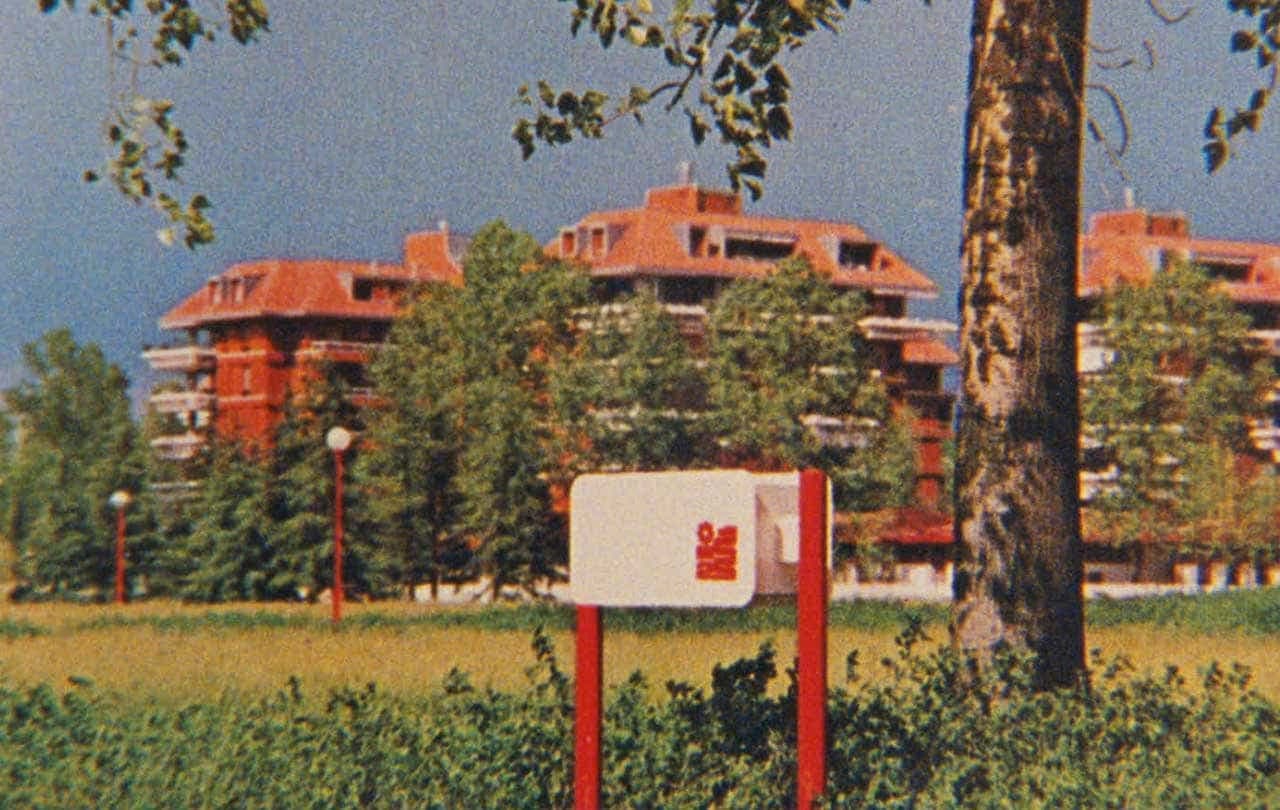
Directed by 里卡爾多・賈科尼

A sharp, compact poem often speaks louder than a lengthy speech! Giloo presents a curated collection of small but powerful documentaries—short films that, within a limited runtime, deliver layered, resonant stories. Experience the elegance of cinematic brevity, and see how precision in visual storytelling can leave a lasting impression.
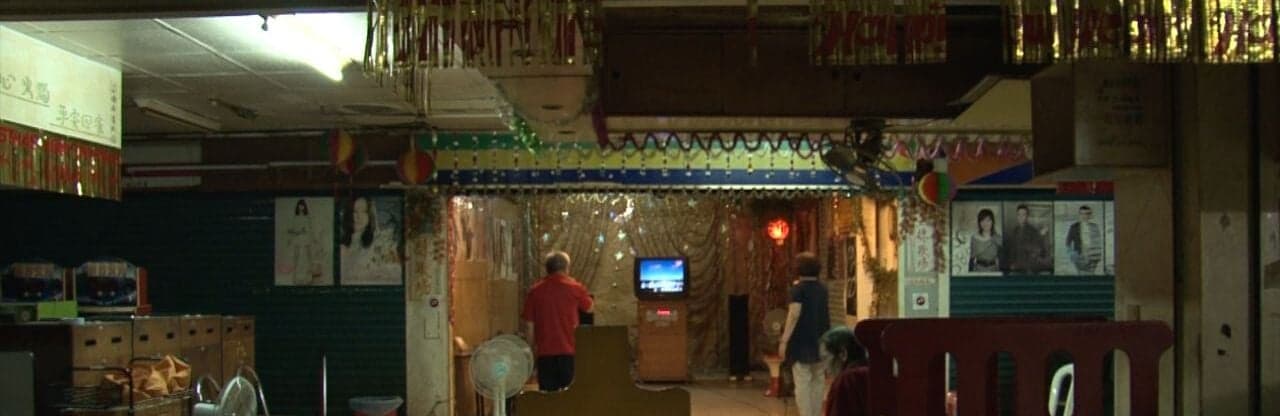
Before the pandemic, mobility was becoming not just a choice but a necessity—almost a defining feature of modern life. And yet, ironically, it was also becoming harder. You might have held romantic notions about mobility—traveling abroad, for instance. Even the quiet sorrow of Up in the Air still seemed glamorous enough to earn an envious “so lucky, you get to travel so much” at dinner parties. Frequent flyer programs became subtle indicators of social class. But let’s not forget—migrant workers are also people constantly on the move. Signing a work contract and flying into a new country or city—just like many of us—they land, and beyond the job at hand, they must figure out how to live. Food, shelter, transportation… survival isn't just about instinct, but also a reflection of how open and welcoming a city can be. You might get to choose where you live. Or not. Once the commute is sorted, what matters most could be: Where can I grab a bite? Is there a pharmacy or hospital nearby? (Yes, that reveals the writer's age.) Is there a place for a good massage? Where can I meet friends for a drink—or maybe meet someone new? Once those questions are answered, the place starts to feel liveable. Even if it’s just for three months. And love, while in transit, rarely fits into tidy boxes like monogamy shaped by economics and productivity—but that’s a story for another time.