2003
South Taiwan Film Festival
開幕片

Directed by 蔡崇隆
開幕片

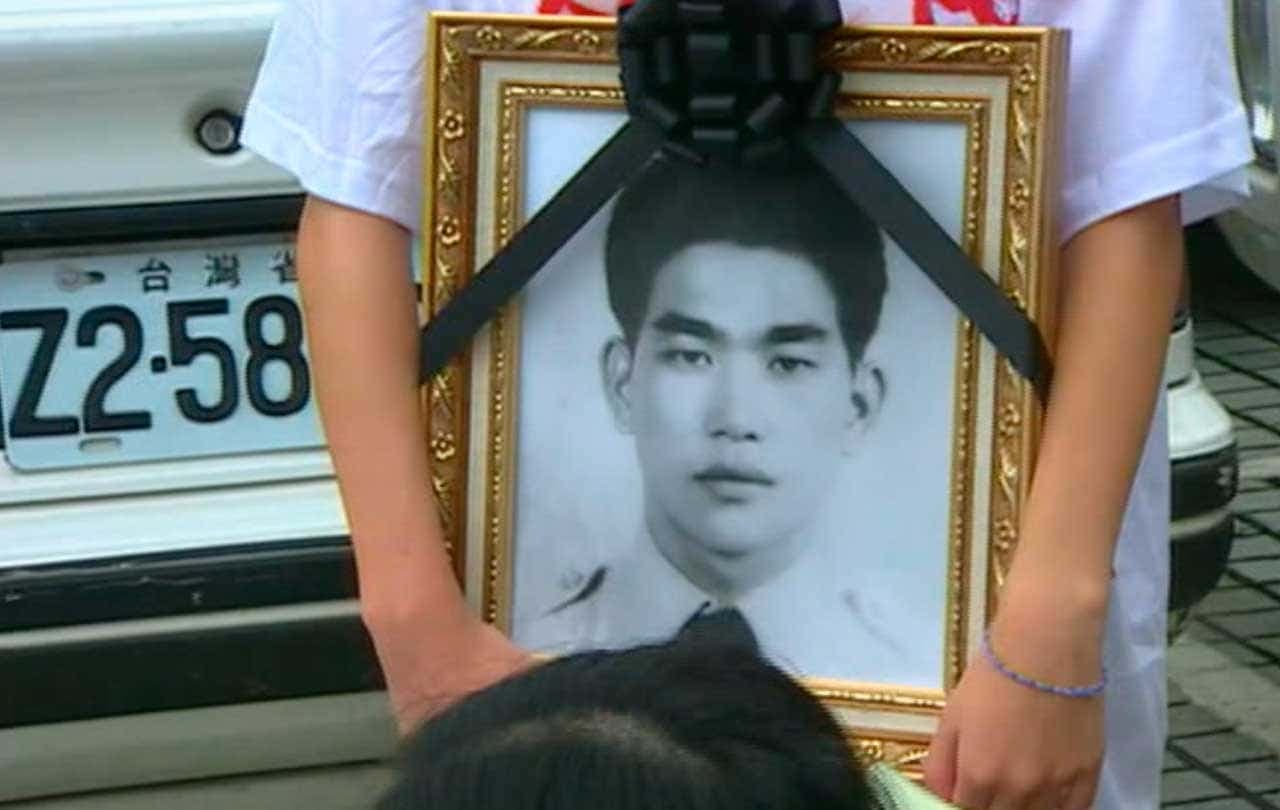
這部片是公共電視的一個系列其中之一,記錄臺灣司法史上發生過的眾多死刑冤案。這一集講述的是盧正的故事。 盧正 盧正,1969年生,遭槍決時31歲。 1997年12月18日,一名女子詹春子被不明人士擄走,其夫曾重憲接到勒贖電話後報警。 翌日,警方接獲報案,有民眾發現遭綑綁的詹春子屍體,法醫研判她是被勒斃。 1月16日,因曾重憲等人的證詞,警方要求盧正協助調查。盧正於14點左右進入台南市第五分局,三十餘小時後的隔日21點半左右,盧正認罪,由警方紀錄其口供自白。其後警方帶著盧正至案發地點模擬犯案過程,並錄影紀錄。 盧正羈押中的家書,表示自己遭到刑求,一審時盧正才主張自己被刑求而翻供,法官依據掌握的證據判斷,不採信其說法。然而偵訊時並沒有錄影錄音,且盧正進入警分局時間長達三十餘小時,這是家屬所提出的第一個爭議。 第二個爭議是模擬犯罪過程時,盧正都受到警方引導。在錄影紀錄中,幾名員警陪同盧正前往指認棄屍地點。往前走的過程,掌鏡者說了:「不是這裡。」隨後盧正放緩腳步。錄影中斷又重新開始後,盧正說:「不是這裡。」並與陪同員警掉頭往回走,一直走到警車停放處。盧正在警車附近指認了棄屍地點,模擬如何勒斃被害人時,錄影紀錄中盧正的動作同樣受到警方的引導。 盧正案的審理,三審後於2000年6月29日被依擄人勒贖罪判決死刑。同年8月10日提請再審遭到駁回,並於法務部長陳定南批准後,於9月7日晚間執行槍決。駁回再審隨即倉促槍決,這是家屬提出的第三個爭議。 紀錄片中,導演隨著盧正兩個姐姐的腳步,呈現出這三個爭議,與她們試圖為盧正平反而四處請願的過程。同時參加雜訪問當時偵辦案件的員警、法官、法醫等相關單位人員,以及被害人的丈夫曾重憲等,交織呈現出盧正案。 看完這部片,我不禁思考自己是因為導演所呈現的影像,所以盧正看起來是冤死的;抑或是盧正真的是蒙受不白之冤而死。 然而可以確定的是,盧正案的偵訊、審判過程並不正義。這也成為盧正兩位姊姊除了為他平反外,訴求希望能改善臺灣司法與審判的原因。 同時我也思考著死刑的必要性與其正義與否。因為對國民黨威權體制下利用司法迫害人民的過程有所了解,所以我一直認為不應該將殺人的權力交給國家機器。此外,既然殺害他人是不被容許的,卻夠容許國家奪人性命,豈不是很矛盾嗎?當然我也能夠同理家屬希望以死刑處理殺人犯的心情,但是看著盧正兩位姊姊大聲哭嚎著:「盧正死不瞑目。」時,我同樣能感受到她們悲切的心情。 紀錄片的最後,導演問兩位姊姊有沒有想過盧正真的犯罪的可能。二姊斷然地說他的個性不可能這樣;大姊則是稍有遲疑後從新提起盧正案的爭議,表示沒辦法接受。從導演的呈現手法,我認為他相信盧正是清白的,會問這個問題,或許也是在對自己提問。這也重新體醒了我,盧正作為一個人,有他的情感、有他的人際牽絆。如果只是用可惡、喪盡天良去理解一個殺人犯,是不是就忽略了他身為人的其他面向?然若關注他身為一個人的其他面向,又應該如何去理解、解釋他所犯的罪?這同樣讓我感受到矛盾與衝突。 或許正因為這樣的矛盾與衝突,以及人是如此複雜的存在,死刑的存廢與否才會有這麼大的爭議吧。 看更多我的文章: https://vocus.cc/user/6208eea9fd89780001545ea3
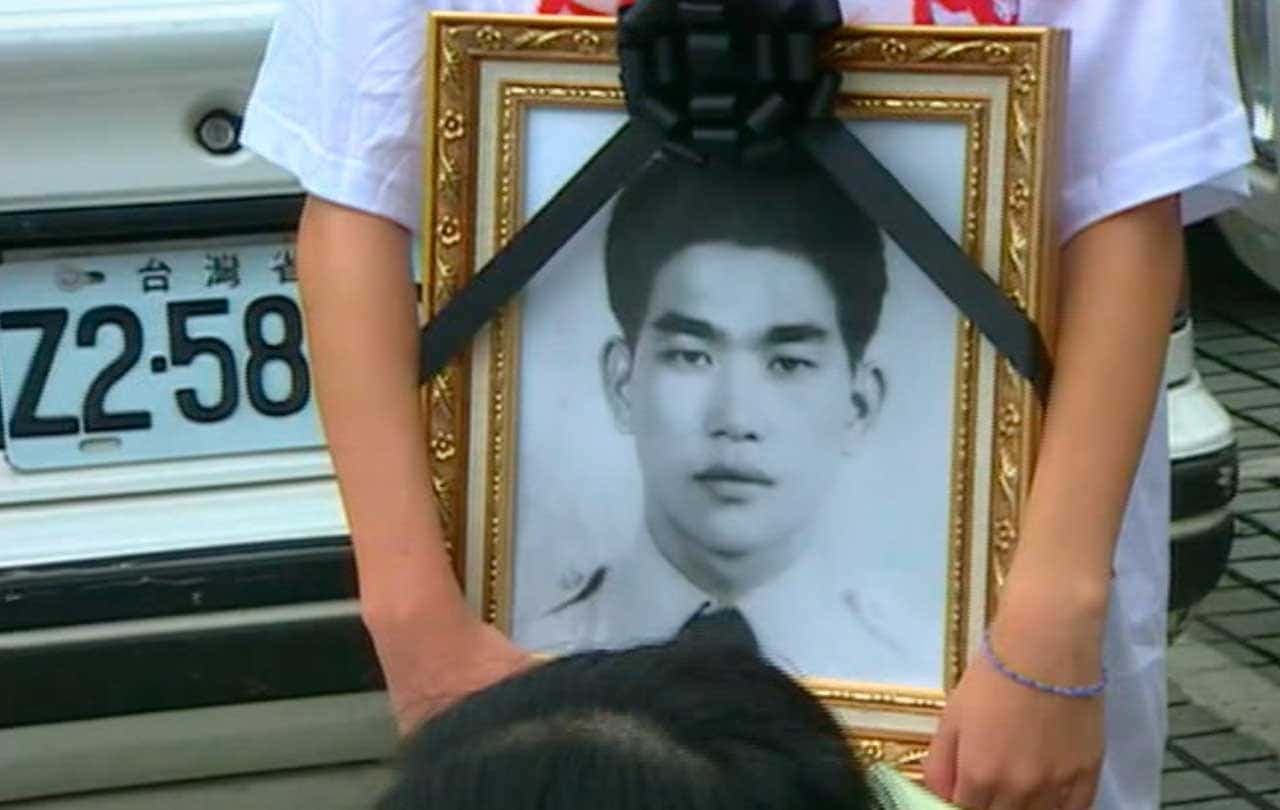
在盧正案的證據中,始終無法迴避的是關於被告自白的解讀。對於盧正案中自白取得、自白與事實是否相符這類議題已談得很多,但過往到現在我一直在意的是:我們是否仍停留在原地而沒有向前進?
Other than observation from the center, the South Taiwan Film Festival serves as reflections on social stereotypes, the perspectives of locality; of course, there are over two decades of expectation of avant-garde spirit. By a serious of recommendations of South-Award and panorama programs, along with Giloo, we feast you with the most vivid spirit of the South.
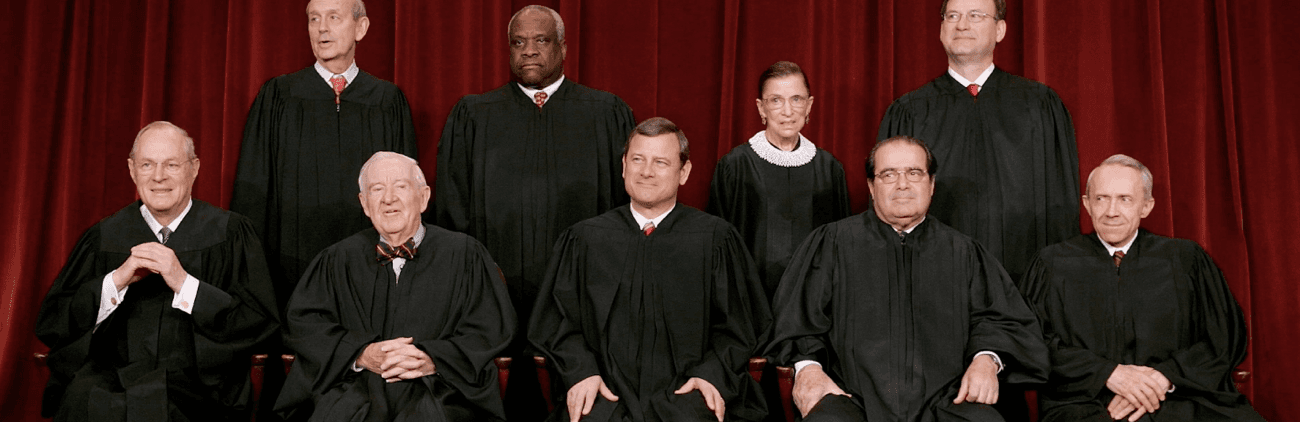
Is justice truly equal for all before the law? Like a queen’s chastity once deemed unquestionable, what happens when rigid systems confront the complexity of human nature and circumstance? Who ultimately defines fairness and justice? A wrongful conviction that dragged on for two decades, a protest movement that pitted flesh and blood against authoritarian rule, a death row inmate executed to the cheers of the public—what role did the “law” play in each of these cases? Should we rise up to question the banality of evil, or quietly submit to it? “Judiciary Class” is a name adapted from the popular Korean series Itaewon Class, drawing on the dual meaning of “classroom” and “course.” It symbolizes a shared space for audiences to learn and grow through the films and writings featured in this program—inviting thoughtful debate, diverse perspectives, and deeper exploration of legal and ethical ideas.
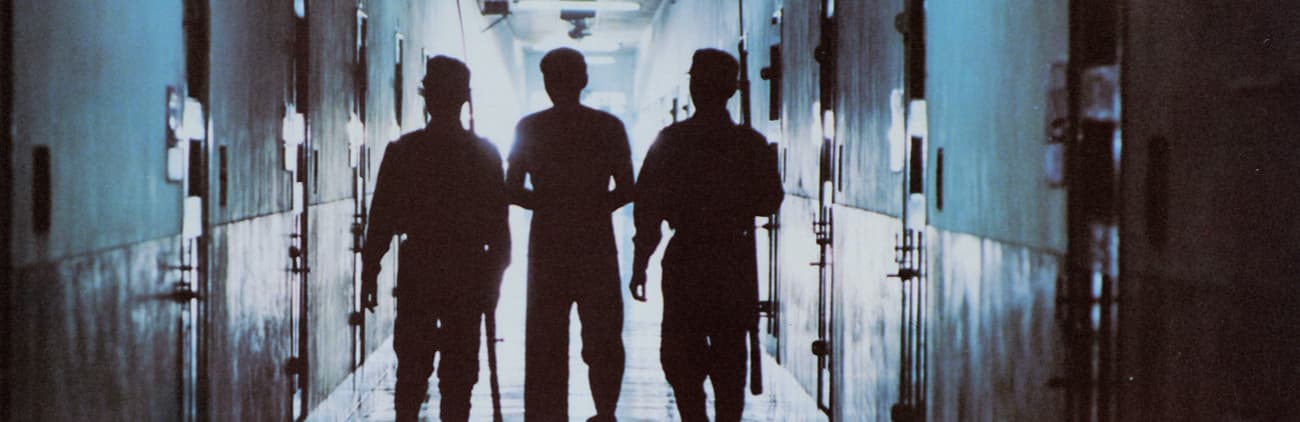
What is Taiwan? What does Taiwan hold? The answer depends on how we understand its transformations. Giloo presents a curated selection of ten documentaries tracing Taiwan’s political evolution—offering multifaceted, in-depth perspectives on the island’s past and present. Through these films, we witness the struggles and resilience of the Taiwanese people, uncover the richness of the land, confront long-standing issues, and face the challenges that continue to shape Taiwan’s identity today.
Being misunderstood leaves wounds in people's hearts; sometimes these misunderstandings are cleared, while other times they heal with time. But to be misunderstood by the state, to be wrongfully convicted by the judiciary, means not only losing freedom and time but also all the myriad possibilities of embarking on different life paths. Coinciding with the physical screenings of the 2nd Taiwan Innocence Film Festival "Never" in 2023 (December 7th-10th, Spot Huashan Cinema), Giloo and the Taiwan Innocence Project Association jointly present "Beyond Innocence Online Film Festival." Through eight selected films related to wrongful convictions, justice, and incarceration, we invite you to explore judicial errors and prison life you may have never imagined before.
A boy who survived ethnic cleansing, a sled athlete pushing the limits of the body, a protester labeled a rioter, a former firefighter painting cat graffiti on the streets of Tamsui… These individuals, each carrying their own story, leave behind glimpses of life through the camera lens — and in doing so, offer living proof of their communities' existence. Follow Giloo on a journey through lives of every kind — there's always a greater story waiting to be discovered.