Director

Directed by 陳潔瑤

紀錄片有意思的地方,就是可以第三人參與他人經歷,原住民老兵的故事也很有意思,導演寫實拍攝與側寫,確實令人覺得蠻有意涵。 說真的原住民導演拍原住民的故事確實很不一樣,在台灣這個島嶼上確實有很多故事!值得大家挖掘!
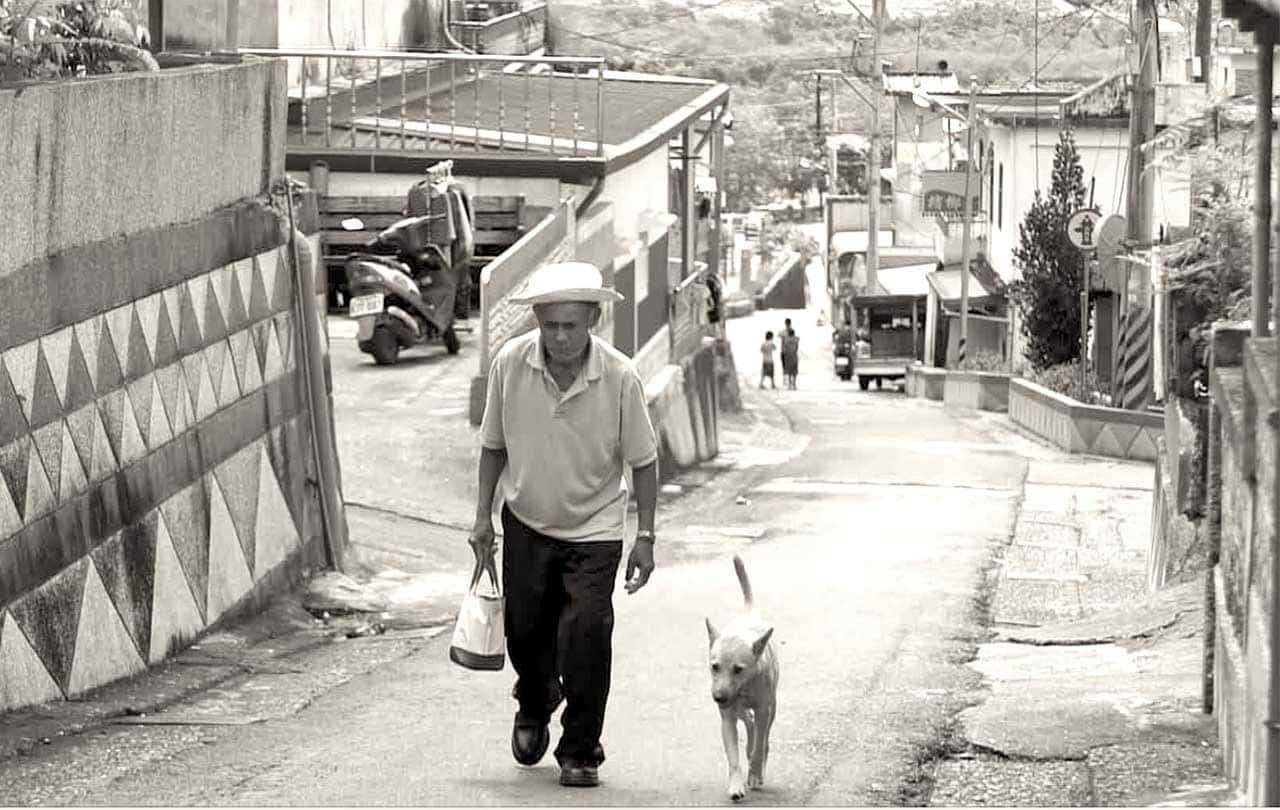
《32公里~六十年》 如其片名,陳潔瑤這部短片記錄的是「間距」:距離的移動(32公里)和時間的經過(六十年)。「時光台灣」系列片首都加上了一段導演自述片介說明拍攝動機的畫面,不過就算這段拿掉,影片一開始就清楚看到陳潔瑤的角色和其介入性,拍攝對象偉浪是《不一樣的月光》男主角之一,她視他為祖父,所以拍攝有濃厚情感基礎。08年到18年間對偉浪的紀錄真的是純粹的紀錄,陳潔瑤起初沒有要拍成紀錄短片的念頭,但拍成之後反而渾然天成。 特別喜歡她不諱言自己與被攝者的關係與身份,甚至自己錄起了VO,因為紀錄片有趣的一點之一不就是持攝影機者與被攝者在影像成像時形成的辯證關係嗎?不刻意強調抽離或客觀(當然那是一種拍法),《32公里~六十年》直接闡明拍攝人的身份,因此其觸碰議題與攝影機的移動就變得更有意思,比如記錄下其與偉浪上山的尋根之旅,對陳潔瑤來說也是一種尋根。再者,有一點真的好奇妙,就是當陳潔瑤問及地方耆老是否想回山上部落,得到的回答大都是否定的,他們都說想看故土,但身體無以負擔,路太難走,走不了了,所以尋根之旅的影像紀錄成為傳承與見證,以不同代的視角看見了他們所無法看見的。 「32公里」標誌的是移動,而「六十年」則註記變化,整部紀錄片透過偉浪的個人移動(上山)與年歲增長,反映整個民族時間性、空間性的「變遷」,包含其中插入黑白歷史畫面敘述泰雅集體遷村的歷史,以及南澳架設電報等「現代文明」帶入的時間感,這些都很自然地以個體生命經驗映照出民族歷史,自然而動人,配上音樂特別美。
睽違 22 年,曾以族語創作拿下金曲獎的布農歌手王宏恩再次發行族語創作專輯,在《一起我們 Muskun kata》這張作品中,他改編了許多布農古調詩歌,還特地前往崁頂部落拜訪長老,向他們請益古調詩歌的唱法、合聲和改編,並以同名紀錄片記下這段歷程。Giloo紀實影音邀請王宏恩在全新節目「Giloo Podcast」獻聲,與我們分享拍攝《一起我們 Muskun kata》過程中的趣事點滴,回顧出道以來的創作心路。
“Unexpected Taiwanese Cinema” takes its title from a regular column by writer Zhang Yi-xuan, published in Fa: A Journal of Film Appreciation. Issue #190 of the magazine centers on films made with archival footage, opening a conversation on archival collage cinema. A special feature titled Private Films by Women explores how the idea that “the personal is political” is practiced through documentary. In her column of the same name, Zhang Yi-xuan also reflects on the film Looking for Chiang Ching-kuo, examining its unique place in the Taiwanese cinematic landscape—how it opens up the past instead of merely returning to it, and how such an approach keeps critical thinking through images alive. Both “archives” and “documentation” point us toward the past. But unless the past is re-examined and redefined, memory cannot truly exist. This collaborative program between Fa and Giloo invites viewers to engage with Taiwanese cinema that defies expectations—films that challenge, refract, and reimagine the nation's film history through both viewing and writing. Together, we hope to uncover new cinematic possibilities waiting within Taiwan’s ever-evolving image archive.

A sharp, compact poem often speaks louder than a lengthy speech! Giloo presents a curated collection of small but powerful documentaries—short films that, within a limited runtime, deliver layered, resonant stories. Experience the elegance of cinematic brevity, and see how precision in visual storytelling can leave a lasting impression.

For most people, “home” naturally refers to the place one returns to each day—a space of comfort and rest for both body and soul. Yet for many around the world, the feeling of having a home is unimaginable. At some point in their lives, they were forced to leave—because of war, politics, or simply in pursuit of a better life—and began a journey of drifting, searching for a new sense of home. While trying to settle and take root, they continue to yearn for the ghost of a homeland left behind. Can this new home ever replace what was lost? Faced with new identities and unfamiliar neighbors, how do they perceive themselves? Have they become someone new, or are they destined to remain like rootless water plants, adrift?
This curated film list centers around the Time Travel Taiwan Series, featuring 13 Taiwanese documentary filmmakers who reinterpret officially archived footage through creative reimagining. By transforming historical images into new narratives, they breathe fresh life into decades past. Audiences are invited to step into a time tunnel — to explore Taiwan’s historical landscapes and witness the sparks ignited by cross-generational dialogue through these experimental visual works.
As a member of one of this island’s minority communities, I’ve often felt misunderstood. But I have never been afraid to tell others who I am, where I come from, or where my cultural roots lie. Beyond documentaries about Taiwan’s Indigenous peoples, I feel a deep resonance whenever I see other communities that still hold onto the vitality of their traditions—those rooted in nature-based beliefs, with distinct rhythms, music, and an honest, grounded beauty in everyday life. It is our plurality that forms a people, that shapes culture. We are different—and it is in those differences that the world finds its beauty.