2020
Hot Docs Canadian International Documentary F
觀眾票選獎

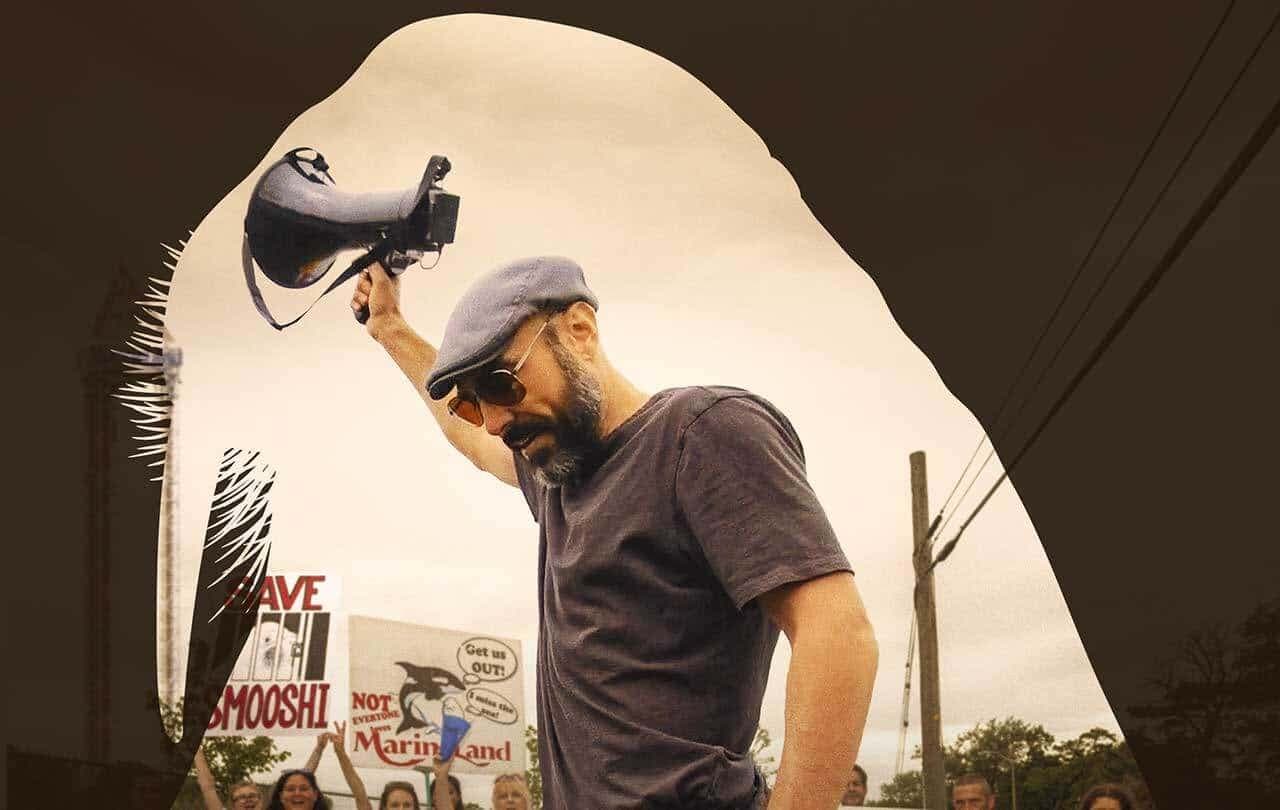
Directed by 娜塔莉・畢玻

海象海象不要哭 美國前海洋樂園訓練師爆料該公司的動物惡劣照顧問題,然後就是典型的小蝦米對抗大鯨魚的故事,吸引大眾的主題樂園因為吹哨者主角讓站在動保位置的人爆增‧ 面對企業的控訴反擊,造成很多人因為訴訟費問題只好放棄,只有主角因為某隻海象親親的感情讓他撐的超級久,不過也看到法律漏洞,企業以毀謗名義反擊,即使原老版去世後法庭戰還是繼續,只是可惜的是動保立法雖通過,但只有鯨類沒有包括海像,而且法庭抗戰期間裡面的動物還是難逃一個接一個因環境人為影響死去的命運,而這部紀錄片是兩年前,我們還期待緩慢的心改善出現的那天
你曾經想過動物也會有同理心、有情感嗎 ? 被圈養在海洋公園、動物園中的動物們,究竟是幸還是不幸? 孩子們喜歡去的動物園、海洋公園們,有可能成為動物們眼中的煉獄,只是身為人類的我們無法感同身受。 你能體會被迫離開家園,離開熟悉的生長土地,一輩子被圈養在狹小的空間當中,再也看不見心愛的家人,無法再自由自在地行使各種權利。沒有了自由,有再多的食物,又有何用? 上述這些,正是海洋公園內動物們面臨的處境。整部電影以離職海洋公園動物訓練師菲爾為主軸,敘述他從前在海洋公園與海象「親親」的生活,直到後來,他自覺到人類對待這些動物的行為並不友善,即使名義上是「寓教於樂」,讓孩童能親近動物,與自然互動學習,但是在圈養、訓練的過程中,還是存在許多不合理的地方。 菲爾和其他離職的動物訓練師一一站出來,想要與海洋樂園的創辦人抗戰到底,希望能夠透過各種行動,來讓動物們恢復自由,然而這一場仗,一打就是好幾年。 菲爾指出了幾項不人道的行為: 包括到海洋中圍捕幼獸,殺害周遭的海象媽媽,然後把小海象掠奪過來,把海象們抓到很小的木箱中,送到機場,運送至海洋樂園,這樣粗暴的手法往往只需要一個晚上的時間,就可以完成。 海洋樂園內的訓練以「讓動物挨餓」為基準,用動物對於食物的天然慾望本能來訓練他們學會動作,平常動物24小時都被關在狹小的空間中,只有表演、看醫生這些時刻才會被放出來。 因為長期被關在狹小空間,動物們容易得憂鬱症,人類就在動物的食物中(例如:魚)放一些抗憂鬱的藥物,當動物生病時,也是使用藥物在為動物進行治療。 而這些生病,常常是因為人為的空間設備不夠完善,才會導致的,也就是說動物一開始如果一直生活在原本的海洋中,並不會發生。 這部電影讓我們看見了海洋樂園歡樂底下的黑暗,一般的人都只會覺得動物們很可愛,卻無法理解他們被剝奪自由的痛苦,還有,動物不應該為了娛樂人類,而白白被犧牲。 菲爾嘗試各種方法打官司,但是海洋樂園的老闆堅持對這些跳出來聲援的人們提告,並且毀謗菲爾是想要偷走海象親親,在整個互相對質的過程中,可以試圖去看見司法的漏洞。 「這種案件有97%都會在判決前和解」,意味著,如果菲爾不夠堅持立場、不夠有決心要長期抗戰,拯救親親,那這件事情絕對草草落幕。 面對越不公的、越艱難的環境,我們可以從電影中看見,要維持正義是非常不容易的一件事情,需要有決心、有恆心,也要非常勇敢。 菲爾令人學習的地方是:他不是為了自己的權益而戰,是為了這些海洋動物們。 最後這項行動究竟有沒有成功,留給觀眾們到電影中去尋找答案。 整部電影中,導演特別刻劃了菲爾與親親之間的情感,他們似乎超越了人與動物間的限制,他們可以溝通、可以親近,而且互相依賴著, 親親總是跟在菲爾後面,而非爾即使辭職了,也依然努力為了拯救親親而付出行動。 海洋樂園、動物園、水族館,這類的場所至今仍存在於我們的生活周遭,究竟該不該設立,要寓教於樂能不能找到其他替代方案?這些議題都很值得我們去進行討論。 然而,首要的是,人類應該體認到:動物也有感情,動物跟人類應該是平等的,而人類不應該以萬物之主的態度去任意傷害這些動物們。 將心比心,才能任環境永續生存。
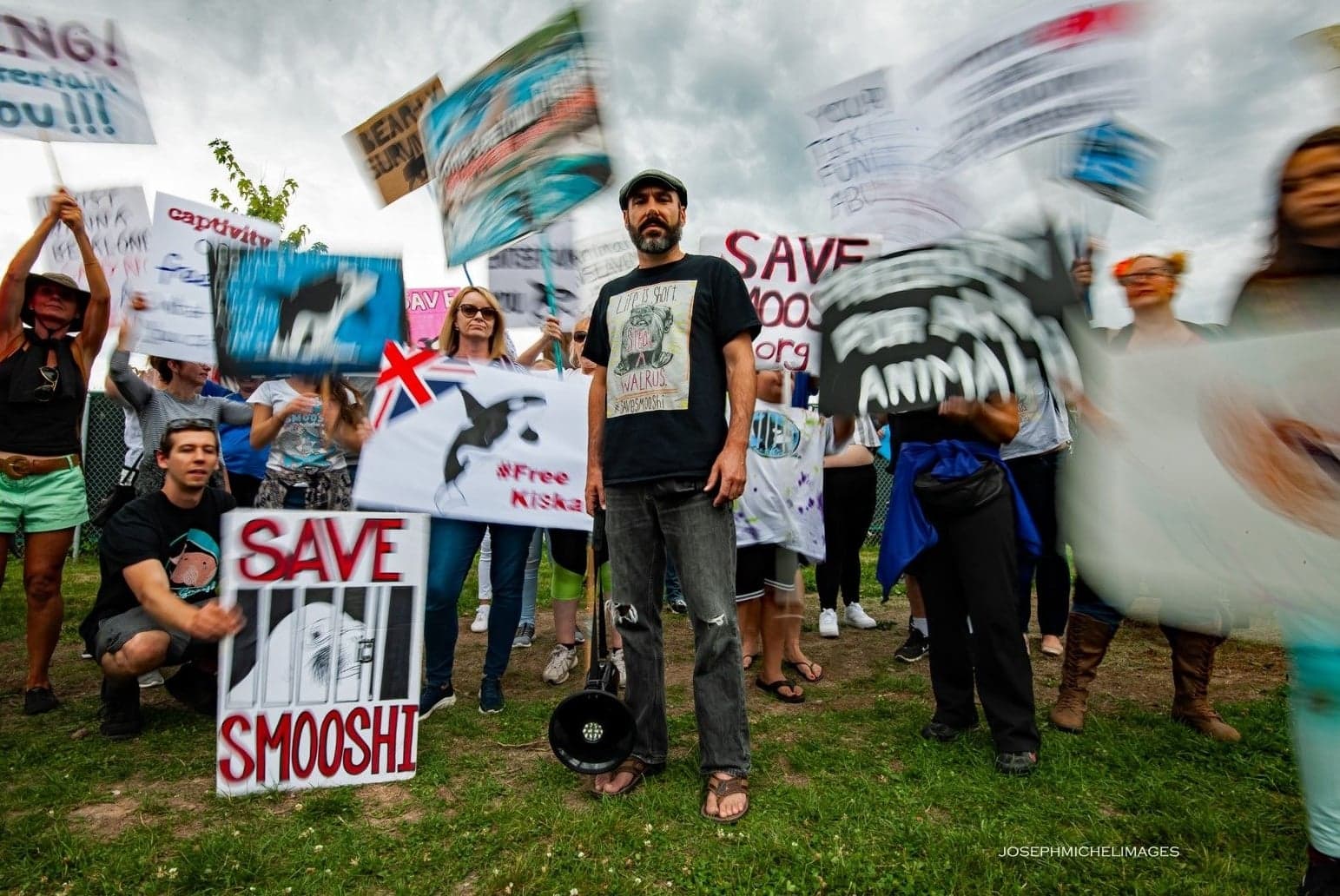
法治為人類創造秩序,令權利們列隊整齊,卻又高低不一。而那些在地球上存在的生命體們,為了什麼得加入這樣的權利隊伍中?又為了何種權衡,必須退居後位甚至不見?在人類自滿的法治思維中,這些提問造就了詭譎的一景。海象不要哭?還是,海象始終哭笑不得?
Through documentary works, we aim to lead audiences in contemplating talent sustainability and the power of visual media's influence on the environment. Our goal is to foster continuous intergenerational dialogue on sustainable resilience, building a collaborative ecosystem of shared solutions and green resources. This will accelerate international connections, facilitate the commercial implementation of solutions, and scale impact to infinite possibilities.

Is justice truly equal for all before the law? Like a queen’s chastity once deemed unquestionable, what happens when rigid systems confront the complexity of human nature and circumstance? Who ultimately defines fairness and justice? A wrongful conviction that dragged on for two decades, a protest movement that pitted flesh and blood against authoritarian rule, a death row inmate executed to the cheers of the public—what role did the “law” play in each of these cases? Should we rise up to question the banality of evil, or quietly submit to it? “Judiciary Class” is a name adapted from the popular Korean series Itaewon Class, drawing on the dual meaning of “classroom” and “course.” It symbolizes a shared space for audiences to learn and grow through the films and writings featured in this program—inviting thoughtful debate, diverse perspectives, and deeper exploration of legal and ethical ideas.
The Golden Horse Film Festival is Taiwan’s largest and most prestigious film event, with a long-standing history and growing international recognition. In 2020, the festival featured 176 outstanding films from over 50 countries and regions. From this rich lineup, Giloo has carefully selected 10 remarkable titles—ranging from auteur-driven feature films and issue-focused documentaries to experimental works that playfully reimagine cinema history. We invite you to revisit these standout selections and relive the highlights of the festival.
The pandemic has taught us that human society is not immune to dysfunction, failure, or sudden standstills. When the old order is disrupted, what philosophy of artistic action can emerge in this so-called new normal? And when human activity is put on pause, how might the rest of the world begin to move again? This year, the Taipei Arts Festival advocates for an eco-conscious, non-anthropocentric perspective, repositioning the human within a broader spectrum of non-human spaces. Through art, we return to the ocean, the land, the city, the community, and the myriad sentient beings that co-inhabit our world. These reflections invite a reimagining of coexistence and relationality between humans and the more-than-human world—probing how all beings, in this time and ecological age, possess their own agency, vitality, and voice.
"Anthropocene" is a collaborative production by the Art Gallery of Ontario, the National Gallery of Canada, and Italy's MAST Foundation in Bologna. It utilizes breathtaking images, films, and immersive experiences to convey humanity's impact on the Earth. The exhibition features works co-created by internationally renowned photographer Edward Burtynsky and acclaimed documentary filmmakers Jennifer Baichwal and Nicholas de Pencier. In addition to its exhibition in Canada, the show toured Italy, Sweden, the Netherlands, and Argentina from 2020-2023. This touring exhibition in Taiwan marks the first time that local artists Chi Po-lin, Yang Shun-fa, Lucas, and Lu Yu-jui have been included, collectively exploring the impact of the "Anthropocene" on the planet and re-examining the relationship between human-made landscapes, geological changes, and natural ecosystems.

22 Inspiring Films to Watch with Kids – A Giloo Family Collection Giloo presents a heartwarming selection of 22 knowledge-rich and emotionally uplifting films perfect for the whole family. Whether your child is full of innocent curiosity or navigating the early stages of adolescence, these films offer moments of inspiration and meaningful lessons to grow with. From a hilarious couple’s wild farming adventure that teaches the importance of sustainability and green living, to the sacred ritual of relocating the Ise Grand Shrine that reveals the harmony between humans and nature, and a touching story of a boy devoted to gymnastics and his steadfast coach that embodies the spirit of perseverance—each film opens a window to learning through storytelling. Stay safe at home and keep learning alive with your kids—education doesn’t stop when school does!