2004
Taiwan International Documentary Festival
台灣獎優選獎



1:36:05 過去在女性無家者與貧困經驗者的田野及訪談,不少人在分享故事時,都提到早年在原生家庭中遭受到的不公平對待、暴力甚至性侵,進而使她們早早便想脫離家庭、想辦法自立。 「家是避風港」「天下無不是的父母」這些話並非總是成立,信奉、死守這樣的觀念,反而使人在遭遇傷害時難以求助。 延伸推薦:《厭女: 日本的女性嫌惡》《瀕窮女子》《女性貧困》
1:13:48 歌舞伎町暗藏著多國人馬勢力。 知名異色小說家馳星周便曾以歌舞伎町為背景,寫出日台混血與日中混血兩位主角捲入中國黑幫的故事《不夜城》,後來改編成電影,由金城武主演(電影甚至出了金城武個人角色寫真集,帥到不行⋯⋯)
22:54 許多人會將酒店工作與性交易畫上等號。 但相較於性,酒店與公關主要提供的是娛樂與情慾氛圍。 客人玩樂時,公關陪著同歡(於是包廂設有伴唱機,許多公關也身懷多種遊戲技能與酒拳) 客人說話時,公關提供聆聽(這是少被人意識到的高度情緒勞動)。 也有公關會營造戀愛曖昧或類伴侶關係,填補客人的情感需求。 *深入酒店文化的人們:酒與妹仔的日常、酒宮格的世界
5:47 「希望賺到更多錢」是許多人打黑工的理由,然而願意為了錢承擔不穩定、高風險狀態的原因,卻鮮少有人關心。 台灣也有相似的狀況,被稱為「逃跑外勞」。 與阿肥不同的是,許多東南亞移工逃跑的原因是遭受到雇主剝削、欠薪甚至暴力對待,無處求助下選擇了逃離,但因仍背負著遠方家中的經濟壓力,於是繼續留在台灣打黑工。 *推薦失聯移工主題的紀錄片:再見親愛陌生人、逃跑的人
1:11 【蓋起歌舞伎町的是台灣人?!】 二戰時新宿遭受空襲,被夷為平地。 在日台灣人們看見可能性,陸續在周圍黑市做起生意、重建過去興盛的歌舞俱樂部、劇場、電影院。歌舞伎町因而於戰後崛起,成為東京的不夜城。 延伸推薦:《台灣人的歌舞伎町》
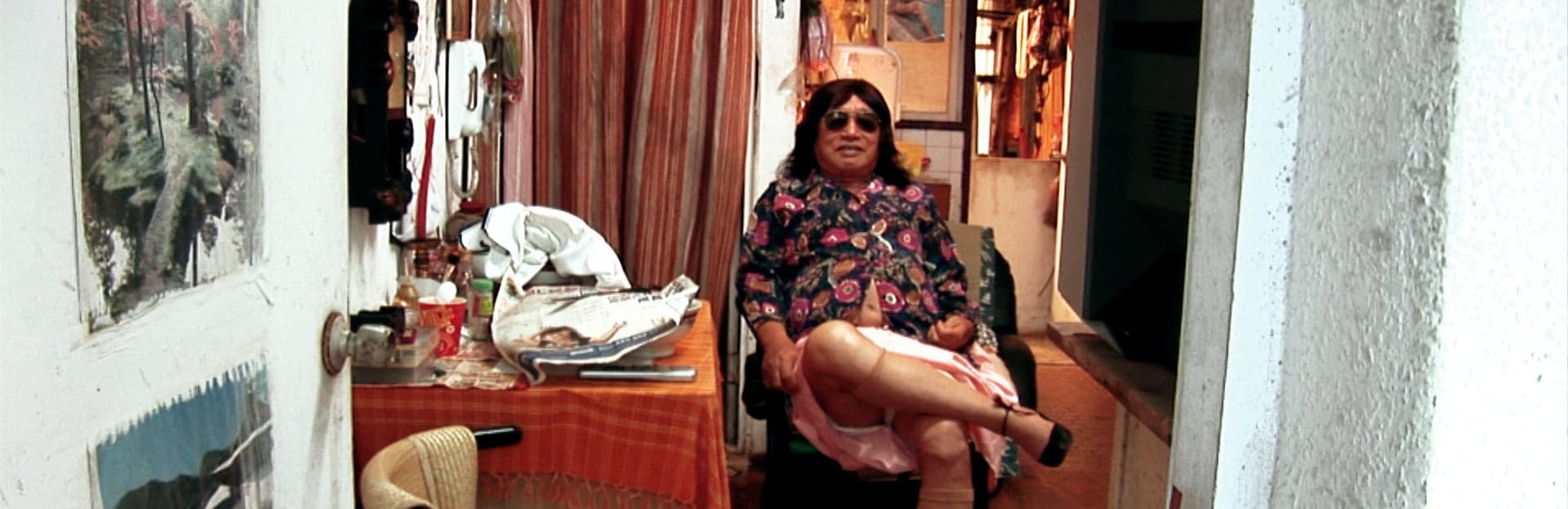
一部20年前的紀錄片,記錄下當時為數不少台灣人在日本東京新宿這塊是非之地,隱姓埋名於底層討生活的真實面貌。如托爾斯泰所說:「幸福的家庭都很相似,不幸家庭的苦難卻大不相同。」若非有苦衷,有誰願意離鄉背井在險中過活。透過跟隨他們孤獨背影的鏡頭,除了撇見東京這座城市平時難以窺視的一面,也啟發總是以浪漫觀光客的身分旅行於國境之外的我們,在異國與異鄉人的關係上,提供截然不同的思考與意義。
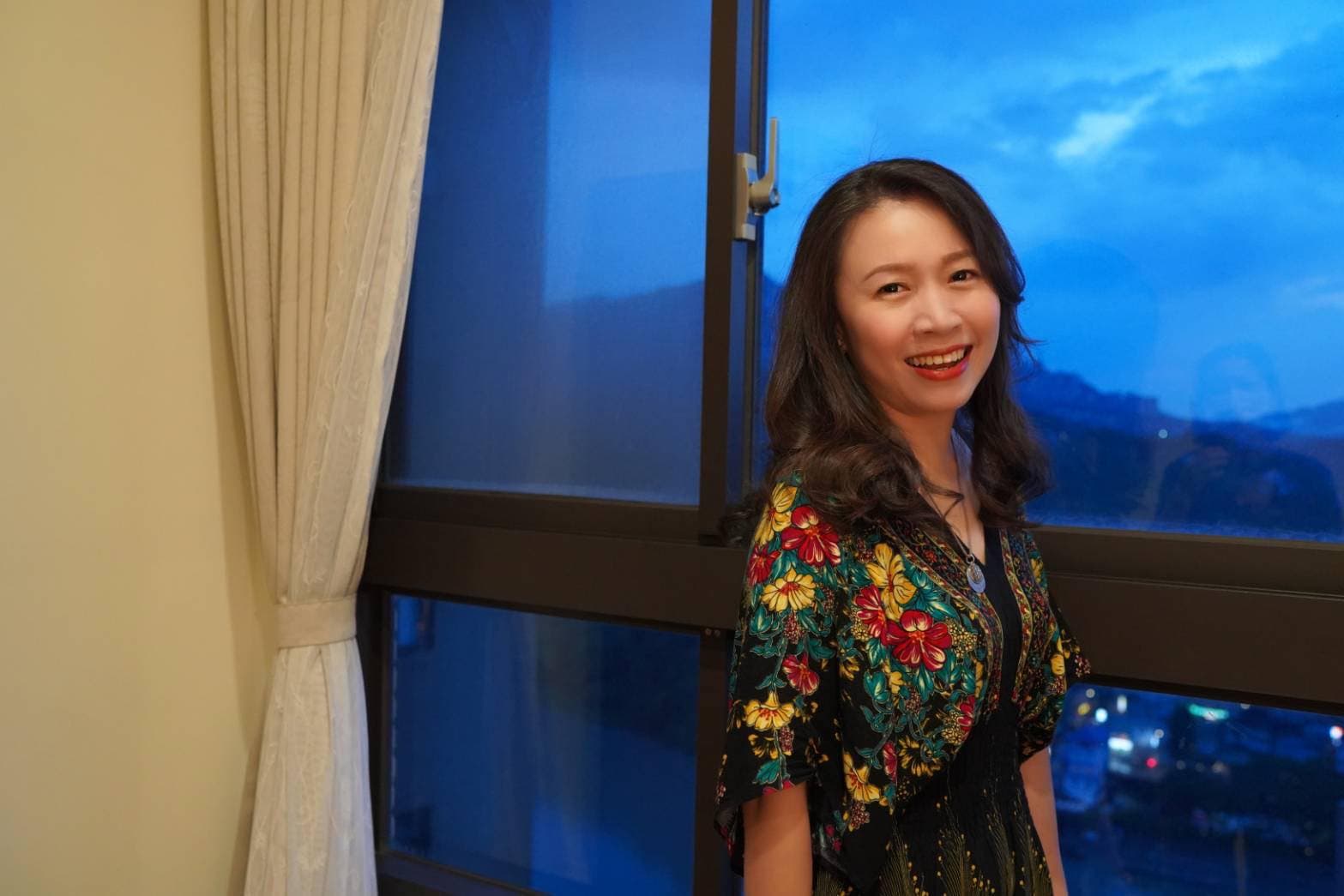
全城警戒降二級的某個下午,我們跟朱詩倩導演相約在後場音像紀錄工作室。這次的專訪企畫原先只能在線上進行,所幸警戒降級,才有機會一訪催生出《非法母親》、《愛別離苦》、《新宿駅,東口以東》、《紅盒子》等紀錄片的傳奇工作室。抵達工作室,一打開門就聽見楊力州導演爽朗地跟人通著電話,朱詩倩導演從房門後走出來迎接我們,小兒子在房裡寫著功課,而工作室的窗景,是新店的碧潭。

創下台灣樂團募資史上最高紀錄的拍謝少年,5月發行了全新台語專輯《歹勢好勢》,睽違四年發專輯的他們,只唱了一場live就碰上三級警戒,後續練團及演出只好暫時停擺。疫情下居家工作的拍謝少年,日常生活都在忙些什麼?待在家裡不能出門的日子,都會看些什麼作品?
You are not alone — ten hidden gems curated for the one with a unique taste!

Japan—a land of paradox and fascination—has long captivated travelers from afar. With deep-rooted traditions that have withstood over 150 years of rapid Westernization, Japan continues to preserve a unique national identity and way of life, while also giving rise to a distinct and globally influential pop culture. This month, Giloo Documentaries presents a curated selection of films that explore the many faces of Japan. Journey with us across mountains and oceans, through surface and depth—encountering the worlds of fashion, Takarazuka theater, love hotels, fine cuisine, robotics, and contemporary art. Modern Japan is vibrant, eclectic, and often wildly unexpected—and these films capture its raw, untamed spirit.

For most people, “home” naturally refers to the place one returns to each day—a space of comfort and rest for both body and soul. Yet for many around the world, the feeling of having a home is unimaginable. At some point in their lives, they were forced to leave—because of war, politics, or simply in pursuit of a better life—and began a journey of drifting, searching for a new sense of home. While trying to settle and take root, they continue to yearn for the ghost of a homeland left behind. Can this new home ever replace what was lost? Faced with new identities and unfamiliar neighbors, how do they perceive themselves? Have they become someone new, or are they destined to remain like rootless water plants, adrift?

Taiwanese native rock band Sorry Youth shares their exclusive and personal film picks! Lead vocalist Winnie re-watches The Chronicle of Oyster Village every six months—it captures a vivid snapshot of those formative years. County Road 184: East, which portrays The Labor Exchange Band’s passionate musical devotion to the land, is Ginger’s top choice. Drummer Chung-Han strongly recommends Lantouke: The Story of the Loh Tsui Kweh Commune, a raw and powerful look at music as a tool for social resistance—its rebellious spirit still shapes Sorry Youth’s music and mindset today. These five carefully selected documentaries are perfect for fans stuck at home during lockdown—especially indie music lovers and theater people. Let these moving images sharpen your sense of place, and offer a glimpse into the roots of the “Sorry Youth” sound.
As a kid growing up glued to the TV, I used to dream of flying to Japan just to cheer for Vivian Hsu’s group “Black Biscuits.” Japanese entertainment had an indescribable magic for me—everything on screen felt so beautiful, so funny, so captivating. Not like Taipei, which always seemed kind of gray. In my early twenties, I decided to leave Taipei and chase my dreams in Japan. In the blink of an eye, 14 years passed in Tokyo—and I grew up. I finally realized that what I once saw on television perhaps only ever existed on television. Living in Japan is a whole other story—more often than not, it’s been about gritting my teeth and “eating bitterness” until I was full. Just last week, I happened to hear Ambassador Frank Hsieh on the radio here. He chose to introduce Taiwan with two songs: You Must Fight to Win and Twilight Hometown. Hearing those songs on Japanese radio, I felt unexpectedly emotional. “The hometown of twilight keeps calling me, calling me...” People say that traveling is a way to find the road home— I think now, I finally understand what that means.
The Women Make Waves International Film Festival in Taiwan is Asia’s first issue-based film festival focusing on women. Since its founding 29 years ago, it has been dedicated not only to promoting women's work in cinema but also to introducing Taiwanese audiences to films rich in gender discourse and humanistic vision. Giloo presents a curated selection of award-winning and officially selected films from the festival — both fiction and documentary — inviting you to revisit and celebrate these powerful works.
In psychology, divergent thinking refers to the ability to approach a problem by generating multiple possible solutions, rather than narrowing in on a single answer or getting stuck in a fixed mode of inquiry. Its opposite, convergent thinking, relies on existing knowledge and traditional patterns to arrive at a conventional conclusion. I love watching documentaries—especially those that explore issues far removed from everyday life. A good documentary, like a good book, condenses an enormous amount of insight into the span of a film. Through a director’s lens and structure, you come to know a person, a group, or an event, and gain valuable nourishment in the process. It’s an incredibly efficient form of learning. Thanks to the nature of the internet, learning today is no longer linear. It’s multidirectional, multidimensional—a practice of divergent thinking. As a well-known writer once said:"The test of a first-rate intelligence is the ability to hold two opposing ideas in mind at the same time and still retain the ability to function." In a time where eclectic knowledge and self-learning have become the norm, a thirst for understanding and a passion for living mean we’re no longer limited to holding just two ideas —we hold many.
I'm fascinated with "borders"—be they religious, ethnic, or national. Wherever there's a border, there's desire and there are stories. The purpose of a border is to prohibit passage, and yet, like a magical force, it draws people such as "On the Border" or Mexican refugees to seek out rumored, unknown territories. Whether one leaves actively or passively—due to livelihood, adoption, or war—once you step out of your homeland, returning becomes an even longer story.