Director

Directed by 楊力州
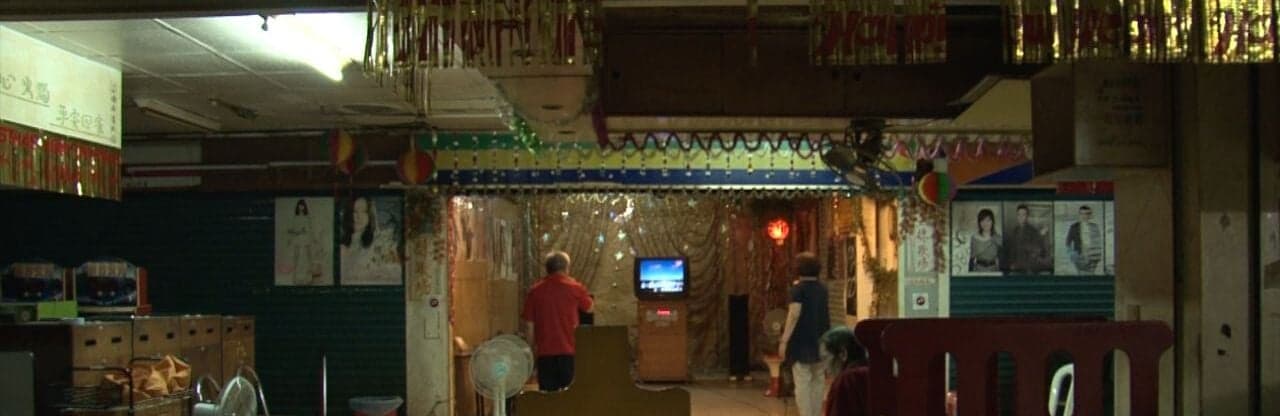
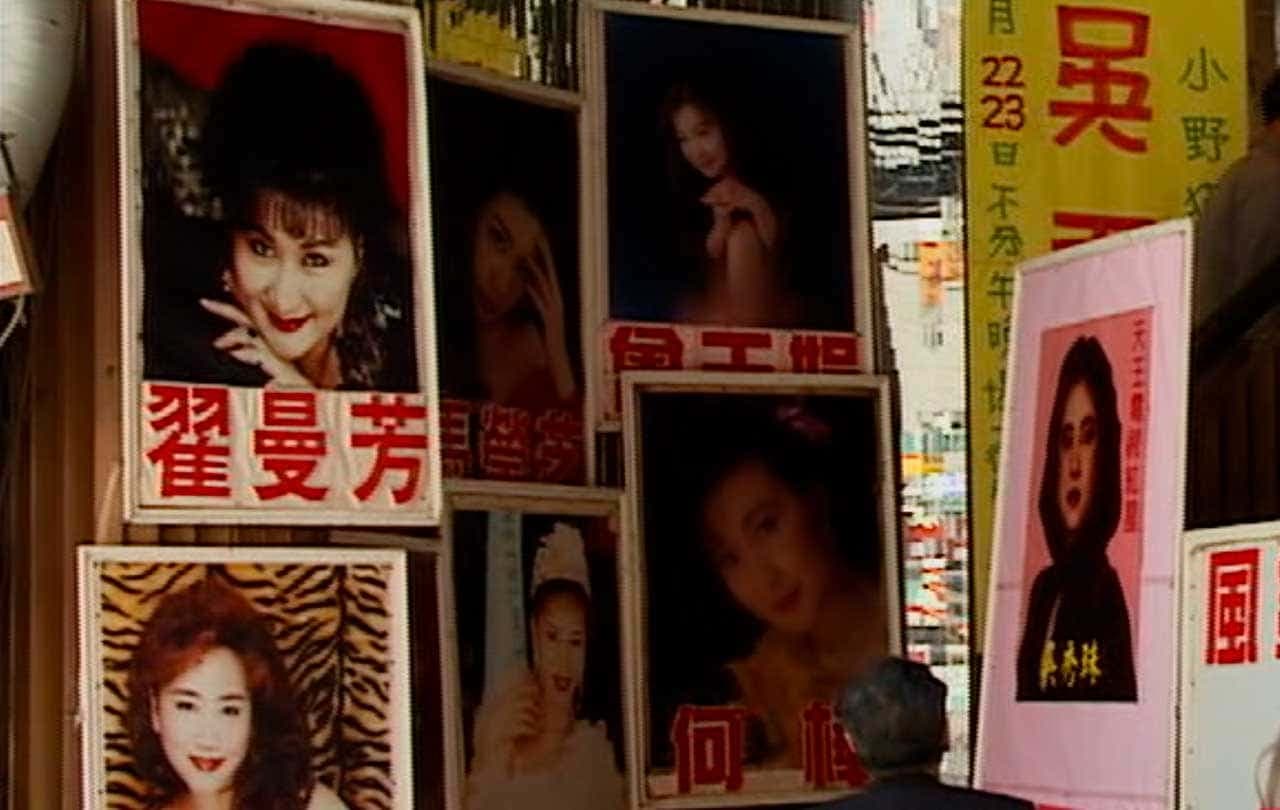
Before the pandemic, mobility was becoming not just a choice but a necessity—almost a defining feature of modern life. And yet, ironically, it was also becoming harder. You might have held romantic notions about mobility—traveling abroad, for instance. Even the quiet sorrow of Up in the Air still seemed glamorous enough to earn an envious “so lucky, you get to travel so much” at dinner parties. Frequent flyer programs became subtle indicators of social class. But let’s not forget—migrant workers are also people constantly on the move. Signing a work contract and flying into a new country or city—just like many of us—they land, and beyond the job at hand, they must figure out how to live. Food, shelter, transportation… survival isn't just about instinct, but also a reflection of how open and welcoming a city can be. You might get to choose where you live. Or not. Once the commute is sorted, what matters most could be: Where can I grab a bite? Is there a pharmacy or hospital nearby? (Yes, that reveals the writer's age.) Is there a place for a good massage? Where can I meet friends for a drink—or maybe meet someone new? Once those questions are answered, the place starts to feel liveable. Even if it’s just for three months. And love, while in transit, rarely fits into tidy boxes like monogamy shaped by economics and productivity—but that’s a story for another time.
This curated film list centers around the Time Travel Taiwan Series, featuring 13 Taiwanese documentary filmmakers who reinterpret officially archived footage through creative reimagining. By transforming historical images into new narratives, they breathe fresh life into decades past. Audiences are invited to step into a time tunnel — to explore Taiwan’s historical landscapes and witness the sparks ignited by cross-generational dialogue through these experimental visual works.