2004
Taiwan International Documentary Festival
台灣獎提名

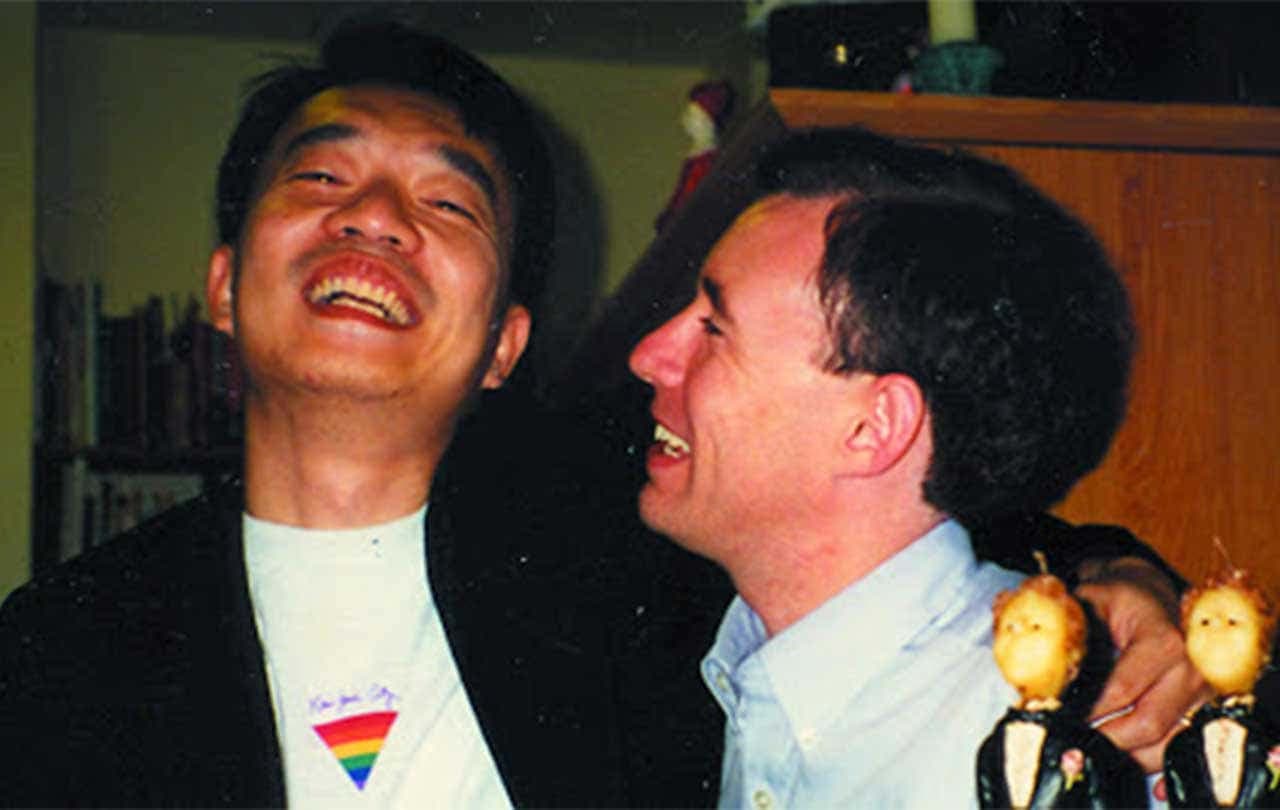
Directed by 陳俊志

2019年台灣正式三讀通過同性婚姻法案,但其實早在2001年就已經提出過草案,本片就是陳俊志導演在當時的環境下,記錄了一對男同志以及一對女同志婚姻的故事。 除了時代氛圍可以看到像是《日常對話》一般的2000年代的餐桌,或是像是《美國女孩》一樣的「復古」餐廳,也在女同志伴侶漢納及湯姆身上看到當時即便是女同志仍然掉落於異性戀一夫一妻、ㄧ男ㄧ女的性別角色框架之中的問題,但本片同時也在這對伴侶身上看到,無關性別都可能遇到的關係裂痕及家庭問題。 作為陳俊志導演的同志三部曲之二,雖然就當今的角度來看剪接使用了大量的溶接及黑幕稍嫌影響觀影,然而用50分鐘濃縮了六年的時光,到今天更成為當時代重要的里程碑紀錄。
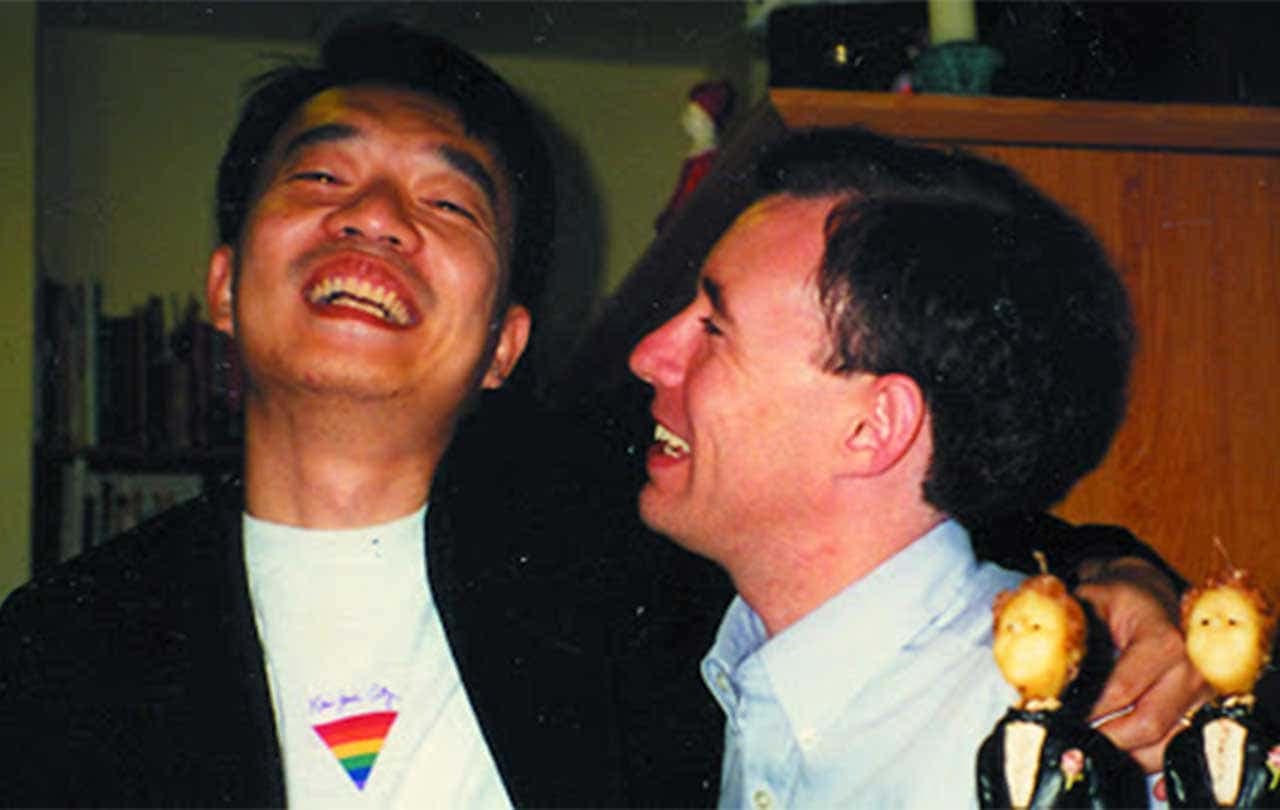
立法院在2019年5月17日三讀通過《司法院釋字第748號解釋施行法》,從此,同性可以登記結婚。幸福雖然不再需要坎坷地匍匐前進,但踏入婚姻結構後,轉眼而來的就是跨國伴侶適法性、收養與生育法規配套等議題,仍然考驗著所有已婚、未婚的同性伴侶們。
What joys, struggles, dreams, and doubts shape the everyday lives of queer individuals? As they strive toward self-realization, what vibrant colors do they bring to the world? To celebrate the spirit of Pride, Giloo presents a curated selection of films and documentaries centered on LGBTQIAPK experiences. While you take to the streets for the Pride Parade, we also invite you to step into the love, lives, and stories of queer communities—on screen.
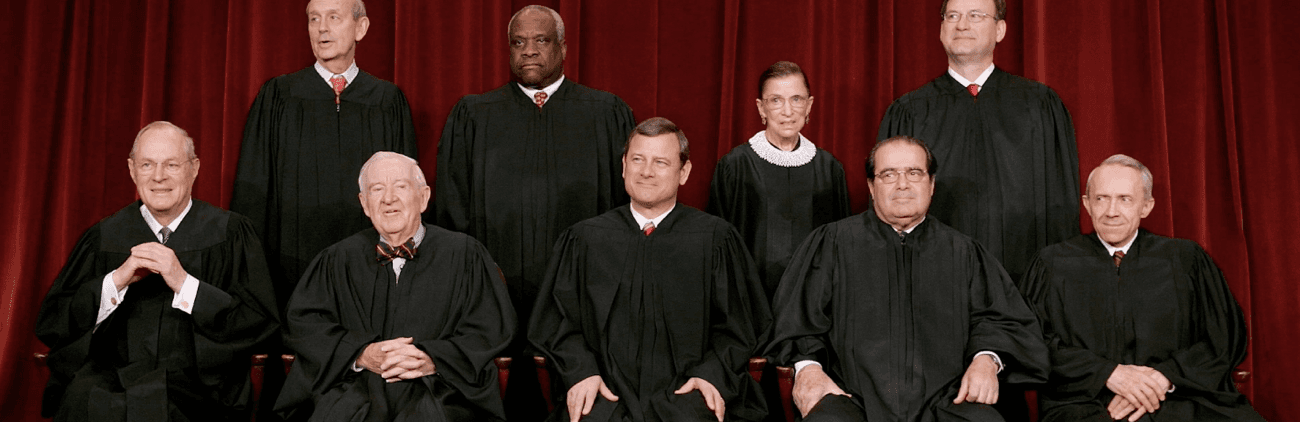
Is justice truly equal for all before the law? Like a queen’s chastity once deemed unquestionable, what happens when rigid systems confront the complexity of human nature and circumstance? Who ultimately defines fairness and justice? A wrongful conviction that dragged on for two decades, a protest movement that pitted flesh and blood against authoritarian rule, a death row inmate executed to the cheers of the public—what role did the “law” play in each of these cases? Should we rise up to question the banality of evil, or quietly submit to it? “Judiciary Class” is a name adapted from the popular Korean series Itaewon Class, drawing on the dual meaning of “classroom” and “course.” It symbolizes a shared space for audiences to learn and grow through the films and writings featured in this program—inviting thoughtful debate, diverse perspectives, and deeper exploration of legal and ethical ideas.
This year’s Queer Film Festival poses a timely question to society: Boundless, limitless, borderless—can gender, and the existence or absence of it, become a plural possibility? Under the theme of “Endless Love” and “Infinite Love,” the festival explores diverse expressions of love and sexuality through cinema. Whether grounded in reality or born in the virtual, gender will be redefined and renegotiated. Through the performance and context of gender, the body becomes a vessel of both flesh and spirit. Humanity expresses its desires, orientations, and identities—blending, shifting, and converging into the infinite (∞): the limitless, the boundless, the ever-expanding potential of plurality. These shifting terrains of the body, desire, gender, and the fluid interplay of yin and yang give rise to a multitude of gendered possibilities. In this reimagined world, love, sexuality, and human connection are no longer subjects of discrimination, distortion, or stigma. Instead, we envision a new and beautiful future of infinite love—one that celebrates what it means to be fully, freely human.

A lifelong companion—or a declared enemy? Love is the most difficult relationship, yet it yields the sweetest fruit. In the face of love, do you reveal your truest self—or something more false? What do you choose to share with your lover? Are you walking hand in hand toward paradise—or toward the beginning of sorrow?
In 2021, two years after the legalization of same-sex marriage in Taiwan, nearly 6,000 same-sex couples have tied the knot. That same year, Japan saw a historic breakthrough when the Sapporo District Court ruled that banning same-sex marriage was unconstitutional—the first such ruling in the country’s history. Today’s East Asia may appear to be making epoch-defining progress, but every step forward has been paved by those who came before—people who have lived boldly and brilliantly through eras of repression, exclusion, and shame. It is through their relentless struggle that society has opened up, however slightly. From The Wedding Banquet (1993) to Until Rainbow Dawn (2019), what has Taiwan and Japan gone through over the past 26 years in terms of gender and societal shifts? And as children of these histories, how much of ourselves do we see reflected on screen?
On March 18, 2014, the Sunflower Movement’s occupation of Taiwan’s legislature sent ripples across society. But what happened afterward? Our Youth in Taiwan offers an intimate look back at that pivotal moment. In June 2019, discussions around media monopoly resurfaced—This Is Not a Movie may help deepen your understanding of the power and influence of media today. Later that year, the acclaimed series The World Between Us sparked widespread reflection on social issues. To continue that dialogue, Me and My Condemned Son offers a powerful perspective on capital punishment. In May 2019, Taiwan became the first place in Asia to legalize same-sex marriage. Memorandum on Happiness revisits the story of Taiwan’s first public wedding between a gay man and a lesbian woman, revealing their family’s unique journey. And finally, Man Made introduces four transgender bodybuilders, each proudly standing on stage and sharing their deeply personal experiences of identity, strength, and pride.
A boy who survived ethnic cleansing, a sled athlete pushing the limits of the body, a protester labeled a rioter, a former firefighter painting cat graffiti on the streets of Tamsui… These individuals, each carrying their own story, leave behind glimpses of life through the camera lens — and in doing so, offer living proof of their communities' existence. Follow Giloo on a journey through lives of every kind — there's always a greater story waiting to be discovered.