2016
Taiwan International Documentary Festival
國際競賽|台灣競賽提名

Directed by 陳界仁
國際競賽|台灣競賽提名

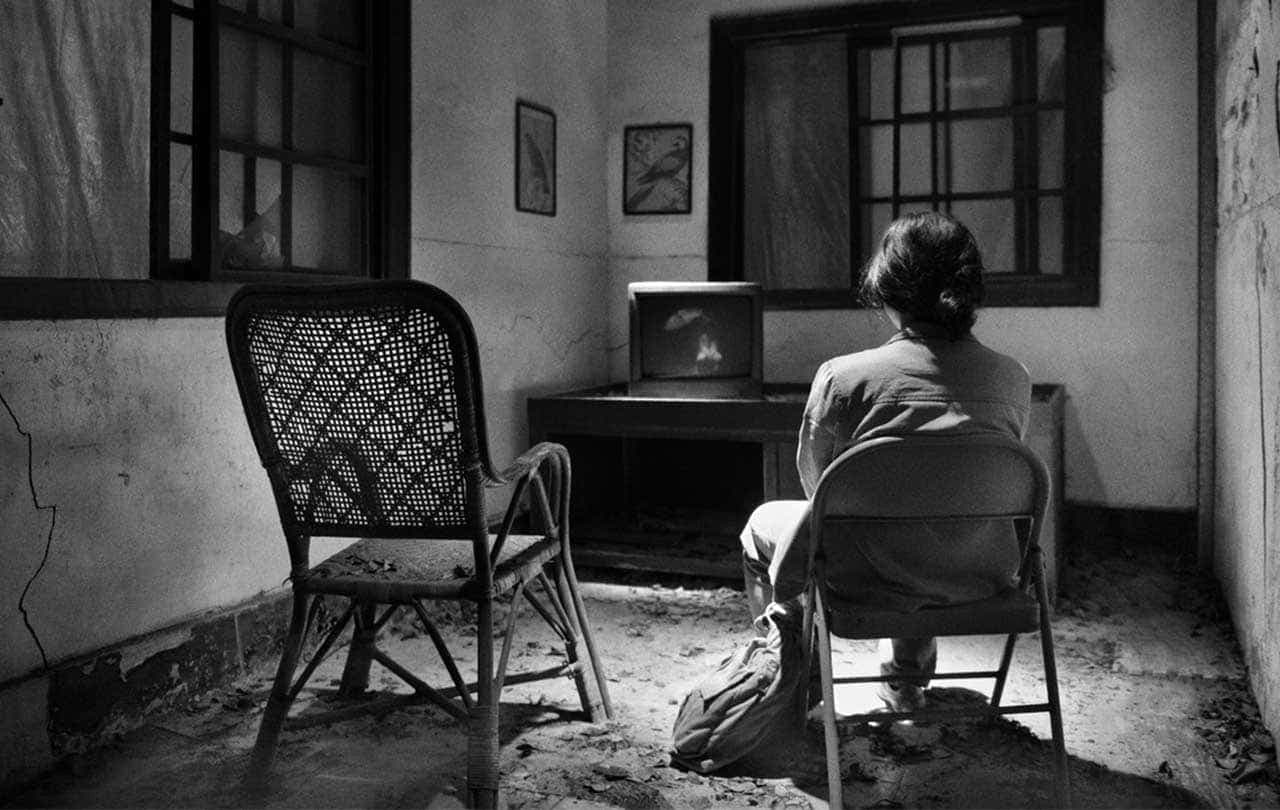
「事件之後」與「事件之外」: #社運紀錄影像(?) #版圖擴張 樂生療養院及其保留運動多年來的抗爭行動,已顯示人民終究難以跟國家發展巨獸制衡。一般上社運紀錄片總是背負著更積極、更回應當下時空及其議題的使命。如果繼續再往後退一步,我們的視野與觀照版圖隨之擴張,也會開始留意到方框以外的人事物,甚至得以與其他時空的其他事件進行一系列相互參照的「蒙太奇」。 此外,除了社會運動的命運或是集體的得失,藝術、紀錄片如何得以從中再次遁入社會事件的議題、命題,並展開「事件之後」的重新反省、調度與認知? 《殘響世界》不拘泥於悲劇性的社運宿命,反倒透過台灣與東亞的歷史蒙太奇,對照出死灰中的餘燼,得以窺見各自形成的事後「殘響」如何擴張到「事件之外」。社會事件除了需要運動現場,在「事後」與「事外」所形成的「後運動現場」,則是得以讓事件的生命敘事繁衍下去的動能之一。
當代影音部署形式: #錄像 #擴延電影(expended cinema) #藝術行動主義 #或其他 Giloo 上的這部《殘響世界》版本,為曾經在公共電視播出的58分鐘濃縮版。完整版的《殘響世界》其實長達100分鐘,分屬四個章節,除了第一章〈種樹的人〉、第二章〈陪伴散記〉、第三章〈之後與之前〉,還有未被公視版收錄的一章〈被懸置的房間〉。該段章節中,描述了一位經歷過文革時期的陸配,嫁來臺灣後於臨終病房從事看護工作,後因承受不起所照顧病人相繼離世,離職後改當清潔工。 影片第一章〈種樹的人〉的大部分時間都是無對白的沉默,甚至無聲。因此當時公視版本在播映當下,讓許多家庭電視陷入沉默。只要我們回想起錄像藝術史上的白南準、安迪・沃荷也曾作出一種電視節目放送行動,這將使得《殘響世界》在第一種層次上與概念認知上的「錄像藝術」有著共通基礎。然而,陳界仁對於影像的媒介遷徙與傳播、擴散途徑顯然作出了更多複雜且繁複的思考。 除了觀看單一影片作品,它也在多次展出、放映中,以不同的展陳與映演的方式現身,同樣透過「(單一的展演)事件之外」的其他分身、變種來製造出「殘響」的多重蒙太奇。在悉尼的展出中,陳界仁將四頻道的《殘響世界》與當地游民的口述錄音交錯、並置在展場中,一再彰顯出其持續發展的「殘響」概念:「混合多種不同音源的回音,在與各種物質碰撞後,繼續以新的變音向四周擴延的中間狀態」。 2015年初的戶外映演行動「《殘響世界》回樂生」為一次重要衍生事件:一台小貨車上架設並放映著影片的銀幕,引領觀眾上山來到樂生療養院,並在納骨塔旁的一處空地進行四頻道的放映。在放映與園區導覽結束後,放映影片的小貨車再次領著觀眾前往臺北刑務所遺址。後來,這項行動又被拍成「後紀錄短片」《風入松》。 這種影像的擴延、遷徙,不只是當代影音的重要部署形式,很大程度上也是一種與社會大眾產生關係的途徑。然而,唯有在回返到歷史事件的發生現場,影像的政治性才能真正地被突顯出來。
藝術家自身核心關懷及其個人創作脈絡的串聯: #殘響 #諸眾 #檔案 #謠言電影 當歷史檔案與個人文件有著斷裂且失落,藝術化舉措如何重新將其返現、復甦,甚至轉生? 「《殘響世界》回樂生」的放映行動與藝術行動主義有著親緣性,甚至觀眾跟著小卡車遊行般的觀看體驗,與1931年《蔣渭水—台灣大眾葬葬儀》中的憑弔遊行民眾都有著「諸眾」(multitude)的政治性民間集合體。 陳界仁多年來一直都關注個人、個體與諸眾如何在全球性的操控技術底下,實踐出自我解放行動的動能。同時,串聯起陳界仁長期的核心關懷,發展出「謠言電影」的概念,旨在讓民間大眾何以扭曲與虛構的敘事力,來行使有別於國家、殖民、權力的異議史觀。
「殘響」與「謠言電影」: 陳界仁解釋的「殘響」:「從來不是單一音源的回音,而是混合各種回音的殘響,在與他人、他事、他物碰撞後,總會再產生新的殘響。而事件之後的殘響,也不只是『之後』,也可能是某個未來『事件』的提前預演。」 「謠言」一詞常被理解為「惡意編造的故事」,但事實上「謠言」出自《詩經》用以描述民間流傳評議時政的歌謠或諺語。陳界仁舉例日本殖民統治時期,「臺灣文化協會」所成立的默片放映隊「美臺團」。「美臺團」的辯士藉由「曲解」電影內容的言說策略,向觀看電影的臺灣觀眾傳播反帝、反殖與反資意識。同時,觀眾在經歷過「音畫分離」的互動體驗後,只能透過記憶中的殘響來轉述發生過的事。透過每一次口耳相傳中的敘事曲解與再翻譯,形成了無數部觀眾腦中認知的「非可見性電影」,也是具有反帝、反殖的「謠言電影」。 延伸閱讀: 1. 陳界仁,〈從《蔣渭水—臺灣大眾葬葬儀》紀錄片談異議音像「從對抗策略到再質變運動」〉,《藝術觀點 ACT》63 期(2015.7),頁 132-159。 網頁版:https://reurl.cc/1Zz4GG 2. 陳界仁,〈殘響世界抗歷史減噪?〉,《文化研究》24期,(2017/03),頁254-281。 網頁版:https://reurl.cc/LmDd6a
討論《殘響世界》的多重形式: 本片已成為當代影像藝術中的重要作品,故此對這部片的討論也族繁不及備載。以下精選出個人認為極具啟發性、拓展價值的訪談內容、研究文獻,並為每篇文章簡扼說明其核心重點。 1. 李沂霖、黃立萍、陳群智採訪、撰稿〈【TIDF】台灣競賽導演專訪: 陳界仁《殘響世界》〉(2016/04/29 發表) https://reurl.cc/LmVGXy ➤ 陳界仁在訪談中分享了對樂生療養院的創作緣起、影像形式、敘事策略等面向,可視為一次極好的綜合性入門閱讀。 -- 2. 杜可柯〈陳界仁談《殘響世界》在東京的反應與演講表演〉(2016/02/27發表 ) https://reurl.cc/9GyEKv ➤ 本篇訪談記錄了2016年初陳界仁在東京的講述表演(lecture performance)。該次表演可視為《殘響世界》一次重要的擴延行動。 -- 3. 孫松榮,〈事件之後的當代跨域影像:論陳界仁早期作品及《殘響世界》的概念生成與轉化〉,《藝術學研究》19期(2016/12),頁105-48。 https://reurl.cc/Gxg173 ➤ 影像學者孫松榮長年關注影像藝術的擴延行動與跨域境況,在本篇論文中除了處理陳界仁早期作品與《殘響世界》的脈絡思考、擴延行動,也一併將其置入台灣當代藝術與錄像創作的整體系譜中來作出參照。 -- 4. 呂佩怡,〈藝術作為運動之殘響? 閱讀陳界仁作品「加工廠」、「路徑圖」與「殘響世界」〉,《現代美術學報》36期(2018/12),頁79-115。 https://reurl.cc/GxQ1Rd ➤ 策展研究學者呂佩怡從藝術家的工作方法論為方向,述及陳界仁的創作如何以藝術化與行動實踐出社會運動的觀照方式。
Unheard wishes. Unanswered cries. “Who cares? We’re just the ones left behind.” In the margins of society, lives unfold far from the spotlight. This is an invitation—not to save, but to witness. To step into the shadows, and truly see.
The rights protected by the two covenants are vast and far-reaching—so much so that even if we narrated them like a modern-day One Thousand and One Nights, we might still never finish. And yet, there’s so much we want to say, and only so much we can say. From refugees and the principle of non-refoulement, to inclusive education for persons with disabilities; from climate change and the right to adequate food, to Losheng Sanatorium and the fight against forced eviction; from state violence to transitional justice—these layered issues form a dense, interwoven fabric. Even if we only manage to capture fleeting glimpses, we still hope that through each human rights film festival, and through every note we take along the way, we can preserve a few shimmering fragments of truth. Together, we may begin to outline the most vivid and realistic images of human rights. Don’t forget: After watching any film in this program, be sure to complete the survey. It’s not just a way to deepen your understanding of the human rights themes linked to the covenants—it’s also your chance to enter our prize draw!

For most people, “home” naturally refers to the place one returns to each day—a space of comfort and rest for both body and soul. Yet for many around the world, the feeling of having a home is unimaginable. At some point in their lives, they were forced to leave—because of war, politics, or simply in pursuit of a better life—and began a journey of drifting, searching for a new sense of home. While trying to settle and take root, they continue to yearn for the ghost of a homeland left behind. Can this new home ever replace what was lost? Faced with new identities and unfamiliar neighbors, how do they perceive themselves? Have they become someone new, or are they destined to remain like rootless water plants, adrift?
What is Taiwan? What does Taiwan hold? The answer depends on how we understand its transformations. Giloo presents a curated selection of ten documentaries tracing Taiwan’s political evolution—offering multifaceted, in-depth perspectives on the island’s past and present. Through these films, we witness the struggles and resilience of the Taiwanese people, uncover the richness of the land, confront long-standing issues, and face the challenges that continue to shape Taiwan’s identity today.
Men and women who leave their hometowns to make a living in Kabukicho, a surreal life that unfolds after a same-sex wedding, Amis people fishing for baby eels in the depths of night, a band using music to challenge the system… Through innovative short documentaries, filmmakers capture vivid portraits of people and moments in contemporary society. Join Giloo in diving into the heart of these issues, broadening your perspective, and exploring the rich diversity of today’s world.