2019
阿姆斯特丹国际纪录片电影节
入選

入選

1:30:45 當你遇到任何問題時,首先你要問,這是真的嗎?在我們所處的時代,有些人想盡辦法讓事實顯得無關緊要,但事實絕非無關緊要。
25:06 與藝術家身份無關的生活趣事、日常性格
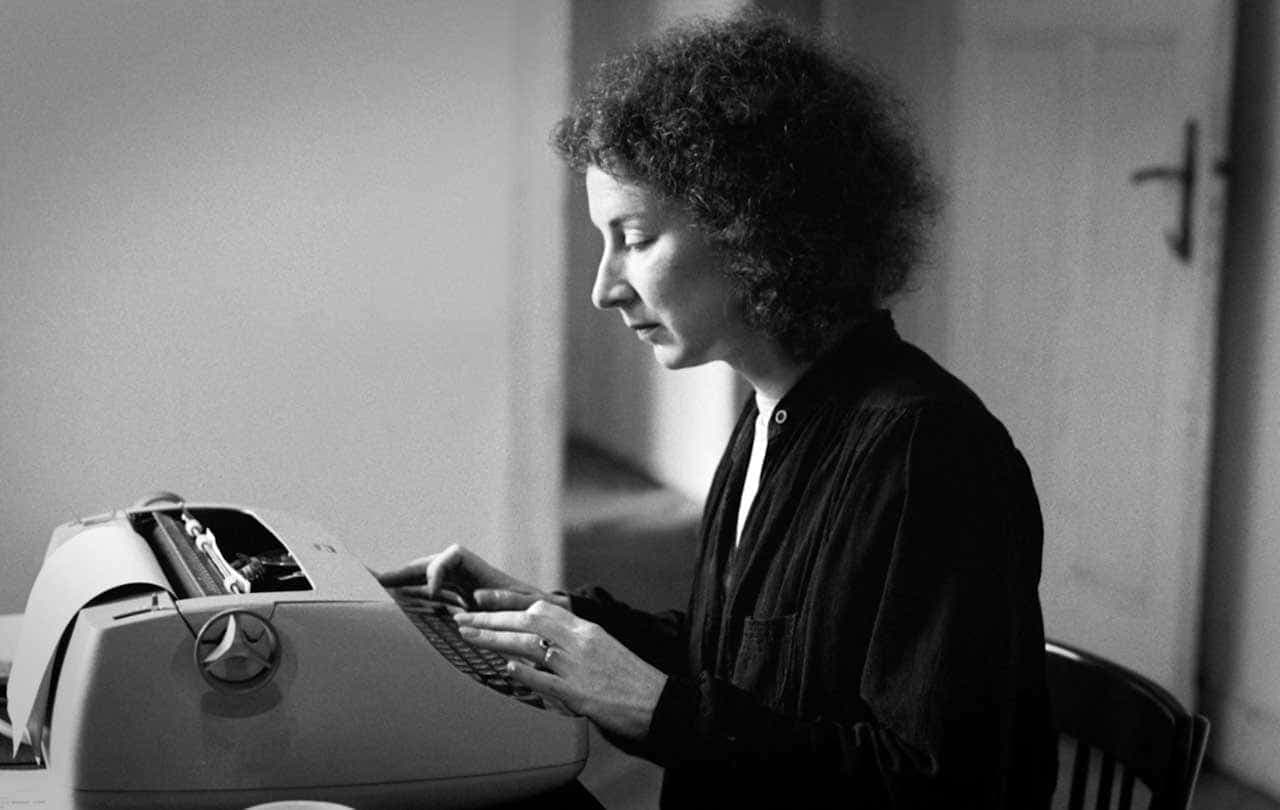
使女無懼:瑪格麗特愛特伍 使女的故事作者瑪格麗特愛特伍自傳記錄片,跟隨故事分析她的人生態度,到後面才開始談使女的故事誕生,有看過的人應該都覺得這故是來自於很多真實發生的事件當作靈感,想用女性觀點打造的烏托邦世界,但近期的美國社會新聞顯現歷史的翻轉真是讓人諷刺阿‧
單單是和愛特伍共處在同顆地球就足以讓人感覺到幸運,這就是她的魅力。 跟隨她的腳步,觀眾可以見到她的朋友,知己,丈夫,和陪伴多年的經紀人。在輕鬆、自然的基調下我們看見愛特伍的養成、她於公於私的不同面貌、她與她的夥伴如何奠定「加拿大文學」的基石,她的可愛與幽默(愛特伍坦承她用了一個看似很chill的寫作技巧結果她摸透了每一位角色的背景但小說沒有前進半步)。同樣地,我們難以忽略,物質進步神速,但人類思想上仍刻意、不成比例地原地打轉,愛特伍所面臨的困難,仍根植於我們的日常。 我不會引用這支紀錄片裡她說的任何一句話,但我願意坦承我按了暫停好幾次,只為了再聽一次、再聽兩次。
“i never thought that I would be a popular writer. I only wanted to be a good one.” . 叩叩叩,你好,地球人。生活有許多無趣,但創作是這樣開始的:這是你的手,這是你的雙眼,這是你的嘴。我來到這裡是為了尋找答案,直視,用眼睛的力量,觀察那些正在發生的事情。 . 走進了房間,將門輕輕闔上,一張椅子、一張桌子和一盞檯燈。喔!誰把這幅畫放到了這裡?多矮小的我,一個爆炸頭的女性。不,不只是寫作,任何事情都需要自私才能成立,如同冷冰冰的事物,能使我更專注。記住,別趁機挖掘我的內心,最深層處是你自己。 . 在沒有開燈的客廳坐地,外頭的世界是圓形的世界,完整的一個圓圈,與一座正在燃燒的世界。我不是虛構的,與你相同,也需要堆疊自我的概念,充滿著好奇的同時,務必也渴望著未知。好了,打開門後故事便開始了,務必記得,生命是殘酷的,你也無需擁有無瑕的道德。
【編輯長文推薦】6 月初落幕的 2022 台北國際書展,九歌出版社與 Giloo 紀實影音合辦了一場主題為「因為她是瑪格麗特.愛特伍:小說家與社會運動」的講座沙龍,邀請到台灣國際女性影展策展人羅珮嘉與《女神自助餐》作者劉芷妤對談,兩人除了介紹愛特伍這位現象級小說家,也梳理愛特伍的文學創作與女性主義運動的深厚淵源。 全文閱讀:https://giloo.ist/readings/50ddfad6-b2fe-4358-a2db-9fc98b6c658f
 Giloo紀實影音/因為她是瑪格麗特.愛特伍:羅珮嘉、劉芷妤對談紀錄 | Giloo紀實影音
1:02:14 《使女的故事》出版於1985年,其實雖然遠在那之前,愛特伍早就已經是擅長以女性主義題材寫作的作家了,只是她不斷嘗試各種不同文類,而之所以在80年代起心動念寫一部反烏托邦小說,就是因為美國自1973年羅訴韋德案通過後,迎來的80年代反挫:雷根、保守派與福音教派的pro-life串聯,才讓她萌生出寫成反烏托邦故事的概念。也因此,片裡愛特伍特別強調,《使女》的故事情節都是基於曾真實發生過的新聞事件,例如,美國曾有特定少數教派人士將妻子稱為「使女」;60年代羅馬尼亞政治強人希奧塞古(Nicolae Ceausescu)亦曾禁止 40 歲以下、且子女少於四人的婦女進行人工流產,造成大量無法被養育的孤兒問題,這些孩子也被稱為「希奧塞古的孩子們」(Ceausescu's children,可參衛報相關報導)。
《使女的故事》寫完34年後,續集出版又引發話題效應,除了影集播出後反映熱烈,當時發生美國各保守州紛紛決議要禁止人工流產,大家忽然有種莫名的既視感:難道女人真的要變成生小孩的工具了嗎?女人沒有自己身體、子宮的決定權嗎? 當虛構故事與我們如此貼近,恐懼於焉湧現。 紀錄片中愛特伍說:「《使女的故事》裡每一個你覺得可怕的情節,都曾真實發生在歷史上。」如此虛實互涉的恐懼,既像小說,又不是小說。講者之一劉芷妤認為最讓她感到害怕的是,把人工流產非法化的國家竟然是美國,那個我們一直以為更自由開放、民主進步的國家,有種世界倒退的感覺。 —— 節錄自九歌X Giloo合辦「因為她是瑪格麗特‧愛特伍:小說家與社會運動」國際書展講座逐字稿
1985年愛特伍出版《使女的故事》時引起了軒然大波,很多人覺得太前衛、太衝擊,這本小說被歸為「未來小說」,它不是科幻小說。這本書看起來好像科幻,但它不是科幻,差別在於「科幻小說」的大架構基本上是虛構的,但「未來小說」是以現實為基礎做的設定。《使女的故事》有很多是真人真事、真實發生的。 —— 節錄自九歌 X Giloo合辦「因為她是瑪格麗特‧愛特伍:小說家與社會運動」國際書展講座逐字稿

當我在許多描述瑪格麗特・愛特伍的頭銜中,發現「社會運動者」幾乎和「小說家」一樣不可或缺時,再對照她的創作中絕不可能被忽略的對現實的批判,我也會忍不住有點好奇:這兩個身份,究竟是哪一個成就了哪一個?《使女無懼:瑪格麗特愛特伍》這部紀錄片,或許正能回答這樣的問題。
6 月初落幕的 2022 台北國際書展,九歌出版社與 Giloo 紀實影音合辦了一場主題為「因為她是瑪格麗特.愛特伍:小說家與社會運動」的講座沙龍,邀請到台灣國際女性影展策展人羅珮嘉與《女神自助餐》作者劉芷妤對談,兩人除了介紹愛特伍這位現象級小說家,也梳理愛特伍的文學創作與女性主義運動的深厚淵源。
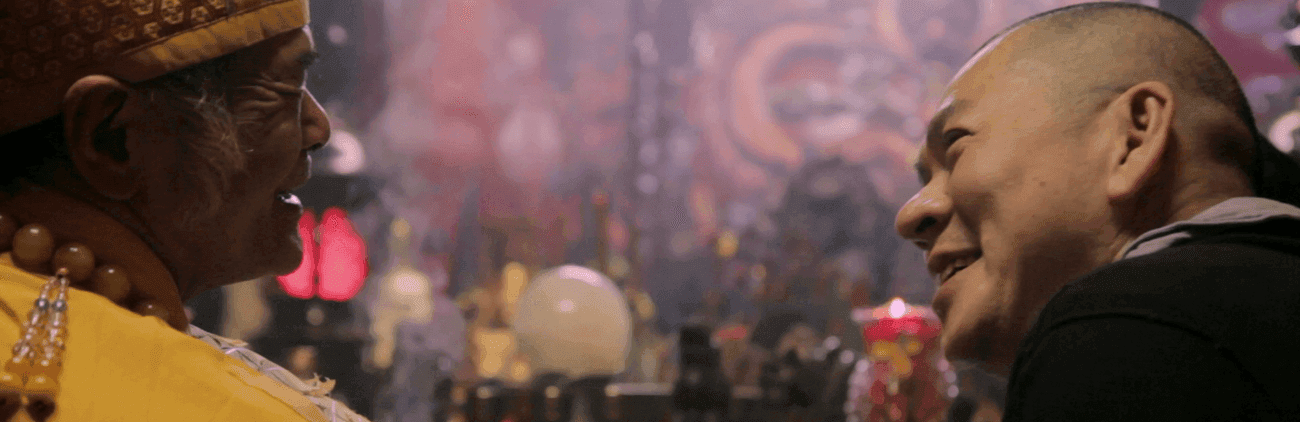
以镜头为不凡的心灵作传,总会陷入是否周全的两难。如何以影片的有限时间捕捉人生长河,考验对拍摄对象的理解及切入的眼光。与其全面,不如多点,细细凝视令人眼神一亮的切面。摄影机既是为了穿透对象,也是在与他们进行恳切的对谈。

你我为何书写?当文字从脑海迸出、心中涌入,意象与独白便取代日日繁琐、无趣跟恼人的现实;然而对某些写作者而言,写字,不仅是抒发,更是救赎或不可不为的使命。我们以「文学」为主题,介绍关于各类写作者的纪录片。他们或以诗、小说、评论,以笔(或打字机)为矛,勇敢无畏地描述这世界的真相。而时间在他们创作心灵中所留下的沉淀,更是无庸置疑的徽章。
英国⼥作家吴尔芙 Virginia Woof 说:「⼀个⼈能成为⾃⼰,⽐什么都重要。」在 2022 的今天,⼥性该是什么样⼦?不再有标准答案。⼥⼈迷精选五位女性精彩故事,有真实有虚构,激励我们在不同宇宙,活出此生最精彩版本,也邀请 Giloo 观众⼀起无所畏惧,成为真正的⾃⼰。

疫情当中更能安静下来,体会日常的美好。两厅院驻馆艺术家用他们独特的眼光精选10部好片陪你度过WFH的时光,来听听他们怎么说 — ▍黄郁晴:「因为疫情,行动受限,更需要倾听自己身体内在的声音!想要慢慢欣赏一对蜗牛连结?没有比现在更疗愈的时机。」 ▍汪兆谦:「疫情让我们更深刻地体会到了『距离』。无论是『时间』的距离、『成为』与『扮演」角色之间的距离,或者纪录传奇乐团的奇特时刻,这几部片肯定可以陪我们,好好地在这段日子体会这一切。」 ▍詹杰:「他们是说故事的人、写字的人、跳舞的人、拍片的人。纪录片侧写一个时代,或是凝望一个人物,引领我们更接近自己。」

挑选「国际政治」、「音乐」、「影视职人」和「文化艺术」等不同领域名人传记纪实作品,藉由镜头透视,与主题人物进行面对面的恳切对谈,揭开名人罕为人知的真实面目,并在亲身体验异国文化冲击的过程中,从各地不同的历史脉络切入当代时事。
「身体每个区域都有其自身的记忆,我们遭受过的所有伤害都记录在身体中。」——艺术家玛莉娜。透过这次Giloo推荐私房片单只能挑选5部影片的企划, 才慢慢发现原来自己特别关注的事情是什麽。常常觉得人很脆弱,每个人都有许多伤心寂寞与痛苦的时候,经过几番挣扎挑选的这5部电影陪伴了我生命中许多特别的时刻,每次按下电影播放键眼泪就会不自觉地洒落。深深相信电影的魔力可以治癒人心,甚至连结各式各样不同的人找到共鸣。其实我们并不孤单,也希望我们都可以藉由这些电影找到一点点改变现状的力量和勇气。
“从一个女人身上,我们能看见什么样的梦想?”—— 如果去掉“女”呢?答案是否有所改变?我自问,但我转头又想——为什么得去掉“女”呢?“女人”的故事与“人”的故事,有什么异同吗?如果真有殊异,那会是什么?而我是作为一个女人、还是作为一个(个)人,深深被吸引?这答案也许无关紧要,但无关紧要的问题里,往往存在着最不容小觑的答案。

女力终于当道!全球有将近一半人口是女性,获得的声量与资源却不成比例。女人在想什么?生活在这社会快乐吗?外界是否给她们充足的资源实现自我?女性与生俱来便是柔顺的吗?女人「成为」女人是经历了什么?家庭与社会价值预设了怎样的「女性」?这些纪录电影书写女性的不同面向、遭遇到的挑战,以及他们不畏眼光努力成为自己的精彩故事!女力真的当道了吗?我们要努力还有很多!