2015
International Documentary Filmfestival Amster
入選

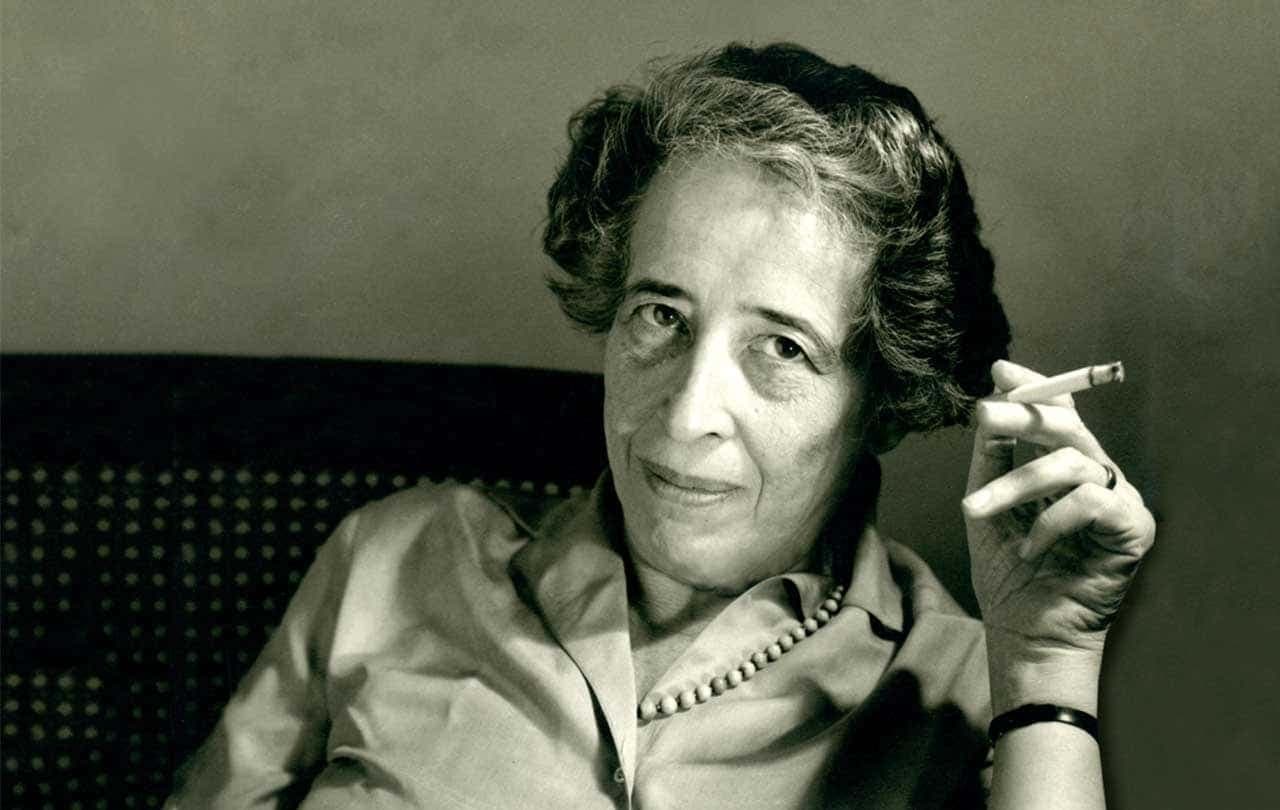
Directed by 艾達・烏希匹茲

漢娜鄂蘭:思想的行動 這紀錄片以談論平庸之惡、個人短暫生平、和友人書信內容、阿道夫.艾希曼審判來建構,思考這邪惡的本質‧ 在納粹的歷史上,探討極權中在於大部分人放棄思考,而那些極權的恐怖手段背後在於灌輸美好幻想所以必須這樣做,而集體的影響強化這現象,感於批評和思考,而非一切順利成章的重要思維‧ 雖然漢娜鄂蘭的論點遭到同類猶太人唾棄,但說實話這論點已經吸引我的注意,因為納粹的錯誤還是會隨時隨地在發生......
M019_漢娜鄂蘭:思想的行動 2022.07.11 【簡介】 電影中採訪了許多學者,對於漢娜・鄂蘭所提出頗具爭議的「平庸的邪惡」論點,電影並呈了兩方的觀點。同時電影也融入了漢娜・鄂蘭之前的採訪紀錄與書信內容,搭配著漢娜・鄂蘭不同時期的照片、生平,以及前納粹高官艾希曼的審訊過程,令觀眾更深入了解漢娜・鄂蘭提出該論點的背景,還有該論點的正反評價。 . 【感想】 這是在Giloo紀實影音平台 @giloo.ist 上觀賞的電影,謝謝讓我看到很棒的電影。 漢娜・鄂蘭應該是大學有上過政治學的學生都會認識的有名學者,她所提出的「平庸的邪惡」也是十分有名的論述。這部電影我認為呈現了多方對於此一論點的想法,可以看到來自不同背景的人,有的認同她,也有的提出批判。 每次讀到「平庸的邪惡」時,我心情都十分複雜。一方面,我認同那些人確實犯下了不可饒恕之罪,但另一方面我卻在想,若是我自己,我有辦法為了他人而做出反抗上級的行動嗎?尤其這可能會影響我的事業,甚至是擴及其他方面,我有辦法為了我可能完全不認識的人冒這些風險,做這些犧牲嗎?站在道德層面,或許至少要做到消極的反抗,但站在利益的層面,又有多少人會願意為了他人的利益而犧牲自己的利益呢?犯罪或是失去性命,我會選哪一邊呢? 又或者,是否是體制的問題而造就了這些犯罪,和艱難的抉擇呢?當整個世界都在做我認為錯誤的事,並要求我也加入時,我有勇氣拒絕嗎?可能就像從眾效應一樣,很多人就會因此開始質疑自己,進而做出和大家一樣的行為。更甚者,若這個社會就是如此教導我這些意識形態,我有辦法發現其中的不合理之處嗎?可能就像漢娜・鄂蘭說的一樣,我們必須不斷思考,才能有能力去辨別,和在兩難中做出抉擇。 另外,我認為「多元性」真的是一個社會很重要的特質。不論自己是否接受,或是支持,都應該尊重不同於己的存在。這才是讓社會甚至世界更和平、更少衝突的方法。也才能避免像是納粹對猶太人,或是以色列對巴勒斯坦人,這些慘無人道的行為。就如同霍爾所說:「我不同意你的意見,但我以死捍衛你說話的權利。」我們不一定要接受或支持,但每個人都有權利成為獨一無二的存在。 . 【觸動的句子】 1. 邪惡只是表面現象。要抗拒邪惡就要思考,不被日常事物的表象所迷惑,要去接觸日常生活之外存在的另一個世界。換句話說,一個人越膚淺,就越有可能屈服於邪惡,這就是邪惡的平庸性。因循陳腐就是這種淺薄的跡象,天知道艾希曼就是完美的例子。 2. 各種內戰的血腥殘忍更勝以往,事後還湧現遷徙人潮,到哪裡都不受歡迎,在哪裡都無法被同化。他們一旦離家就永遠無家可歸,他們一旦去國就永遠沒有國家,他們的人權一旦被剝奪就變得毫無權益,他們成了人間的渣滓,多餘的存在。 3. 在掌握大權,依照其信條建立他們的世界前,極權主義運動會先幻化出一個意識形態矛盾的虛假世界,貼近的是人心的需求,而非現實本身。 4. 我們的歷史意識一直有個特色:最重大的罪行都以必要為名義,或是為了一個虛幻的未來。 5. 邪惡總是源於必要,別無選擇、為了未來。 6. 極權統治的問題,並非用特別殘忍的手段搞強權,而是他們的政治背後隱藏著全新而詐欺的現實概念,也就是理想主義,堅信一個意識形態的虛構世界,而不只是貪求權勢。 7. 邪惡是意識形態的,撒旦本身就是個理想主義者。 8. 極權統治荒誕至極的主張,它是完全合法的。它絕非任意妄為,而是服從超人的力量。它絕未濫權為己,而是準備犧牲全民的重大利益,來執行它認定的歷史法則,或是自然法則,亦即所有法律的依據。 9. 沒有責任就沒有過錯,沒有過錯就沒有犯罪,沒有犯罪就沒有受害者。 10. 原諒與復仇是彼此相屬的。原諒者宣布放棄復仇,因為他自己也可能有罪。復仇者不想原諒,因為有機會為自己報一箭之仇。然而和解既不原諒也不接受,而是去判斷。當你以人類社會成員的身份,去承擔起他人的作為,你不是去接受或讓他免責,而是扛下現實中發生的不公義。這個決定是共同承擔責任歸屬,絕不是共同背負罪過。 11. 即使面對實質的存在,人還是很難想像邪惡。看來與之息息相關的,則是將人全都視為多餘的體制。屍體工廠與亂葬坑洞的危險,在於今天,仍持續有許多人被貶為多餘。我們持續以功利的觀點看世界,而非將它看成人類共享的世界。當今的政治、社會與經濟事件,與要將人貶為多餘的極端手段,秘密合謀。極權政權垮台後,極權式解決手段仍會存留,並轉化為強烈的誘惑。每當有政經社會苦難無法緩解,就會以有利於世人的姿態浮現。 . #Burnink_電影 #Burnink_Movie @burnink_98 #漢娜鄂蘭思想的行動 #VitaActivaTheSpiritOfHannahArendt #艾達烏希匹茲 #AdaUshpiz #猶太人 #Jewish #正義 #Justice #加拿大 #Canada #以色列 #Israel #Giloo紀實影音 @giloo.ist #紀錄片
另一部劇情片《漢娜鄂蘭:真理無懼》,以漢娜鄂蘭見證耶路撒冷大審,並提出「平庸之惡」論述的期間為主軸,其中包括鄂蘭旁聽大審審判、構思著作等過程,以及當時遭遇批評的處境。
我認為導演於編排本部紀錄片的呈現,並未站在任何一種立場為誰背書,沒有造神、護航,而是如實收錄對於鄂蘭的批判,再依據其著作或書信回應各爭議點。 而我想,如實呈現鄂蘭的思想,也是給予這一世紀待解決的問題,一個思考層面的嘗試,例如以色列與阿拉伯人的衝突、歐洲的難民潮等還沒有合適解決方法的問題,也或許這些問題無法得出一個結論,但是透過思考與辯論的這段過程,我們才能釐清這個社會最適切的價值為何。
《漢娜鄂蘭:思想的行動》是一部關於漢娜鄂蘭的紀錄片,透過鄂蘭的文章著作、與友人書信往來內容、受訪影音畫面,穿插納粹時期的紀錄影像、不同學者正反評論交織而成。內容或許有些艱澀,而這份艱澀引出的思考,卻是本部紀錄片的核心所在。 漢娜鄂蘭在其著作中曾提及,像納粹黨徒艾希曼這樣的人並非喪心病狂,他跟一般人一樣平庸,而這個平庸正是真正可怕的地方。但是認為其人並未喪盡天良,並不等於認同屠殺猶太人的行為,僅僅只是試圖釐清與解釋這種現象。 或許也可以讓我們思考,在這看似自由的民主社會中,也得以抽絲剝繭出這些邪惡,如果身為公民卻放棄思考立法體制及監督政府施政,而選擇廉價批評、一味地盲從與集體高潮的結果,最終也只是另一種「平庸之惡」。
台灣曾經因為漢娜鄂蘭,而掀起一番關於「平庸之惡」的討論,也讓我想到米爾格倫的「服從權威電擊實驗」。 此實驗施行時間,也就是納粹黨徒阿道夫·艾希曼被判處死刑的一年後,便是為了測試猶太人大屠殺的追隨者是否只是服從權威,實驗方法為實驗小組告訴參與者這是一項「體罰對於學習的效用」,參與者扮演「老師」、以教導隔壁房間的「學生」,若學生答錯題目卷的答案,老師將對學生施以電擊,電擊伏特也將隨著答錯題數上升,不過事實上學生也是由實驗人員所假扮,並告知參與者他患有心臟疾病,在每次電擊過程中,學生將會大聲尖叫、表達想退出實驗、表明身體不適、拒絕回答問題,最後靜默,而實驗小組人員將會在旁回覆參與者請他繼續實驗、不可中斷,否則實驗將無效。 米爾格倫等人在預測實驗結果時,本來認為只有不到1%的人會狠下心按下最大伏特數,結果最終在第一次實驗中,有62%的參與者按下450V最大伏特數。 米爾格倫後來在《服從的危險》一書中更指出,即使參與者受到強烈的道德不安,多數情況下權威者仍然得以繼續命令他。實驗顯示了成年人對於權威者有很大的服從意願,去做出任何尺度行庭為,因此必須儘快研究和解釋這種現象。
漢娜鄂蘭是美籍猶太裔女性,原籍德國,以其關於極權主義的研究著稱西方思想界,被認為是20世紀重要的哲學家或政治學家,也因為猶太人的身份,漢娜鄂蘭在1933年納粹德國開始迫害猶太人時流亡海外,1937年被剝奪德國公民身份,之後經葡萄牙逃往美國,並於1950年成為美國公民。 處於二戰前後德國納粹與猶太民族的嚴重衝突中,她沒有用仇恨和譴責直面這些惡行,而是把這些惡行攤開,思辨這些惡行惡狀背後「邪惡的本質」為何,結果引起猶太人的反彈。
1:40:58 提到惹惱以色列所謂的正派人士,據聞,鄂蘭曾經在跟以色列外交部長結束一番漫長的通話後,唯一的想法是:「我想知道怎樣讓他閉嘴,好讓我可以趕快上床睡覺。」
10:22 有新聞紀錄,這次的旁聽,是鄂蘭主動向《紐約客》(New Yorker)雜誌編輯提議,由她來擔任記者負責報導。
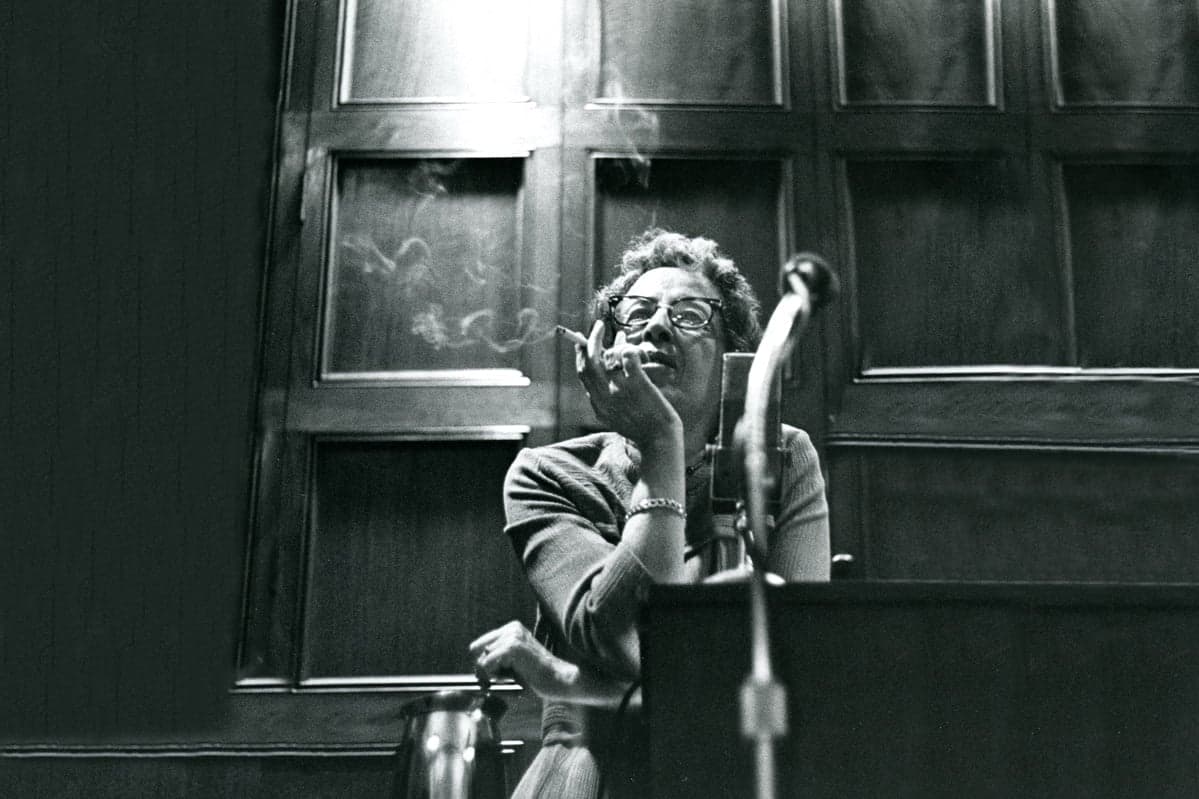
這是一部關於漢娜鄂蘭的紀錄片。內容主要透過她與友人書信往來內容,穿插電視受訪畫面及不同學者的正反評論,加上納粹時期部分紀錄畫面共同剪輯而成。坦白說,內容有些艱澀,也顯得跳躍而欠缺連貫性,但大致仍依循漢娜從求學階段(至於她與教授談戀愛部分,則隱約帶過)到流亡海外的時序來進行。
To document an extraordinary soul through the lens is to constantly wrestle with the dilemma of completeness. How can one capture the vastness of a life within the limited time of a film? It challenges the filmmaker’s depth of understanding and precision of perspective. Rather than striving for an all-encompassing portrait, it may be more powerful to focus on select moments—those glimmers that illuminate the subject’s essence. The camera becomes not only a tool to pierce through the surface, but also a means for sincere conversation with the person in front of it.
British author Virginia Woolf once said, “To be oneself is the most important thing.” In 2022, what should a woman be? There’s no longer a single answer. Womany presents five powerful stories of women—some real, some fictional—that inspire us to live the most brilliant version of ourselves in every universe. We invite Giloo’s audience to join in: be fearless, be bold, and most importantly, be your true self.

Is justice truly equal for all before the law? Like a queen’s chastity once deemed unquestionable, what happens when rigid systems confront the complexity of human nature and circumstance? Who ultimately defines fairness and justice? A wrongful conviction that dragged on for two decades, a protest movement that pitted flesh and blood against authoritarian rule, a death row inmate executed to the cheers of the public—what role did the “law” play in each of these cases? Should we rise up to question the banality of evil, or quietly submit to it? “Judiciary Class” is a name adapted from the popular Korean series Itaewon Class, drawing on the dual meaning of “classroom” and “course.” It symbolizes a shared space for audiences to learn and grow through the films and writings featured in this program—inviting thoughtful debate, diverse perspectives, and deeper exploration of legal and ethical ideas.
"Finding oneself" has been a form of performance art since Adam and Eve. Humanity has exhausted its creativity trying to delete the original betrayal—eating the fruit of the knowledge of good and evil. Despite entire bestsellers being written to make sense of our shame, we still fear the gaze of the world, the judgment of society… and above all, being disliked. It’s hard to look yourself in the eye. So we look away. And when we can’t bear our own shame, we survive by projecting it onto others. In a world that punishes self-honesty, those who dare to face themselves are cast as misfits—freaks in the corner. The subjects and creators of these selected films are anything but ordinary in society’s eyes. And yet, their footsteps leave behind a trace of something unshakably honest—something that quietly shames those still clutching the forbidden fruit. They stand before God, and before themselves, unflinching. They’ve never abandoned the original blueprint of their being. They’ve always known who they are, and where they stand. Are you still trying to "find yourself"? Or could it be—you already know exactly who you are… You’re just afraid to admit it?
I used to be drawn to those who leapt without hesitation. Of course, such fascination in youth often carries a trace of naivety. Only now, having walked further down my own path, do I feel confident enough to say I understand— Understand those who, despite spending their entire lives on a single road, hold within their eyes and hearts an entire universe. Understand the kind of resolve they’ve made, the kind of philosophy they’ve found, that allows them to stop overthinking, to throw themselves wholly into one person, one thing, one idea, one yearning. This playlist is a personal offering—a collection of beautiful leaps I’ve tucked away with a trembling heart, now carefully shared with you.
"One is not born, but rather becomes, a woman." There is no such thing as a woman who is born confident and radiant — we all stumble, search, and grow into the body image and way of life that feel most like home, learning slowly how not to dislike ourselves so much. Documentary films quietly and honestly reflect women in their most unadorned states — ordinary, oppressed, loathed, awkward, or uninhibited — and all of these are part of who they are.