2012
Copenhagen International Documentary Film Fes
入選

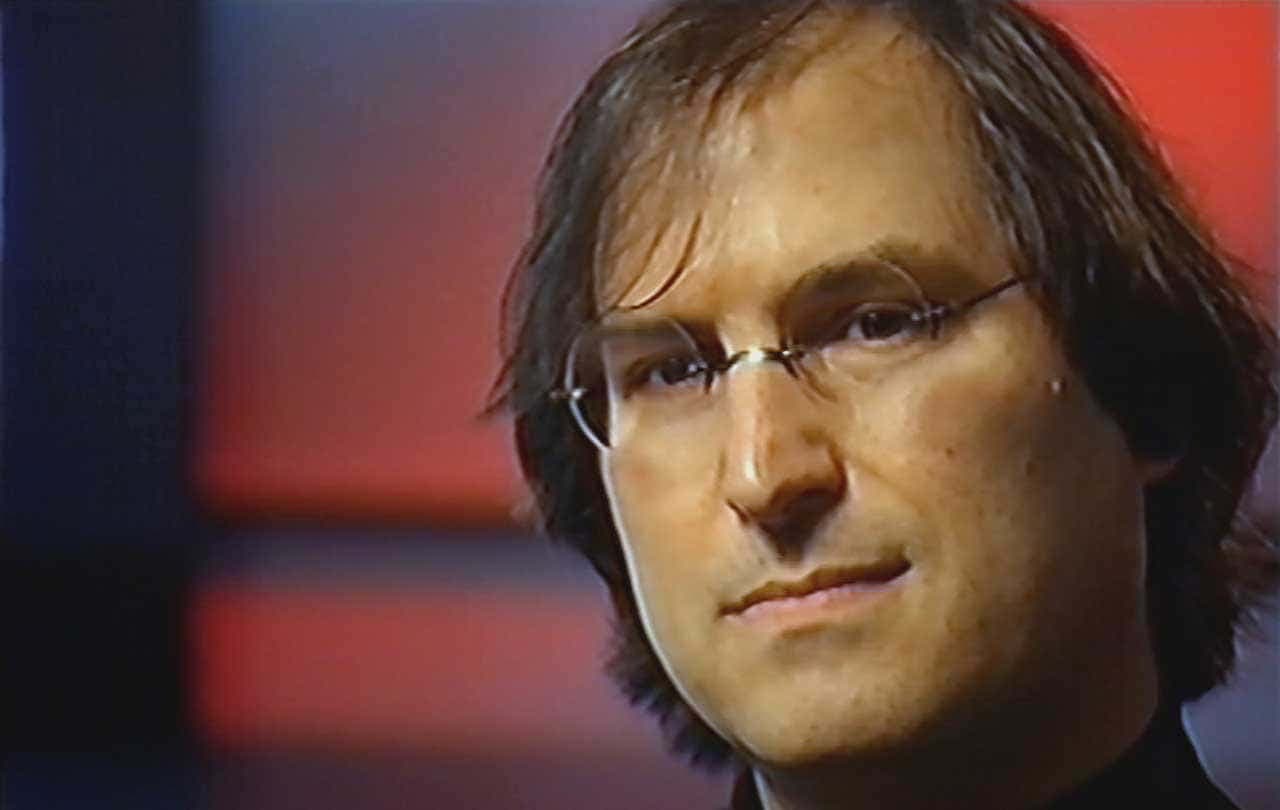
Directed by 保羅・森

成為墳墓中最富有的人對我來說毫無意義,能夠在晚上睡覺前說聲「我今天做了了不起的事」,這才是我在乎的。—— 賈伯斯,1993 年 5 月《華爾街日報》
We’re here to put a dent in the universe. Otherwise why else even be here? 活著就是為了改變世界,難道還有其他原因嗎? —— 賈伯斯
貝佐斯—遺失的訪問 😌 https://www.youtube.com/watch?v=Pgzi_jUBu9U
 The “lost” Jeff Bezos 1997 interview just about a year after starting Amazon.
Your time is limited, so don’t waste it living someone else’s life. 你的人生有限,別浪費時間為他人而活。—— 賈伯斯
21:24 我身價超過一百萬美元時才23歲,24歲超過千萬美元,25歲就超過億萬美元,但那沒那麼重要,因為我從來就不是為了錢。—— 賈伯斯
You can't just ask customers what they want and then try to give that to them. By the time you get it built, they'll want something new. 重新閱讀《賈伯斯傳》後有感。「詢問市場要什麼」等到找到答案時,市場的需求已經又改變了;產品要優先於市場需求之前、甚至是創造市場需求( which is hard 🤧)
「百事可樂產品數十年不變很正常,最多是換個玻璃瓶。因此產品研發部門無足輕重,行銷部門才是要角。倘若已壟斷市場的 IBM 或全錄也採取同樣策略,就不妙了。」 這段Steve Jobs 在返回蘋果公司前一年(1996)的專訪,當時他還不知道自己一年後將以王子復仇之姿被邀請重新掌管蘋果電腦。整段專訪精彩,Jobs 幾乎有問有答,毫無隱瞞地陳述自己不同於其他創辦人對於經營的看法,一語道破許多企業後期,為了追求營收增加,過於強調行銷策略,導致公司喪失打造偉大產品的熱情和能力,忘記產品研發才是立業之本的盲點。 這位改變人類整個世代生活方式的男人,針對創意、商品與人的關係所做出的精闢剖析和遠見,身處21世紀的我們看來仍非常受用。
40:36 被遺棄、被選擇、很特別-這些概念成為了賈伯斯的一部份,也影響他對自己的看法。「我想,他想完全掌控自己製造的每一樣東西的那種強烈慾望,就來源於他的性格以及剛出生就被拋棄這件事。」跟喬布斯共事了很多年的德爾約克姆(Del Yocam)這麼說。格雷格卡爾霍恩(Greg Calhoun)看到了另一種影響,「他想控制外界環境,而且他把產品看做自己的一種延伸。」(《賈伯斯傳》,2011)
10:09 「你無法想象那給了我們多少信心。」沃茲也有同樣的感觸。「出售它們也許不是個好主意,但這讓我們看到,我的工程技術和他的遠見卓識結合起來,我們可以做出怎樣的一番事業。」他說。藍盒子的這段奇妙經歷為兩人之間即將誕生的合作關係建立了一個模板:沃茲尼亞克就是個文雅的天才,創造出一項很酷的發明,然後就算送給別人他也很高興;而賈伯斯會想出怎樣讓這個發明方便易用的方法,然後把它包裝起來,推向市場,賺上一筆。(《賈伯斯傳》,2011)
Trying to become the ideal adult, only to realize that no matter your age, the fear of the unknown never truly fades? With limited life experience, we struggle to survive in an ever-changing world. We become parents, yet still carry the weight of our own upbringing. Here are five soul-nourishing cinematic “coming-of-age remedies” to help you rediscover your original self and strength—bring along your inner child and taste the essence of growth: Yi Yi, a Taiwanese New Wave masterpiece, reflects the quiet milestones of growing up. When dreams fall apart, All About Lily Chou-Chou captures the angst of disillusioned youth. Lost your way? Get gloriously drunk with Another Round, the Oscar-winning Danish hit. Feeling bound by your roots? Draw rebellious inspiration from Afghanistan’s maverick filmmaker in Nothingwood. And if loneliness creeps in, turn to the extraordinary lives of creators like Cheng Wen, Steve Jobs, Yayoi Kusama, and Agnès Varda. Sometimes, growing up isn’t about letting go of your inner child—but learning how to walk with them.
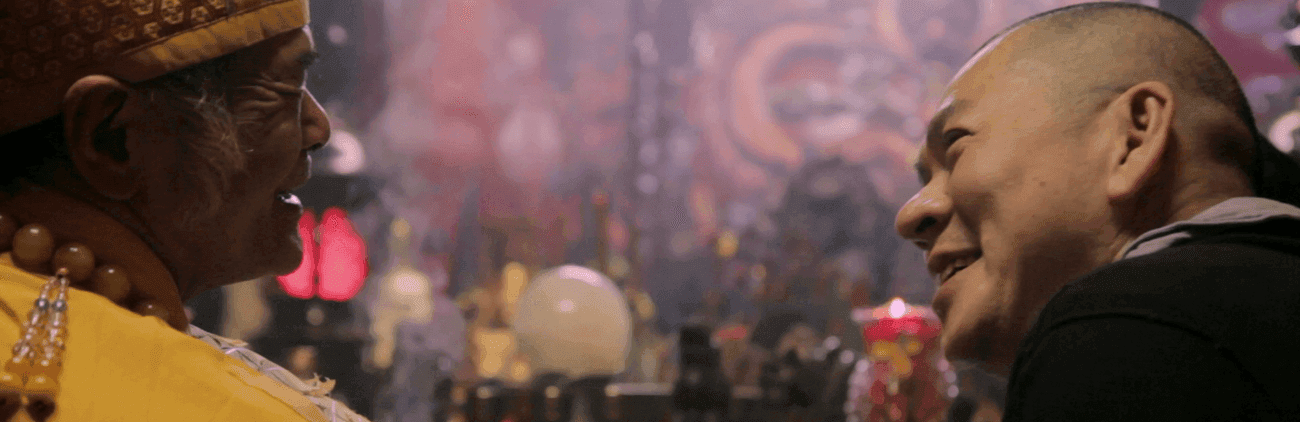
To document an extraordinary soul through the lens is to constantly wrestle with the dilemma of completeness. How can one capture the vastness of a life within the limited time of a film? It challenges the filmmaker’s depth of understanding and precision of perspective. Rather than striving for an all-encompassing portrait, it may be more powerful to focus on select moments—those glimmers that illuminate the subject’s essence. The camera becomes not only a tool to pierce through the surface, but also a means for sincere conversation with the person in front of it.
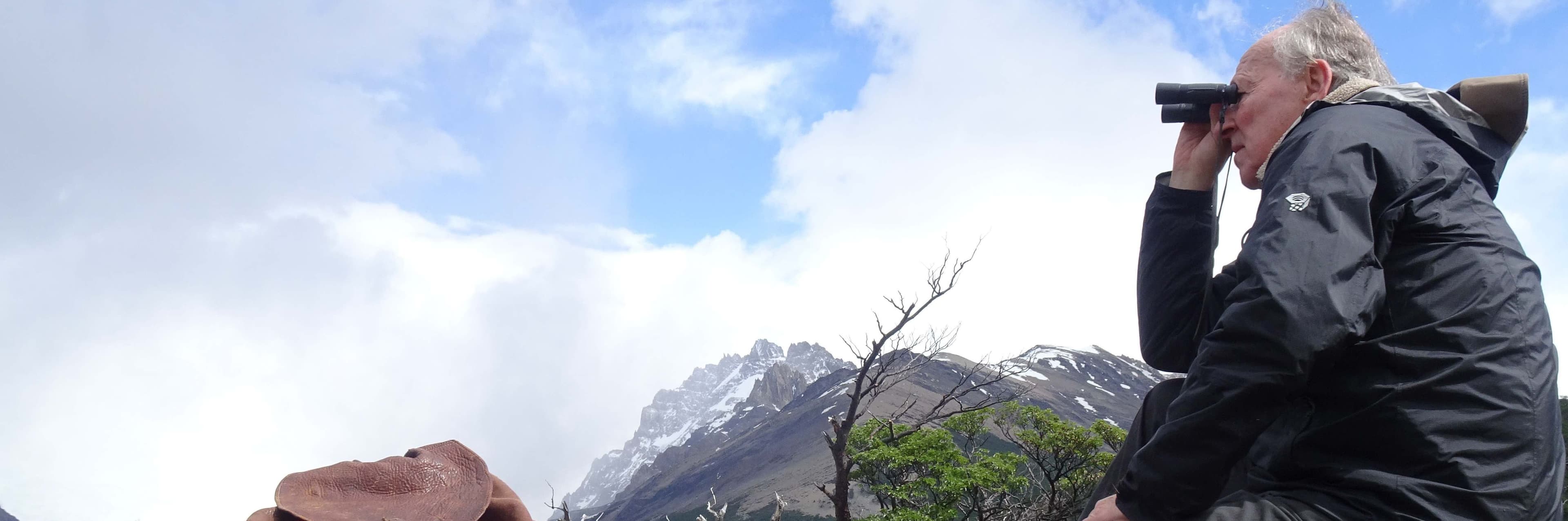
Why is it called "Touching the Essence of Humanity"? The phrase is actually drawn from a quote by Steve Jobs in The Lost Interview: “The key is to get in touch with the essence of what it means to be human—and then bring that into the work you do. I believe the reason the Macintosh succeeded is that the people who created it were musicians, poets, artists, zoologists, and historians—who also happened to be the best computer scientists in the world. Had they not entered computer science, they would have excelled in their own fields. They brought a sense of humanity into the machine. That humanistic attitude allowed us to draw the best from other disciplines. You can’t do that if you’re narrow.” This film program centers on diversity—selecting classics across five different forms of cinema. Through this range, we aim to explore the roots of what makes a work “classic.” Diversity protects us from narrowness. The essence preserved in each field offers us a broader, more open-hearted way to expand the boundaries of life.
The Future Makers Selection 2022 is now underway. We spoke to the jury about their vision of a “Future Maker”: Is it the kind of talent the world urgently needs? A bold change-maker? Or perhaps someone like Top Gun’s Maverick—fearless, unconventional, and unapologetically themselves? Every year, we search for emerging voices across Taiwan—young individuals who are reshaping what “success” means through their actions. If you're still searching for what a future leader might look like, the jurors have recommended a few films to broaden your horizons. May these stories inspire your youthful heart—and give you the courage to step into the vast world ahead.

22 Inspiring Films to Watch with Kids – A Giloo Family Collection Giloo presents a heartwarming selection of 22 knowledge-rich and emotionally uplifting films perfect for the whole family. Whether your child is full of innocent curiosity or navigating the early stages of adolescence, these films offer moments of inspiration and meaningful lessons to grow with. From a hilarious couple’s wild farming adventure that teaches the importance of sustainability and green living, to the sacred ritual of relocating the Ise Grand Shrine that reveals the harmony between humans and nature, and a touching story of a boy devoted to gymnastics and his steadfast coach that embodies the spirit of perseverance—each film opens a window to learning through storytelling. Stay safe at home and keep learning alive with your kids—education doesn’t stop when school does!
In psychology, divergent thinking refers to the ability to approach a problem by generating multiple possible solutions, rather than narrowing in on a single answer or getting stuck in a fixed mode of inquiry. Its opposite, convergent thinking, relies on existing knowledge and traditional patterns to arrive at a conventional conclusion. I love watching documentaries—especially those that explore issues far removed from everyday life. A good documentary, like a good book, condenses an enormous amount of insight into the span of a film. Through a director’s lens and structure, you come to know a person, a group, or an event, and gain valuable nourishment in the process. It’s an incredibly efficient form of learning. Thanks to the nature of the internet, learning today is no longer linear. It’s multidirectional, multidimensional—a practice of divergent thinking. As a well-known writer once said:"The test of a first-rate intelligence is the ability to hold two opposing ideas in mind at the same time and still retain the ability to function." In a time where eclectic knowledge and self-learning have become the norm, a thirst for understanding and a passion for living mean we’re no longer limited to holding just two ideas —we hold many.