1991
金馬獎
最佳劇情片、最佳原著劇本|最佳男主角、最佳女主角、最佳導演、最佳女配角、最佳攝影、最佳美術設計、最佳錄音、最佳造型設計提名

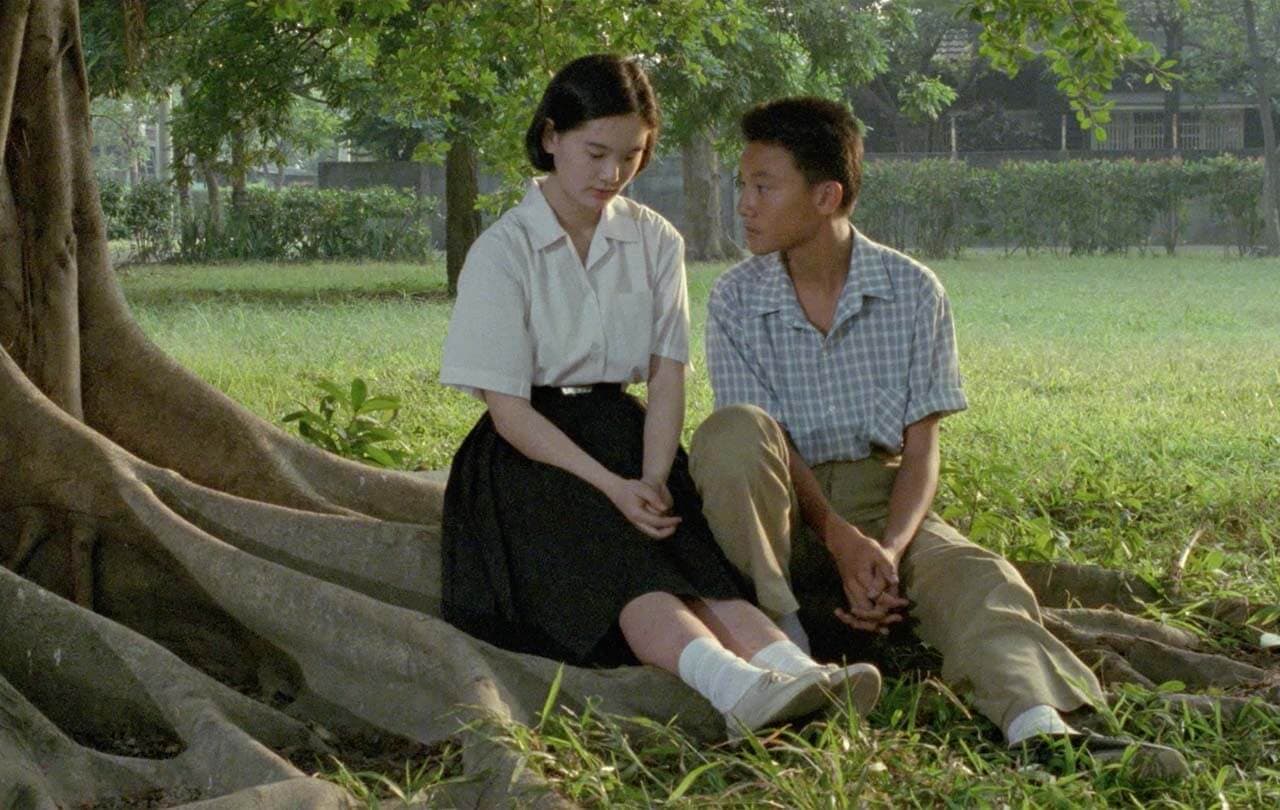
最佳劇情片、最佳原著劇本|最佳男主角、最佳女主角、最佳導演、最佳女配角、最佳攝影、最佳美術設計、最佳錄音、最佳造型設計提名

對於青春的迷茫暴戾,時代的壓抑,以及少年對於戀愛的憧憬,皆有很深的刻畫
一九八七年七月,台灣正式解嚴,楊德昌開始籌劃《牯嶺街少年殺人事件》(下稱《牯嶺街》),並在一九八九年八月成立自己的電影工作室「Yang and His Gang Filmmakers」(楊德昌電影公司)。一九九〇年八月八日,《牯嶺街》正式開拍,一幫人靠著對電影天真的熱情,從北拍到南,在九〇年代的屏東建構出了六〇年代劇變中的的台北。《牯嶺街》的英文片名「A Brighter Summer Day」取自貓王〈Are You Lonesome Tonight〉,除了貓王,電影中也用了幾首瑞奇尼爾森的歌作為插曲,在楊導就讀建中的六〇年代,西方的搖滾樂、電影等流行文化成為青少年在閉塞時代裡的救贖,影響著那一代對思想的追逐。 楊德昌曾說:「我們何其幸運地生長在這個不幸的時代。」A Brighter Summer Day 所代表的一瞬之光和《牯嶺街》的現實黑暗相互矛盾,但正是在那樣的黑裡,楊導澄澈的眼光洞穿了封閉的年代,在三十二年後的今日,仍舊純真、年輕。
1:31:18 在楊德昌的鏡頭下,場景時常沐浴在和煦的陽光下,反而襯托出大時代之下,校園中男女之間的複雜情感、青少年和大人們的鬱悶、男人之間的成群結黨,更顯抑鬱、愁苦。尤其喜歡一幕鏡頭(【01:31:18】)停留在保健室的門上,門上倒映出小明和小四對話的身影,奶油色的木門、少年少女的模糊身影,彼此訴說著煩惱;還有另一幕(【02:02:18】)在嘈雜的器樂演奏聲中,小四對小明大喊出自己的心情,也分外青澀可愛。從那些細碎的美好畫面中,對比出其他佔多數的危險暴力場景,彰顯出青少年無法自由自在成長的狀態,讓人對於戒嚴時期之於人們生活的影響有了更完整的想像。
在楊德昌的鏡頭下,場景時常沐浴在和煦的陽光下,反而襯托出大時代之下,校園中男女之間的複雜情感、青少年和大人們的鬱悶、男人之間的成群結黨,更顯抑鬱、愁苦。尤其喜歡一幕鏡頭(【01:31:18】)停留在保健室的門上,門上倒映出小明和小四對話的身影,奶油色的木門、少年少女的模糊身影,彼此訴說著煩惱;還有另一幕(【02:02:18】)在嘈雜的器樂演奏聲中,小四對小明大喊出自己的心情,也分外青澀可愛。從那些細碎的美好畫面中,對比出其他佔多數的危險暴力場景,彰顯出青少年無法自由自在成長的狀態,讓人對於戒嚴時期之於人們生活的影響有了更完整的想像。
楊德昌攤開年少時代的記憶,讓觀眾直面茅武/小四的殺人事實,並於其中堆疊時代內盪的戾氣和相似動機不穩定的殺人事件。本片多次提到的書籍《戰爭與和平》,正呼應著臺灣軍事戒嚴、白色恐怖的背景,在戰爭的陰影、高壓的統治之下,學校成為國家暴力縮影,也是小公園和 217 兩個幫派角力的場域,無法超越大環境的宿命,任何人都可能是另一個「小四」。
本片改編自發生於牯嶺街的真實命案,1961 年 6 月 15 日晚間十點,位於牯嶺街 5 巷 10 號後門,一名女學生劉敏(山東人)被七刀奪命,兇嫌則為建中初二男學生茅武(浙江人)。由於兇殺現場在美國新聞處附近,而且撫養孤女的國軍遺孀企圖吞金自殺,國軍裡還有大量被拉伕而來的山東農民(如後來犯下土銀搶案的李師科)。 這些情節具高度政治敏感,所以情治機關將此定調為單純的「情殺」,然而背後的動機其實源自白色恐怖之下,更為龐雜的外省人與本省人的文化衝突,以及外省第一代離鄉背井的徬徨不安。
電影中一幕在巨型冰磚上書寫的畫面,其實是白色恐怖時期的刑求方式之一「跪冰塊」。 除此之外,在當時還有利用性、性別的刑求手段,例如「螞蟻上樹」是使人裸身淋糖水丟室外招螞蟻咬;或以尖細鋼琴線穿過乳頭;甚至讓懷有身孕的女性政治犯長髮高高懸吊在樑柱,並持續遭受刑求導致胎盤剝離等殘忍行徑。
提到白色恐怖相關的影視作品,除了《牯嶺街少年殺人事件》外,還有萬仁執導的《超級大國民》,以及侯孝賢執導的《好男好女》、《悲情城市》等,其中《悲情城市》也在 2023 年修復後經典重映。
這部片最打動我的一幕是小四在暗夜之中,原本要拿磚頭攻擊某一位對他們家十分惡劣的鄰人,為父親出氣,躲在陰影之中等待鄰人走過的時候,鄰人卻突然身體不適(心臟病發?)倒地。結果小四一怔,放下磚頭,跑上前去救人。青少年的心思真的就是如此變化莫測,殺人救人一秒之間。因此,小四走向最後的悲劇結局的過程中,是否有轉寰的餘地,在哪裏、何時、誰又能夠修復他的心智像巧手伸進精密鐘錶的動力內核,成為了我觀影最大的懸念。
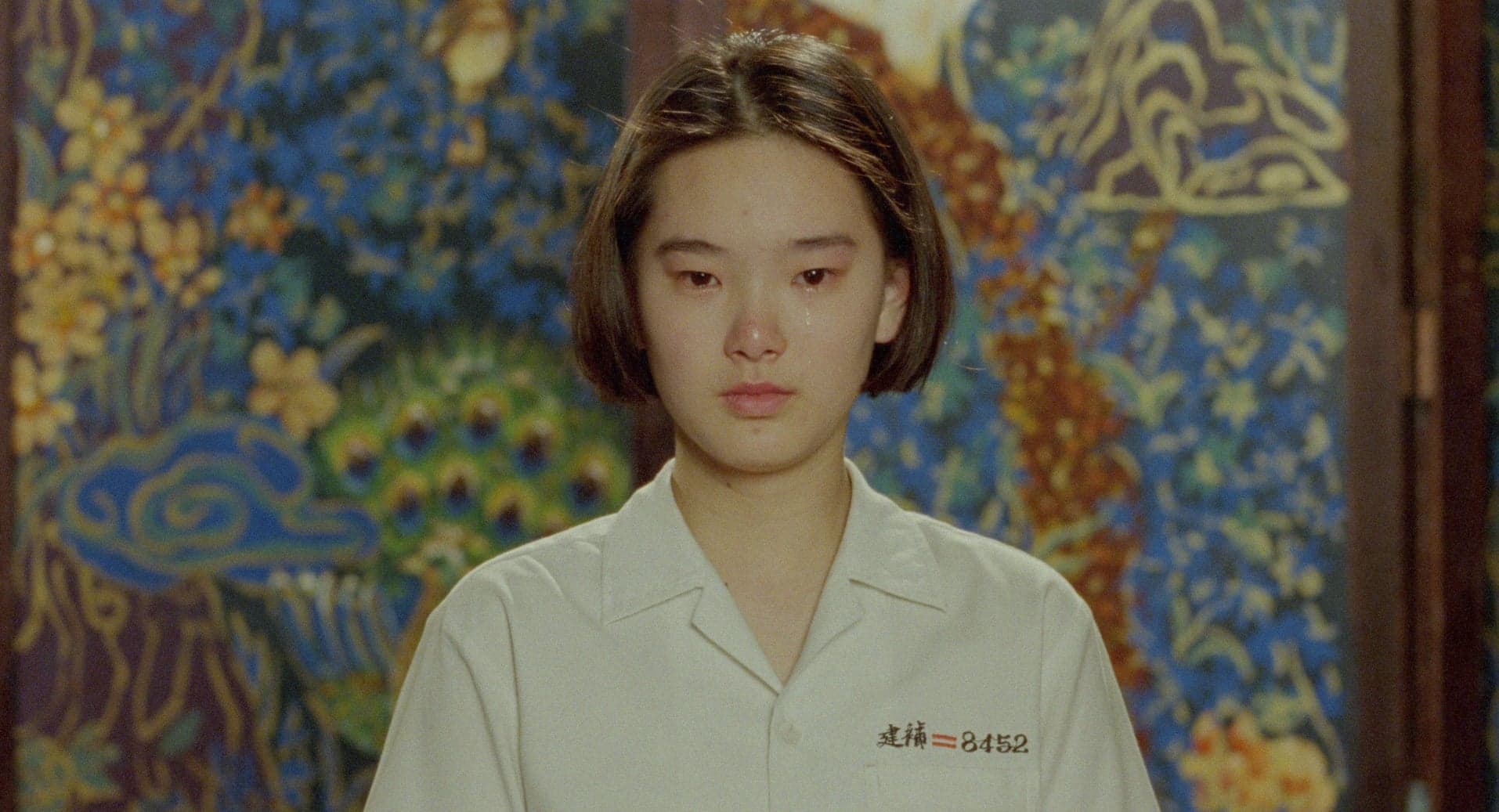
看《牯嶺街少年殺人事件》需時時提防,畫面嚇人(小四兒和小明都把槍對著鏡頭),聲音也嚇人(你時不聽到,砰的一聲),電影狠在,楊德昌提供太多可以殺,必須殺,能夠殺的原因。小四夜歸時看到雜貨店胖叔又喝醉了顛顛倒倒甚至碎嘴他幾句,便從後繞近並悄悄拿起了磚頭。別笑柯南有鼻屎般的殺機便引發汪洋般的殺人案,小四兒是連在路邊都能狠下心腸的,這個時代的台北太擁擠了,所有人都應該死,雜貨店老闆也不能放過。但為什麼最後死的必須是小明?
.jpg&w=3840&q=75)
因為追求幸福,所以變得不幸。青春物語總是燦爛而殘酷,家族情感總是一觸即爆發,但也總是要等到後青春期,才逐漸明白幸福終究無法定格。這個炎炎又黏黏的夏天,Giloo精選11部大師經典電影,以岩井俊二《青春電幻物語》為始,以楊德昌《一一》作結;從李安的「父親三部曲」,到蔡明亮的「水之三部曲」;有時還有侯孝賢與是枝裕和。跟著大師一起探索無人知曉的家族幸福論,或者說,幸福悖論。
1982年8月28日,《光陰的故事》上映,為台灣新電影運動揭開了序幕。2022年夏天,害喜影音出版《未來的光陰:給台灣新電影四十年的備忘錄》,以20個關鍵字重訪台灣新電影。秋天,國家電影及視聽文化中心將推出「再新電影出發的時候:台灣新電影四十年回顧」專題影展,尋訪歷史角落中許多已被世人遺忘的逸作。夏秋之間,影視聽中心攜手害喜影音,邀請觀眾透過16部我們熟知的台灣新電影與關於台灣新電影的電影,為四十年後行將到來的未來,預作準備。
楊德昌,相比同期其他導演,明顯更受歐陸導演風格影響。他的作品多以當代台北為主要背景,大量而犀利的對話與情境,充斥著濃厚的都會色彩與現代主義風格。
1949 年起的戒嚴,纏繞臺灣島上近 40 年。法律、政治、軍事等力量在維持大局的同時也為社會帶來難以抹滅的傷痕。1987 年解嚴了,但傷痕不會自動復原,我們應該時時回望,謹記那些苦難的過去是如何引領我們走向自由。 我們以此為題,挑選了三部台灣電影,述說戒嚴的苦難與影響。此外,也選了波蘭導演克里斯多夫奇士勞斯基的經典作品《機遇之歌》,以及以紀錄片形式,追問韓國民主運動——光州事件背後真相的《光州事件之謎:誰是金君?》呈現跨越國族的極權統治,會對個人及社會帶來何種影響。
青春的孤獨與躁動、愛情的美好與殘酷、性別的迷惘與追求,往往隱藏在校園一角,長成難以向外人訴說的祕密。當祕密東窗事發,是否就是青春的結束?而長大,難道是生而為人必經的潰爛?Giloo精選5部青春校園電影,楊德昌《牯嶺街少年殺人事件》、易智言《藍色大門》、陳正道《盛夏光年》、岩井俊二《青春電幻物語》及《花與愛麗絲》,帶你重溫青春期必經的成長痛。
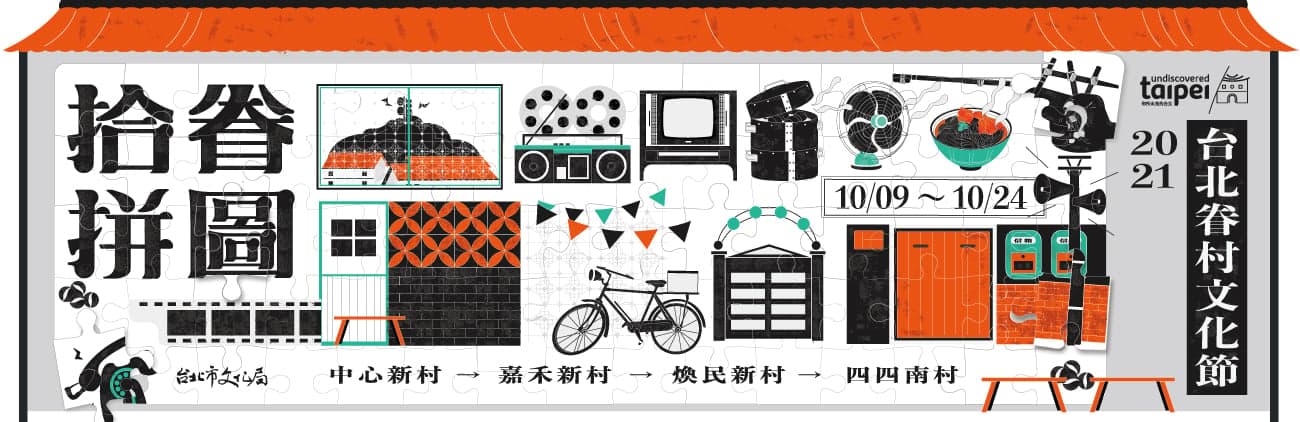
隨著時間的流逝,眷村後代們陸陸續續的搬離眷村,而離開後的他們紛紛開始用著屬於自己的方式紀錄及保留眷村,其中影像拍攝,就像將時間凍結了一樣,總讓那些已經不存在的建築物、物件或是記憶一一呈現在眼前。本次的台北眷村文化節線上影展,邀請大家透過小螢幕,穿梭光陰,一同從電影與紀錄片裡發現更不一樣的眷村容貌。