1992
金马奖
最佳原創電影音樂

最佳原創電影音樂

45:17 情愫的開始
35:57 阿彬用吹的把玻璃杯中的紙鈔取出。
每個...青少年...都如同...哪吒...帶著...狂放的...靈魂...遊戲...人間...
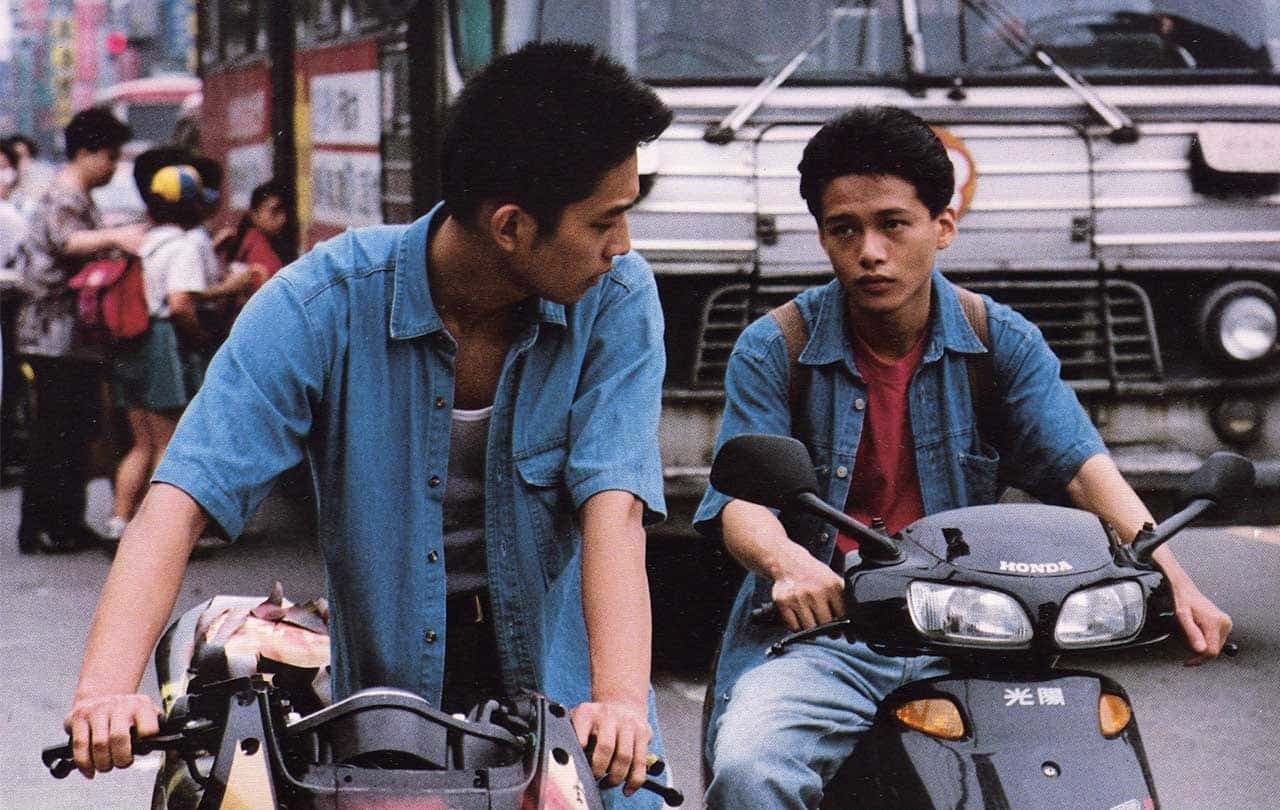
《青少年哪吒》即便沒有任何同性情慾或是出櫃告白,小康對阿澤的凝視,在我看來顯得情慾曖昧,彷彿同志得不到直男歡心,因此怒火發洩,在對方機車噴上「AIDS」字樣。當然這亦可能是他否認或懼怕內心的同性情慾,進而引發的作為。
「仙姑說你兒子是哪吒化身的,你知不知道哪吒最恨的是誰?就是他老子李靖啊。」 . 三太子腳踏風火輪從天而降,遊歷後的冰宮,在炙熱的青春裡,融成了水中龍宮。離開後,又該去到哪呢?湖面相擁,飛擲而來的飯碗,碎落一地,我們相信命運,也相信最終都會在某一刻相遇。 . 硬邦邦啊硬邦邦,軟趴趴啊軟趴趴,兩樽玻璃杯封住的三百塊,凝實了青春的印記。回憶時,無論如何都無法觸及,醒來後,是一口氣吹了又散去。 . 這裡是險惡的世界,也是最溫暖的世界,管洞裡湧出的潮濕水光,在臉上恍惚遊走,愛情與友情氤氳著彌漫的水氣。當煙灰低落房中的湖面,少年拉開門簾,電話聲不斷作響,不應,一切由我而定。
角色憂悒的青春靈魂卡在中介,慾望蠢蠢欲動,在體制下欲破壞秩序,卻又無法作出顛覆。台北的城市昔景在蔡明亮的片中毫不保留被捕捉下來,眼花撩亂甚至有點醜惡的,在今日回顧都頗具趣味。 - 雖說在中國文學中挪吒與其父交惡,但另一方面,傳說中哪吒腳踏風火輪,行動非常便捷,故許多職業駕駛人,往往奉其為守護神。而電影中主角的爸爸為計程車司機。電影中落實這般愛憎一體的設定,去描刻父母與青少年子女的狀態更為貼切。
剛才寫完《藍色大門》,相較於此部電影,顯然描繪了截然不同的視角。 小康也同樣正在求學,也同樣是這個階段處理著自己性向,向家庭外試探。面臨的世界是骯髒的、消散的。 蔡導演在電影中對於氛圍、世界觀更為私人,正是這份私人性,在電影中多了份詭譎、不同理,喪狂哀愁地被捕捉在鏡頭之下。暴力的、無法被管教的的憤怒(對於自我的)蔓延在故事中,他遊蕩並非尋找同理,而是在消散自己憤恨不平,同時想將全身粘膩嫁禍到陳昭榮飾演的角色身上,想要得到以及成為陳昭榮。 陳過著無聊煩悶的生活、苗陸緊閉的家庭、小康相較於前兩者,擁有著最為暴戾缺陷,無法宣洩扭曲的心靈。
當攝影機搖向天空,黑幕落下後,我才瞬間意識到了小康對阿澤可能擁有的什麼感情,也有點詫異自己在整趟觀影過程中絲毫沒有往這麼一邊想去。或許這也是我很喜歡這部電影的原因,潮濕的臺北、擁擠川流的街道、混濁的廢氣,整個盆地就像一個巨大的電鍋,把少年的狂躁敏感混沌悶的無處可去,一切翻攪在一起,處在這個時期的我們感到迷惑的從來都不只是簡簡單單的性向問題而已。
劇本上的嘗試相當值得玩味。電影中主要有兩條線,一條是跟著不務正業的重機青年檔,另一條則是跟著主角小康。有趣的是,這兩條線儘管在電影中時常交會,一直到最後結束卻始終沒有匯成同一條。始終保持著小康觀察並玩弄對方,對方卻從來不曾意識小康存在的權力關係,這樣的寫法使得觀影過程中一直保持著期待。
蛋堡總說自己是個任性的人,這個頭銜出現在自立門戶的廠牌和專輯外盒,那句「他這個人就是很任性啊」的叨念更被做成 Signature Sound。去年摘下金曲歌王的他,不同於先前時隔七年的沉澱,這次沒讓聽眾苦候太久,便端出任性的人出品的第二張專輯《LOOPS for LIFE VOL. 1》。
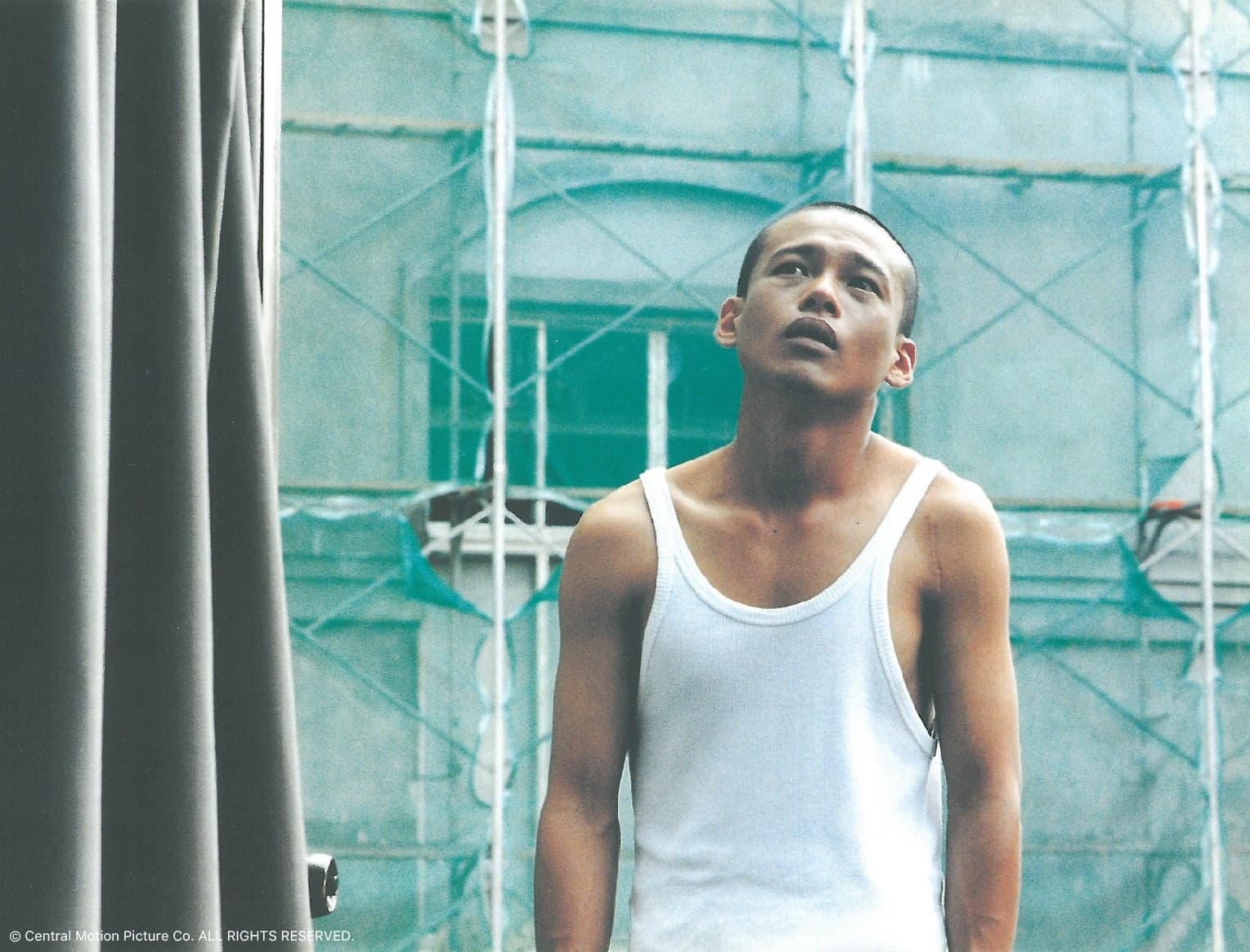
作為蔡明亮電影世界的原型,處女作《青少年哪吒》對於小康之家的塑造,非比尋常。老夫少妻的雙親來自不同省籍與歷史文化的婚姻結合,孕育了李康生——這位蔡明亮電影永遠的繆思——格外與眾不同的體質與稟氣。
.jpg&w=3840&q=75)
因为追求幸福,所以变得不幸。青春物语总是灿烂而残酷,家族情感总是一触即爆发,但也总是要等到后青春期,才逐渐明白幸福终究无法定格。这个炎炎又粘粘的夏天,Giloo精选11部大师经典电影,以岩井俊二《青春电幻物语》为始,以杨德昌《一一》作结;从李安的「父亲三部曲」,到蔡明亮的「水之三部曲」;有时还有侯孝贤与是枝裕和。跟着大师一起探索无人知晓的家族幸福论,或者说,幸福悖论。
蔡明亮,他的作品被许多学者和影评认为是缓慢电影,笔下角色时常寡言,喜好以长镜头拍摄人物,并以实际时间的流逝来展现角色内在的情绪反应。
在陌生的城市看了好多电影,作者们温柔的书写故乡与年少,让我好几次在幽暗戏院里流泪。我想起遥远的南方与曾经奔驰的街道,那些说过的话、唱过的歌曲,在不断的记忆与归返途中,呼喊着仅有一次的生命。 夏天一过,我将要再次离开这里,选了五部电影,献给少年的你。
我想知道关于这些人这些事的「为什么」、「在何时」,以及「是怎么发生的」;知道得越多,我们才能越清楚自己「要或不要」以及「何去何从」。知道,对我来说就是一种娱乐。
.jpg&w=3840&q=75)
大师走过光影长河留下足迹,经过岁月磨砺,成为不容抹灭的刻痕。关于电影的一切,他们想说的早已凝结在镜头之中。Giloo精选台湾经典修復片,无论这是你的启蒙或初遇,都能在其中找寻关于自身和土地的记忆与身影。欢迎乘着胶卷启程,回到属于台湾、也属于电影的光辉岁月。