2019
SXSW Film Festival
紀錄長片提名

Directed by 艾琳・達哈姆
紀錄長片提名

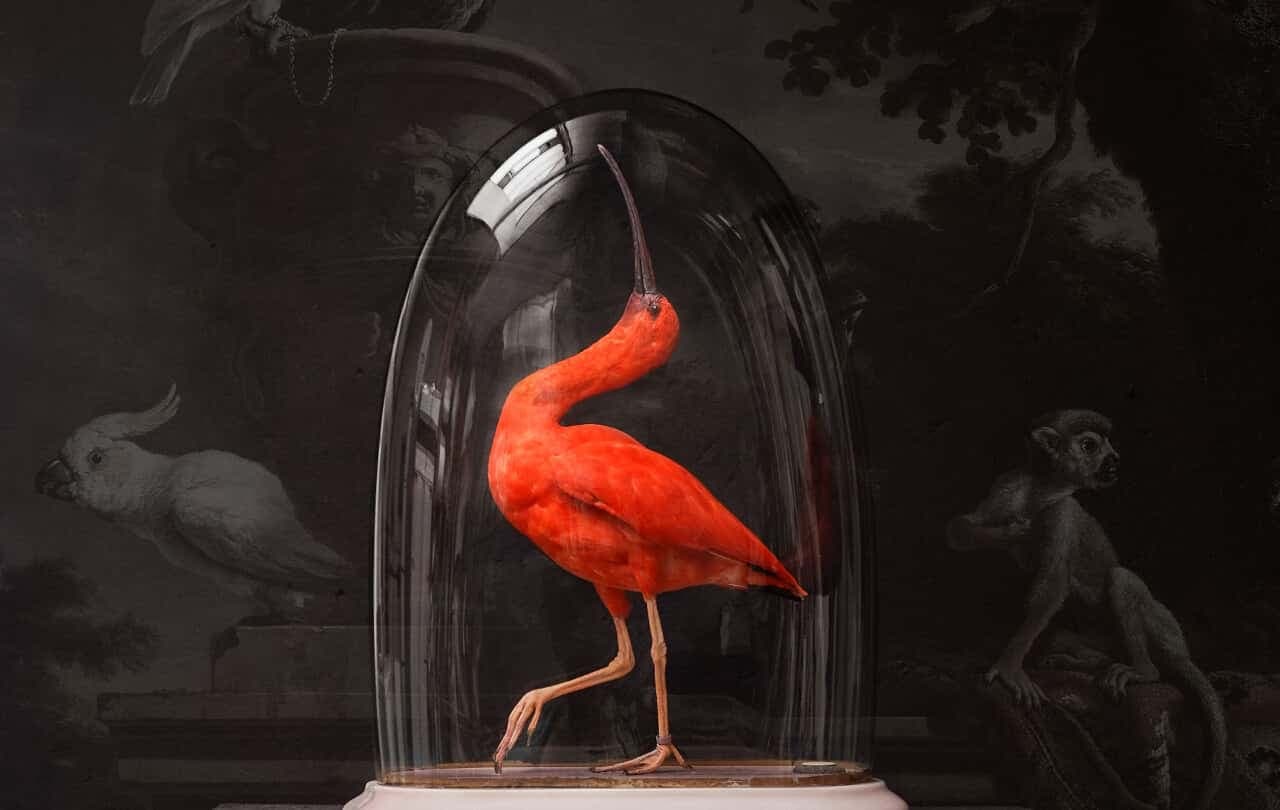
我是動物標本師 一部讓我們認識標本師的記錄片,說個老實話我本身意識形態有點排斥這種職業,可能是一些電影影響,但看的時後有幫我們消除這種意識隔閡,就像禮儀師一樣,標本師需要常接觸大自然和藝術美感,並非一般人想像中的褻瀆生命,這種記錄片就是讓我喜歡記錄片的原因之一‧
紀錄片裡的一位標本師就說,他剛開始自製標本的時候,親朋好友還覺得他的腦袋有問題,勸他的父母帶他去看醫生。 就算是現在他已經是博物館認可的動物標本師,他跟別人第一次約會時,也還是會擔心人家的異樣眼光,所以只能半開玩笑的自稱是「立體野生動物藝術家」。而這些批評和攻擊,一直都讓動物標本師們非常困擾,有的人甚至還收到恐嚇信件,常常需要釐清這些負面的形象。
現代標本技術的起源,其實跟探險打獵的活動,有很密切的關係。像現代動物標本之父卡爾·埃克利(Carl Akeley),本身就是非常有名的獵人,獵殺了無數的野生動物。但現在大部分用來製作標本的動物,都屬於自然死亡,另外也有因為意外事故,或是生病等等原因過世的動物。有些甚至是重新利用博物館裡面收藏的標本,再次翻新製作而成。 所以目前經由狩獵取得的動物屍體,其實非常少。影片裡面的一位標本師就強調說,他一生中從來沒有殺過任何動物。有些剝製標本的團體,還會直接告訴想要加入的新人,需要發誓不會有動物因此受害。
孤獨喬治的身體被冷凍後,送到在紐約市的美國自然史博物館,由標本師丹特負責進行標本製作。 丹特提到說,當時他為了完成這個具有特殊的意義標本,幾乎是用盡了他畢生的所學。除了要從科學的角度,客觀地認識和了解這個平塔島象龜的構造和習性,他也要想辦法呈現出「孤獨喬治」生前的個性。 當這個作品完成之後,當初照顧「孤獨喬治」的研究員一看到馬上掉淚,丹特覺得這一切的辛苦都是值得的。
這部紀錄片裡面,採訪到一個叫喬治·丹特George Dante的博物館標本師,他最有名的作品之一,是世界上最後一隻平塔島象龜「孤獨喬治」的標本。平塔島象龜,是生活在加拉巴哥群島的象龜,曾經是世界上最稀有的動物,也是全球物種保護運動的重要象徵。 雖然學者們非常積極的,為平塔島象龜進行復育計劃,但這些計劃並沒有成功。2012年,最後一隻平塔島象龜「孤獨喬治」過世,也代表平塔島象龜,從此永遠在地球上消失。那為了讓將來的人類,能夠認識這個物種,學者們決定要把「孤獨喬治」製作成標本。
製作標本最重要的原因,就是為了研究和教育用途。裡面的標本師提到,對大部分人現代人來說,大家都很少接觸到大自然和野生動物。所以談環保、談動物保護,對我們來說都是一個比較遙遠抽象的概念。 但是當人們可以真的看到、甚至觸摸到這個動物的時候,大家就會更深刻的體會到大自然的美好,也會更進一步想到要去關心和保護自然。不過因為活體動物非常珍貴,尤其是一些比較危險或是稀有的野生動物,並不是每個人都有機會能夠接觸到的。這時候動物標本,就成為一個很重要的工具。
標本本身是死的、不會動的東西,為了要能夠呈現出動物生前的生命力,好的標本師除了要非常熟悉這個動物結構和習性,還要有很強的觀察力、想像力和美感。就連每一根血管和皺紋的位置,都會經過非常仔細的考量。 所以要成為一個合格的標本師,需要非常大量的訓練。但因為目前專門的標本學校並不多,所以紀錄片裡面標本師,大部分都是透過自學或是當學徒的方式,一點一點地磨練技術。
大部分的人應該都曾有過在博物館裡觀賞動物標本的經驗,卻少有人能看過一件標本的製作過程,及隱藏其背後的標本製作師。此片採訪南非、歐洲、美國等地多位優秀的標本製作師,介紹他們初踏入此領域的契機和各自心得。帶領觀眾深入了解每位卓越的動物標本師背後,必須主動學習繪畫、雕塑、動物知識、甚至博物館學等專業。透過他們作品卓越藝術的展現,也讓我們重新思考:學習技能與精進專業的目的,是為了有一份收入良好的工作?或是追求熱情的人生?尤其適合在漸漸開啟自學風潮的台灣,闔家觀看。
Why did someone like Gorbachev—who tried so hard to reform his country—ultimately meet a dramatic and tragic end? Why did a Chinese teenager, once full of unquestioning patriotism, become a disillusioned critic of society? And how does a taxidermist, working with lifeless animals, come to glimpse the mysterious kingdom of death? The team at Chichi’s Notes has handpicked 13 standout documentaries from Giloo—recommended for those who care about current affairs and remain endlessly curious about the world. Whether you're drawn to politics, identity, science, or the unseen corners of society, this collection offers something for every thoughtful viewer.
The pandemic has taught us that human society is not immune to dysfunction, failure, or sudden standstills. When the old order is disrupted, what philosophy of artistic action can emerge in this so-called new normal? And when human activity is put on pause, how might the rest of the world begin to move again? This year, the Taipei Arts Festival advocates for an eco-conscious, non-anthropocentric perspective, repositioning the human within a broader spectrum of non-human spaces. Through art, we return to the ocean, the land, the city, the community, and the myriad sentient beings that co-inhabit our world. These reflections invite a reimagining of coexistence and relationality between humans and the more-than-human world—probing how all beings, in this time and ecological age, possess their own agency, vitality, and voice.
Beauty is accidental, spirited, emotional, critical—a series of seemingly related, yet leaping descriptions. My daily task is to actively feel beauty, but there's simply too much of it—in the scenery, in words, in films... And so, I walk slowly along the path of cultivating beauty, as a nineteen-year-old, allowing the world to steep me in its essence, however it pleases.
In psychology, divergent thinking refers to the ability to approach a problem by generating multiple possible solutions, rather than narrowing in on a single answer or getting stuck in a fixed mode of inquiry. Its opposite, convergent thinking, relies on existing knowledge and traditional patterns to arrive at a conventional conclusion. I love watching documentaries—especially those that explore issues far removed from everyday life. A good documentary, like a good book, condenses an enormous amount of insight into the span of a film. Through a director’s lens and structure, you come to know a person, a group, or an event, and gain valuable nourishment in the process. It’s an incredibly efficient form of learning. Thanks to the nature of the internet, learning today is no longer linear. It’s multidirectional, multidimensional—a practice of divergent thinking. As a well-known writer once said:"The test of a first-rate intelligence is the ability to hold two opposing ideas in mind at the same time and still retain the ability to function." In a time where eclectic knowledge and self-learning have become the norm, a thirst for understanding and a passion for living mean we’re no longer limited to holding just two ideas —we hold many.