2018
Sundance Film Festival
全球紀錄片類評審團大獎提名

全球紀錄片類評審團大獎提名

M043_網路清道夫 2022.12.29 【簡介】 電影中用穿插的方式,主要引出三方的觀點。分別是來自菲律賓的網路審查員們、科技巨頭們的代表、以及曾在科技通司任職的職員們。在三方陳述的過程中,觀眾能夠更貼近網路審查的爭議及困難所在,以及對不同環境與背景下的人們所造成的影響。各方論點刺激著觀眾,使觀眾不斷反思網路與社群媒體世界中的兩難。 . 【感想】 這是在Giloo紀實影音平台 @giloo.ist 上觀賞的電影,謝謝讓我看到很棒的電影。 言論自由的界線在哪?我想這是這個時代非常需要在大眾之間取得共識的議題。於我而言,自由意味著在不傷害他人的情形下,可以依自身意志做任何事情;因此言論自由亦同,在不傷害他人的情形下,每個人都有說出自己想法的權利。但是,「不傷害他人」這個標準若要成為一條白紙黑字的規範實在是太過模糊不清,更遑論要在成員組成極其複雜的社群平台上訂出適用於每個成員的言論自由規範。 然而這也並不意味我認為社群平台對言論的規範沒有責任。雖然社群平台的宗旨是要讓使用者更容易與他人連結與分享觀點,但社群平台也可以描繪他們所追求的網路世界,以利用戶們更了解何種言論更適合發布在哪個平台。例如A平台追求的是乾淨平和的網路世界,而B平台則是追求貼近真實的網路世界等。又或者社群平台可以增加除了成年與未成年之外的更多劃分標準,在這些內容劃分的標準之下,用戶能自由選定是否要先過濾特定種類的內容。而其他像是針對不實言論增加標注,或是提供不同立場的內容連結在推薦之中,有許多做法尚待社群平台投入資源嘗試,來打破現今所面臨的難題,像是同溫層加厚、審查標準模糊不一、或言論自由的侵害等。 由於自由於我是首要的價值,因此我認為或許平台投入更多工作將多元的選項呈現於版面上,利用機器人對內容加上各種分類,並將選擇的自主權交還給用戶會是更好的選擇。如此,審查員們也就不必負責過濾大量對精神有害的內容,並判斷是否應該將它們刪除。資訊仍然留存於網路之上供用戶取用,只是不一定被觸及罷了。就如同在真實的世界中,負面的事件從未消失,但人們可以選擇繞道而行,也可以選擇與其接觸。大家都知道在哪裡會遇到什麼,在爭議現場也能同時看見正反兩方的交鋒,不過每個人仍能依其意志決定是否去深入了解,不論背後的目的為何。 . 【觸動的句子】 1.臉書產品經理(2014-2016)馬丁・尼茲:「美國在政治上是兩極分化。我是指在政治光譜上的深藍民主黨人甚至無法與紅色那端的共和黨人進行對話。這背後有很多原因,我不認為這是臉書造成的,但我的確認為臉書激化了這種現象,並讓它變得更糟。你曉得過去每個公民都有權表達自己的意見,現在每個公民都有權建構自己的現實、自己的真理、自己的事實,而且你知道臉書會刻意去附和這些事實,呈現你想要知道的內容,過濾掉你並不想聽到的內容。我認為,民主是要求人們有一套共同的行為規則,還有基本事實。不管原因為何,如果你沒有行為規則,或者你沒有基本事實,這樣的話,民主就有點難以實踐。」 2.谷歌前設計倫理學家崔斯坦・哈里斯:「其中一個誤解是:人性歸人性,而科技就只是種中性工具,並沒有助長任何東西。但事實並非如此,因為科技確實存在偏見,而且偏見就是它實際追求一個目標,那個目標就是:什麼才能得到最多的人關注,什麼才能吸引數十億人,成功轉移他們的注意力,並且保持下去;不僅是引起注意,同時讓他們分享一些事情。結果發現憤恨真的是一種很有效的訴求。無論臉書是否願意,當它公開充滿憤怒的貼文時,的確因此受惠而得到更多關注,遠超過如果它聲明不要公開貼文。它所助長的是最具分裂性、最令人憤慨、也最令人恐懼的事物。整個環境氛圍讓我們只能表現出最糟糕的自己。」 . #Burnink_電影 #Burnink_Movie @burnink_98 #網路清道夫 #TheCleaners #漢斯布洛克 #HansBlock #莫里茨瑞斯維克 #MoritzRiesewieck #巴西 #Brazil #德國 #Germany #言論自由 #FreedomOfSpeech #審查制度 #Censorship #社群媒體 #SocialMedia #Giloo紀實影音 @giloo.ist #紀錄片
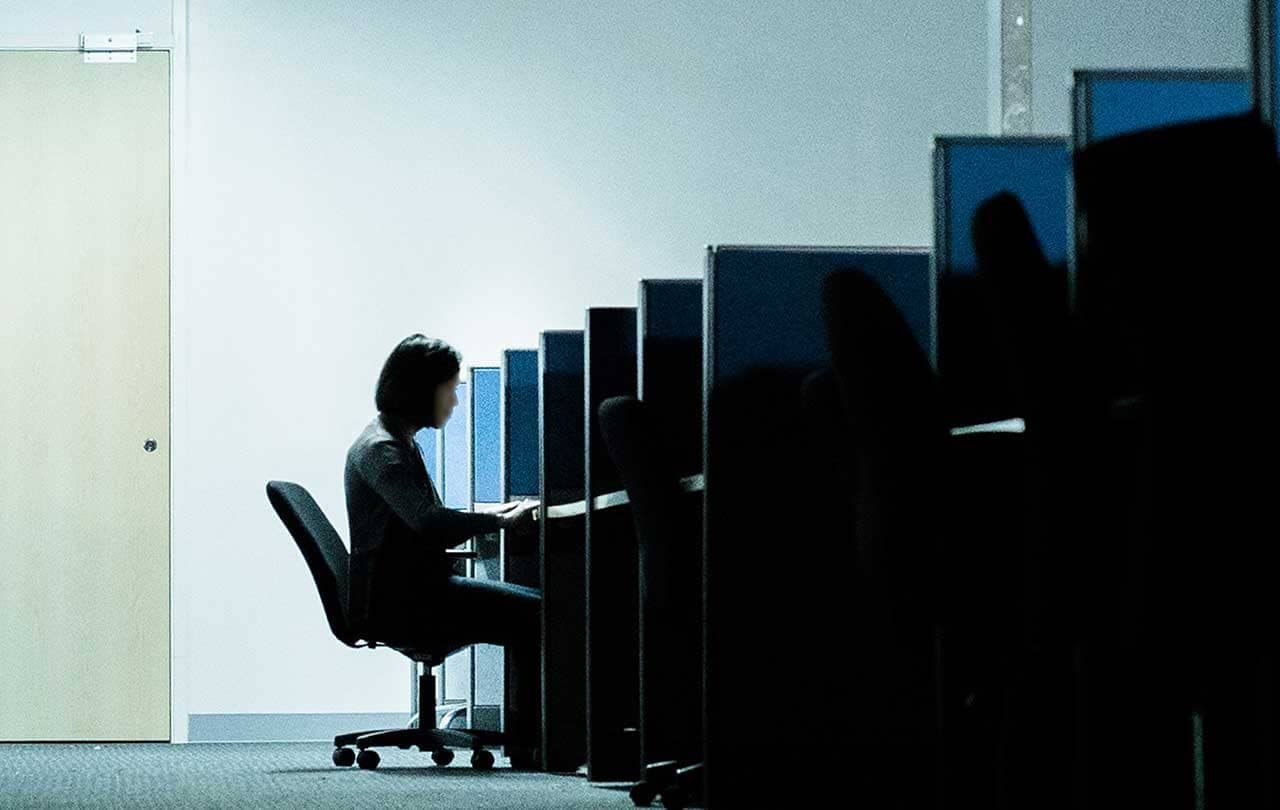
你的社群文章常常無故被刪去嗎?這不全然由平台演算法完成,《網路清道夫》將「內容審查員」從幕後搬到幕前。鏡頭帶向菲律賓的社群平台外包公司,一方面藉由全球級別的內容清理行為,討論第三世界的員工究竟該為「普世價值」負責到何種程度;另一方面也透過訪談過程,描述審查員的心理職業災害。 你能想像一名審查員需要被迫看上百支斬首影片嗎?社群平台帶來的便與不便,建構在脆弱的晦暗現實上。紀錄片同時穿插內容審查的「受害者」,包含自由記者、藝術家等。或許喬治.歐威爾的反烏托邦《1984》已悄然到來,真理部不需要極權政府已經透過普世價值的「需求」而誕生。 ---- 作者:黃豆泥 |黃豆泥 中國醫藥大學醫學系畢,曾為臺北榮總住院醫師,現為FAB DAO(福爾摩沙藝術銀行DAO)共同創辦人。以NFT為媒介於半年間完成十數項行動,涵蓋美術館群眾參與、公益應用、社會倡議、文化傳播。FAB DAO為公益NFT自治組織,專注於非營利NFT鑄造,與區塊鏈公益普及教育。聚合組織與個人,打造公益、文化、藝術之跨域社群。
誰有權利審查每一則在社群媒體上的貼文?審查的標準為何?當Google、臉書等公司宣稱他們只負責平台的技術與架構,不是新聞媒體的時候,誰又應該替網路上不負責任的言論負最大責任? 「網路清道夫」從審查員的角度開始,介紹在社群媒體平台上最容易被審查的幾種內容:色情、血腥暴力、偏激的政治言論、種族歧視等。除了讓觀眾得以看到平台背後那隻看不見的手,也從不同的角度詮釋何謂言論自由、片面的內容審查其實難以察覺其背後的脈絡等問題。另一方面,審查員在長時間接觸上述負面訊息,對心理健康的危害則難以估算。這部紀錄片將與觀眾一起思考社群媒體的審查制度,以及這些平台究竟是創造烏托邦,還是在無形中成為扼殺民主精神的幫兇。 ---- 作者:「超限社會」策展人莊偉慈 |莊偉慈 臺灣當代文化實驗場策展人,前《藝術家》雜誌總編輯。長期關注台灣當代藝術發展,主要研究領域為藝術觀念及其展演技術的變貌,以及藝術史中的性別議題。近年策劃之展覽為「Re:Play:操/演現場」(2020,展覽現場單元)、「勒法利計畫」(2021,入圍第20屆台新藝術獎)以及「背陽──情慾伏流及其隱現」(2022)。
記得之前看過一個新聞,是關於一名警察查獲兩萬多張色情CD,但由於犯人拒不承認,因此那位警察被上司要求在一個禮拜內看完所有查獲的色情CD。當時看到這個新聞的時候就覺得「哇 那個警察也太辛苦了,一週兩萬多長,一天要看3000張左右」。這位警察那一週所經歷的,正是網路清道夫每天都在經歷的。網路媒體過於發達,每個人都可以在網路上發表不同的言論、影片,而安全綠色的網路環境,正是這些背後的英雄在維護。
內容審查員無疑是現今資訊氾濫的時代,極為重要的角色之一。看完這部片,很高興能對總是提起卻沒有多做關注的「內容審查員」這一職業有更加進階的了解。雖然工作的過程中,一些不良的審查內容可能會導致精神疲勞甚至傷害,但透過本片呈現,更加理解審查員存在的意義後,我開始覺得以後若是成為一位內容審查員似乎也不錯?!
一直以來都知道許多平台會有內容審查的機制,也理所當然的認為那些內容就是應該被過濾掉,卻沒想到其實可能有些內容已被掌控者刪除,導致我所認識的世界可能已是被塑造出來的;也忽略了審查員這個職位以及他們所必須接觸的暴力血腥內容可能會影響心理健康。 在掌控內容的面向中,我想起曾在instergram看過敏感內容提示,再次點按才能看到內容。感覺這是一個不錯的方法,能以盡量客觀的方式提醒使用者這是敏感議題內容,再由使用者自己決定是否要觀看,我認為既能做到初步過濾,也能不把所有內容排除。
曾經用過社群平台的檢舉功能、看過內容將交付審查的通知,透過此紀錄片得知原來有內容審查員這個職業,也明白其中辛苦與心酸。內容審查員的目標是儘可能維護平臺健康,那誰來關心他們的身心健康?每天看暴力、血腥等不堪入目的內容,需要極強的承受能力及妥善的生心理照顧,然而,高層忽視求救訊號導致生命殞滅,內容審查員是最努力也是最受傷的一群人。
網路清道夫 the cleaners 在近代網路發展迅速和競爭激烈的年代,比較少人注意的內容審查員負責處理大量的影像選擇要怎麼處理,而這些事卻讓第三世界國家 外包處理,就像是血管中的免疫系統‧ 只是背後的審查對有些東西 可能會生出矛盾,畢竟世界不是非黑即白,很多東西在不同視角下的意思也會有所不同,光是這點就非常相對而非絕對,即使審查員本身有受過訓練,還是遇到一堆自己心裡模凌兩可但自己還是得選擇的困境‧ 社群媒體擴張的年代,也遇到所謂政治影響,審查員當然不意外,他們要面對工作下也會受到異國政治思維選擇,畢竟各地的各種不定因素太多,光是美國就很複雜了,而且每天要面對大量的髒東西觀看他們本身也要承受負面干擾身心健康,這影片的難題眾多但不是看完就能找到你想要的所有答案,換個角度想審查員真的不是人幹的工作‧
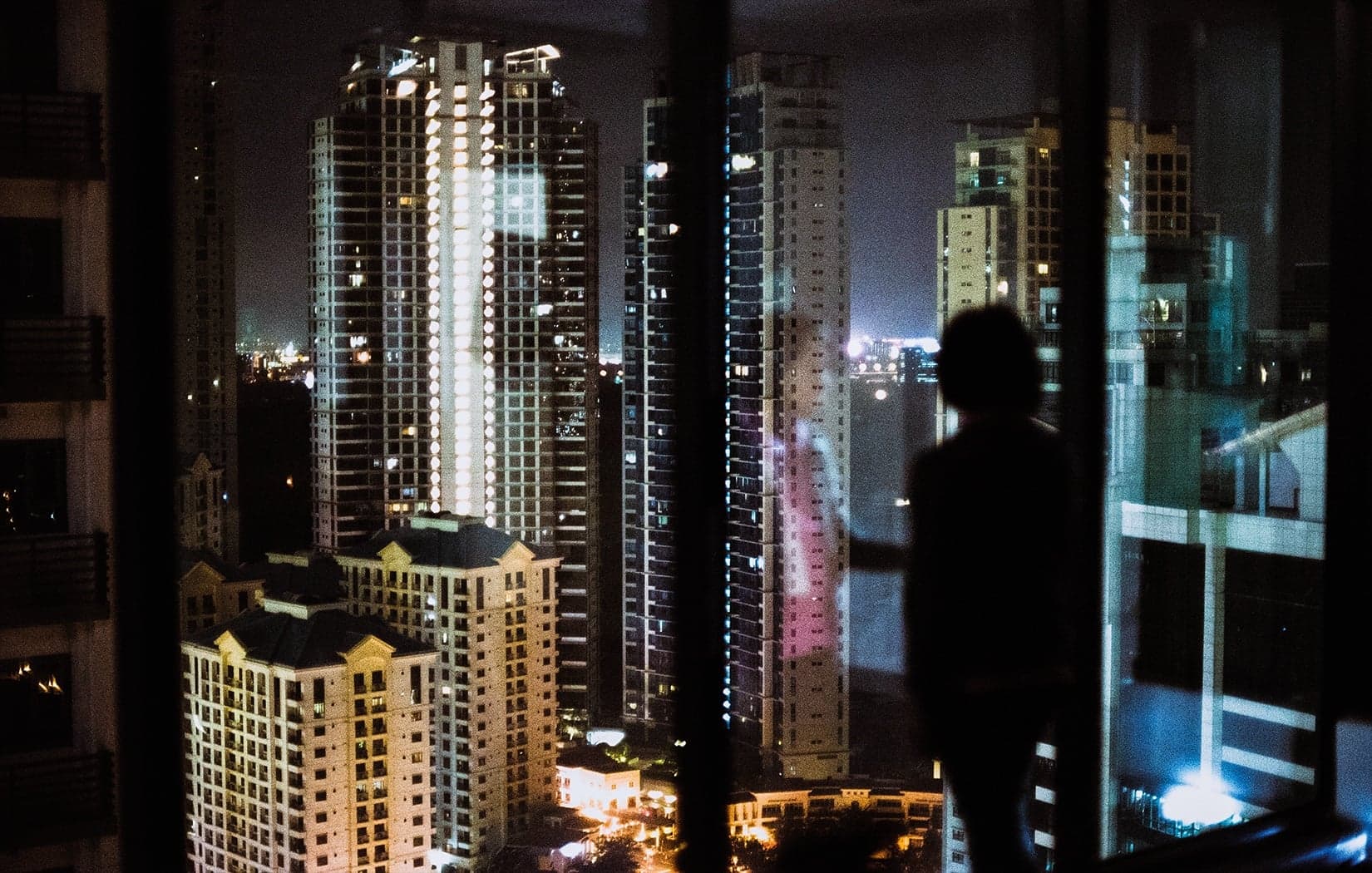
《網路清道夫》這部紀錄片,便將鎂光燈投放在這群網路內容審查員身上,讓大家進一步了解長年待在螢幕背後的他們,是怎麼看待社群審查、如何判斷什麼是不該出現的髒東西,以及這份工作對於他們造成了什麼影響。 這部紀錄片中訪談的現任或前任內容審查員,主要是在菲律賓承接社群平台內容審查工作的外包公司中任職,他們每天要審查超過數萬篇的貼文或照片,必須在短時間內判斷這則貼文的內容是否違反公司的社群守則,並決定這篇內容是否得以刊出,進而被社群媒體上的其他用戶看見。

In today’s world, is mutual understanding still possible? When authoritarianism resurges, power is concentrated in the hands of corporate giants, and fake news floods every channel, even basic communication between people has become a daunting challenge. The team at Chichi’s Notes believes that the desire to communicate stems from our human longing to understand the unknown. As long as we stay curious and refuse to accept a black-and-white view of the world, meaningful dialogue remains possible. This online film program begins with the theme of fake news and self-media, inviting viewers to reflect on how media shapes public perception. Through the lens of documentary, we question what we take for granted and challenge our assumptions—listening to the confessions of dictators and digital nationalists, exploring the resistance of cults and subcultures, and blurring the line between criminality and creativity. We hope these films offer glimpses into our shared struggles and desires—and open up new spaces for mutual understanding in a world that feels increasingly divided.
當代社會中各種技術發展突飛猛進,而基因複製、人工智慧等技術的發明,更深刻影響著我們的生活。「超限社會」專題影展與C-LAB年度展覽共同推出,在本次影展中放映「第四公民」、「網路清道夫」、「人類未來方程式」、「回憶三部曲」、「星際漫步」、「我可能不會生下你」等六部影片。除了「回憶三部曲」、「星際漫步」邀請觀眾進入充滿想像力的宇宙,其餘的影片也邀請觀眾共同思考:對於技術無止盡的追求,將如何影響我們的社會,我們真的已經準備好被技術宰制了嗎?

In a society as warped as ours, who has the right to call themselves "normal"? Six teenage boys, locked inside their New York apartment for years, understand the world through their collection of 5,000 movies. An invisible army of overworked gig workers scrubs your social media feeds clean—out of sight, out of mind. Three adult women, posing as underage girls online, expose over 2,000 suspected child predators. In the U.S., a teen kills another—over a pair of rare, resold Air Jordans. Elsewhere, a group of people worship Satan—not to spread evil, but to resist the suffocating grip of far-right religious politics. So—are these people “normal”? Are they not? And who gets to decide what “normal” even means? Giloo presents 10 documentaries that explore the lives of those often labeled as “abnormal”—but who, in their own ways, might just be the most honest reflections of our times.
The rights protected by the two covenants are vast and far-reaching—so much so that even if we narrated them like a modern-day One Thousand and One Nights, we might still never finish. And yet, there’s so much we want to say, and only so much we can say. From refugees and the principle of non-refoulement, to inclusive education for persons with disabilities; from climate change and the right to adequate food, to Losheng Sanatorium and the fight against forced eviction; from state violence to transitional justice—these layered issues form a dense, interwoven fabric. Even if we only manage to capture fleeting glimpses, we still hope that through each human rights film festival, and through every note we take along the way, we can preserve a few shimmering fragments of truth. Together, we may begin to outline the most vivid and realistic images of human rights. Don’t forget: After watching any film in this program, be sure to complete the survey. It’s not just a way to deepen your understanding of the human rights themes linked to the covenants—it’s also your chance to enter our prize draw!