2006
Berlin International Film Festival
《柏林日報》讀者評審獎

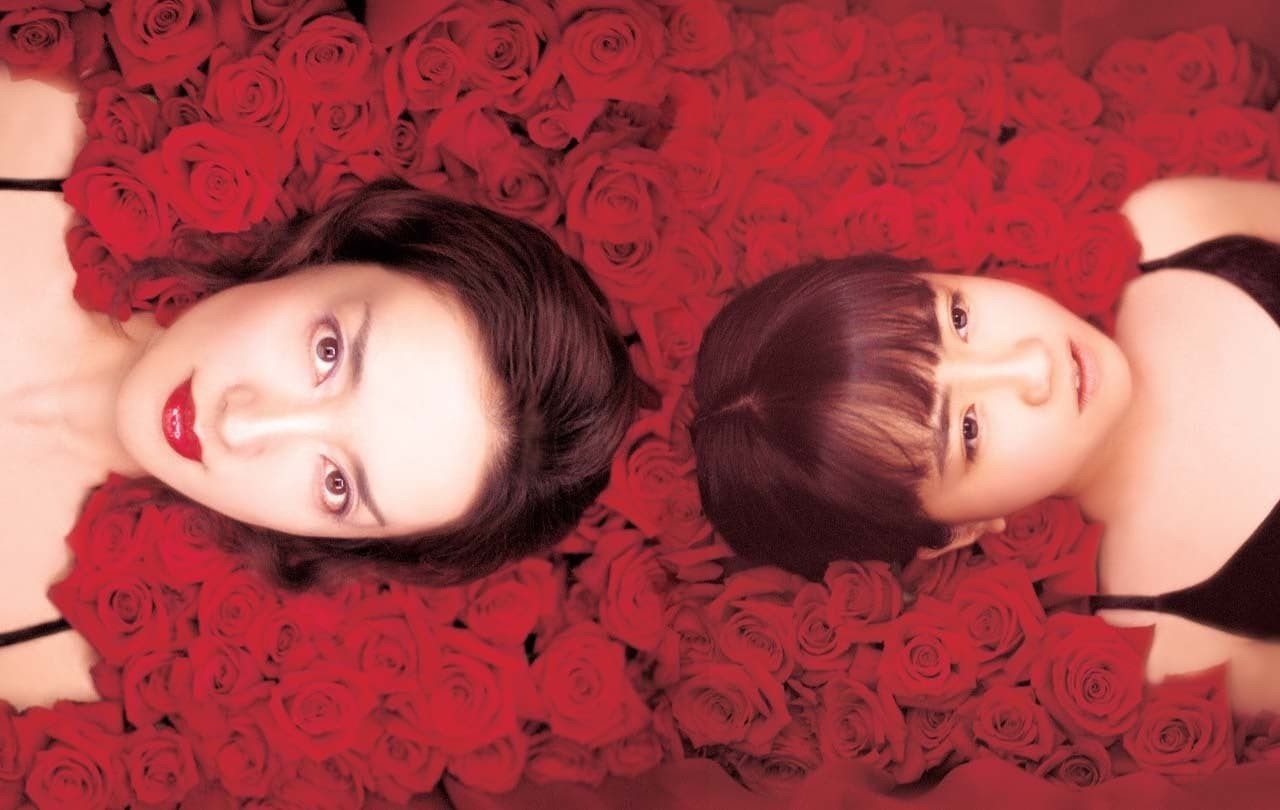
Directed by 園子溫
《柏林日報》讀者評審獎

園子溫近期被爆出難堪的醜聞,我們觀者是否可以從其作品,尋找到一些蛛絲馬跡與脈絡,又或著,我們可以從作品中,看見導演本人?這其中道德、藝術、哲學上的思辨,或許還得繼續延續。
過去訪談中,園子溫曾提及他認為日本(文化)像箱子一般,島國地理位置的天然環境,塑造出許多「框架下的思考方式」,這點相當有趣。(補充連結:https://offscreen.com/view/sion_sono)
 An Interview with Sion Sono
過往對於園子溫那強烈的對比充滿興趣,其暴力、奇幻、情慾、超現實等風格,建構出許多對於創作的想像,如何不受束縛,以及打破框架,甚至於電影內容強烈暗示或反諷現實社會,
「美津子」這名字多次出現於園子電影之中,園子溫之所以對此名溫情有獨鍾,據傳是因為這是他小學初戀情人的名字,或許也可以連結到為什麼美津子會時常出現於園子溫的情慾世界中。
片中三次的翻轉,譬如馬戲團中的虛幻片段,有種夢中夢的概念,但回歸現實的投射,也或許是人們對於「傷痛」的逃避機制,不願面對,所以尋求虛幻扭曲的想像,作為止痛藥。
園子溫《奇異馬戲團》承載著的不只是摩天輪、旋轉木馬等遊樂設施。更像是一場盛大的怪胎秀:侏儒天使、不倒翁女、變裝皇后,好像一場畸零人物的百鬼夜行。但不管是馬戲團,還是怪胎秀,好像都沒有很清晰的指向電影所呈現的眾生面貌,其實一直都有那樣一個詞彙更為貼切:地獄。 真的跟地獄太過相像,用血紅色漆滿斑駁的牆,少女美津子成為供物。被父親的性慾跟母親的嫉妒籠罩,就像美津子被叫進校長室,單槍投影的色情片投影在她的身上,原來少女是投影布幕,她身上上演的一切都是不幸。少女從頂樓躍下,慢動作鏡頭拍攝下像是天使降生,事實上是墮入地獄,所以鏡頭轉而一陣血肉模糊。 但其實少女不是布幕,而是稿紙,一切不幸都被寫在身上,實際上的美津子跟小說家三澤妙子筆下的美津子時而疊合時而分裂,就像電影講的那樣:「解離」。少女的肉身被撰寫、修改、覆寫,像母親鞭打,像她拿著刀往自己的腿上抽插。 像電影裡一個很突兀的段落,一個關於「傷疤」的互助會,大家講述為何在身上留下疤痕,雄二說了一個有關花與花瓶的故事:心是花,肉身只是乘放花的花器。剮肉削身像器皿的陶造。故事真的像花一樣盛放,夢中夢中夢顛覆一切虛實,真跟假的難以辨認實則指向的是不需要去辨認,在電鋸聲跟笑聲之間美津子的故事結束。於是又回到馬戲團的故事,最後的斷頭台就是少女美津子言說的體現: 「我原本就是出生在死刑台上的,要不然 一定是母親站在死刑台前把我生下,然後我代替母親站在那裡。」 一場少女輓歌,畸零人們起身鼓掌,少女美津子跟雄二也都起身拍手。斷頭台落下,一切不幸都沒有辦法迴避。 被做成人彘的父親被綁在床上任人踐踏 ,想起這樣的一段話: 「天地不仁,以萬物為芻狗。」
Why did someone like Gorbachev—who tried so hard to reform his country—ultimately meet a dramatic and tragic end? Why did a Chinese teenager, once full of unquestioning patriotism, become a disillusioned critic of society? And how does a taxidermist, working with lifeless animals, come to glimpse the mysterious kingdom of death? The team at Chichi’s Notes has handpicked 13 standout documentaries from Giloo—recommended for those who care about current affairs and remain endlessly curious about the world. Whether you're drawn to politics, identity, science, or the unseen corners of society, this collection offers something for every thoughtful viewer.
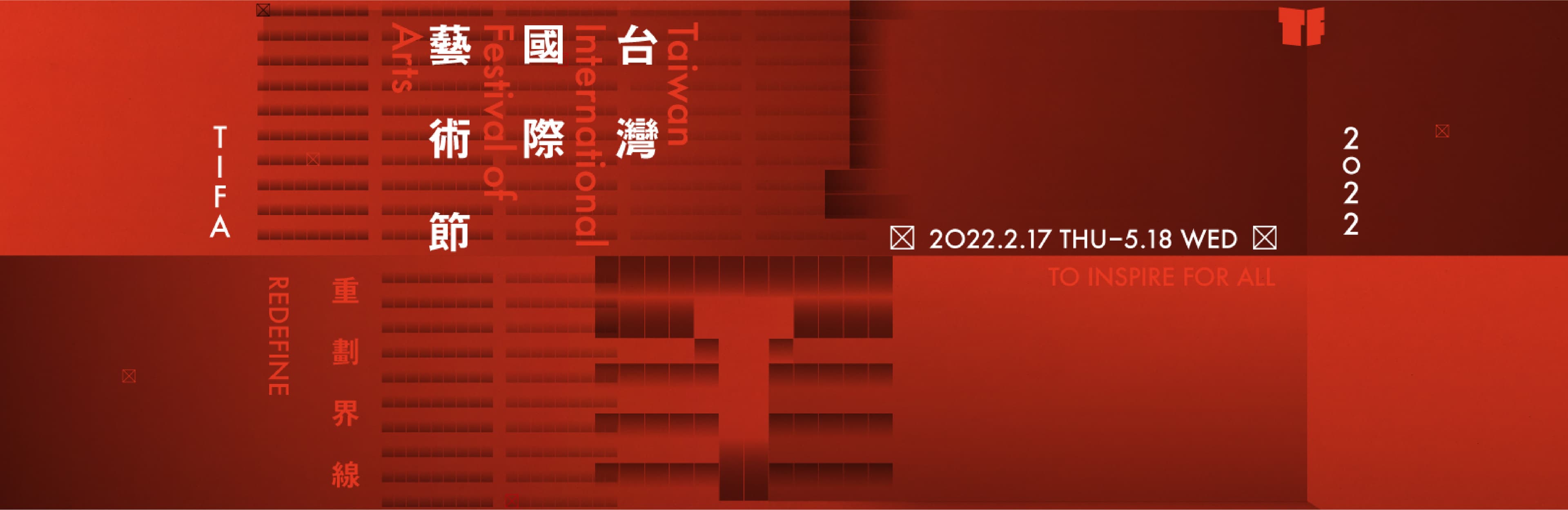
Love can bind—but it can also unravel. When blood becomes the beginning of tragedy, home turns into an inescapable prison. In collaboration with the National Theater & Concert Hall, Giloo Documentaries presents the 2022 TIFA Film Series. At its center: a decades-old murder born out of love, a secret buried by three generations for over half a century… What should a family be? What does a “home” really mean? Alongside this series, the NTCH presents special screenings of Amsterdam’s Internationaal Theater’s House of Ibsen and After the Rehearsal / Persona—two powerful theatrical works that explore love, memory, and the haunting weight of family legacy. Come experience these epic family sagas, and witness the many faces of love.
The kind of person you are shapes the kind of film you make—with Sagittarius directors, this couldn’t be more true. At 19, I watched a film by Emir Kusturica, and it completely changed the way I thought about filmmaking. The first time I attended a film festival, I was “shocked” by the featured director, Terayama Shūji. I stumbled into film school by chance, but it was in a film analysis class that Yasujirō Ozu’s black-and-white depictions of family life stirred memories from my childhood. Later, on my own filmmaking path, I was left speechless by Kim Ki-duk’s rapid production pace and prolific output. Thank goodness for cinema! For a freedom-loving, wildly imaginative Sagittarius like me, filmmaking is how I express the spirit of adventure, passion, and courage that defines who I am.
Family isn’t always unconditional love. Sometimes, it’s the very beginning of a lifelong entanglement—or even hatred. A cult leader yearning for motherhood. A New York boy locked away by a controlling father. A mother who never grew up, and a child abandoned by the world... There’s no fixed definition of an “ideal family,” but broken families come in countless forms. Giloo presents 5 films about fractured households—and asks: If there’s a monster in your home that you can’t escape, can you still call it a safe haven?
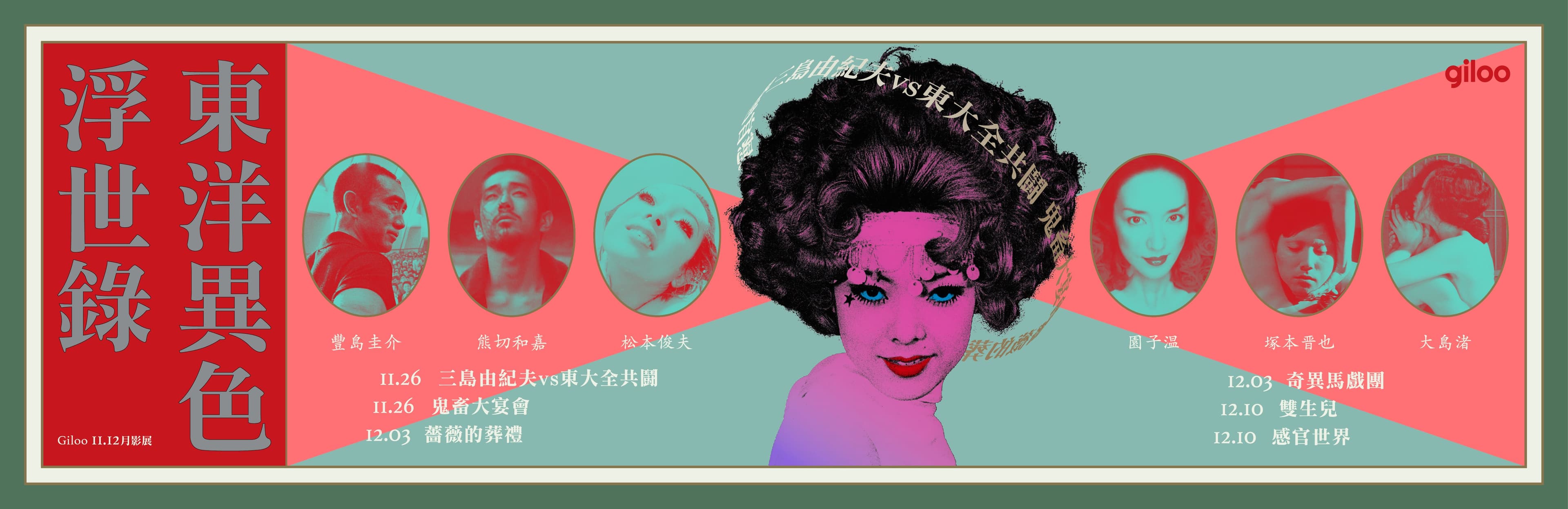
Some choose to change society through words. Some release pressure through acts of violence. Others exile themselves in sex. When values and beliefs collapse, what remains—ghosts or humans? In a world spiraling out of order, they descend into collective ecstasy and moral decay— yet also rise in fierce, unrelenting debate. They may be revolutionaries from Japan’s student movement era, a gay man reenacting the Oedipal tale of desire and patricide, or men and women consumed by the thrill of power and lust. But beneath these extremes of reason and emotion lies a common thread: a desperate, lucid critique of existence itself. Giloo presents six handpicked films from East Asia— each delving into a raw and radical human struggle on the edge of belief, where the urge to live collides with the desire to disappear.
The late Taiwanese writer Lee Wei-jing wrote in her book I Am Hsu Liang-liang: “But how could you blame a girl? Isn’t that what girlhood is? Only through an intense yearning for love can one generate the power to change the world. The ability to defy the universe—that is the essence of a girl’s strength.” A girl’s love, youth, and sorrow have long served as the most compelling themes in art—and the ones most longed for by creators. Through the devotion and actions of girls, these stories blossom, rooted in the fierce emotional landscape of adolescence. The artist's ambition may be real, but can the girl’s heart remain authentic under the aesthetic filter of art? This playlist features films that place girls at the center of the gaze—their bodies and desires exposed to the audience. But are these girls truly vivid and alive, or merely aestheticized slices of youth? The answer awaits you in viewing.
For me, most of my creative work stems from past life experiences—sometimes shaped by my feelings toward a city, other times sparked by an interest in a particular issue. These elements collectively form the thread of thought that defines who I am in the present. What draws me most to documentary films is the opportunity to follow a director’s unique perspective—like stepping into a time tunnel, witnessing the unfolding of people, events, and moments. And it’s from these deeply felt encounters that I find the inspiration to transform them into new creative energy.
The erotic classic The Lover boldly pushes the boundaries of sensual cinema. Freaks blends horror and surrealism into a provocative spectacle of visual violence and beauty. In In the Realm of the Senses, an unforgettable depiction of suffocating, all-consuming desire secures its place in film history. In Oasis, two marginalized individuals find a love purer than anything the world around them can understand. And in Merry Christmas, Mr. Lawrence, Ryuichi Sakamoto and David Bowie share the screen—and a legendary, forbidden kiss. These films dare to confront desire, taboo, and tenderness—through shock, poetry, and unforgettable images.
Austrian psychologist Alfred Adler once said: “Lucky are those who heal their whole lives with childhood; the unlucky spend a lifetime healing from it.” Family isn’t always a source of happiness. For some, the deepest wounds were left at the very beginning of life—long before they had the words to name them. Giloo presents a selection of 8 films on childhood trauma, dedicated to those who may not have received the love they deserved. May these stories accompany you as you face the past, and gently begin the journey toward healing.
Humans pride themselves on being "rational animals," yet in waving the banner of reason, how often do we overlook the passions and turbulence that defy reduction? Are our actions truly as orderly and logical as we believe? At what point does the pursuit of order and truth tip into the realm of madness? Perhaps "strangeness" is an essential part of being human — and the boundary between reason and insanity is far thinner than we imagine.