2017

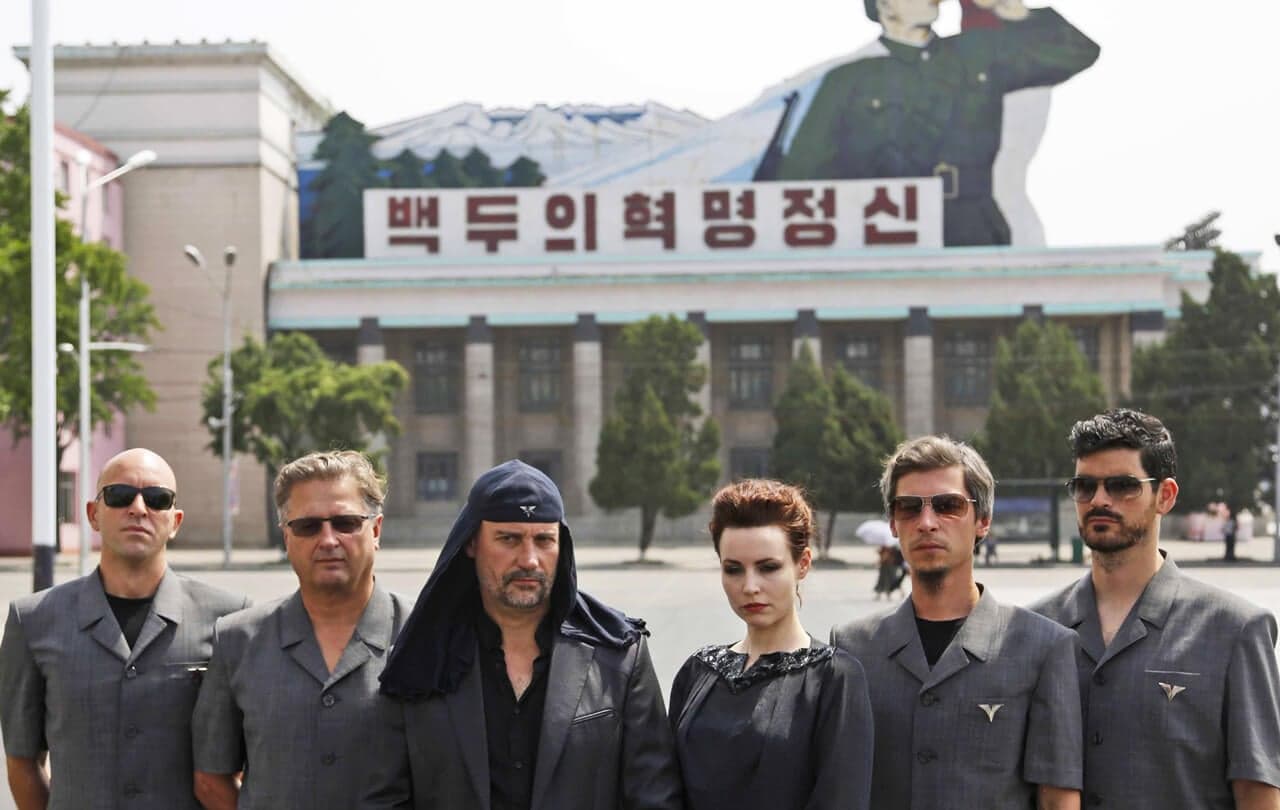

北韓搖滾解放日 因為在這體制裡,在這文化裡人們在出生以來就學到個人做決定是有風險的,任何需要做決定的時候,在做決定之前一定要確保所有人都同意才行,大家共享責任,共享過錯‧ 在北韓重要週年紀念日,叛逆樂團「萊巴赫」來到保守國家北韓表演,在來到北韓後面對一連串的文化衝擊,光是拍照就會怕穿著代表的不好的意識形態,更別說彩排.... 經過很長的雙方溝通和修改,終於完成表演,在面對到現在還存在的共產極權國家,也見證環境的秩序和和諧,雖然這只是北韓首都,不過或許也代表我們對此國家不夠了解,所以才會有意想不到的空間‧
M011_北韓搖滾解放日 2022.05.31 【簡介】 喜歡惡搞的搖滾樂團萊巴赫和保守的北韓政府會碰撞出什麼火花呢?在準備演出的過程中,不論是在器材上,還是制度上,雙方的認知差異都非常大。但在不斷的協調與相互退讓中,萊巴赫仍成功成為首支在北韓演出的外國樂隊,並讓外國觀眾有機會一窺北韓神秘的制度與文化,也更了解北韓不同的面向。 . 【感想】 這是經由敏迪 @mindiworldnews 推薦,在Giloo紀實影音平台 @giloo.ist 上觀賞的電影,謝謝讓我看到很棒的電影。 電影開頭先是交錯呈現西方世界中粉絲對偶像的瘋狂,以及北韓人民對領導人的崇拜。這兩者本質上或許沒有太大的差異,都是群眾對個人的追捧。這是我們從新聞媒體中認識的北韓,但這是全部的北韓嗎? 電影中呈現出北韓的許多面向,有審查嚴格的地方,有要遵守規矩的地方,但也有美好的一面。人們在廣場跳舞,在戶外運動,孩子們穿著整齊的制服去上學,合唱團少女們清澈的歌聲,都讓人覺得在現在混亂的世界中,北韓某種程度上也算是世外桃源,至少在首都平壤算是。令觀眾得以用另一個角度欣賞北韓的樣貌。 極權國家和專制國家的確有許多缺點,但也無法否認他們也有美好的一面。我曾去過一個君主專制的國家,裡面也如同電影中的北韓平壤,很祥和有序。但在處理事情上面,也如同電影中所呈現的,有許多規則且規則混亂,常常讓人無所適從,有爭議的地方需要一直上報才能知道結果。不過身為外人,我認為不應用自己的價值隨意批判他國的制度,或許有不認同的地方,但保持尊重,用心理解,才是能使雙方交流更多的方式。至於讓各國都民主化,只能說那可以是遠期的目標,最後的終點,現階段應是加強交流才是最實際的方法,我是這麼認為的。 . 【觸動的句子】 1.所有藝術都易受政治操作,只有也採用政治操作的藝術,不在此列--萊巴哈 2.要真正顛覆一個體制,不是去批判它的官方價值,而是去揭露它隱藏的反面。 3.我對和平沒什麼興趣,我感興趣的是真相,但有時候真相不會帶來和平,真相帶來改變,帶來困惑,帶來令人不安的事物,擾亂我們的世界觀,擾亂我們的自己的認知,對世界的認識。 4.崇拜的需要,在人群中放掉自己的需要,這並不會反人性,反而是人性的深層。萊巴哈的這項功能依然強烈,因此他們現在還是個重要樂團。 5.在我們的西方世界,也就是自由啟蒙的西方文明,只剩下很少的集體崇拜的場域,一個是足球賽,另一個是搖滾演唱會。這些是僅存的能夠讓人在人群中放掉自我的場域。 6.每面牆都有裂縫,鬼魂就是從裂縫進來。問題在於,裂縫是否必須變大?因為這些人比起世上許多人,看起來真的是快樂的。 . #Burnink_電影 #Burnink_Movie @burnink_98 #北韓搖滾解放日 #LiberationDay #烏吉斯瓦勒特 #UgisOlte #莫昂滕特拉維克 #MortenTraavik #挪威 #Norway #斯洛維尼亞 #Slovenia #拉脫維亞 #Latvia #北韓 #NorthKorea #搖滾 #Rock #這些國家那些事 #TheseCountriesThoseThings #敏迪選讀 #mindiworldnews #Giloo紀實影音 #紀錄片
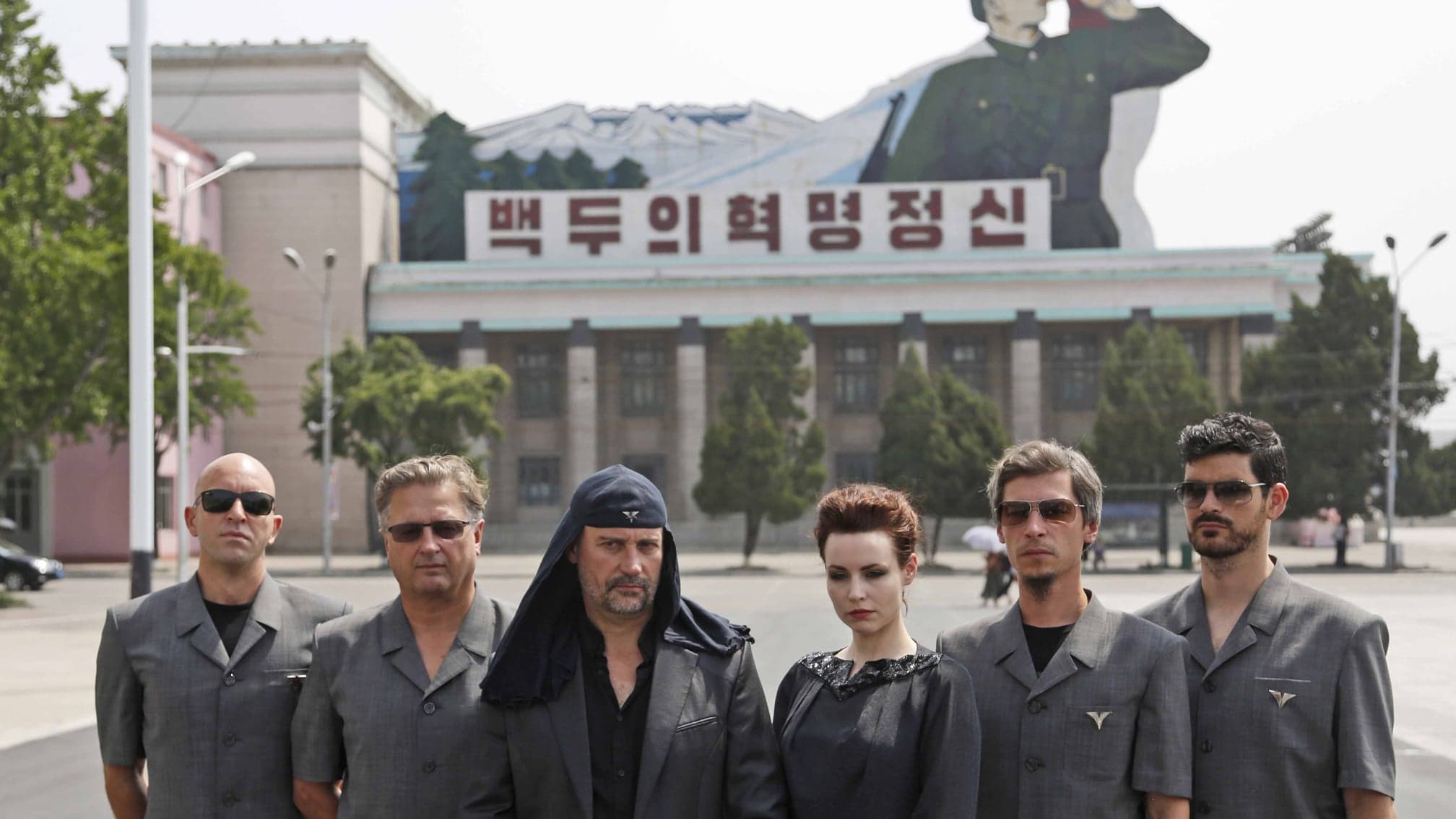
《北韓搖滾解放日》是由挪威籍導演莫頓・托拉維克以及拉脫維亞籍導演烏吉斯瓦勒特所拍攝的紀錄片,講述斯洛維尼亞工業搖滾樂團萊巴赫(Laibach)在導演莫頓引薦下,獲邀至北韓脫離日本殖民統治七十週年「解放日」演出。
Film is one of the fastest ways to get to know a country. In just an hour or so, a movie can take you through its streets, speak its language, and tell its stories from the inside out. Don’t worry—we’re not here to dive into complex geopolitical debates. In this film program, you’ll meet a wild rock band raising chaos in North Korea, a group of Danish men who really love to drink, and witness the everyday madness of the Russian “warrior people” through dashcam footage. These films don’t aim to explain entire nations. Instead, they focus on the little things—the strange, funny, messy bits of daily life. And isn’t it exactly these small moments that, together, make up the kaleidoscope of a country?
Music and sound may seem fleeting, yet they leave lasting impressions in the hearts of listeners—sometimes even becoming songs passed down through time. Beyond sensory pleasure, the act of creating sound often carries a message shaped by a specific social context. Whether it is to resist mediocrity or to resonate with the land of daily life, sound conveys cultural memory and helps bring individuals together.

While watching a film, you’ve surely thought—if only I were there. Whether it’s the breathtaking landscapes or the long, winding paths walked by the characters, something pulls you in. John Berger once asked, “Did you come by photograph or by train? Every photograph is a means of transportation.” Let these documentaries be letters from afar— delicate invitations to places you’ve never imagined, and journeys you’ve never taken.
Rock isn’t just a genre—it’s a culture, a way of life. Some may seem bizarre or outrageous, but they’re actually artistic geniuses. Some pioneered new sounds that shaped generations. Some wielded the pen like a sword, turning rock into a cultural force. Some stood tall against oppressive regimes, refusing to unclench their fists. Giloo presents 11 essential rock documentaries. So if anyone ever asks you what rock is, just tell them: watch these films. Don’t ask me what rock means—feel it.
After an eight-year hiatus, Echo is back, continuing to praise the essence of life with their beloved rock music. Yet, behind the music, each member has undergone different life experiences. Through this film selection, we aim to offer a deeper understanding of the unique Echo Band. Literature, North Korea, and Ryuichi Sakamoto are all keywords that each band member has embraced. Through these visual records, you'll also get a glimpse into the members' private film preferences.

Music and sound may seem fleeting—gone in an instant—yet they leave lasting impressions in the hearts of listeners, echoing across time. Sound-making is more than sensory pleasure; at its root, it often carries a message shaped by a specific social context. Whether to resist monotony or to resonate with the land of everyday life, it becomes a vessel of cultural memory and a force that gathers people—bringing individuals closer to one another through shared rhythms and meaning.
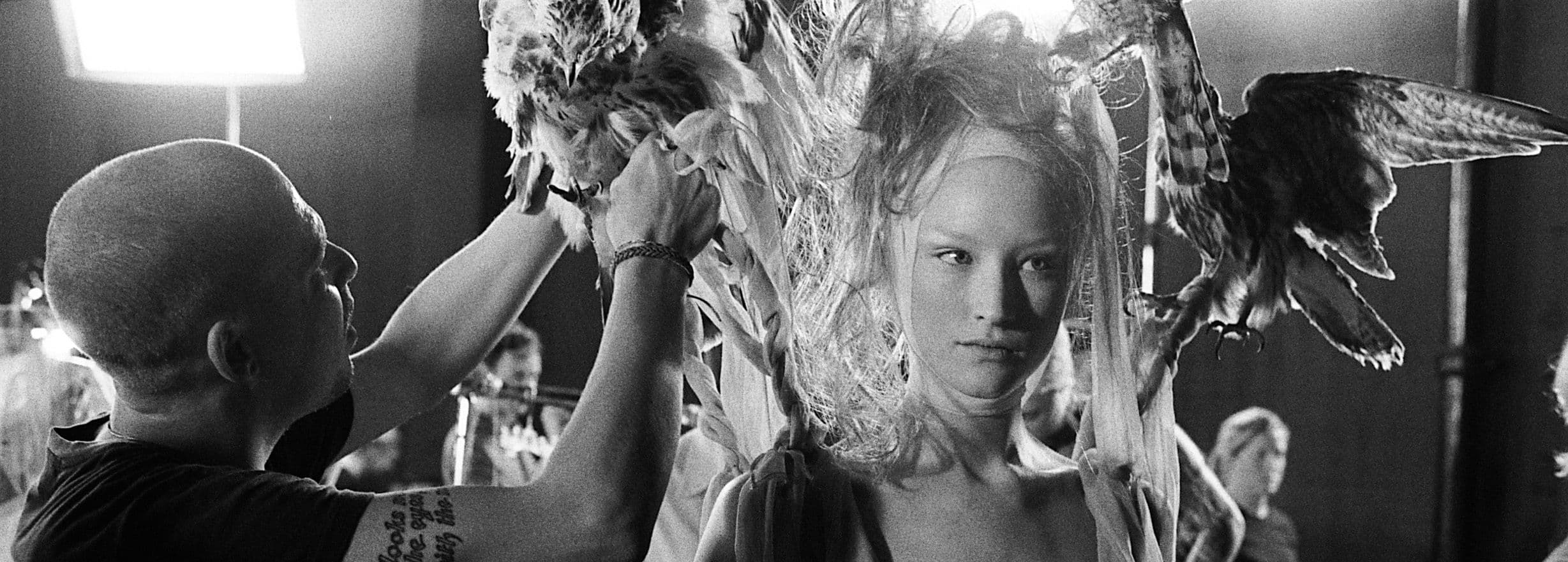
Drawing from Nietzsche’s concept of the “untimely” (Unzeitgemäß), Giorgio Agamben reinterprets the question of the contemporary. For Nietzsche, to be contemporary is to place oneself in a state of rupture and disintegration: “Those who truly belong to their time are those who neither conform to its demands nor adapt to its rhythms. Precisely through this misalignment, they perceive and grasp their era more acutely than anyone else.” Visionary artists often belong to this untimely realm. From the tragic brilliance of fashion icon Alexander McQueen, to Chinese photographer Ren Hang’s raw, poetic gaze; from the transcendent cinema of Andrei Tarkovsky, to the solitary grandeur of Austrian writer Peter Handke, and the provocative anti-totalitarian performance of Laibach—these creators exist where genius borders on madness. Watch how they spark moments of radiance within the mundanity of flesh—the fleeting glow of existence.