
Woman who dreams
"What kind of dreams can we see in a woman?" — What if we remove "woman"? Does the answer change? I ask myself, then I wonder again — why should "woman" be removed? Are there differences or similarities between a "woman's" story and a "person's" story? If there are true distinctions, what would they be? And am I deeply drawn to it as a woman, or as a person? Perhaps the answer is irrelevant, but within irrelevant questions, the most unignorable answers often lie.
 Author葉家瑜
對於自我介紹苦惱了 35 年的女子,有過很多無關緊要的稱呼,現在更願意稱呼自己是「說故事的人」,主持《普通煩惱自救會》與《歡迎光臨真實世界》兩檔 Podcast,正在進行《保持通話》電子報寫作計畫,I,m fine, thank you, and you?
5 films
Little Girl
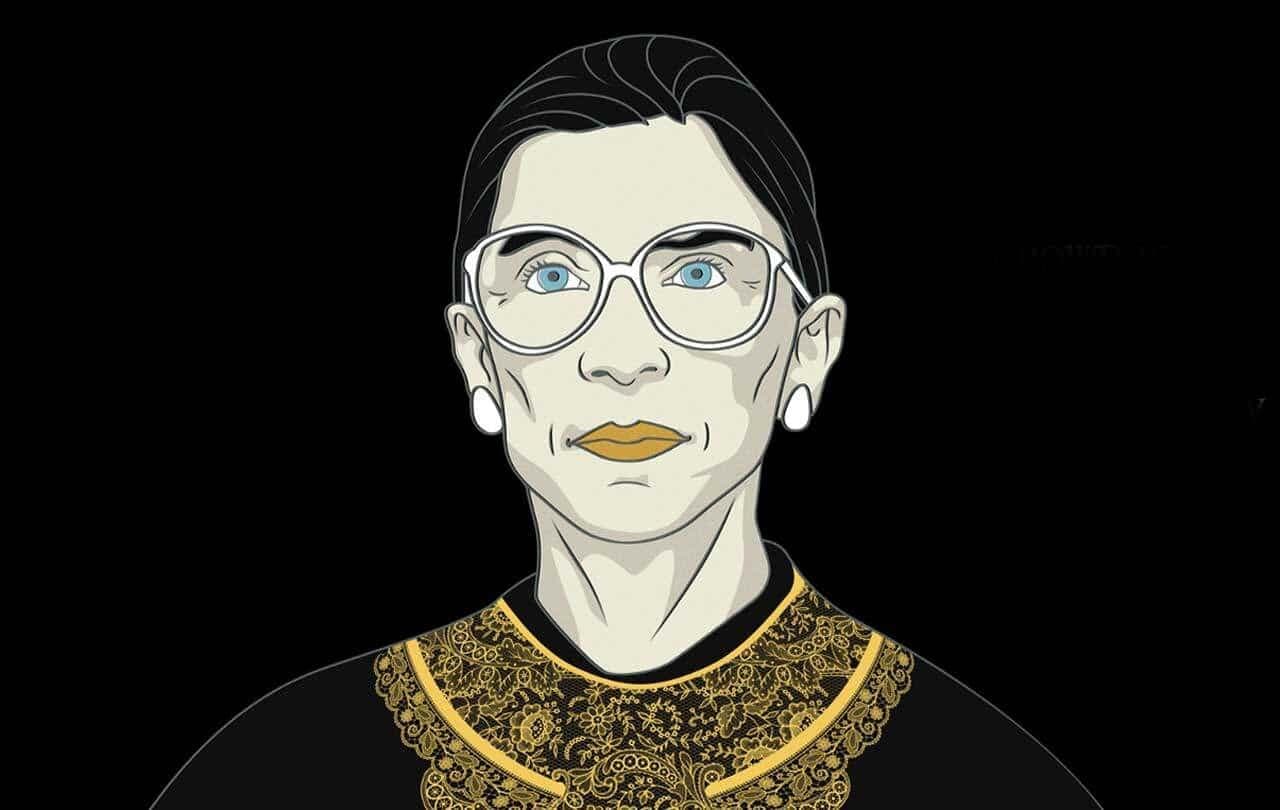
RBG
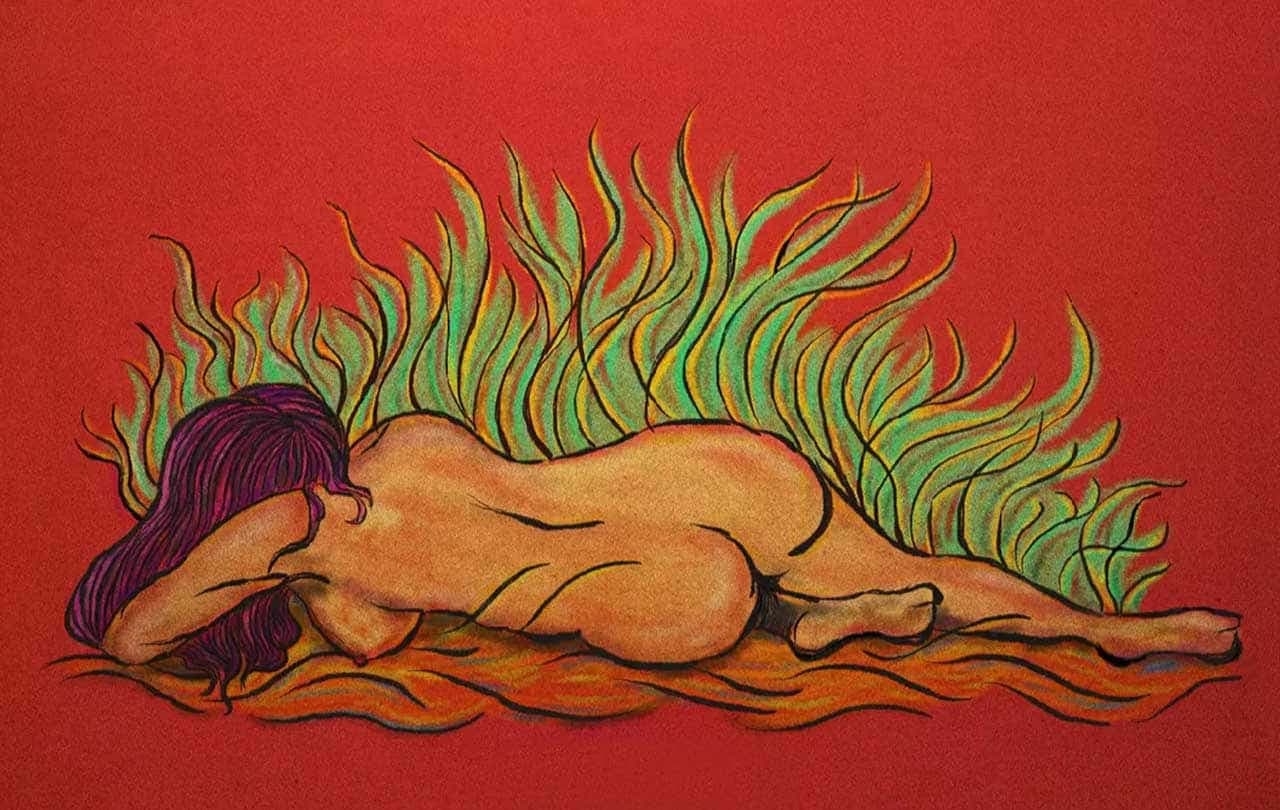
Still Tomorrow
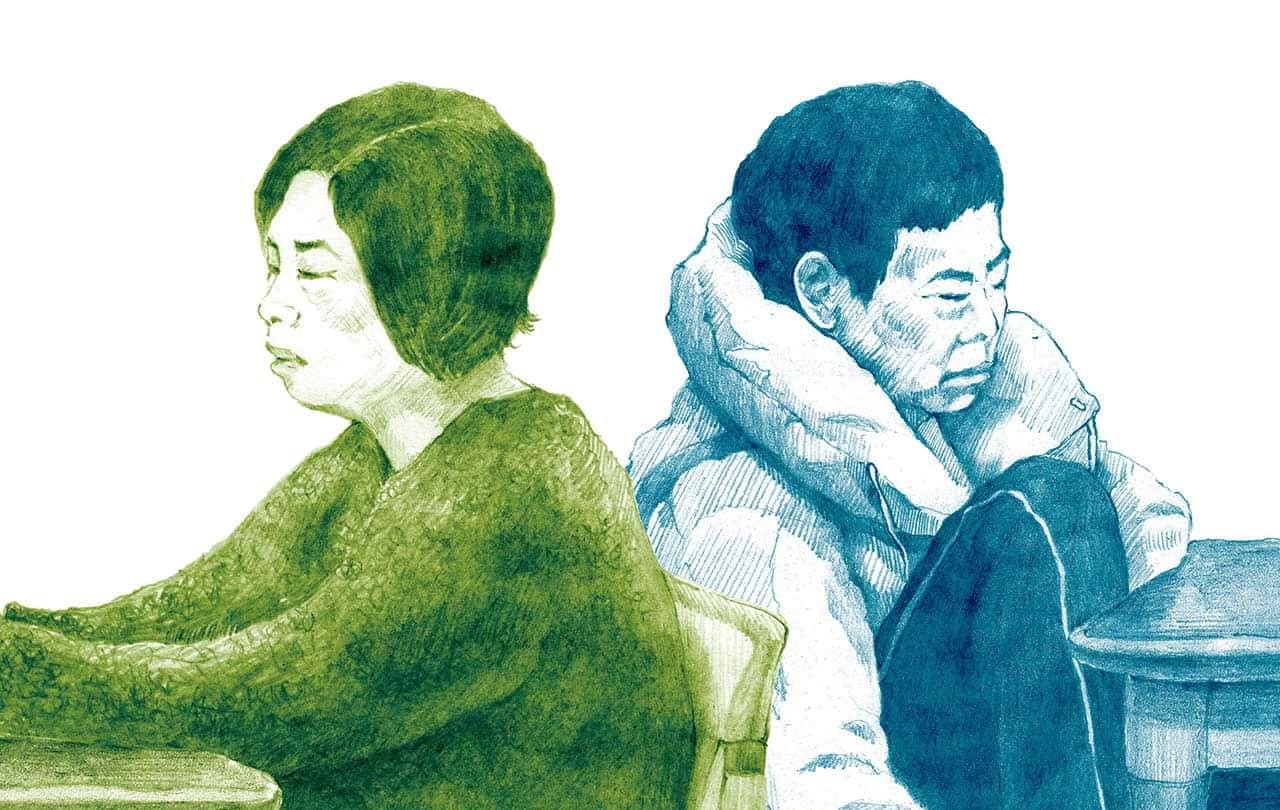
Small Talk
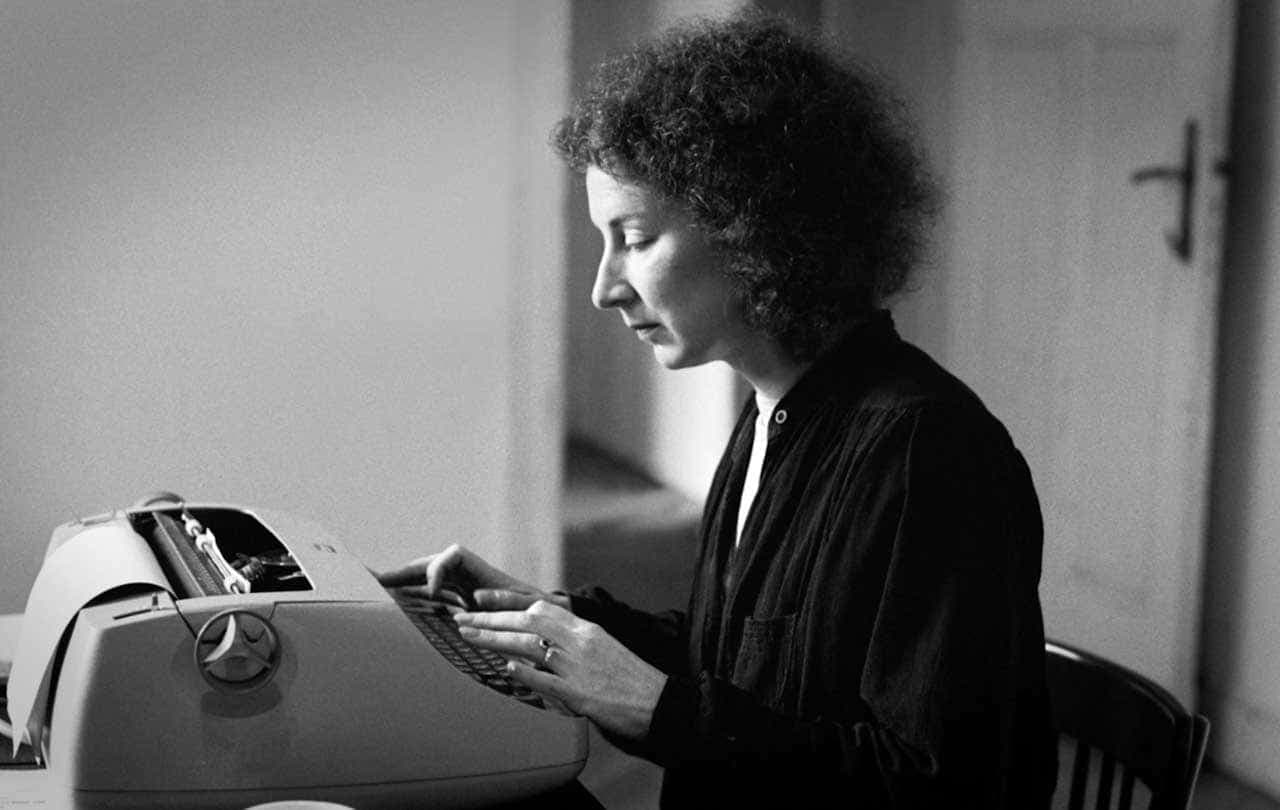
Margaret Atwood: A Word after a Word after a Word is Power
Popular
Those irreversible slices of life
Recently, in a novel I've come to love, I found myself grasping the weight of life's slices. In the story, there is a wicked sorcerer who freezes people in the instant just before tragedy strikes—suspending everything, sealing it into a crystal ball, and building an entire museum from these frozen moments. And isn't film, in its own way, just as cruel? As viewers, we are little more than instruments for collecting tissue slices—slipping into a character's world for a single fleeting moment, wandering through it in passing, only to return, in the blink of an eye, to the reality that is our own.