
What was exchanged ?
Why do we always feel a deep sense of resonance when reading family narratives or watching family films? What exactly have we exchanged through them? How can those trivial details expand into something universally human? And what about empathy in photography? When the lens stares directly at reality and confronts the pain of others, does it feel like part of your soul has also been taken? In staged photography, even if the photographer clearly doesn't care about souls and focuses only on the face, chest or legs, the subject and the viewer may still sense that the spirit has either been empowered or diminished. Between taking and being taken, seeing and being seen, what have we exchanged?
 Author廖瞇
台北出生,高雄長大,靠父母洗照片養大。大學讀了七年,曾就讀工業產品設計系與新聞系。著有詩集《沒用的東西》、非虛構書寫《滌這個不正常的人》。曾獲第二十屆台北文學獎文學年金、二○二○年台灣文學金典獎等。瞇是細細地看,慢慢地想。認為生命中所有經歷都影響創作。現以文字為生。
6 films
My Sister
Mother
On Happiness Road
In My Eyes
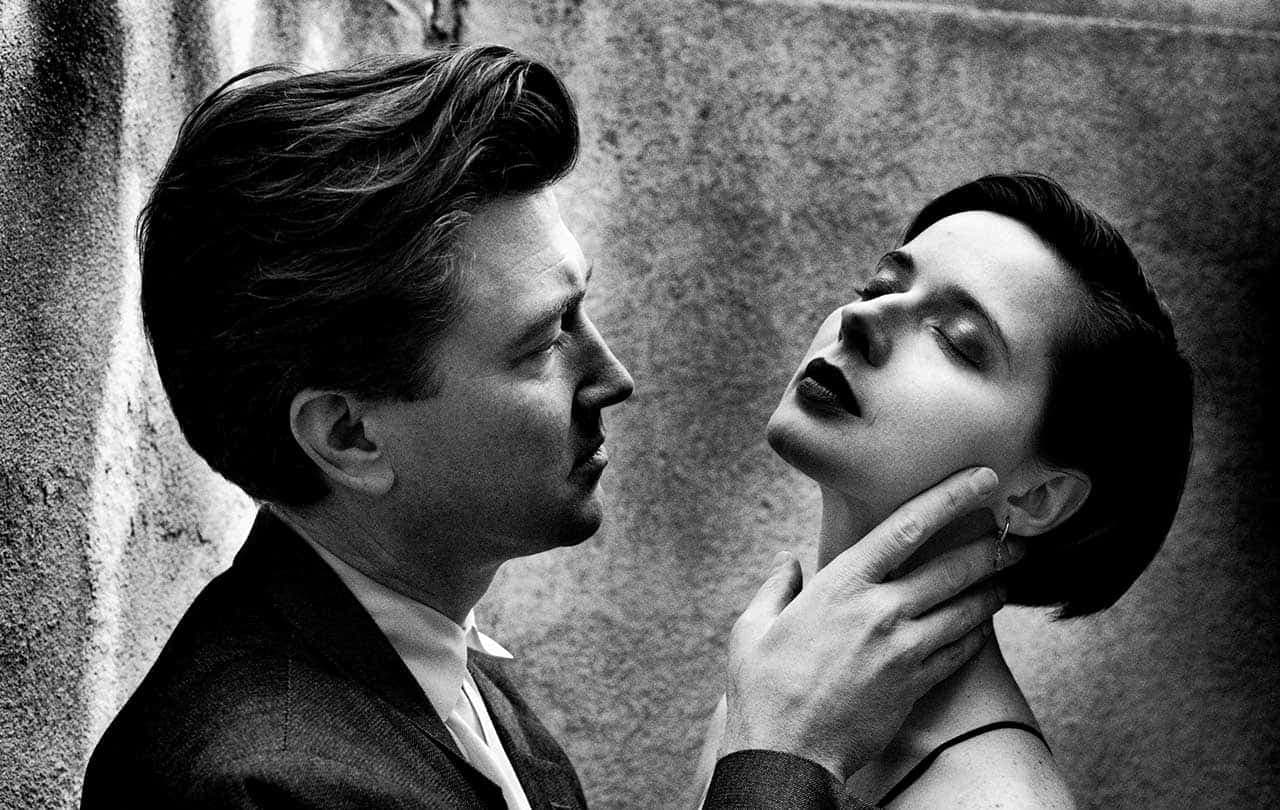
Helmut Newton: The Bad and the Beautiful
Minamata
Popular
Kinda Loser-ish, But Kinda Nice
“Lu-se” (魯蛇, Taiwanese internet slang borrowed from the English word “loser”) seems to have become a dead word. You rarely hear anyone say it anymore, and I’m not sure why. I don’t think the term can be understood simply as the English “loser.” In the way it’s used in Taiwan, it seems to carry a touch of self-deprecating humor, and that’s a quality I really love. The films above are the ones that, to me, have that feeling.