

“When I speak of a person, I mean someone who is isolated, someone separated from themselves and from the social conditions in which they live. As though withdrawn from society and placed under observation. I believe that within the self, within you, there is always something that society cannot reach—something impassable and impenetrable, yet decisive.”——Marguerite Duras
This lucid, monologue-like passage by Duras opens a rift between the individual and the conventional path. That moment of disconnection from social structures is a space one reserves for oneself outside reality. “Wandering” unfolds in this unregulated realm, searching, between roaming and lingering, for a way not to compromise with order.

Claudia von Alemann’s 1981 film Le Voyage à Lyon is a work that wanders through history. Working amid the second wave of feminism, von Alemann attends to women’s voices overlooked by mainstream narratives. She has her protagonist, Elisabeth, follow the writings of Flora Tristan through the Lyon once traversed by this nineteenth-century feminist and socialist thinker. Tristan understood profoundly the injustices women faced under the law and within institutions. As early as the 1830s, she observed social conditions in Europe, North America, and Latin America through travel and writing, published works including Peregrinations of a Pariah, and argued that the emancipation of women and workers was inseparable.
Some have praised Le Voyage à Lyon as “a true film of sound,” because von Alemann believes that history exists not only in archives but also settles into sound, space, and bodily perception. Stone steps, historic sites, and the sounds of the city all become means of preserving women’s traces. At the same time, von Alemann incorporates reflections on the contemporary domestic lives of women in West Germany, making wandering not only a tribute to first-wave feminism but also an inner portrait of the protagonist.
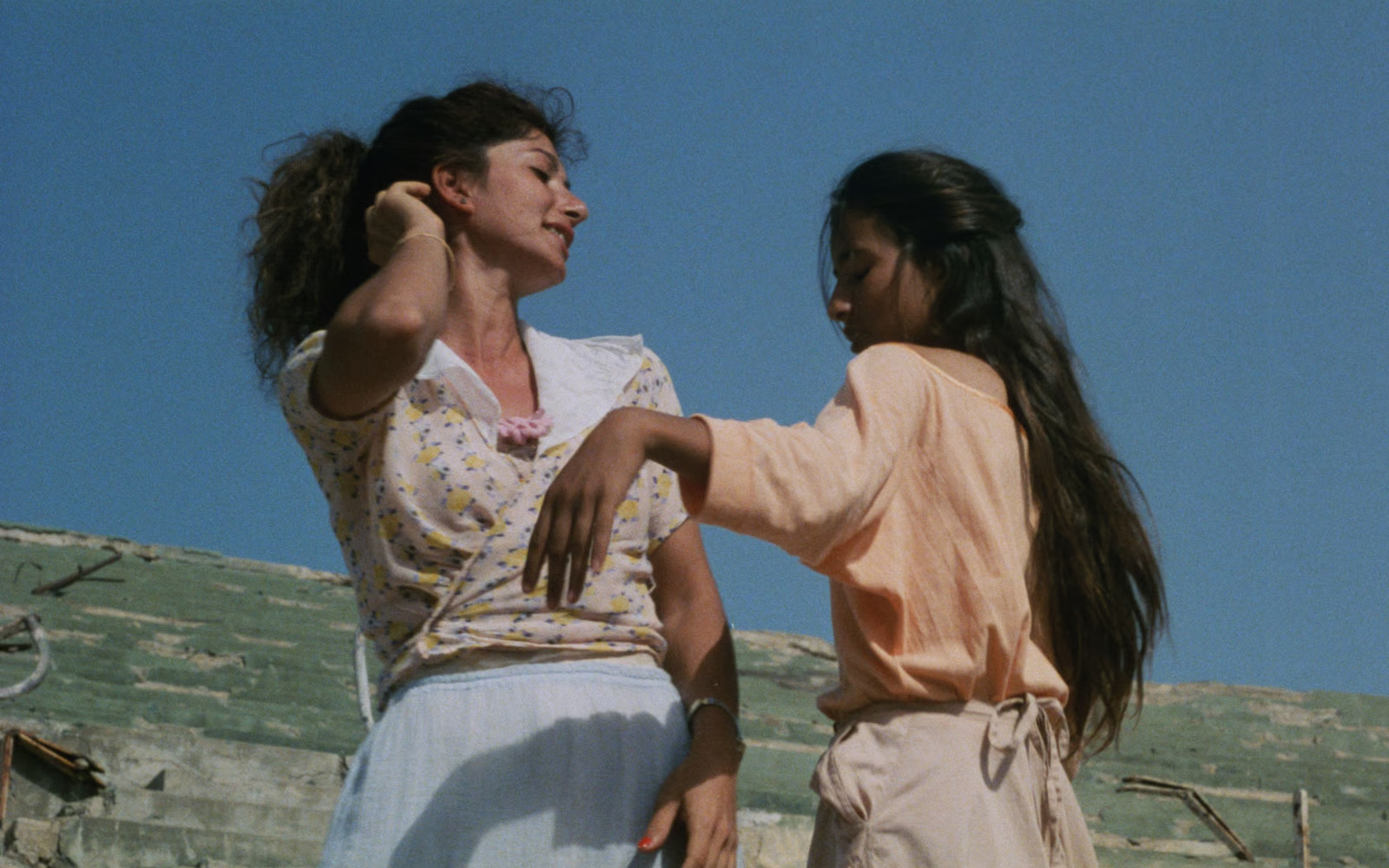
Lebanese director Jocelyne Saab brings wandering into an even more brutal political reality. Her 1985 film A Suspended Life places roaming amid a war zone: a girl crosses Beirut while smoke still hangs in the air, weaving through the ruins. The city is no longer merely a backdrop but a wounded body; “her” walk is “exile in place,” as damaged buildings and human trauma echo one another.
The encounter between the girl and the painter is not a conventional romance but the convergence of two states of being: a young life tries to preserve curiosity, desire, and a sense of beauty in a shattered world, while a middle-aged artist attempts to reconstruct an inner world through painting. Saab once said that she made fiction films to “create places so they can be preserved.” Under her gaze, art and memory are both ways of resisting collapse. An important figure in Arab cinema, Saab forged a cinematic language of both real-world weight and poetic perception across documentary, fiction, and art film.
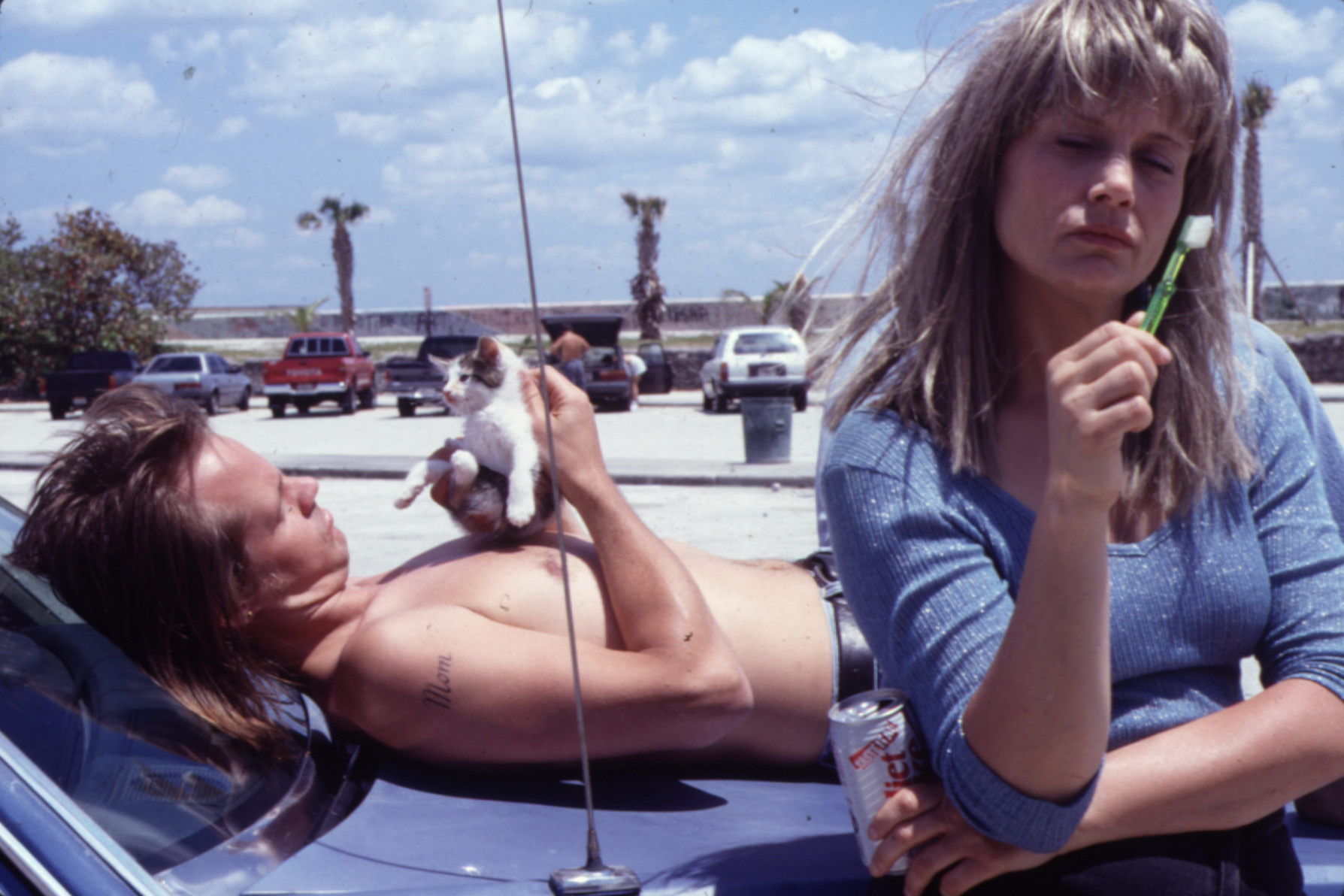
American director Kelly Reichardt’s 1994 film River of Grass takes wandering toward an even wilder detour. The characters’ escape becomes an awkward journey stripped of all sense of direction; on screen, the open road resembles a narrow corridor as they drift, lost, through a desolate landscape. Reichardt carries forward the freedom, drifting, and rebellion of the American road movie while rewriting its male-centered myth of escape and overturning romantic fantasies of lovers on the run and adventure. The structure of film noir interweaves with humor, accompanied by American music and percussive rhythms, giving the film an absurd yet buoyant quality.
The central themes of Reichardt’s filmmaking——“movement” and “searching”——continued to develop in later works such as Wendy and Lucy. Regarded as a leading figure in American independent film and Slow Cinema, she has described her films as “a resistance to modern modes of viewing and the culture of speed”; in an age dominated by the consumption of images, she hopes audiences can once again experience cinematic time and space.
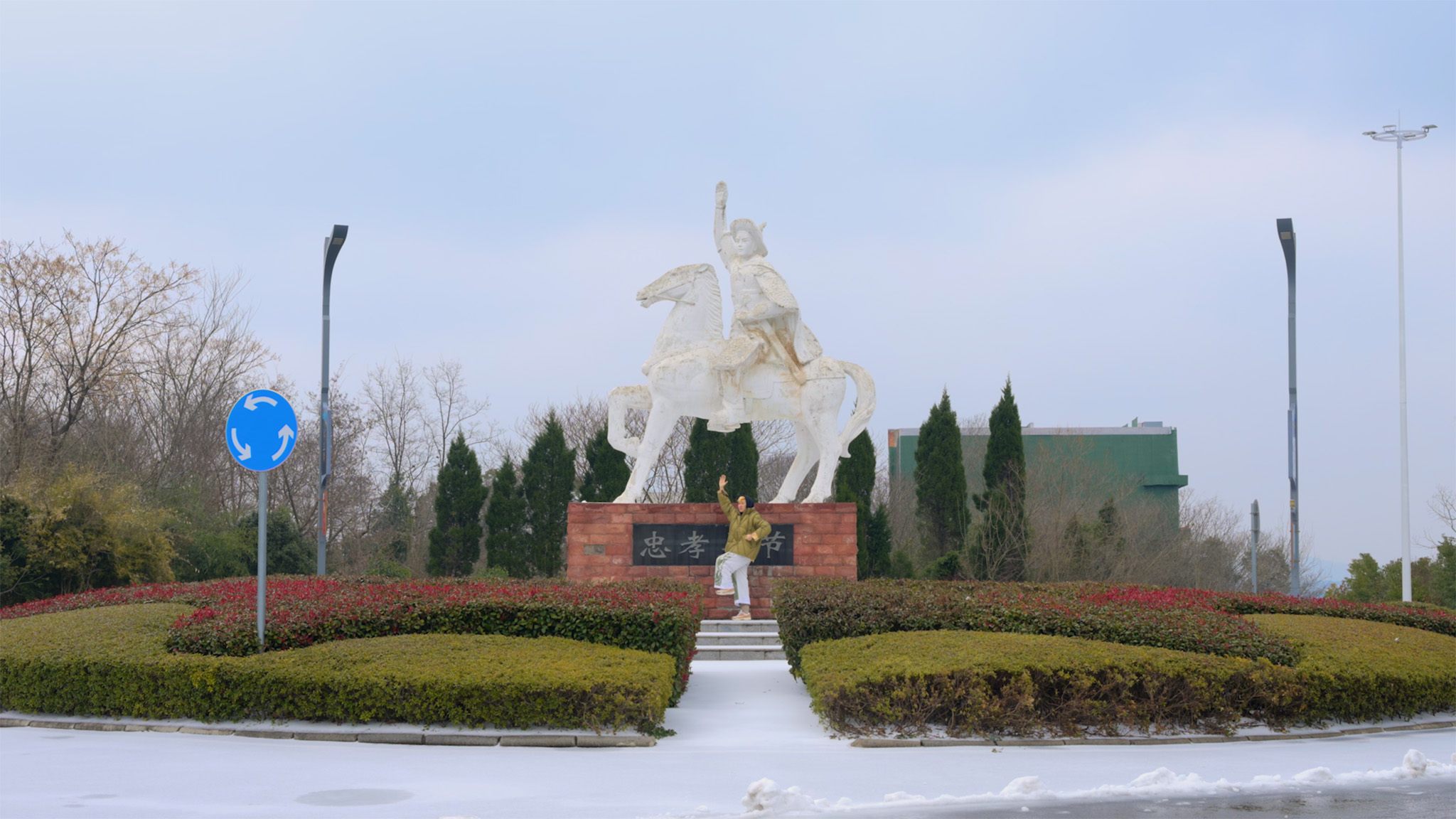
In the contemporary era of intensifying experiences of diaspora, “movement” and “searching” have become ways to explore and reshape identity. Where Is Mulan?, by a new-generation Chinese director, Zheng Tianyi, moves from gender myth toward a queer reading, transforming the hero fashioned by traditional narratives as an embodiment of loyalty, filial piety, and sacrifice into a drifting figure suspended between cultural imagination and gender positions.
Traveling together, Zheng Tianyi and artist Guo Qiaochu use the question “where” to ask: when places and myths are continually renamed, displayed, and consumed, how does an individual understand their relationship with themselves and the land? The hybrid film form blends popular memory, landscape tourism, artistic performance, and the director’s own interventions, interweaving different layers of imagery in resonance with the film’s reflections on the fluidity of identity.
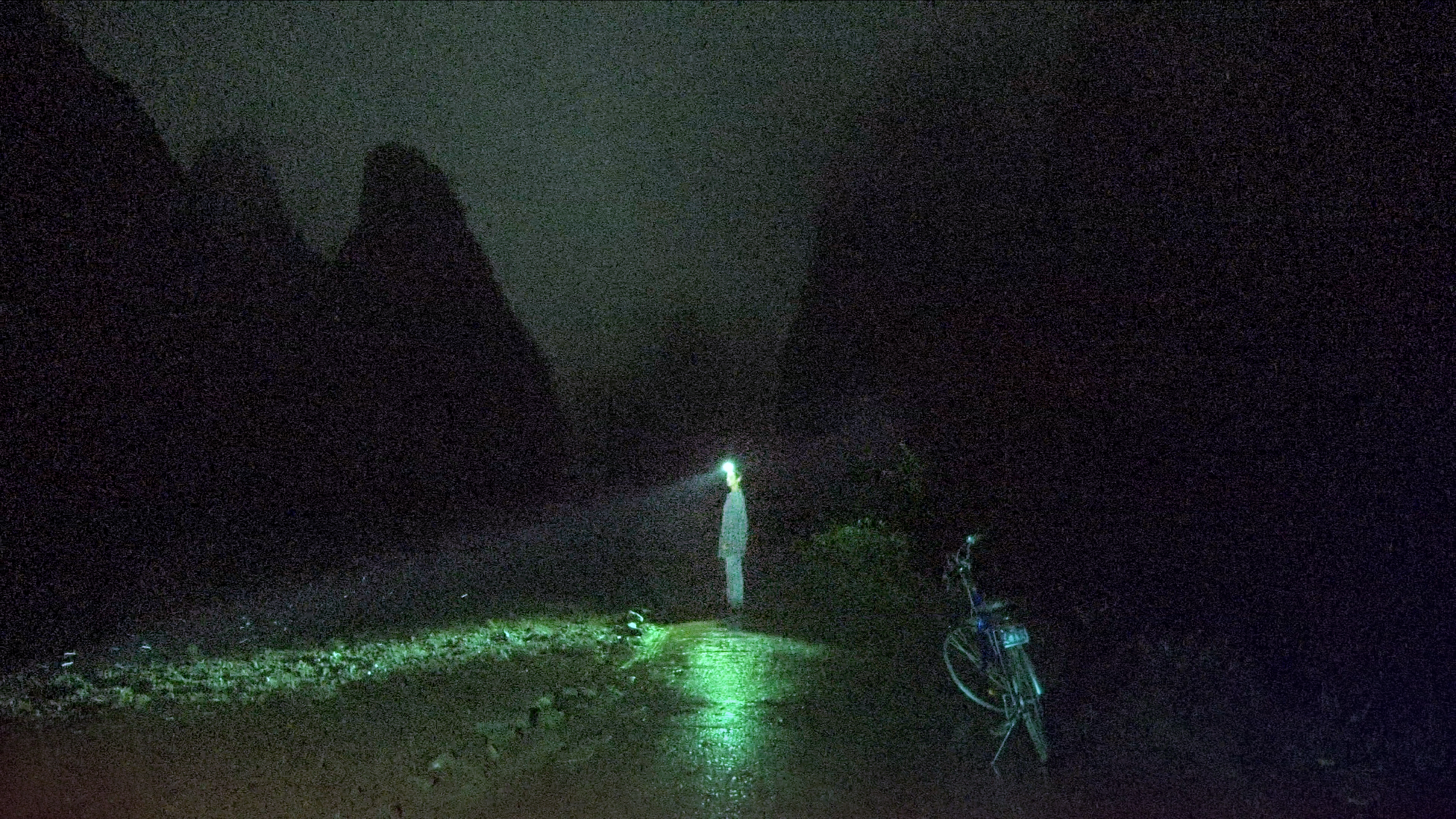
If Where Is Mulan? travels through the fissures of myth, Zheng Lu Xinyuan’s The Wind Is Blowing takes the journey into a more intimate personal experience. Mountains and forests, rainy nights, and borders intersect in the film as the boundary between reality and dreams grows increasingly blurred. The landscape is no longer merely something gazed upon along the way, but an extension of the characters’ inner states.
Zheng Lu Xinyuan has said that many feelings cannot be fully explained through language and can only be conveyed through light, space, scent, and immediate sensory experience. The Wind Is Blowing searches for the cinematic precisely within these moments: a gust of wind, a spell of rain, a stretch of silence, or a chance encounter may all become an entry point for understanding life. The characters appear small and bewildered amid mountains and waters, yet through the lens of this generation of new Chinese directors they also reveal freedom and resilience. These filmmakers perceive the conditions wrought by globalization, digital media, and rapid change; they film not only places or youth but a generation charting the desires of its heart after challenging fixed answers.
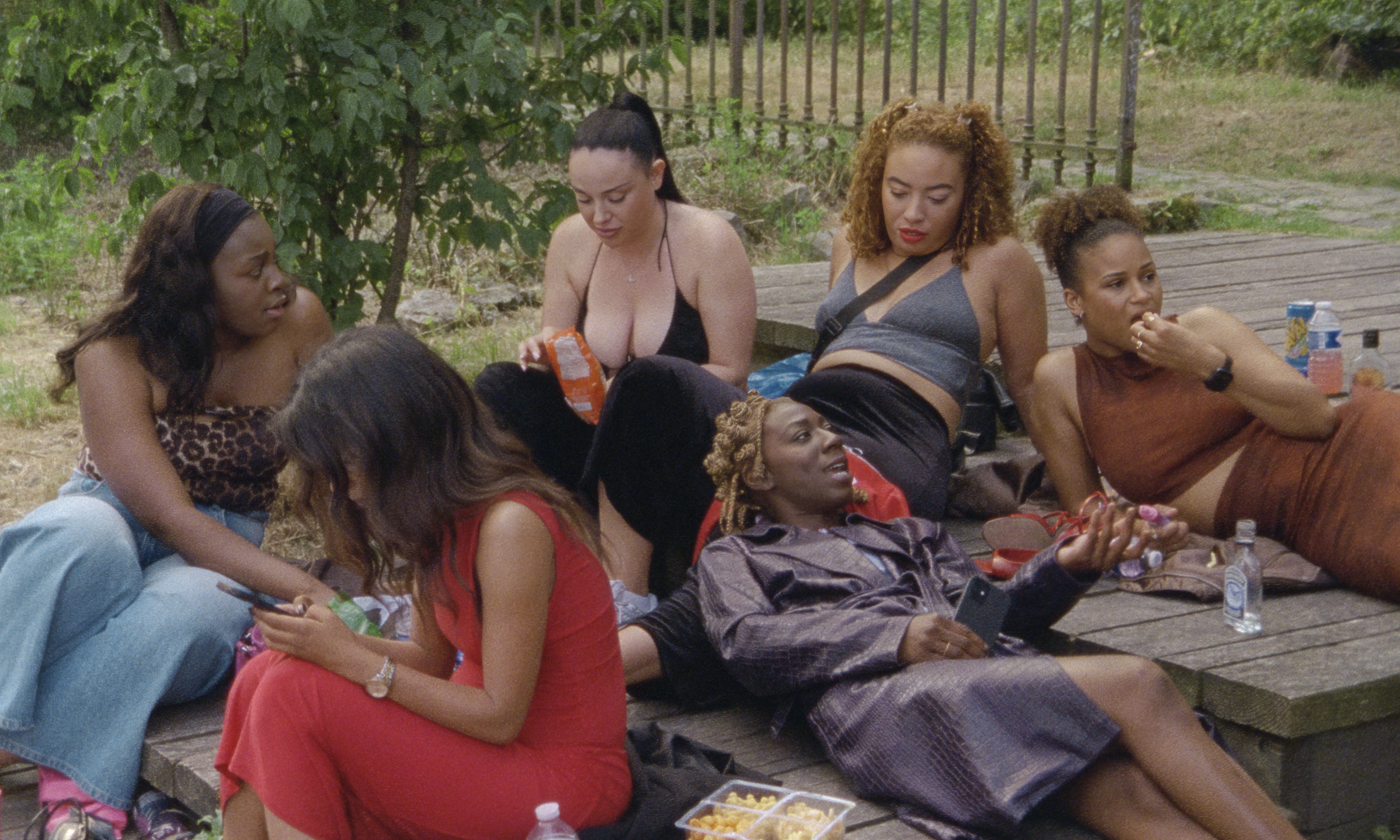
Also concerned with individual and social experience is Shana by French director Lila Pinell. Pinell turns her gaze back to the corners of the modern city, observing women as they waver through fragmented lives. Shana’s life is full of unfinished business: a suffocating romance, family trauma, and financial pressure become entangled. “Her” wandering is not an elegant stroll but a headlong charge through the mire of life.
What makes the film moving is Pinell’s refusal to reduce Shana to a single trait. She is impulsive, stubborn, and prone to mistakes, yet she also possesses humor and the vitality to begin again. The film is concerned not with whether a person can escape hardship, but with how one can preserve a rhythm of one’s own amid chaos and uncertainty. Beyond its portrayal of collisions with everyday life, the film also infuses the subtle force of fate and bonds between women, adding a finishing touch to this modern fable of survival.
Looking back, these films offer different visions of wandering. Some resist tedium; some seek the traces of history and war; some contemplate the essence of life amid diaspora and the everyday. “They” do not necessarily leave anything behind, nor do they necessarily arrive anywhere. As they pass through the landscape, they simply allow the landscape to pass through them first. As Duras wrote, within oneself there is always a place society cannot reach, allowing only oneself, on days of detour, to take the long way around, to linger, and then to breathe.
Author/Pecha Lo
Graduated with an MA in Film, History and Visual Media from Birkbeck, University of London. Dedicated to film culture, gender studies, and film history research, she currently serves as Secretary General of the Taiwan Women's Film Association. She has served as a juror and panelist for various platforms, including the Berlinale Teddy Award, Golden Bell Awards, Golden Horse NETPAC Award, etc. In 2024, she was appointed Chevalier of the Order of Arts and Letters.