1985

Directed by 文・溫德斯

53:09 再配BGM真的不得了
1:14:56 此處應為16釐米膠捲的呎數
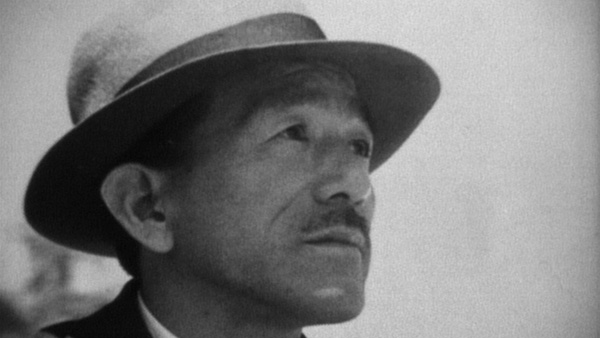
「小津電影使用極簡的手法,簡化到只留下最起碼的要件,再三地述說相同的簡單故事、始終相同的人物、相同的城市,東京。這段橫跨四十年的編年史,描繪出日本生活的轉變。 小津電影觸及日本家庭的緩慢式微,由此國家認同也隨之式微,但並沒有沮喪的指責新潮流、西方獲美國的影響,而是以淡淡的懷舊感悲嘆著,同時正在失去的傳統。」 文溫德斯在1983年前往東京尋找小津遺緒,拍下旅途幾日的東京影像:地鐵站、柏青哥店、墓地、賞櫻、計程車、大樓頂的揮桿場、食物模型工廠...看似無關緊要的場景與呢喃,看見城市化下的東京,極度商業行為之中,既諷刺又如夢似幻的超現實。 影像詩人把柏青哥寫得深刻「這種遊戲會誘發催眠一種奇妙的幸福感,勝負幾乎不重要,但隨著時間經過,你會暫時迷失自己與機台融為一體,也許你會忘記一直想忘記的事。」 也訪談演員笠智眾、攝影師厚田雄春,他們提到小津拍攝現場的某些習慣,一場戲總是會拍攝兩個鏡頭以上,會用特製碼錶計算秒數與底片長度,盡量不在被人包圍的公共場合拍攝,以及攝影機架設在離地四呎高度的原因,幾乎不和演員討論的指導作風......特別讓我感覺到「形式」的重要性,工作的細節某程度也是風格的細節。
❝人們心心念念所尋找的,永遠都是無法到達的彼岸❞ 某種程度上,每個異國人,都能在首次抵達東京時,感受小津留下對城市的愛戀與疏離,終究在50釐米的視野裡,我們都記錄了東京的一刻膠卷。就像《尋找小津》中的光景,無論你喜不喜歡東京,她就是如此不可抹滅的呼喊著城市裡的混沌與撫媚。
❝人們心心念念所尋找的,永遠都是無法到達的彼岸❞ 《尋找小津》的紀錄片像是時空膠囊,聽著32年前的Wim Venders描述當時最新穎的東京、遙想著過世20年的小津,以《東京物語》作為開端,Wim Venders在「沒有」小津的城市裡,弔念著無法流傳的小津電影技藝。直到多年後,2017年修復版本又再次來到世人面前,我們像是看著兩段式紀錄片的時光,細數時間與一座城市交錯下的記憶。而這也忠實記錄下,一部日本電影帶給一位德國導演最深層迷戀的癡狂。
32:09 ❝人們心心念念所尋找的,永遠都是無法到達的彼岸❞ 德國導演Wim Venders對小津安二郎的癡狂讓他在1985年帶著相機到東京找尋他一輩子都無法忘懷的景象,成為在迷惘中找尋出口的紀錄片—《尋找小津》,透過一幀幀畫面,拍下80年代的澀谷、戰後蓬勃發展的柏青哥、美國文化衝擊的搖滾青年,還有小津安二郎在鎌倉,寫著「無」的墓碑。
❝人們心心念念所尋找的,永遠都是無法到達的彼岸❞ 「所謂心靈,是其他人永遠無法理解的地方。」—《尋找小津》(Tokyo-Ga) 如何得以終其一生只講一個故事、信任同一個攝影師、永遠使用50釐米的鏡頭、從默片到彩色都只拍同一個城市。日本導演小津安二郎的電影裡,讓東京成為世界看待日本的方式,更讓人們從影像中瞭解身為人跟人之間的關係,如何在城市裡飄渺卻真實存在。
獻給所有下凡的天使們,但特別是:小津、楚浮和塔可夫斯基。——文・溫德斯《慾望之翼》片尾字卡
1:22:48 [小津安二郎日記] 標準收藏(The Criterion Collection)網站有一篇介紹小津安二郎日記文章〈An Autumn Afternoon: Ozu’s Diaries〉。文中提及,自1963年小津過世後,他的32本日記被後人發現。這些日記紀錄了1933年至1963年間小津對電影、工作與生活的一些隨筆想法,成為後人了解這位日本巨匠的第一手史料。 參考資料: 1. 標準收藏網站文章〈An Autumn Afternoon: Ozu’s Diaries〉 2.《小津安二郎全日記》書籍
 An Autumn Afternoon: Ozu’s Diaries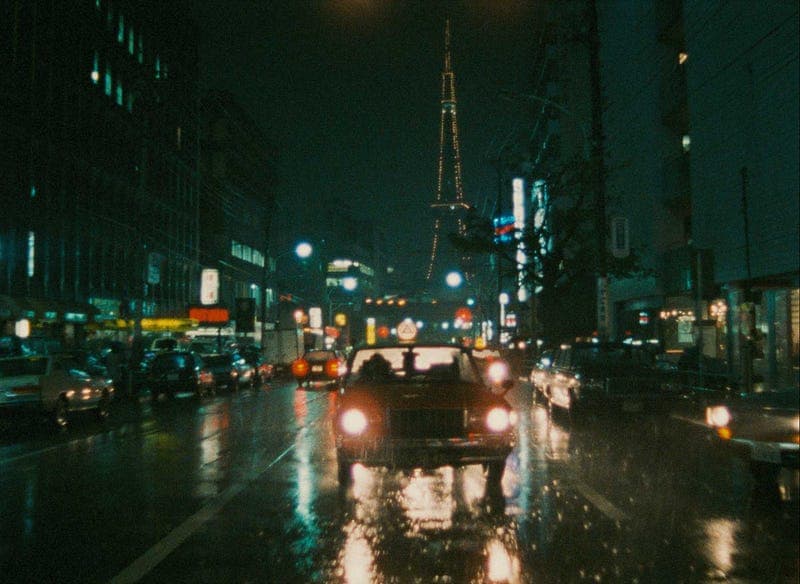
戰後的十年間,東京很快就進入復甦日本經濟的角色,高樓從廢墟中建起,美國式的消費文化與個人獨立經濟,漸漸取代緊密的家庭關係。而見證這社會變動的小津安二郎,則透過電影描繪出這時代的眾生面像。相較穿梭於當代現象的晩輩黑澤⋯⋯

睽違一年,2021年第74屆坎城影展終於突破新冠肺炎疫情考驗,於本月6日順利開跑!由曾執導《新橋戀人》的法國導演李歐卡霍,以及影帝后亞當崔佛、瑪莉詠柯蒂亞合作的新片《安妮特》(Annette)為盛宴揭開序幕。
There’s something magical about the seaside in summer— a charm that makes you forget time, inviting you to linger in the warmth of fleeting romance. Inspired by the Summer by the Sea feature in the latest issue of Japanese culture magazine Sanma, the editorial team curates a wistful film series set along the coastal towns of Japan’s Kanto region. These six summer films are perfect companions for the season’s memories. Wander through the nostalgic seaside home of Still Walking, soaking in the gentle friction of ordinary family life in Shōnan. Listen for the waves in the final notes of Ryuichi Sakamoto’s farewell. Escape into the dreamlike world of Swallowtail Butterfly and encounter the hallucinatory metropolis of Yen Town. Each of these cinematic landscapes captures a unique Japanese summer, stirring up the most enchanting waves in your heart. This summer, come watch the sea—and the films—with us.
The kind of person you are shapes the kind of film you make—with Sagittarius directors, this couldn’t be more true. At 19, I watched a film by Emir Kusturica, and it completely changed the way I thought about filmmaking. The first time I attended a film festival, I was “shocked” by the featured director, Terayama Shūji. I stumbled into film school by chance, but it was in a film analysis class that Yasujirō Ozu’s black-and-white depictions of family life stirred memories from my childhood. Later, on my own filmmaking path, I was left speechless by Kim Ki-duk’s rapid production pace and prolific output. Thank goodness for cinema! For a freedom-loving, wildly imaginative Sagittarius like me, filmmaking is how I express the spirit of adventure, passion, and courage that defines who I am.
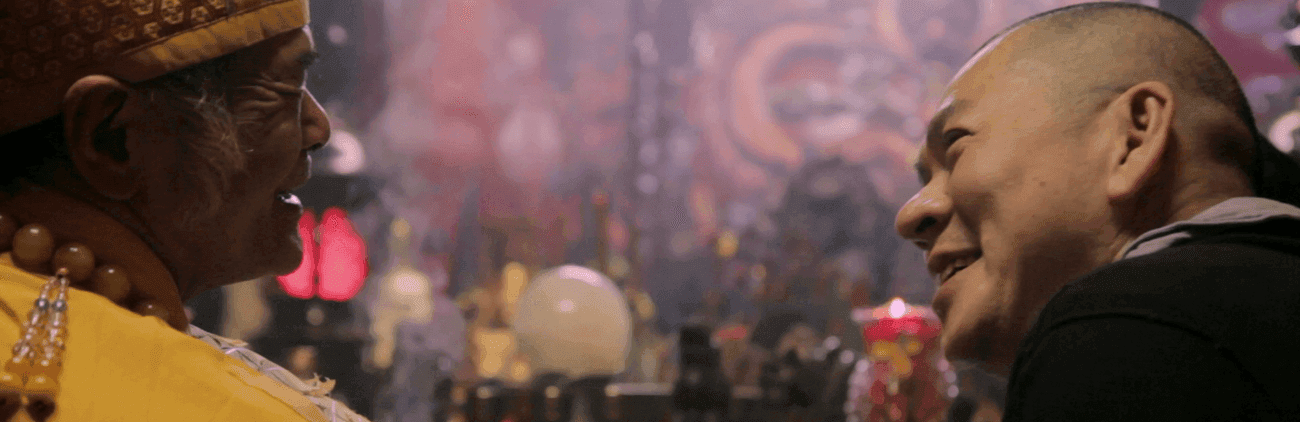
To document an extraordinary soul through the lens is to constantly wrestle with the dilemma of completeness. How can one capture the vastness of a life within the limited time of a film? It challenges the filmmaker’s depth of understanding and precision of perspective. Rather than striving for an all-encompassing portrait, it may be more powerful to focus on select moments—those glimmers that illuminate the subject’s essence. The camera becomes not only a tool to pierce through the surface, but also a means for sincere conversation with the person in front of it.

Old films, classics, and cinematic relics from the past always hold a certain allure. In these moving images, we see the spirited youth of the 1990s fighting for creative freedom, the vibrant chaos of 1980s Japan, and, through the pioneering lens of Taiwanese home-movie maker Deng Nan-Guang, fleeting moments of beauty from the Japanese colonial era. And of course—let’s not forget the soulful rhythms of Cuba’s legendary old-school jazz musicians.
Worth a second watch
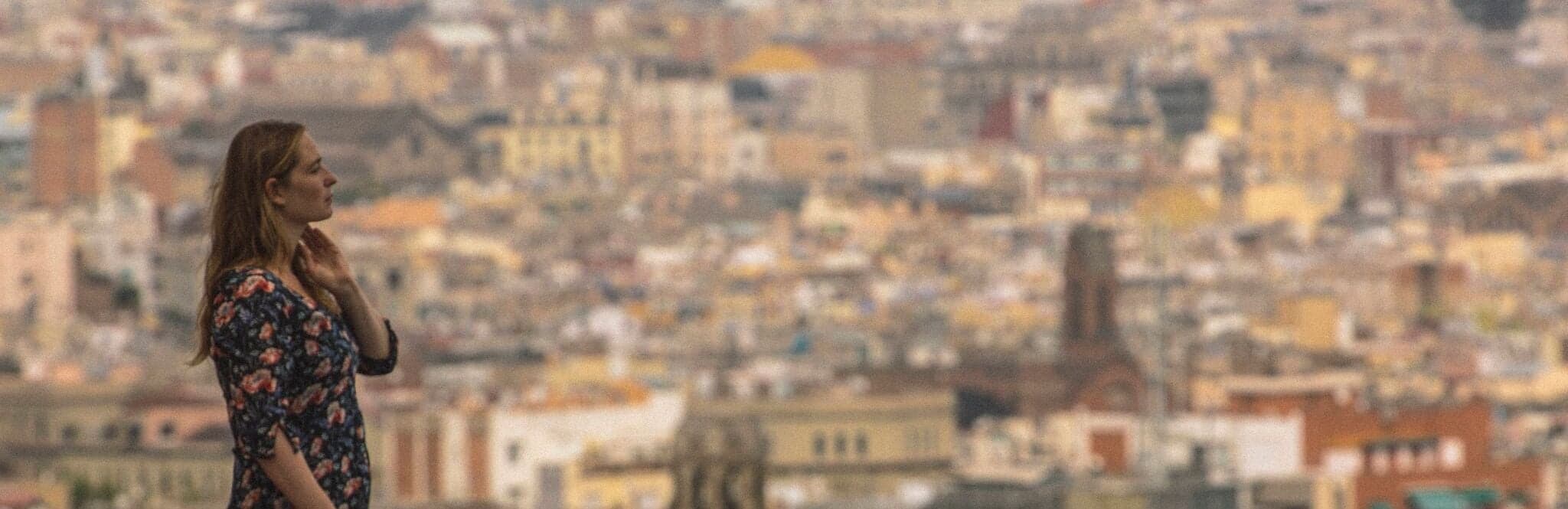
Time is the most powerful force in the world. It hones a skill into mastery, freezes arrogance in its tracks, melts even the brightest brilliance, and heals the deepest wounds. Time is what makes us believe — and yet, its cruelty can leave us defenseless. As time watches over generations, we are left in awe, yearning to both embrace it and lean on it. This curated selection of films begins with the power of time — bidding farewell to what’s lost in the past, while searching for what lies ahead. Sometimes, we are trapped within fleeting seconds; other times, we gaze across a thousand-year flood of history, unsure where we’re headed. This is, above all, a list that moved my heart. I hope these stories through time stir something in you too — or even spark a question: What might a lifetime truly taste like?

Japan—a land of paradox and fascination—has long captivated travelers from afar. With deep-rooted traditions that have withstood over 150 years of rapid Westernization, Japan continues to preserve a unique national identity and way of life, while also giving rise to a distinct and globally influential pop culture. This month, Giloo Documentaries presents a curated selection of films that explore the many faces of Japan. Journey with us across mountains and oceans, through surface and depth—encountering the worlds of fashion, Takarazuka theater, love hotels, fine cuisine, robotics, and contemporary art. Modern Japan is vibrant, eclectic, and often wildly unexpected—and these films capture its raw, untamed spirit.