2018
Taiwan International Documentary Festival
台灣競賽優等獎、華人紀錄片獎首獎

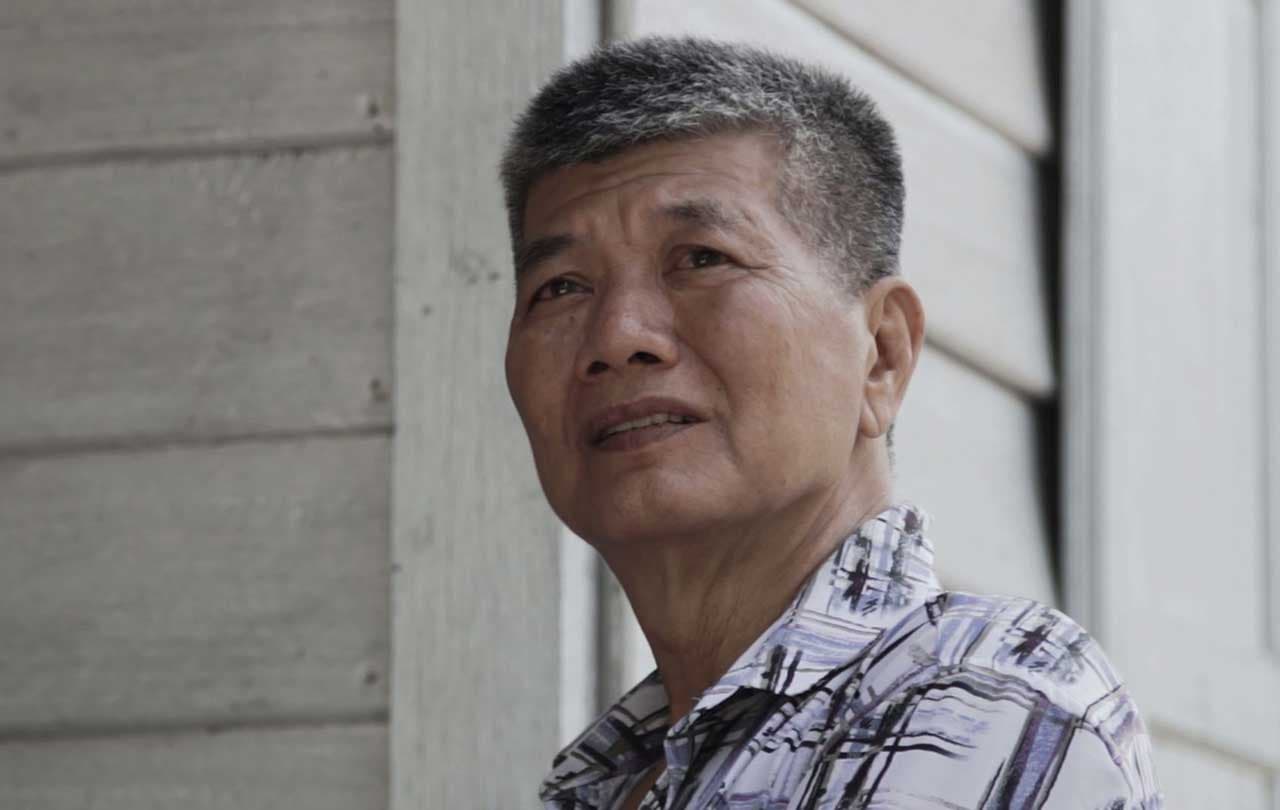
Directed by 廖克發 LAU Kek-Huat
台灣競賽優等獎、華人紀錄片獎首獎

40:24 每個國家都有一段光榮自豪且沾滿鮮血的革命故事,卻常常遺忘了那些勝利之後遭受新政府迫害並貼上叛亂標籤的平民百姓。
36:38 堅守這座島的精神象徵,因爲唯有在這裡,你們不是叛逃分子,你們可以樹立起自己的碑。
17:30 看到廖克發遠赴中國廣州訪問前馬共裁員,慶幸他多年前把握時間趕緊過去了,因為紀錄片工作者就是要與時間賽跑,再不早點去訪問就沒機會了,而且再過幾年的政治局勢發展,也許再也難進去... 此外,片中受訪者令人感動的一句話是,在夢中也能夢到馬來亞的咖哩味...儘管早年的他們政治認同上是中國,但在馬來亞成長時期所感受的一切,是不會輕易消逝的。
TIDF2022|Giloo編輯推薦|#野番茄 高雄曾於二二八事件遭受猛烈軍事鎮壓、死傷慘重,如今回訪軍事遺址與受難遺族,是否還能拼湊並還原歷史真相?本片是馬來西亞籍導演廖克發第一次以台灣歷史為題材的紀錄片,帶著攝影機尋訪曾到南洋打仗的台籍日本兵、雄中自衛隊成員及受難者遺族,聽他們訴說著參與過或不曾參與過的歷史劫難,如何銘刻在自身的生命軌跡。事件遠去,但記憶猶新,宛如墳墓旁的野生番茄,染紅的血淚青春不曾褪色。 廖克發導演前作|#不即不離 來自馬來西亞的導演,為了探尋生命中缺席的祖父,拼湊原生家庭的完整面貌,卻發現個人家族歷史的背後,隱藏一整個世代不願面對的過去,及一群曾經付出熱血、卻消失於世間的人。殖民、抗日、共產黨組成的歷史,與馬來西亞多族群的認同問題,在故事重建中逐一浮現;而導演旁白貫穿全片,也彷彿像是在提出對自身與民族的疑問。 ▍輸入序號【TIDF2022】免費看 ☞ https://bit.ly/3N3t85o —— Giloo X TIDF:歷年經典選映 輸入序號【TIDF2022】,即日起至5月底前免費看! ▍點擊直接兌換序號 ☞ https://bit.ly/3EuKOnp
 【Giloo X TIDF:歷年經典選映】線上影展 - Giloo紀實影音|電影線上看
民族主義本身其實可以是很危險的,只要它是藉由「排外」來建立基礎。像現在的歐洲也是。但我們要問的是,曾經,南洋是非常inclusive(有包容性的)的,可以涵括很多不同的外來者進來,但現在很多東南亞國家對於「民族」的觀念,卻是以種族、膚色、血緣來定義,或者是以地緣來界定,這些方式都是很排外⋯⋯
電影作為一種方法,可以再現歷史證據,重述集體記憶。導演廖克發在將於本屆 TIDF 進行世界首映的新作《由島至島》中,想像兒子向他提問,二戰時期台灣士兵到東南亞後回來為何對戰時所做行徑沈默不語,因而展開對過往台灣、日本、東南亞戰爭記憶的追索行動。藉由戰時士兵、軍伕、屠殺倖存者等人的家庭對話影像、遺物、紀錄文件,導演帶領觀眾重返戰跡,紀錄片《由島至島》於是成為集結不同島嶼、跨世代的眾聲回應。
台灣國際紀錄片影展(TIDF)已於 5 月 6 日(五)開展,今年已邁入第 13 屆的 TIDF,在為期 10 天的影展期間,將放映高達 188 部來自國內外的紀錄片作品,其中還包括入圍本屆國際競賽、台灣競賽及亞洲視野競賽的作品,內容多元豐富,直探何謂紀錄片的真實。Giloo 編輯室為您介紹本屆台灣國際紀錄片影展(TIDF)三部必看紀錄片,也特別精選本站收入三名導演的前作,或許能互相作為參照。
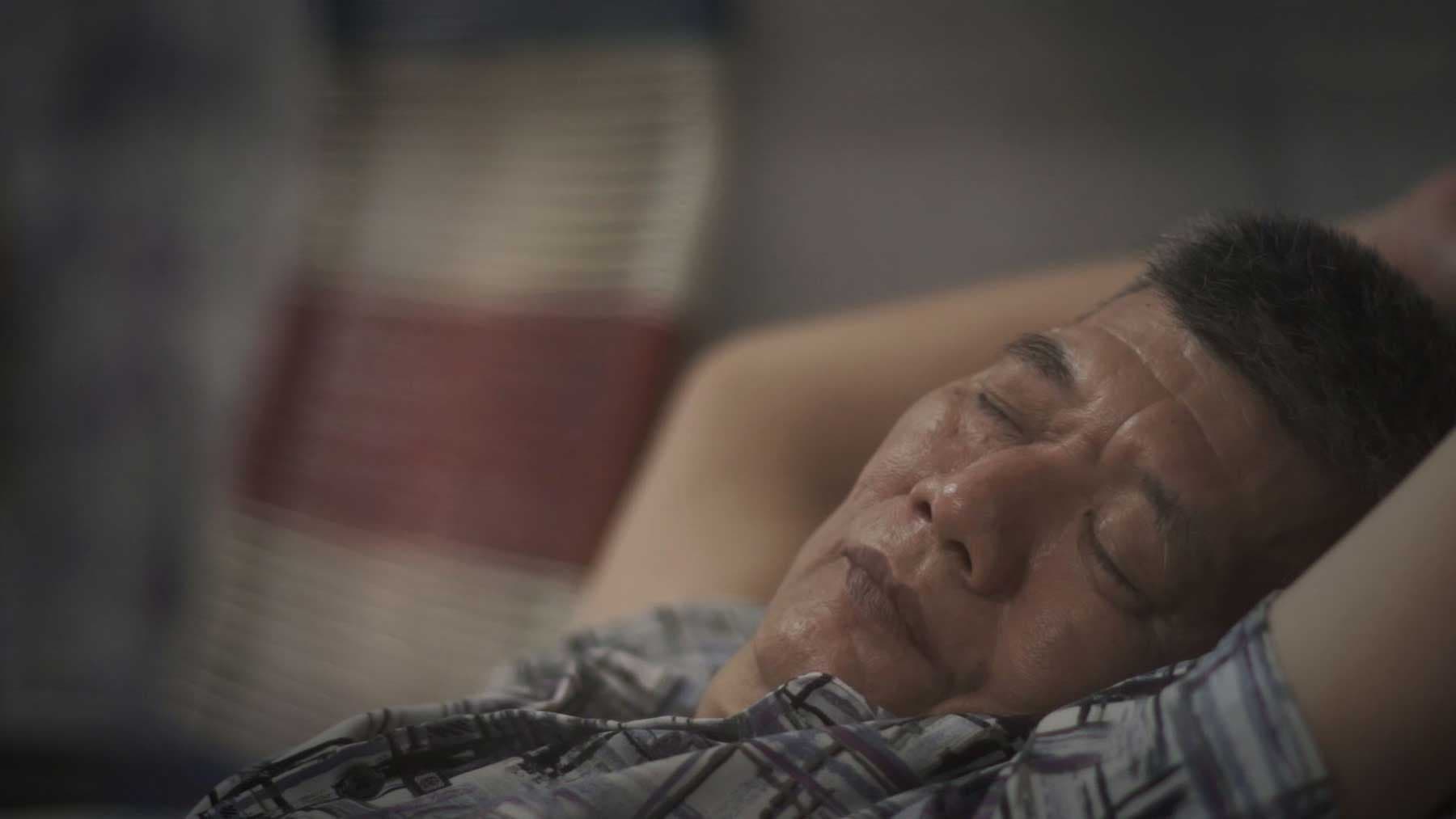
這不是一篇關於《不即不離》的評論。這篇文章應該可視為《不即不離》這部從追溯家庭記憶開始,透過馬來亞共產黨部份同志們的切片敘事,試圖觸及馬來西亞華裔的流離問題之紀錄片,所未言說的,外於流離和認同等民族情緒的補遺,並試著提示出這段從上世紀1930年代以降,馬來西亞半島歷史的、革命的喧囂所隱匿的密碼與其破⋯⋯
No matter where you are, not just in Taiwan, international movie fans can easily watch too! The first wave of films from emerging creators are now live in our international section. Featuring top selections from prestigious film festivals like Golden Horse Awards and Golden Harvest Awards, as well as many highly anticipated emerging works for you to explore anytime, anywhere!
This year, Giloo teams up with TIDF to curate a special selection of past TIDF nominees and award-winning films. While you're enjoying the festival in person, don’t forget to sneak in a little break and relive (or... redeem?) some of the unforgettable works from previous editions—now available online.
Since its establishment in 1962, the Golden Horse Awards have not only represented the highest honor in Chinese-language cinema but also witnessed countless filmmakers grow from their first attempts to the shaping of distinctive artistic voices. This curated selection highlights six directors nominated this year — Shen Ke-shang and Pan Ke-yin for Best New Director, as well as Lee Chun-shek, Liao Ke-fa, Chong Keat-aun, and Tsao Shih-han for Best Director — revisiting their earlier, defining works. Through this collection, we invite audiences to rediscover how these filmmakers use cinema to respond to the self, society, and their times. By tracing their creative beginnings, we also glimpse the ever-evolving vitality of Chinese-language cinema.
This selection uses film to document the unspoken issues within Malaysia's diverse and complex culture. Through this film list, cinema presents the intricate ethnic identities, religious cultural divergences, and the challenges of coexistence on this land.

Southeast Asia is rich in culture, rooted in the mainland’s embrace along the Indochinese Peninsula. Emerging from the shadows of colonial rule, many of its nations have blossomed—independent, yet bearing the deep scars of history. Amid the lingering wounds of empire and the continued suppression of free expression, creators transform discontent into poetic language—subtle yet sharp—delivering reality through the lens of documentary. Why not join us on this elusive journey—to experience the magic realism of Southeast Asia, where beauty and resistance intertwine?
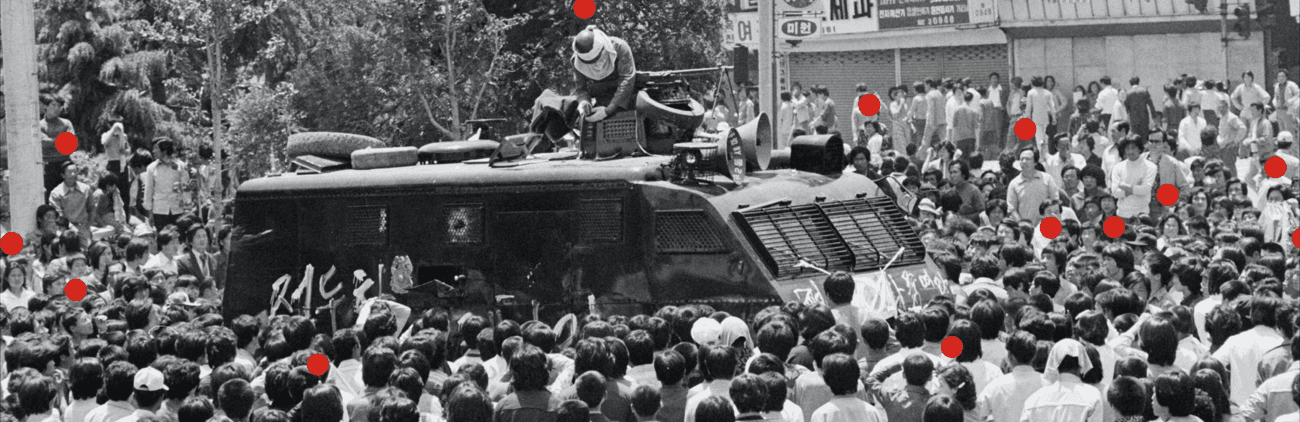
In the process of democratic transition or operation, it is crucial to examine how past regimes or collective atmospheres have violated human rights. Tracing a nation’s dark history is not about seeking revenge, but about rewriting collective memory to reflect on systemic failures and prevent history from repeating itself. It is also a way to restore the innocence of victims and begin a dialogue of reconciliation through the wounds torn open by past atrocities—so that we may learn to coexist. Giloo Documentaries presents a curated selection of films on transitional justice, hoping that those of us living in today’s democracy will better cherish the hard-earned freedom in Taiwan.