Director

Directed by 黃勁輝

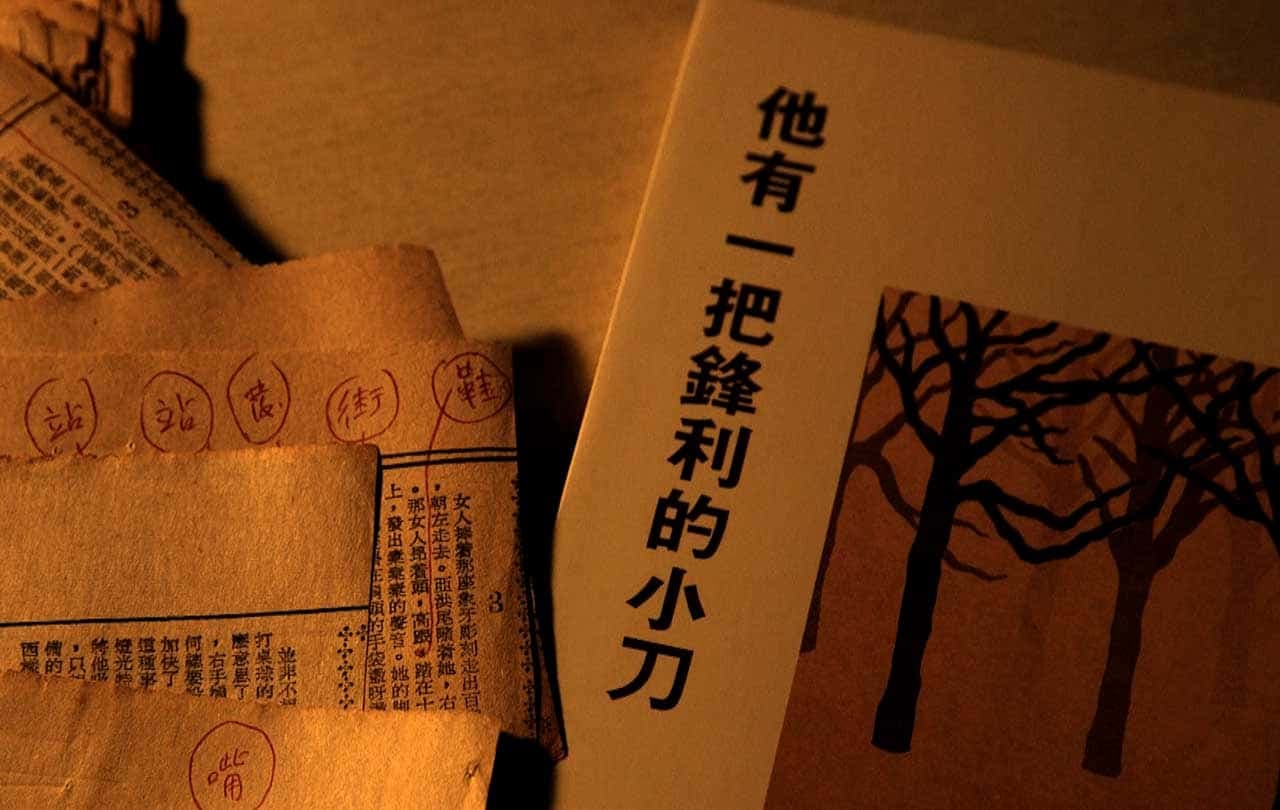
因為,《他有一把鋒利的刀》,生命的考驗與歷練,他都能《對倒》,將眼中所見到的各式平凡生命故事以創新的筆法呈現人間的煙火味。《酒徒》內心有一股清醒且強大力量支撐他一輩子的創作事業,並且引領時代的文學潮流。
1:34:32 除了看劉以鬯老師敘述自己對文字的感受,敘述自己的生活,也對應著文人們對他的理解和看法。而最迷人的地方,似乎是他與妻子之間的相處,不顯黏膩,看見的是滿到溢出來的互相理解與扶持。
3:14 創作是需要練習的,而創作也要追求個人的展現。與眾不同,說出來容易,做起來卻十分艱巨。文字就像映在水面上的倒影,他於現實貼合再一起,描繪了同樣的風景,裡頭的過與不及,比起外頭的恰到好處更為迷人。
36:45 人會悲傷,似乎是因為記性太好。劉以鬯老師對於自己興趣,都有著近乎癡迷的喜愛,有著這樣的癡迷也才能寫出令人生醉的字句。看著老師擺弄模型,也才明白為何文字充滿人味而又具備規整感。
29:27 起初是因為王家衛導演,才開始讀了劉以鬯老師的文章。原來影像裡的迂迴與曖昧,同樣也呈現於文字中,有著相似又相異的美感。記憶是潮濕的,因為總無孔不入的滲透,帶有氣味,黏貼在身上,永遠揮之不去。
「四個字,與眾不同。」 . 做了一場夢,夢見了盤古初開,夢見了轉個不停的輪子,夢見了一支筆,夢見了兩隻翅膀,夢見了紙紮的快樂。醒來,昨夜的酒水,順著淚痕乾涸於兩頰側,睜眼拎著破碎一地的荒唐,搬著腳步晃蕩至想念的地方。 . 鏡後的眼睛依舊明亮,但已經好難記得了,過去的想像對著齒口,扣合了未來的記憶。來回往返、擦身而過的間接關係,磨蹭耳鬢模模糊糊的慾念,但在乎的安定生活終究是沒能鼓起勇氣。想起了年輕時的他,和髮絲烏黑的自己。 . 這地方很靜,我單獨一人,懷抱有上海氣味的名字。周圍的玻璃帷幕走出好多的自己,倒影們陪伴我遁入另一個世界,那是一座叢林。紮字、排字、再紮字、再排字,荒涼的地方建起了許多的摩天大樓,我的內在是悲觀的,但拿不出來是看不到的,那便拿一點點出來吧。
作家劉以鬯的《酒徒》與《對倒》深深影響了香港藝術家。他直觀內在的書寫法,也讓王家衛寫了人生無果的《花樣年華》。他是上海蒼涼文學的代表之一,之後融入了香港流離魂。這位作家早年因抗戰,隨逃難潮到了香港。香港文學不興盛,但他仍在書桌上成就了萬里長征,寫遍了最荒唐也最清醒的浮生,一筆一人,是水泥叢林中盛放的最鮮最美。
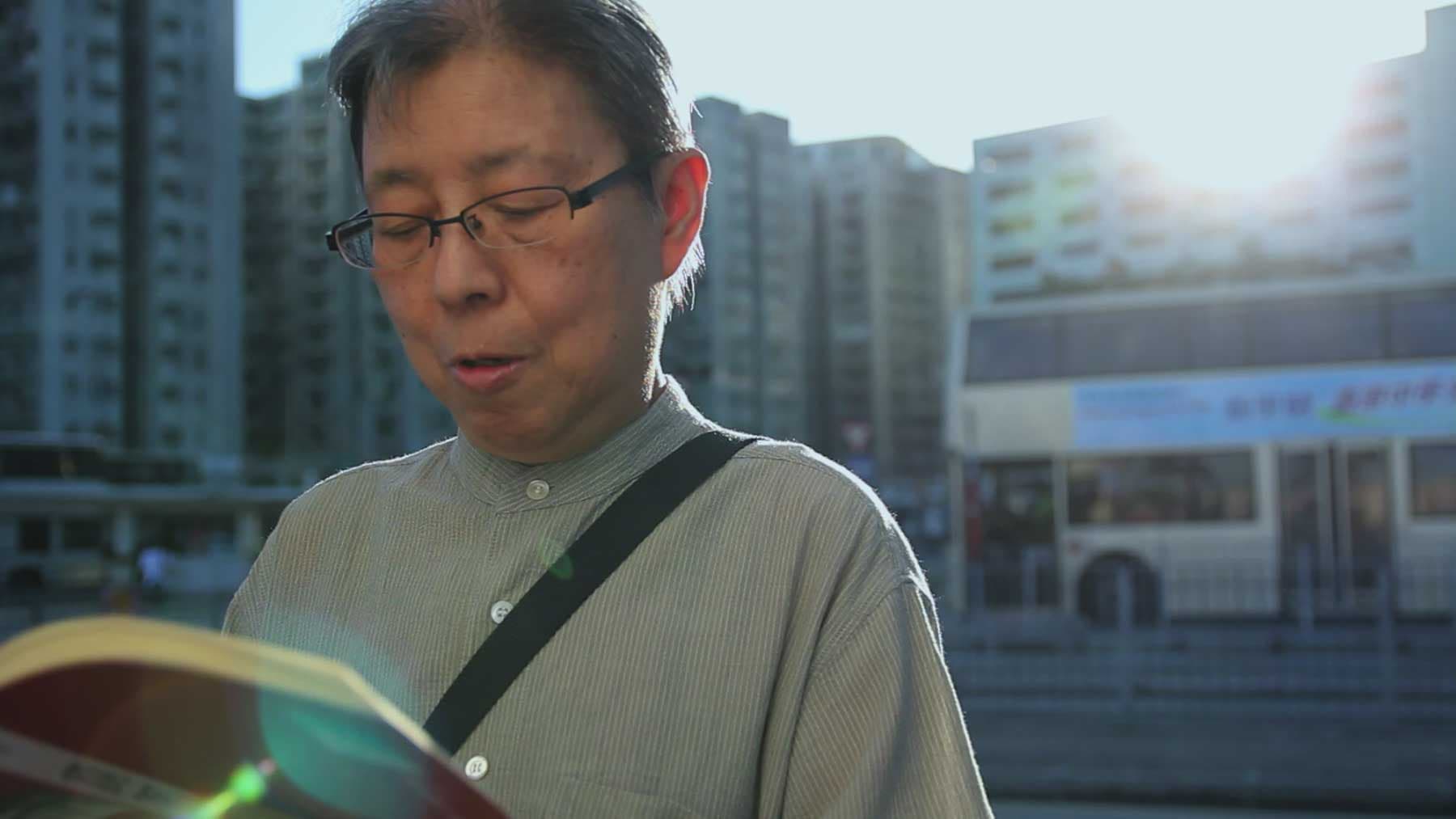
紀錄片在兩座島上播映。在香港,大概不太可能有人問:為什麼是是劉以鬯?為什麼是西西?為什麼是也斯?要談多產也好,或者他們在文學中不斷探問、逼近、包圍出香港城香港人特殊的身世與時空感,特別是西西和劉以鬯對文學形式多年來驚人的實驗能量,跨媒材創作,研究他們的論文豐盛到幾乎可以稱為「劉以鬯學」、「西西學」⋯⋯
The documentary seeks to use film as a medium to preserve and share the lives and legacies of prominent Chinese-language writers. Guided by each director’s unique cinematic language, these films transform literary masters into cinematic texts—introducing their voices to new generations of readers. The project goes beyond archival preservation. It aims to reveal how these authors and their works continue to move and inspire, carrying powerful resonance through the shifting tides of history—ultimately becoming a literary and cultural heritage for future generations.

Why do we write? When words erupt from the mind and pour into the heart, images and monologues take the place of daily tedium—of the mundane, the irritating, the unbearable. For some writers, however, writing is more than expression; it is salvation. It is an unshakable calling. In this themed selection on literature, Giloo presents documentaries that delve into the lives and inner worlds of writers—poets, novelists, critics—who wield pens (or typewriters) like swords, fearlessly confronting the truths of the world. The passage of time leaves behind not just pages, but marks of introspection—quiet yet undeniable badges of their creative journey.
A story is a journey, with both its beginning and end unfolding before the screen. Yet each story calls for a different way of being read—through the eyes, ears, nose, mouth, hands, and feet. And at the end, like a white curtain of light, it’s as if a dream was gently dreamt atop a tree. Moonlight, sifted into fragments by the leaves, spills softly onto the body—only then do we realize that the self at the starting point has quietly changed… An unnamed kind of fullness.
In times of turmoil, I find myself drawn to documentaries. There’s something profoundly moving in watching people carve out a sense of “home” amid chaos—guarding a fragment of peace and expanding the inner landscape of the heart. I’ve always loved the phrase “a heart set on distant meaning.” We are born into constraints and often stumble through thorns, but perhaps it’s precisely these entanglements that awaken our yearning for freedom and for becoming. With that in mind, I’ve selected three documentaries. Some feature lives caught in inescapable webs; others portray souls that remain free, even when the body cannot move.