2016

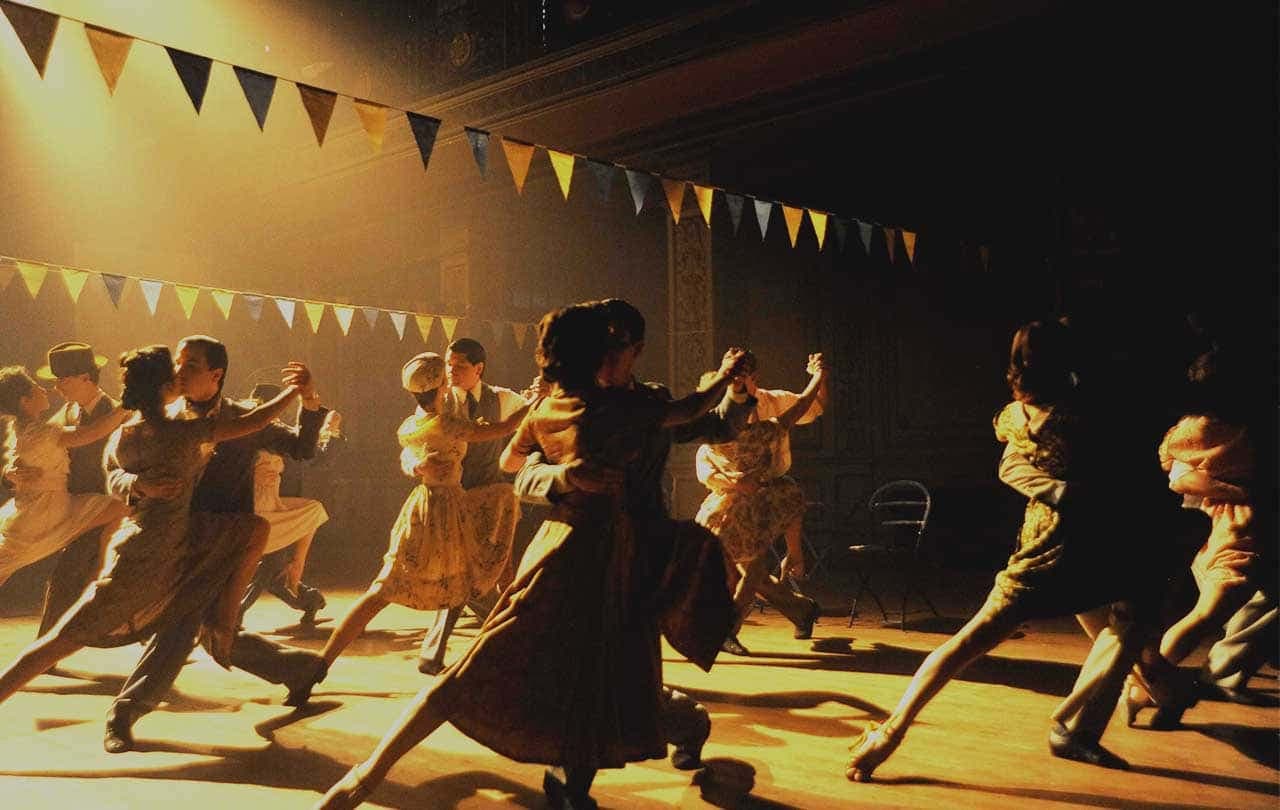
Directed by 傑曼・克羅

阿根廷作家波赫士曾在1930年出版《埃瓦理斯托・卡列戈》,這本書寫詩人卡列戈的傳記中,環繞著波赫士眼中的阿根廷市井風景,有匕首、六弦琴、英雄、叛徒,還有探戈。這位生於布宜諾斯艾利斯的文豪,在書中對探戈的起源寫下了一句著名的話:「探戈始於妓院」⋯⋯
Love can bear the sweetest fruits, or plunge life into the deepest abyss. How do you face the questions that love brings? Will you choose to move forward hand in hand with your partner— or walk away, once and for all?

A lifelong companion—or a declared enemy? Love is the most difficult relationship, yet it yields the sweetest fruit. In the face of love, do you reveal your truest self—or something more false? What do you choose to share with your lover? Are you walking hand in hand toward paradise—or toward the beginning of sorrow?
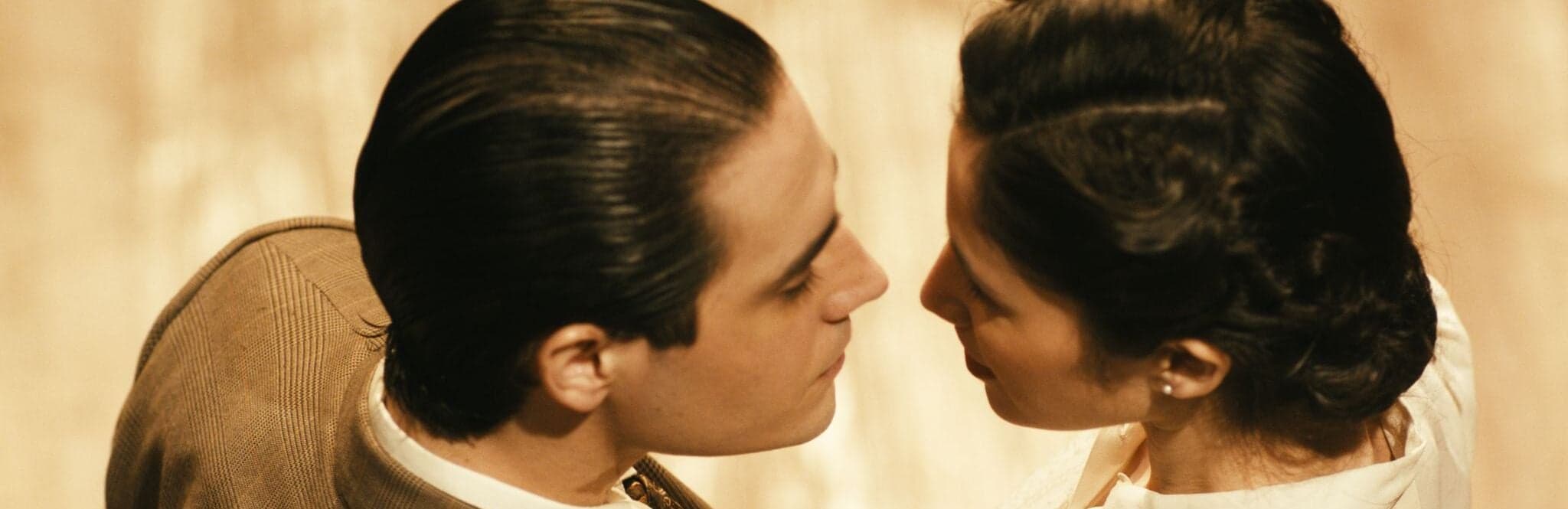
Because we have bodies—we dance. For all the fleeting emotions that language cannot carry, for the sighs that slip between chest and lips, for the searing songs that burn holes in our tongues, when words and sound fall short, the human body rises—our hands begin to speak, our feet begin to move. In the early 20th century, the phonograph arrived in Taiwan from Japan. Records traveled by train to Yilan. In Shanghai, Tokyo, and Taipei, stylish men and women danced the foxtrot. Desires became modern, love became free—by the riverside, in spring dreams, we declared: We are civilized women. Taiwan had entered the age of dance. But dancing isn’t always freedom. Japanese dancer Genjyu Hanayagi woke a sleeping dog with her body. She hadn’t yet shed the kimono—the garment shaped by a feudal system that once bound women. But the kimono would never devour her. As long as she danced, she could swallow discrimination whole. Argentinian tango queen María Nieves put on her flowing dress and danced her way out of poverty, out of the milonga halls, onto Broadway. It took her half a century to reclaim her steps—through deadly embraces and long gazes, through love and hate, intimacy and estrangement. Only when the music stopped did she find her freedom. When women aren’t dancing, is the body a work of art? A doll? The women photographed by the bad boy Helmut Newton dance even in stillness. He stares through the viewfinder—at them, at himself. Their gazes meet, a tango of vision. To gaze is to reclaim space for the body. Snails need no eyes to stake their claim in the world. They dance a love never known before—pure, entangled, silent. They lick the edges of dusk and morning, drawing desire in trails of slime. I love watching dance—sometimes I dance wildly myself. In these five documentaries, in their movements, I feel it again: the body being born. And with it, connection.
Movement arises from the everyday—originating from the body. The relationship between body and daily life influences our emotions, perceptions, and connections with others. Through the lens of documentaries and the eyes of an observer, we revisit the messages often overlooked in our fast-paced lives. These films explore how the body shapes our sense of being, inviting us to reflect on different ways of living. "Memory of the Body – The Rhythm of Life Film Festival", co-curated by Cloud Gate Dance School and Giloo, invites you to rediscover the rhythm between body and life. Awaken your senses and reconnect with the essence of living.