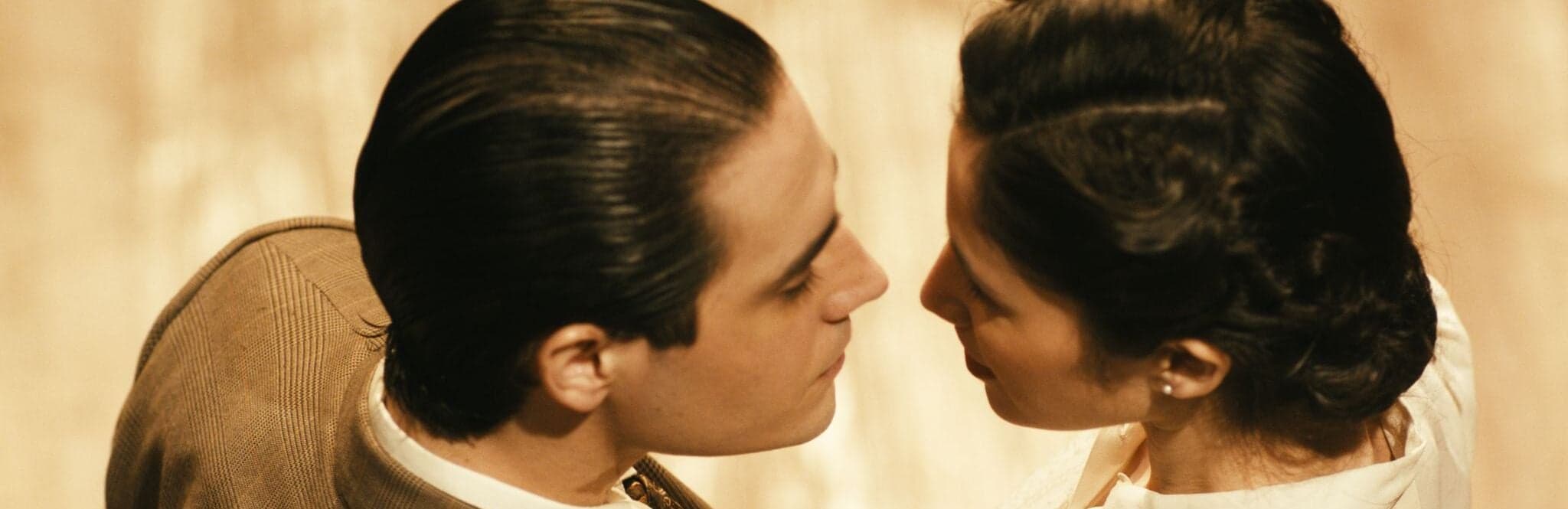
Dancer in the Dark.
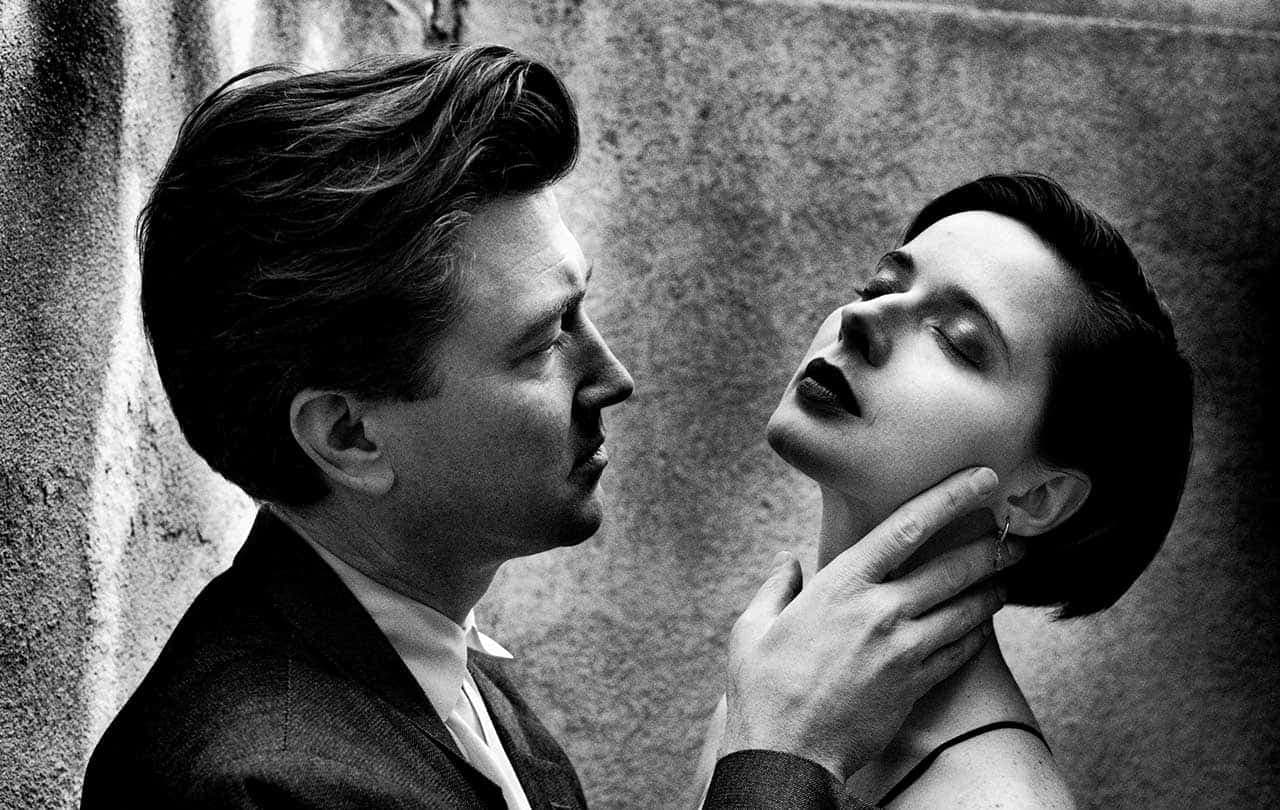
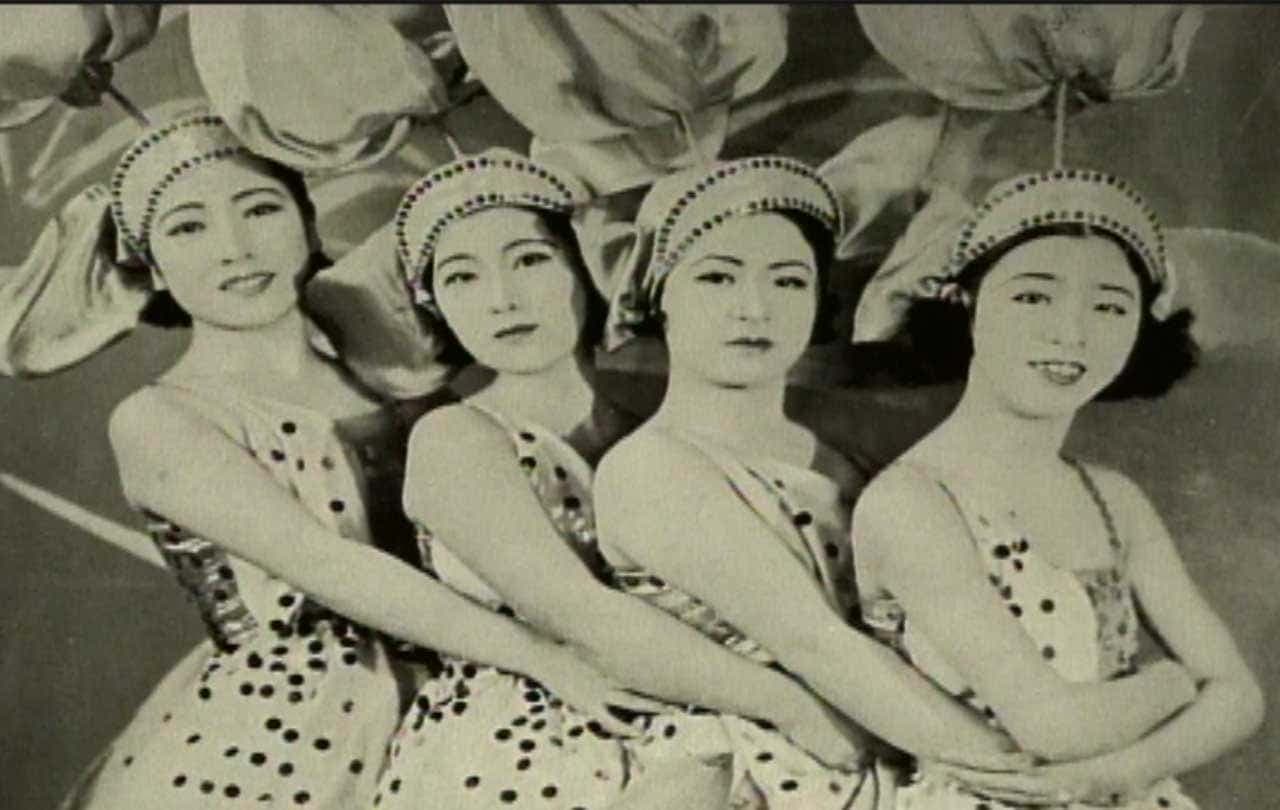
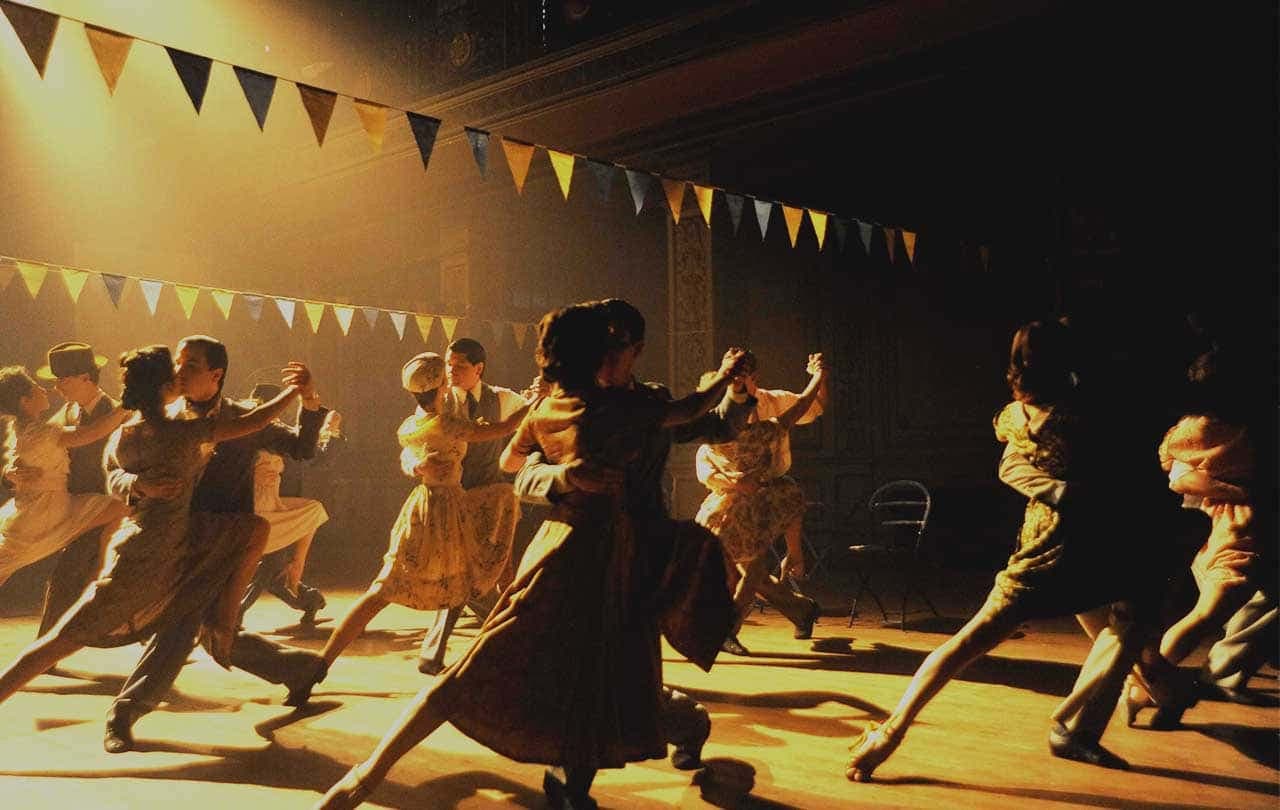
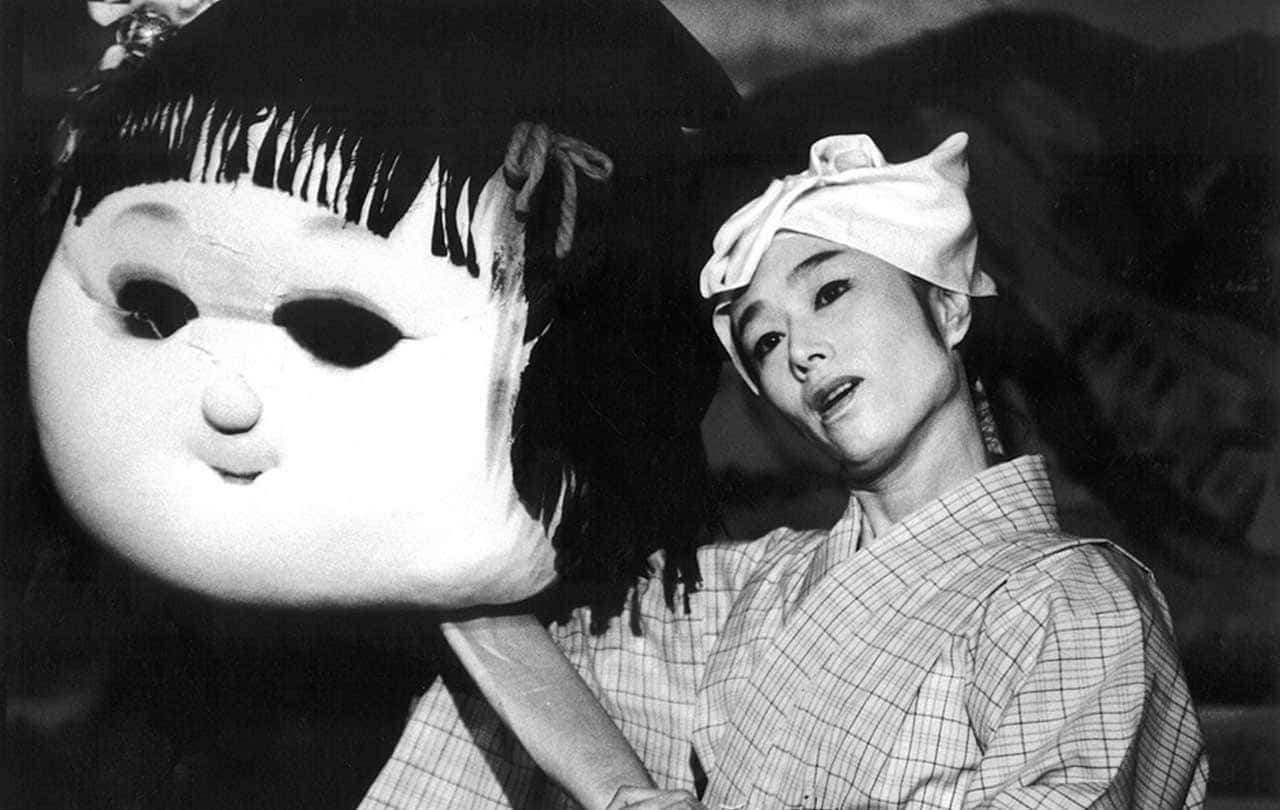
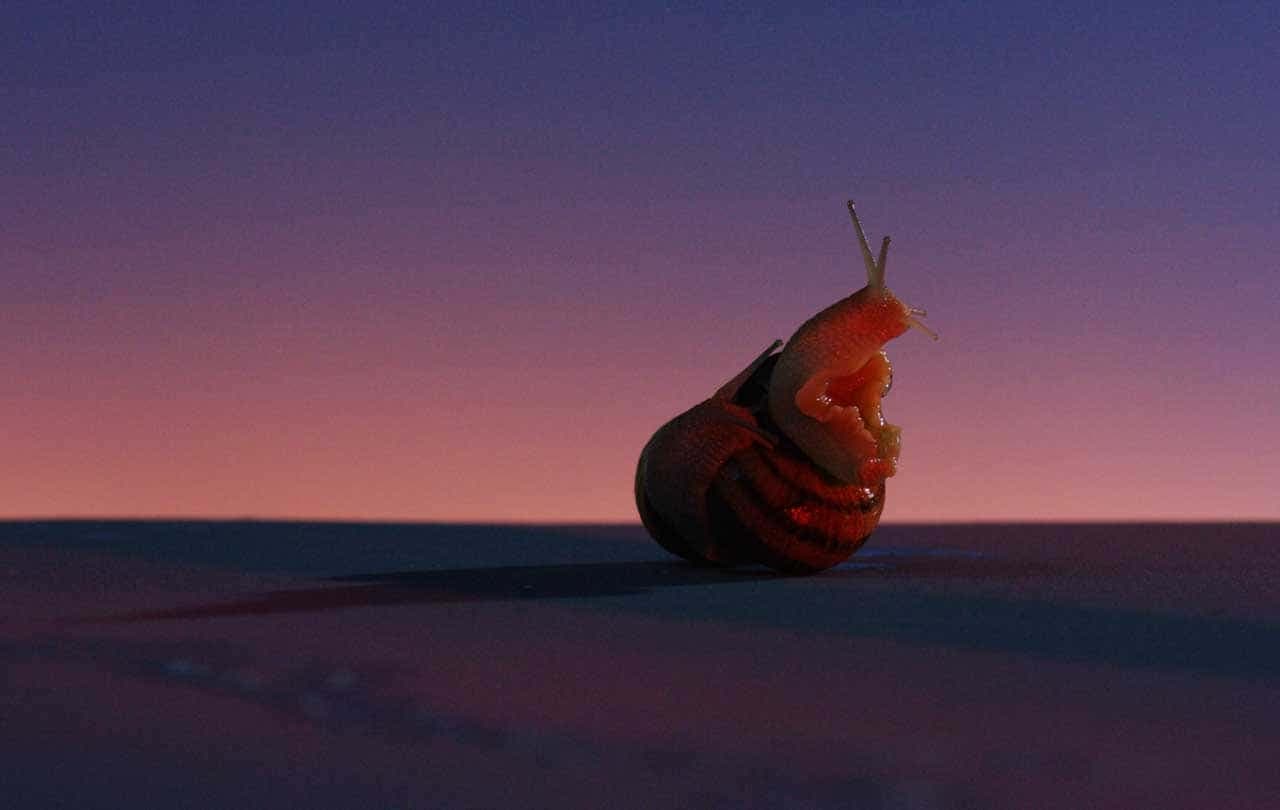
Because we have bodies—we dance. For all the fleeting emotions that language cannot carry, for the sighs that slip between chest and lips, for the searing songs that burn holes in our tongues, when words and sound fall short, the human body rises—our hands begin to speak, our feet begin to move. In the early 20th century, the phonograph arrived in Taiwan from Japan. Records traveled by train to Yilan. In Shanghai, Tokyo, and Taipei, stylish men and women danced the foxtrot. Desires became modern, love became free—by the riverside, in spring dreams, we declared: We are civilized women. Taiwan had entered the age of dance. But dancing isn’t always freedom. Japanese dancer Genjyu Hanayagi woke a sleeping dog with her body. She hadn’t yet shed the kimono—the garment shaped by a feudal system that once bound women. But the kimono would never devour her. As long as she danced, she could swallow discrimination whole. Argentinian tango queen María Nieves put on her flowing dress and danced her way out of poverty, out of the milonga halls, onto Broadway. It took her half a century to reclaim her steps—through deadly embraces and long gazes, through love and hate, intimacy and estrangement. Only when the music stopped did she find her freedom. When women aren’t dancing, is the body a work of art? A doll? The women photographed by the bad boy Helmut Newton dance even in stillness. He stares through the viewfinder—at them, at himself. Their gazes meet, a tango of vision. To gaze is to reclaim space for the body. Snails need no eyes to stake their claim in the world. They dance a love never known before—pure, entangled, silent. They lick the edges of dusk and morning, drawing desire in trails of slime. I love watching dance—sometimes I dance wildly myself. In these five documentaries, in their movements, I feel it again: the body being born. And with it, connection.
 Author顏訥
清華大學中文所博士,中研院文哲所博士後研究員。研究香港、台灣文學傳播現象與唐宋詞、筆記性別文化空間。創作以散文、評論為主,得過一些文學獎,入選《九歌106年散文選》,散文創作計畫獲國藝會創作補助。著有散文集《幽魂訥訥》、合著有《百年降生:1900-2000台灣文學故事》。