2020
Stockholm International Film Festival
最佳紀錄片提名

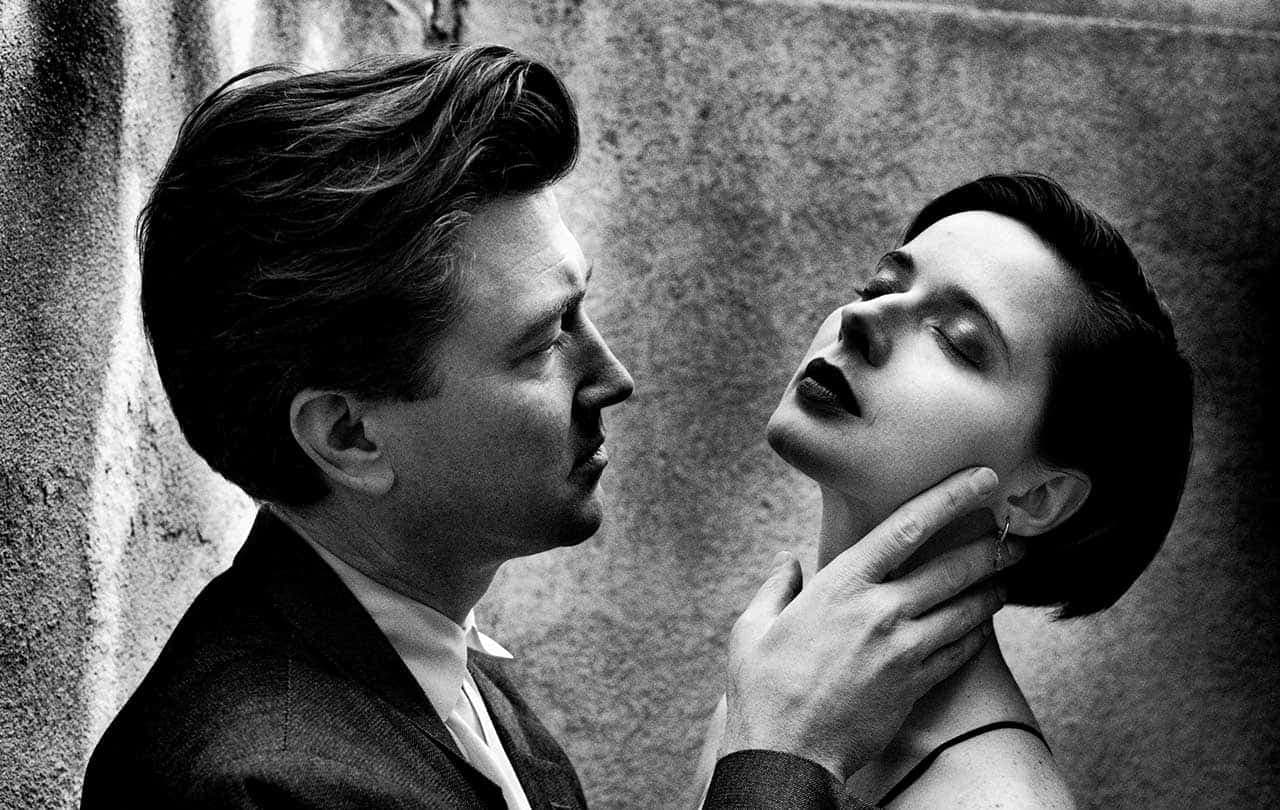
Directed by 蓋羅・馮・波姆
最佳紀錄片提名

我對Helmut Newton從不是非常熱愛,也不討厭,知道是大師的作品,也的確是大師的作品。看完紀錄片,覺得更多懂得了他可能也更迷惘了點。他是猶太人,但童年在納粹影像充斥長大自然而然的被影響。他對攝影、女人幽默又充滿熱情的心無庸置疑,也很難得的讓眾女人都同意他的良善(非像荒木的偽善和該被關起來,我本來很喜愛他的作品的)。我對於導演在電影中間安插蘇珊·桑塔格和Newton的對談感到某種感激。(桑塔格說她從不指望作品和作者相像,她感到作品的厭女及Newton的回應。)讓觀者可以更加被攤開來,自己搜尋或迷路出一條軌跡。Newton的可愛及和June之間的某種純粹相當動人。
《情攝大師》|短評 作為六〇年代以來極具爭議性、極富侵略性的攝影師,漢姆特於二〇二〇年迎來百歲冥誕,時尚圈、攝影圈乃至整個藝術圈莫不再次討論起這個最叛逆的傳奇先鋒。天生藍綠色盲的漢姆特以黑白、對比強烈的影像風格為主,拍攝題材則環繞著體態高壯的裸女、戀物、權威、S&M,無論熱愛或厭惡其作品,我們都不得不承認漢姆特為時尚圈帶來的影響。 他幾乎是以挑釁的方式佔據了當代時尚雜誌的版面,在男性注視底下窺視女性的慾望,卻也在如此挑逗的作品中拍下了那個電光石火之間,流溢於女性體內、獨有的美麗與遐想。當他留下許多經典肖像時,卻也被抨擊厭女、物化女性,評論家蘇珊桑塔格更是在節目中直指漢姆特的作品就是厭女症,一貫調皮的漢姆特則說自己愛女人勝過於一切。 倘若在當代女性主義底下重新回望漢姆特的一言一行,除卻了標籤化的角力,我們是否能更加重視自主情慾的展現?正如紀錄片中 Grace Jones 所言:’’ He was a little bit pervert, but so am I so it’s okay.’’
57:36 我認為攝影界有兩句髒話,一是「藝術」,二是「好品味」。—— 漢姆特紐頓《情攝大師》
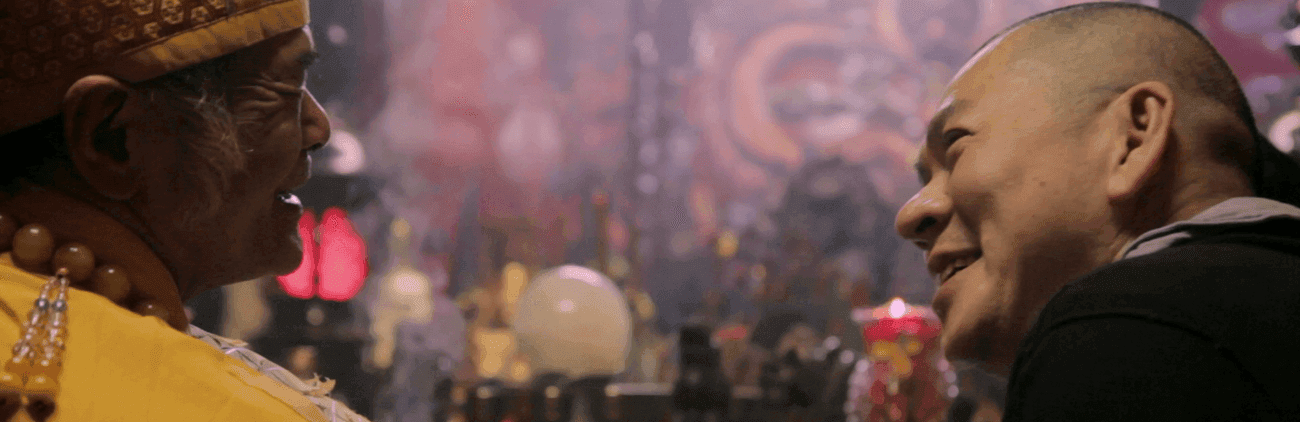
To document an extraordinary soul through the lens is to constantly wrestle with the dilemma of completeness. How can one capture the vastness of a life within the limited time of a film? It challenges the filmmaker’s depth of understanding and precision of perspective. Rather than striving for an all-encompassing portrait, it may be more powerful to focus on select moments—those glimmers that illuminate the subject’s essence. The camera becomes not only a tool to pierce through the surface, but also a means for sincere conversation with the person in front of it.
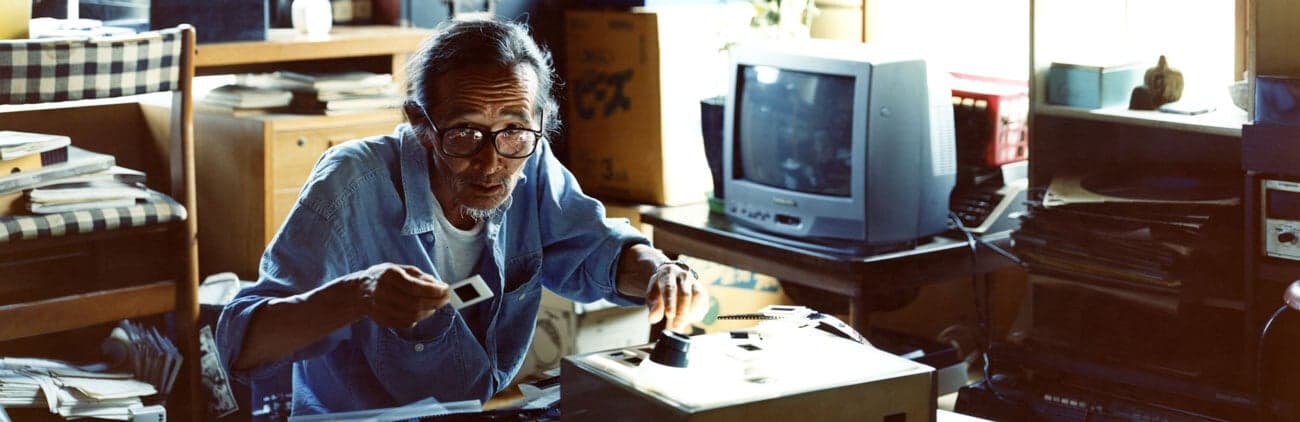
A decisive moment captured by the shutter becomes eternal—freezing not only time, but the legends behind the lens. Giloo presents the "Moments the Shutter Caught" documentary series, inviting viewers into the lives of master photographers. These artists documented—and at times disrupted—their era. Whether it was a fleeting spark of inspiration or the struggles and wisdom of creation, everything was preserved through the lens, becoming the very essence that nourishes their work.
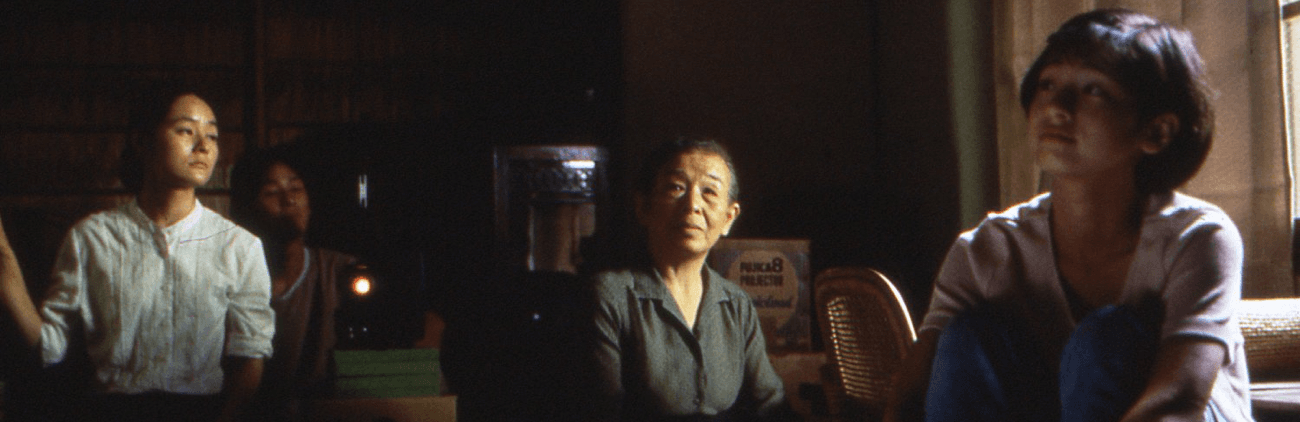
The Golden Horse Film Festival is Taiwan’s largest and most prestigious film event, with a long-standing history and growing international recognition. In 2020, the festival featured 176 outstanding films from over 50 countries and regions. From this rich lineup, Giloo has carefully selected 10 remarkable titles—ranging from auteur-driven feature films and issue-focused documentaries to experimental works that playfully reimagine cinema history. We invite you to revisit these standout selections and relive the highlights of the festival.
Photography is a kind of magic—one that captures fleeting beauty and frames a way of seeing the world. Even after losing his memory, Takuma Nakahira continued photographing daily life, preserving its shifting shape. The wildly unrestrained Nobuyoshi Araki turned tender and intimate, documenting the luminous presence of his beloved wife Yoko. And a mysterious nanny—who left behind over 100,000 negatives—was later revealed to be one of the most legendary street photographers of our time. Giloo invites you to journey across time and space, through the viewfinders of master photographers. Step into their gaze, and witness the moments of eternal light they captured—fragments of life, stilled and glowing.
Why do we always feel a deep sense of resonance when reading family narratives or watching family films? What exactly have we exchanged through them? How can those trivial details expand into something universally human? And what about empathy in photography? When the lens stares directly at reality and confronts the pain of others, does it feel like part of your soul has also been taken? In staged photography, even if the photographer clearly doesn't care about souls and focuses only on the face, chest or legs, the subject and the viewer may still sense that the spirit has either been empowered or diminished. Between taking and being taken, seeing and being seen, what have we exchanged?
From atypical figures to trailblazers, how did the artists of the last century transform the meaning and form of viewing? Following the destruction of order by world wars, the human desire to reshape new values manifested in Dadaism's anti-mainstream stance, student movements' anti-authoritarianism, hippies' anti-war sentiments, and the civil rights movement. Diverse social trends nourished artistic thought, and an anti-traditional fervor spread globally. These artists challenged established social norms, extending existing art forms to the very boundaries of perception and vision. This film list draws inspiration from Fluxus artist and "Rainbow Artist" Ay-O.
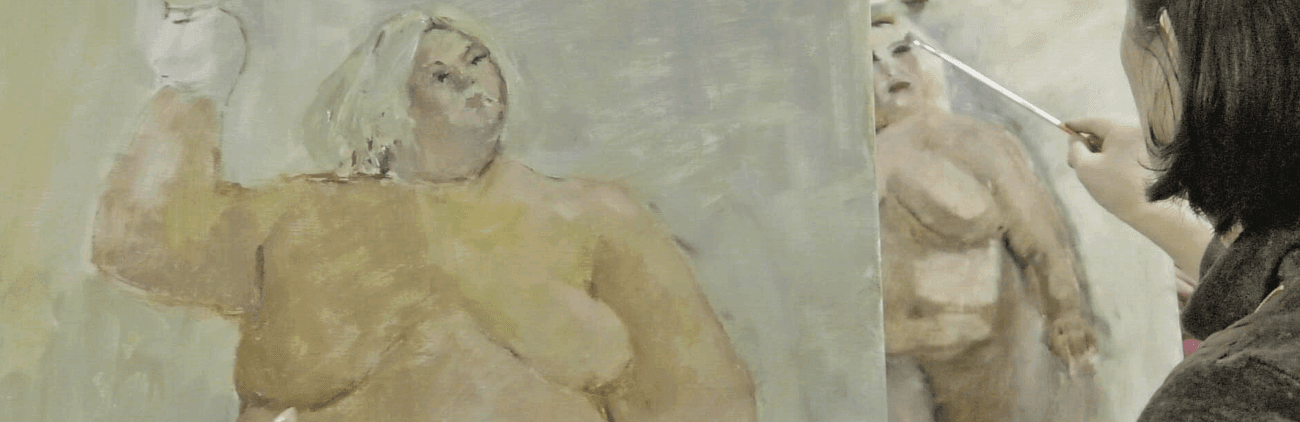
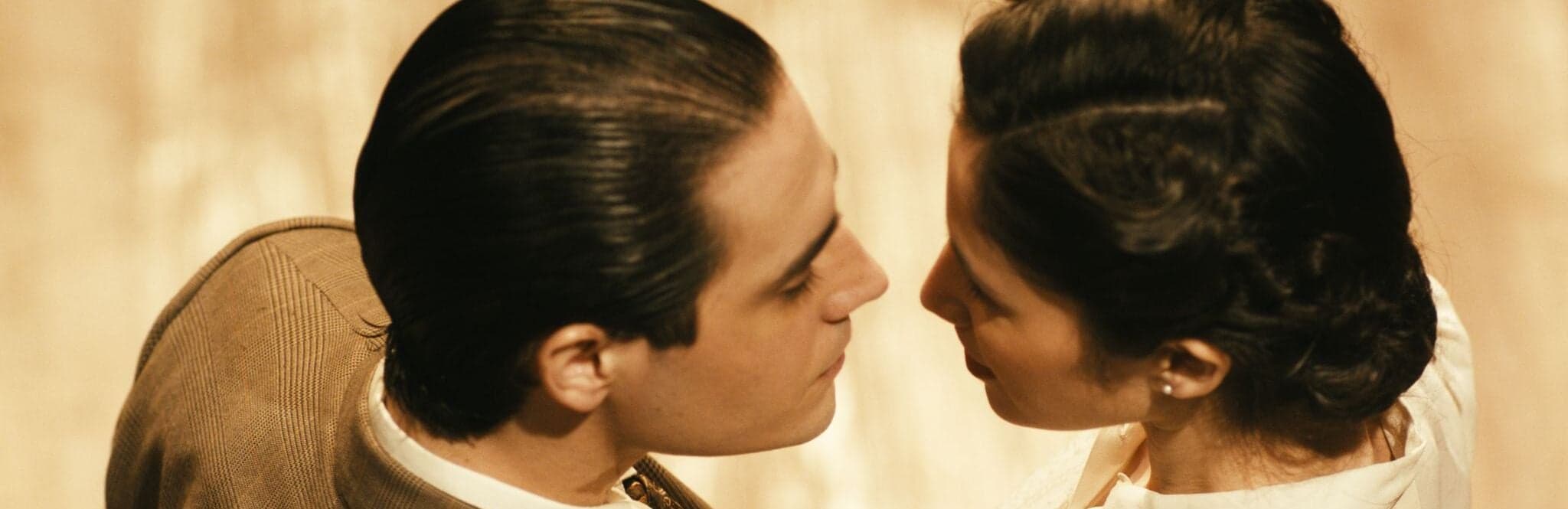
Because we have bodies—we dance. For all the fleeting emotions that language cannot carry, for the sighs that slip between chest and lips, for the searing songs that burn holes in our tongues, when words and sound fall short, the human body rises—our hands begin to speak, our feet begin to move. In the early 20th century, the phonograph arrived in Taiwan from Japan. Records traveled by train to Yilan. In Shanghai, Tokyo, and Taipei, stylish men and women danced the foxtrot. Desires became modern, love became free—by the riverside, in spring dreams, we declared: We are civilized women. Taiwan had entered the age of dance. But dancing isn’t always freedom. Japanese dancer Genjyu Hanayagi woke a sleeping dog with her body. She hadn’t yet shed the kimono—the garment shaped by a feudal system that once bound women. But the kimono would never devour her. As long as she danced, she could swallow discrimination whole. Argentinian tango queen María Nieves put on her flowing dress and danced her way out of poverty, out of the milonga halls, onto Broadway. It took her half a century to reclaim her steps—through deadly embraces and long gazes, through love and hate, intimacy and estrangement. Only when the music stopped did she find her freedom. When women aren’t dancing, is the body a work of art? A doll? The women photographed by the bad boy Helmut Newton dance even in stillness. He stares through the viewfinder—at them, at himself. Their gazes meet, a tango of vision. To gaze is to reclaim space for the body. Snails need no eyes to stake their claim in the world. They dance a love never known before—pure, entangled, silent. They lick the edges of dusk and morning, drawing desire in trails of slime. I love watching dance—sometimes I dance wildly myself. In these five documentaries, in their movements, I feel it again: the body being born. And with it, connection.
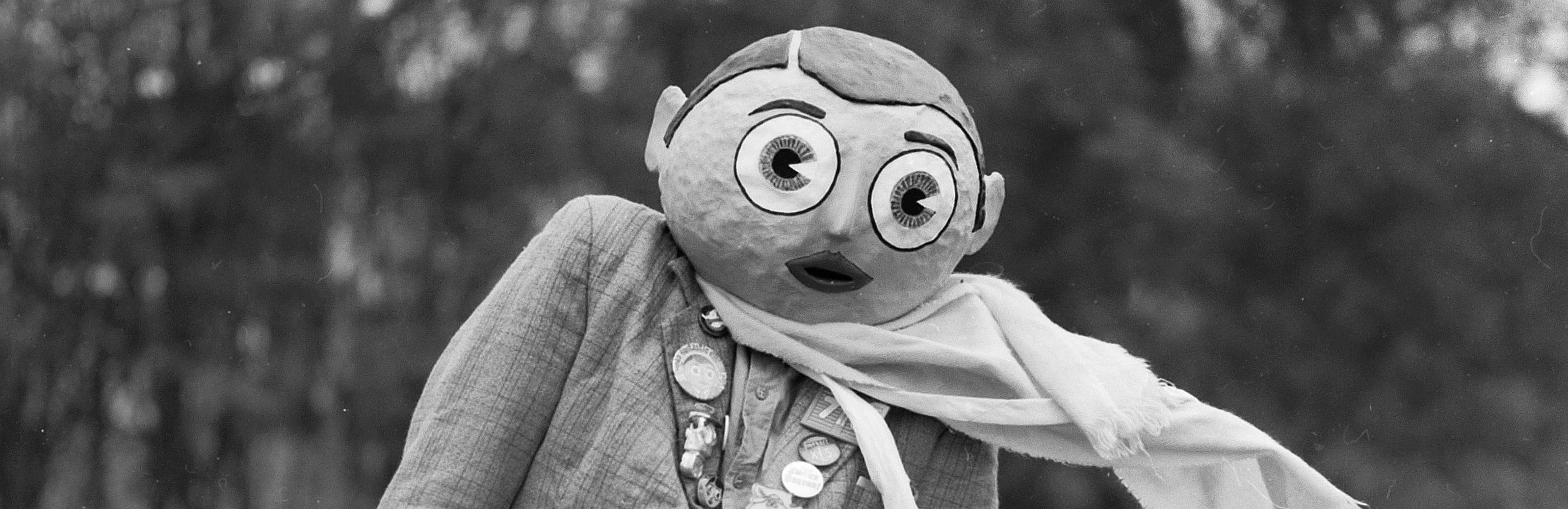
For many, love begins with a talent, and leads to another kind of brilliance—only to end in disaster. The finest artists are singular—they cannot be replicated. Perhaps the best kind of love is found in quiet admiration: a photograph, a frontline report, a song, a book, or a stage play.