2018
Golden Horse Awards
最佳紀錄片|最佳剪輯提名

Directed by 傅榆
最佳紀錄片|最佳剪輯提名
最佳紀錄片

1:45:26 过了这么多年两个主人公却没有一点对自己曾经行为的正确性产生怀疑,从来没有思考过自己的选择究竟是否真的在让这个社会往好的地方去发展。原地踏步数年令人惋惜。
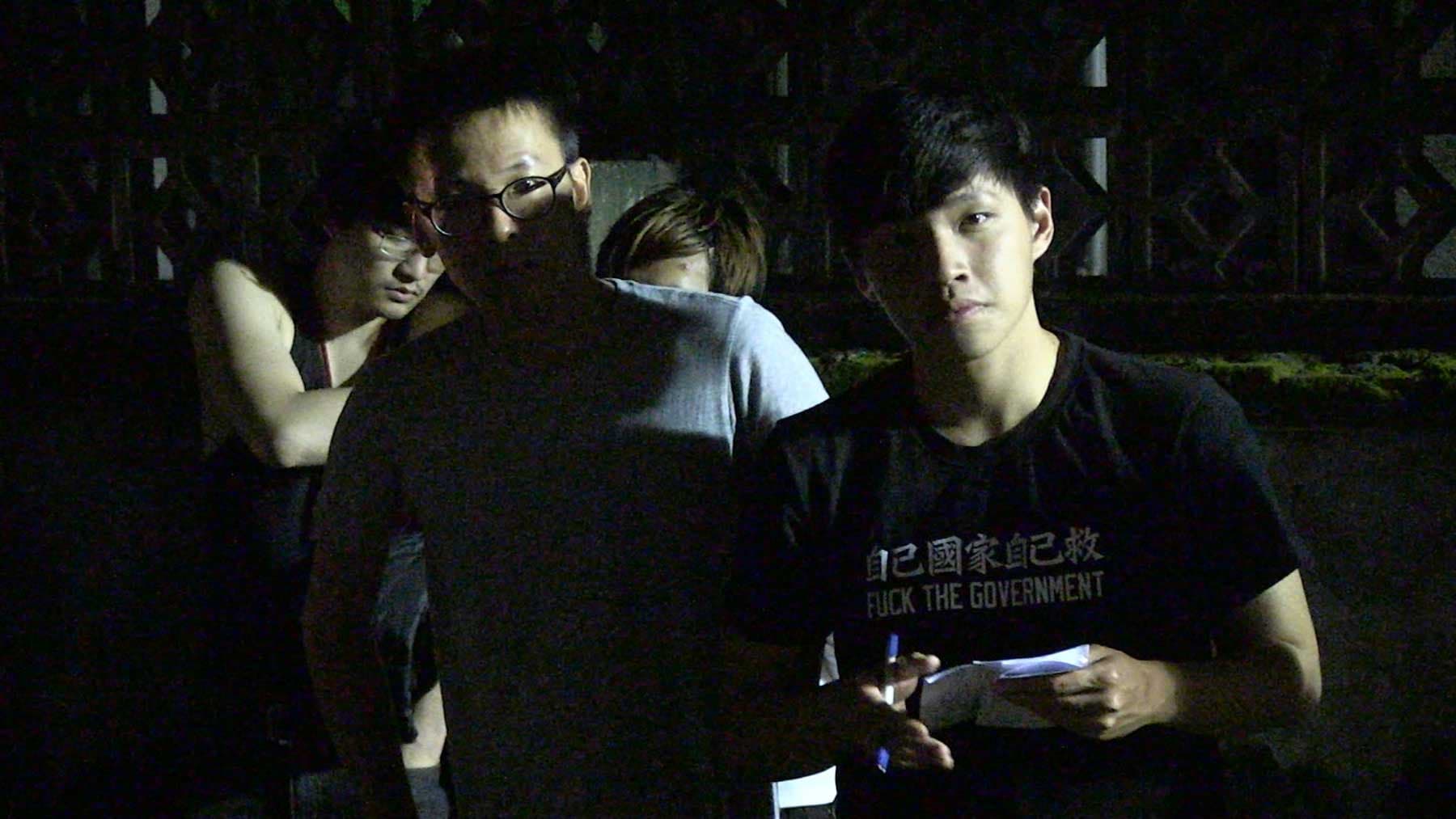
導演傅榆用鏡頭旁觀兩位主角蔡博藝、陳為廷,從2011年直至2015年,穿插在臺灣、中國、香港之間的他們的身影、情緒、所作所為。 從青澀的在路邊短講、有衝勁、投入大小議題的反抗現場;到太陽花學運之後,越來越有影響力,並用自己的光關照他者、去做理想之事;再到躍身體制之內準備耕耘,卻撞到鐵板,發現究竟是徒勞,便後收斂鋒芒低調度日。似乎本來紀錄片理念是想見證,站在敵對立場下的兩岸人民,還是可以找到對話接口。但是越拍,經過中國之旅、太陽花、魚蛋、張博藝淡江學生會長補選、陳為廷立委退選之後,發現這個理念越加看不到實現的可能。她在2017年回首,邀請兩位主角來看初剪版本,試著可不可以再讓他們起來行動。在談話中,有討論到期待這兩個主角去做出符合紀錄片核心理念是不可能的,他們人生並不是只繞著這件事打轉呀。又或者是這些觀看者的期待過於沈重,就像在318學運時王金平院長做出回應,工作小組準備退出立法院時,面對民眾質疑黑箱作業,跟政府一樣,卻又期待著下一步要做什麼,得到回答是退出,卻沒有一個有說服力交代時,更外圈群眾的那樣落寞。我還滿喜歡傅榆在影片中保留自己對事件當下的自白,還有在整理素材時敏銳察覺到的種種質疑,面對問題無法落地的茫然感覺,是一段「我在場,卻又不在」的想像拉扯。
可以搭配這首詩服用: 「我們反思,但結論是別人的。 我們發言,但麥克風是別人的。 我們抗議,但決定是別人的。 我們投票,但國家是別人的。 而我們都不做, 我們也不會是自己的。」 ——eL〈別人的〉
《我們的青春,在台灣》是我這次的策展清單中,唯一的一部「紀錄片」。 但我倒不覺得,除了它之外的作品並非紀錄片,而是用了某種手法暗示、詮釋一段人生,甚至是有別於主流電影的手法,用接近紀錄片的特性去表達演員之間的動與不動。 一開始會觀看《我們的青春,在台灣》,主要是因為我接下來的作品會提及這部紀錄片。傅榆在 2018 年的金馬影展,以《我們的青春,在台灣》獲得最佳紀錄片獎,而當時她的得獎感言裡提到:「《我們的青春,在台灣》這部片很多人都以為只是在講政治,但它更多是在討論青春。青春很美好,但青春也是最容易犯錯的時候,尤其是把錯誤的期待投射在別人身上。」 一部記錄青春的紀錄片——在茫茫電影海,而顯得審美疲勞的世界之中,是那麼的青澀與可貴。看完這部片的當下,我後悔我怎麼沒有更早看完它呢?——每當我看了一部很滿意的片,我總會這樣懊悔——但與此同時,我反過頭來感激,正是因為現在的我已現在的這個姿態看完了這部片,我才能如此著迷、如此感動吧。
「我們的青春,在台灣」,片名是一個令我相當陌生的詞,對於國中畢業後就出國唸書的人來說,我的青春,是不在台灣的,但透過本片,能強烈感受到一種對於家鄉的愛,那是一種屬於年輕人情感, 因為是青春年華,他們才可以這樣不顧一切地碰撞,從社會運動中,我看到的,不僅僅是政治的議題,這也是年輕世代的議題,也是與原生家庭的議題。
任何念頭的初衷,經過時間以及層層不同因素的渲染下,都很有可能被影響而背離,甚至迷失當初的模樣,社會運動為如此,甚至導演傅榆對於拍攝本紀錄片,也陷入如此困境,但最美的也在於最後傅榆並沒有想硬是給一個結論,而是很誠實地面對這個作品,而這部分,是我非常喜歡的。
對於社會不滿的怒吼、得不到回應的憤怒,一路到付出為什麼沒有回報的那捶胸頓足的感受,是否也強烈呼應現世代年輕人的那個無力感?
本片對我有多個層面的啟發,過去一直都沒有這麼細微地去感受「紀錄片導演」與「被拍攝者」之間的關係,而透過本篇,更真實地感受到這中間的關係,到底是互補、互動,還是拉扯。
日本紀錄片導演原一男曾表示:「拍攝者與被攝者之間,本身就是一種搏鬥、對抗的關係。事實上, 手持攝影機的是強者,但拿著攝影機卻不把當時的狀況拍下來,就是一種逃避!就無法提出批判的觀點。」但有趣的是,本片中導演傅榆與被拍攝者的關係,似乎更像是朋友,而真正的搏鬥,反而回到導演與自我的辯證。
漫畫家/插畫家高妍創作的長篇漫畫作品《綠之歌 -收集群風-》,近日入選了日本寶島社2023年度《這本漫畫真厲害!》票選「男性篇」的第9名,成為首位登上排行榜的台灣漫畫家。這本描寫台灣少女在接觸音樂與文學的大學生活中,一邊感受戀愛悸動、一邊慢慢成長過程的作品,引用了《一一》、《青春電幻物語》等台日經典電影元素。趁著年底大選,Giloo紀實影音邀請到目前旅居日本、快閃返台投票的高妍參與全新節目「Giloo Podcast」,與我們分享她喜愛的電影,以及這些養分如何長成創作時的無數靈動瞬間。
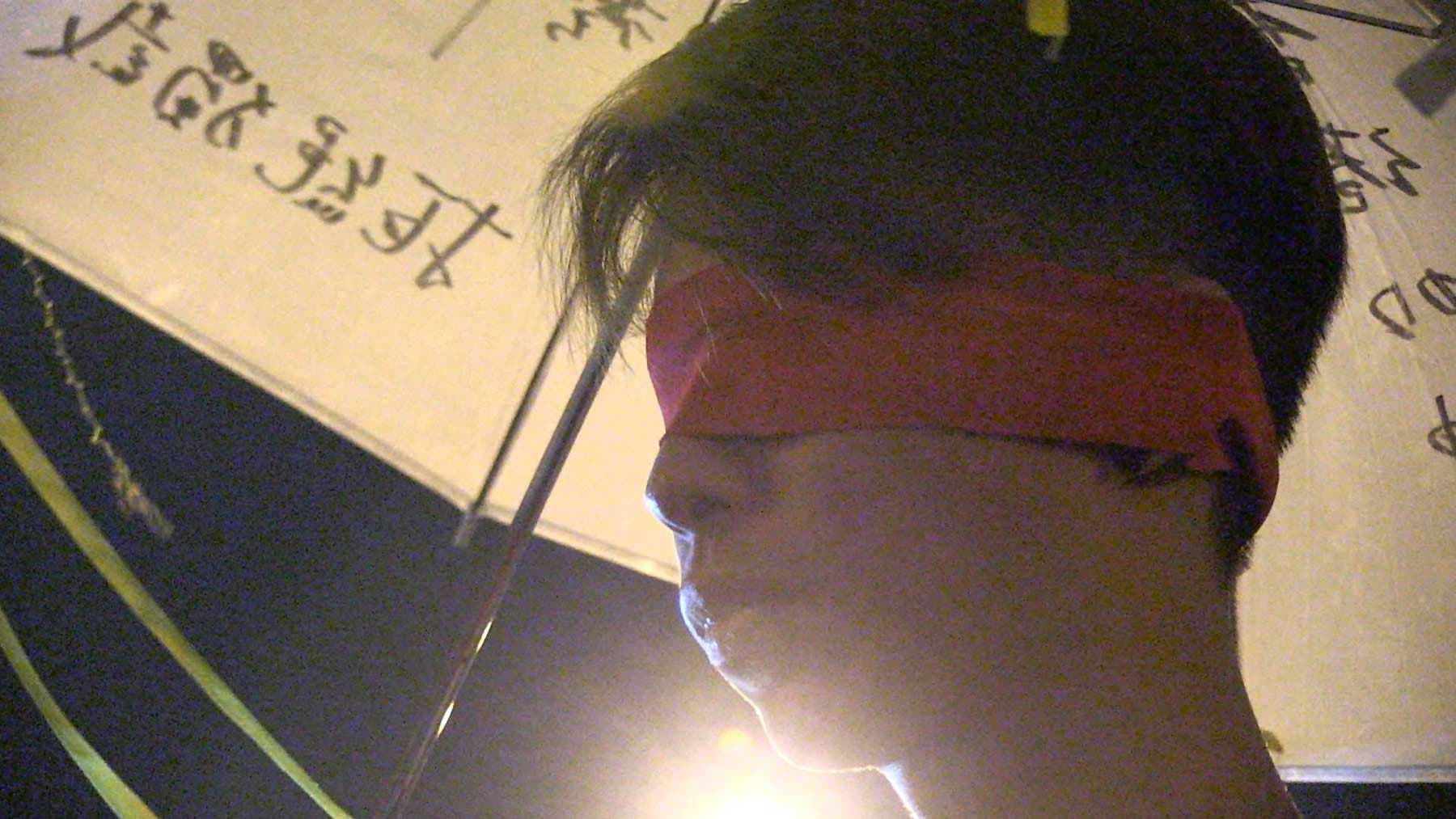
2018 年在台灣國際紀錄片影展(TIDF)中,國家電影中心與公共電視合作,啟動了「時光台灣」計畫,邀請了 14 位青壯導演,以老舊檔案影像為底,拍攝全新的短片──佳作極多,新舊彼此打磨劃擦而生的火花,令人驚艷。傅榆的《不曾消失的台灣省》即為「時光台灣」之一,看完之後我極為驚喜:這真是一部極為「政治不正確」⋯⋯
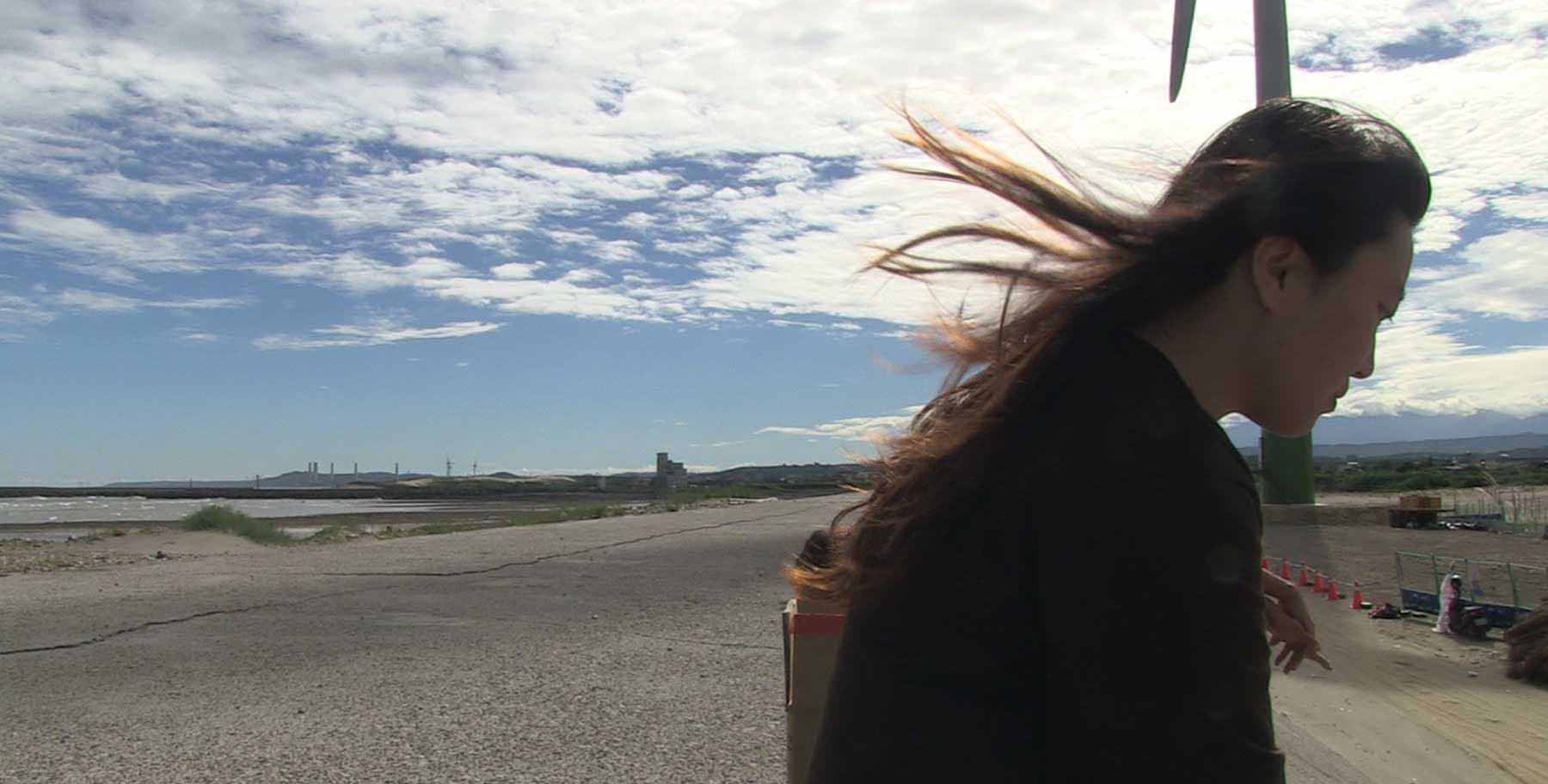
2018 年,傅榆導演及江偉華導演分別以《我們的青春,在台灣》與《街頭》兩部紀錄片,不約而同地回應了 2014 年的 318 運動及攻佔行政院事件。不過,這兩部紀錄片的拍攝起因皆非 318 運動本身,而是與片中青年世代的長久情誼,因此電影的整體敘事,也都渴望掙脫事件特殊性,轉而關注籠罩在事件當中的人性之難⋯⋯
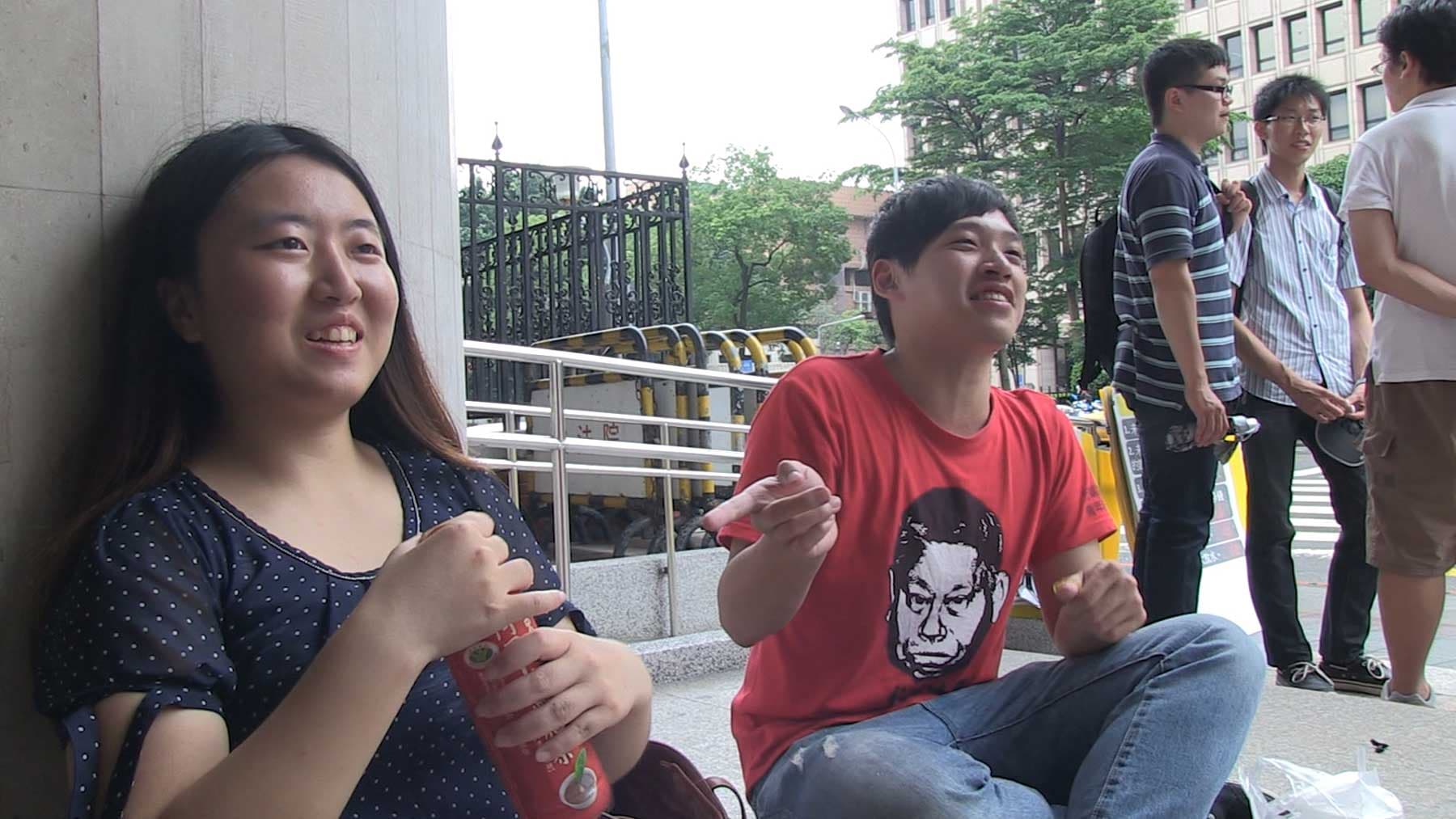
2009年五月,傅榆帶著她的紀錄片《大家一起照鏡子》(南藝大畢業作品)與楊彝安(後來成為她的夫婿)的紀錄片《家》,一起來到我的書店有河book進行了一場小型放映會,那是我第一次認識這對導演夫妻。楊彝安及傅榆當時是兩位年輕的紀錄片導演,在各自的畢業作品中不約而同皆以「家人」作為拍攝對象,但是主題迥異⋯⋯

九〇年代末我在讀大學,有個對我當時生活來說頗不那麼陌生的夜晚,我突然生出了一股不耐,回頭看,那股不耐像是個起點,在接下來的日子裡,我(被)以暴力的方式逐漸脫離我學著加入信仰但其實不太了解的組織⋯⋯
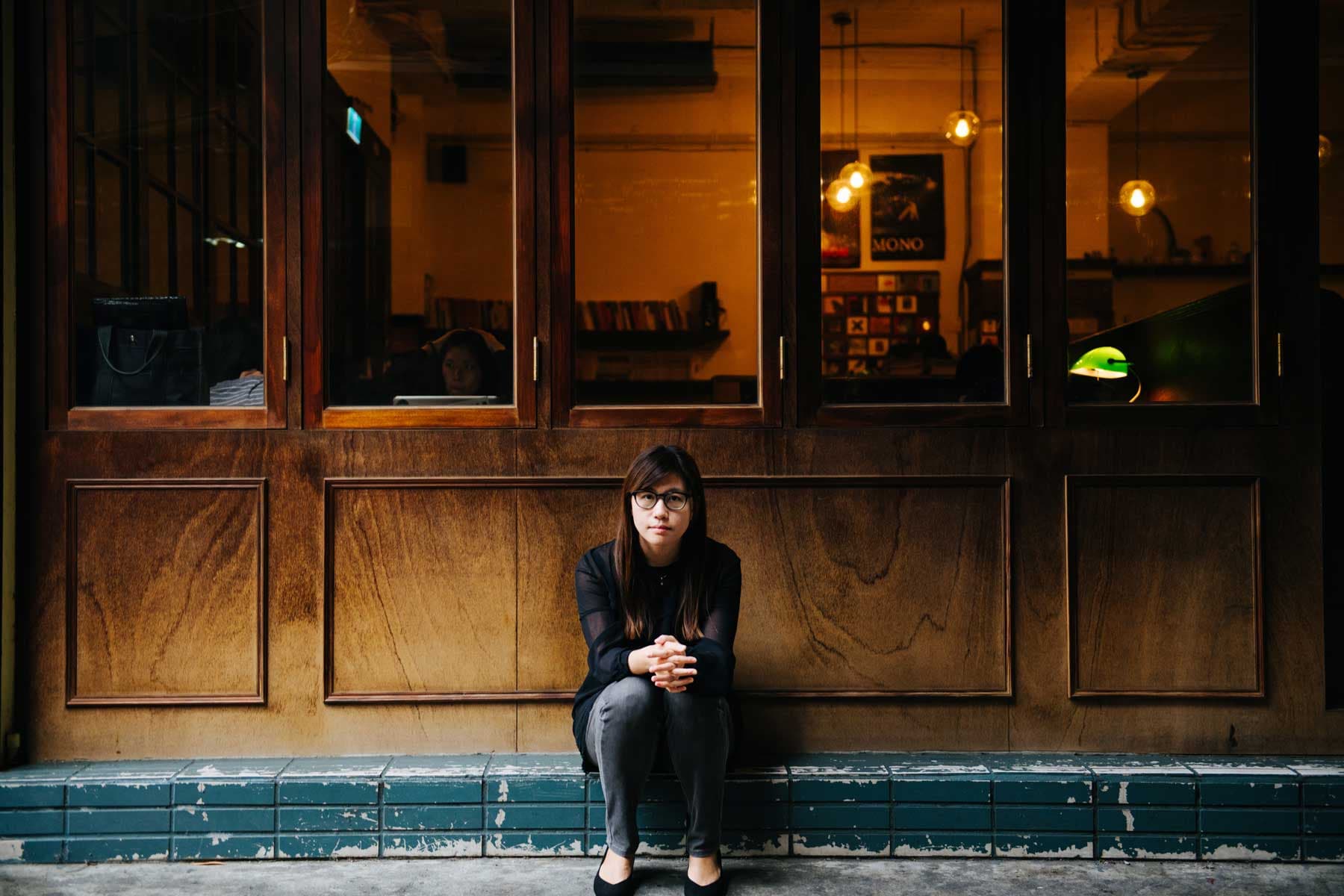
但現實裡真正的傅榆,是個經常想講什麼、但又欲言又止的人。訪談當中,她偶爾需要停下來苦苦思索、尋找適當的語彙描述她所感受與認知的,生怕用錯了詞造成誤解。「誤解」於她而言像是難以遣懷的遺憾,卻也是促成她拍紀錄片的初衷,希望以⋯⋯
日前《端傳媒》針對六四事件出了系列報導,其中一則,是訪問多位攝影師對六四的記憶。編輯台將這則報導題為「多重曝光」,希望將時空拉回當下,為記憶的場所一次次添增複雜。複雜意味深長——不只是分歧的述說、人物的多元,更關鍵的是評論人夕岸對不同政治立場之於六四僵化言說的提醒:「越是強調人民不會忘記,真正的⋯⋯

In today’s world, is mutual understanding still possible? When authoritarianism resurges, power is concentrated in the hands of corporate giants, and fake news floods every channel, even basic communication between people has become a daunting challenge. The team at Chichi’s Notes believes that the desire to communicate stems from our human longing to understand the unknown. As long as we stay curious and refuse to accept a black-and-white view of the world, meaningful dialogue remains possible. This online film program begins with the theme of fake news and self-media, inviting viewers to reflect on how media shapes public perception. Through the lens of documentary, we question what we take for granted and challenge our assumptions—listening to the confessions of dictators and digital nationalists, exploring the resistance of cults and subcultures, and blurring the line between criminality and creativity. We hope these films offer glimpses into our shared struggles and desires—and open up new spaces for mutual understanding in a world that feels increasingly divided.
Times don't always move forward, and the lessons of history must not be forgotten. "The struggle of man against power is the struggle of memory against forgetting." — Milan Kundera

The struggle is far from over—Taiwan still needs a revolution. From the tangwai movement during the late Martial Law era to more recent protests like the Sunflower Movement and opposition to the Sixth Naphtha Cracker Plant, Taiwan’s people have repeatedly challenged authority. Through collective action, they’ve reshaped public policy and redefined the island’s political landscape. Giloo presents a curated selection of documentaries on Taiwan’s social movements—capturing the pivotal moments, the key players, and the tensions that shaped them. As we revisit these movements through film, we ask: After all that Taiwan has experienced, how many issues still call on us to stand up and take action?