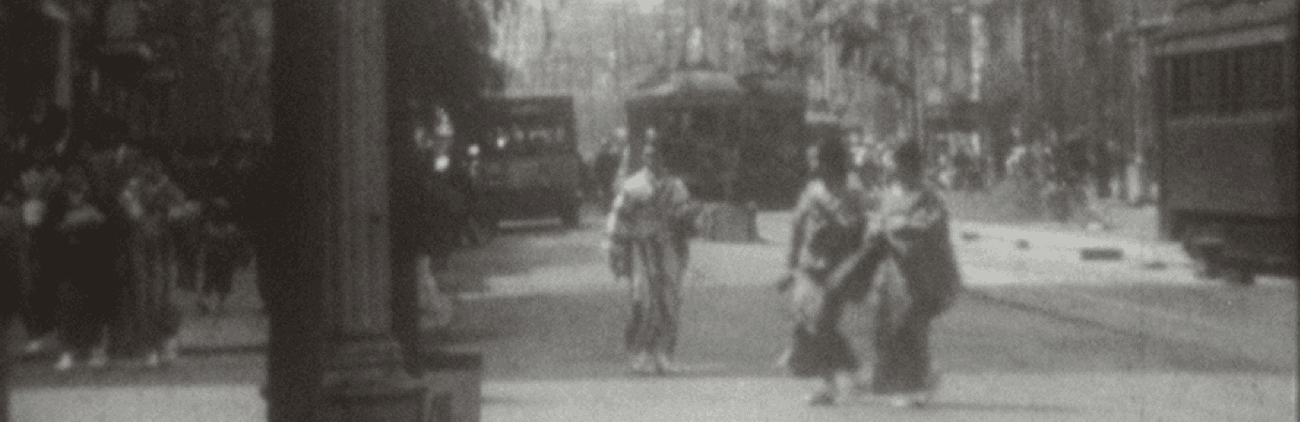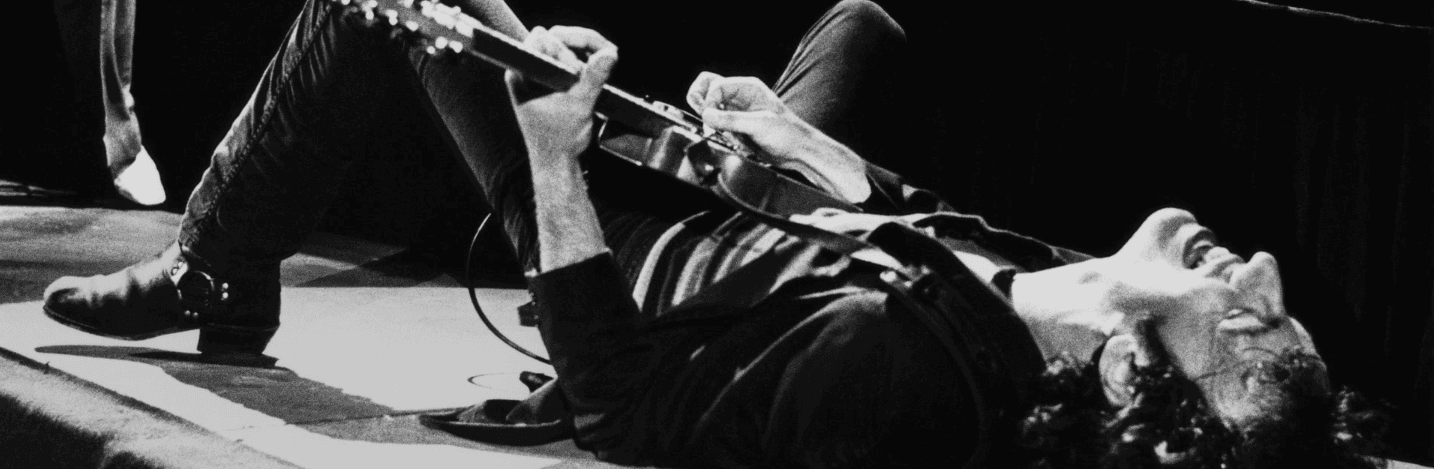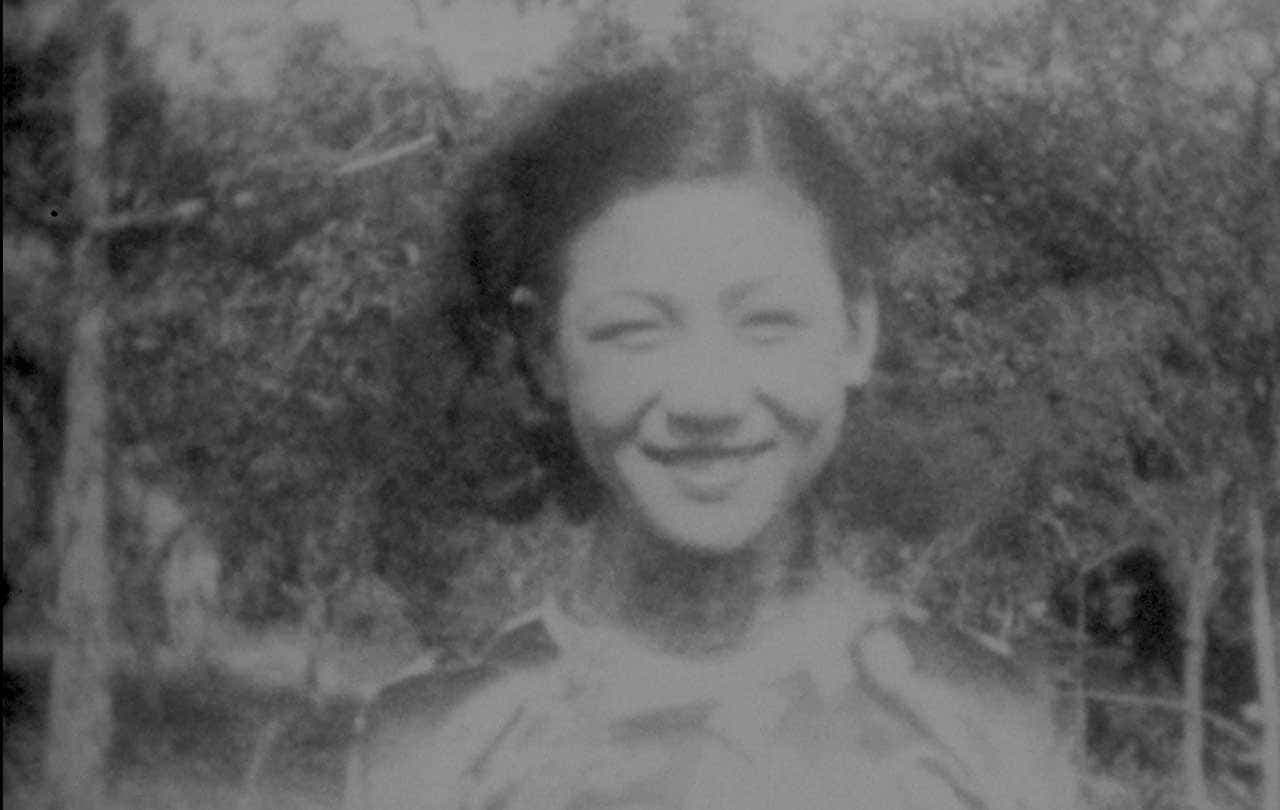

每一幀畫面影像都是連動的照片所組成,映入眼簾的是當時的社會氛圍,搭配林強ambient的配樂風格,替這部電影的寫實風格點綴一點迷幻色彩。
1930年代,究竟是個什麼樣的年代呢?當時的人們,究竟都在做些什麼呢? 這部片帶著我們穿梭回到1933年,一窺當時生活景象,各種象徵現代性的標誌:三線道、汽車、鐵路、大樓,以及穿著西裝與洋服的摩登男女。導演透過影像書寫的方式,紀錄了親友及旅行各地的風光,像是日記一般,捕捉歷史的吉光片羽,而影像更藉由林強充滿當代的電子樂,一幕幕原先無聲的影像,變得更加立體生動。
一個時間不感症者 拿起了攝影機會怎麼樣? 是卡塔卡塔轉動的陰陽經 還是歧路亡羊的招魂術? 看好男好女白衫翻飛 是屬於另一個世界的 閃回剪 另一個世界,性 教育了台南少爺的愛情觀 另一個世界,新感覺派 上海話修改了江戶腔 另一個世界,站在最後的 丹仁鬍紳士凝視著神的孩子起乩 入喪亂 人間在回卷,著火的底片 燃燒了窺看太平的肚臍眼 你還是那個下揚州的幻戲人 你還是那個不回家的王子喬 等你回來,你的媽媽名叫「恨」 八角樓的走馬燈被兩顆子彈打斷 倒著轉
23:32 路上有悽惶,無人可招魂
10:59 這一段太悲哀了,比前一章白衫飄飄中流逝的好時光還要悲哀。林強的配樂捉到了這種悲哀。

Old films, classics, and cinematic relics from the past always hold a certain allure. In these moving images, we see the spirited youth of the 1990s fighting for creative freedom, the vibrant chaos of 1980s Japan, and, through the pioneering lens of Taiwanese home-movie maker Deng Nan-Guang, fleeting moments of beauty from the Japanese colonial era. And of course—let’s not forget the soulful rhythms of Cuba’s legendary old-school jazz musicians.

There’s something deeply captivating about the light and shadow of a bygone era. Classic and vintage films carry the spirit of 1980s and 1990s Taipei—woven with memories, youth, and the passage of time. Through these images, you’ll catch glimpses of everyday life and the sense of freedom that belonged to that time.

A sharp, compact poem often speaks louder than a lengthy speech! Giloo presents a curated collection of small but powerful documentaries—short films that, within a limited runtime, deliver layered, resonant stories. Experience the elegance of cinematic brevity, and see how precision in visual storytelling can leave a lasting impression.
The Kishu An Book Festival aims to overturn the stereotype of books as dull or monotonous by infusing literature with vibrant musical elements and bringing artistic experiences into everyday life. Through engaging sessions led by guest speakers, participants are invited to discover how closely literature resonates with their own lives. The 2022 edition of the festival, themed “Musical Narrative: Music x Reading”, featured lectures, performances, an online film screening series, and a themed marketplace. It brought together music critics, writers, and singer-songwriters who navigate both the literary and musical worlds, sharing how they translate experiences between these forms and explore unique modes of expression and interpretation.
Over the past century, modern poetry has redefined the meaning of "poetic" time and again. Similarly, poetic cinema—originally pioneered by directors like Andrei Tarkovsky—has gone through countless divergences, clashes, and disruptions. Today, to label a film simply as “poetic” can feel almost reductive. Cinema’s engagement with poetry has long since moved beyond imitation; it has entered a stage where it redefines poetry itself—pointing to unexpected forms and aesthetics, even suggesting new directions for literature to break through its own limits. The five films I’ve selected reflect these expanded poetic sensibilities: Iron Moon — a raw yet tender documentary on labor rights and worker-poets in China The Cordillera of Dreams — a reflection on Chile’s shadowed history Manfei — an off-centered biographical portrait of a pioneering dancer The Man with the Camera — an experimental film on novelist Liu Na’ou Nomad: In the Footsteps of Bruce Chatwin — a return to the spirit of romanticism through Werner Herzog’s lens. These works may offer us a way to reexamine the world—not only as filmmakers or viewers, but with the vision of poets.

Old-school lovers often say: It’s not that I like old things—it’s just that the things I like have grown old. Being “old-fashioned” evokes the charm of a bygone era: a certain simplicity, sincere and warm human connections, and the grace of staying composed amid sweeping change. These are qualities slowly fading in our fast-paced, instant world. But through precious archival footage, we can once again feel the elegance of that old-school spirit—be it colonial-era Taipei, a jazz festival in 1950s America, the streets of Tokyo in late Showa, or a Paris fashion runway in the 1980s. If I must stay at home in isolation, I choose to retreat into this spiritual time capsule of vintage films—as if boarding the carriage from Midnight in Paris, traveling to a world that’s unfamiliar, yet deeply nostalgic.

Whether you can’t sleep at night or simply don’t want to, here’s a “Sleep Aid Playlist” I’ve carefully selected—meant to be savored slowly. The inspiration came from my own experience: many nights, I’m exhausted yet wide awake. There are many possible reasons, but one of them is the reluctance to end the day—the quiet resistance to letting go of today. Learning to spend time with the night, to sit with it, sometimes helps us forget the mess of the daytime. So which one is real life—the hush of the night or the chaos of the day? Maybe we don’t need the answer just yet. These five films are best watched late at night, one quiet bite at a time. Let the stories unfold slowly… and gently guide you toward sleep.

What Did Taiwan’s First Pop Songs Sound Like? How did a group of young people returning to the countryside turn an old tobacco-curing shed into the birthplace of a classic album? How did one small indie record label become the cradle of Taiwan’s biggest rock bands? In collaboration with Blow (吹音樂), Taiwan’s leading independent music media outlet, we've selected 9 films exploring the roots and evolution of Taiwan’s music scene—alongside a powerful documentary on Rolling Stone, the iconic U.S. music magazine born in an era of rebellion. From the golden age of modern Taiwanese pop to the rise of underground and alternative bands, these films span nearly a century of music history. For fans stuck at home and missing the thrill of live gigs, let these moving images bring you back to a time when legends were just getting started.