Director

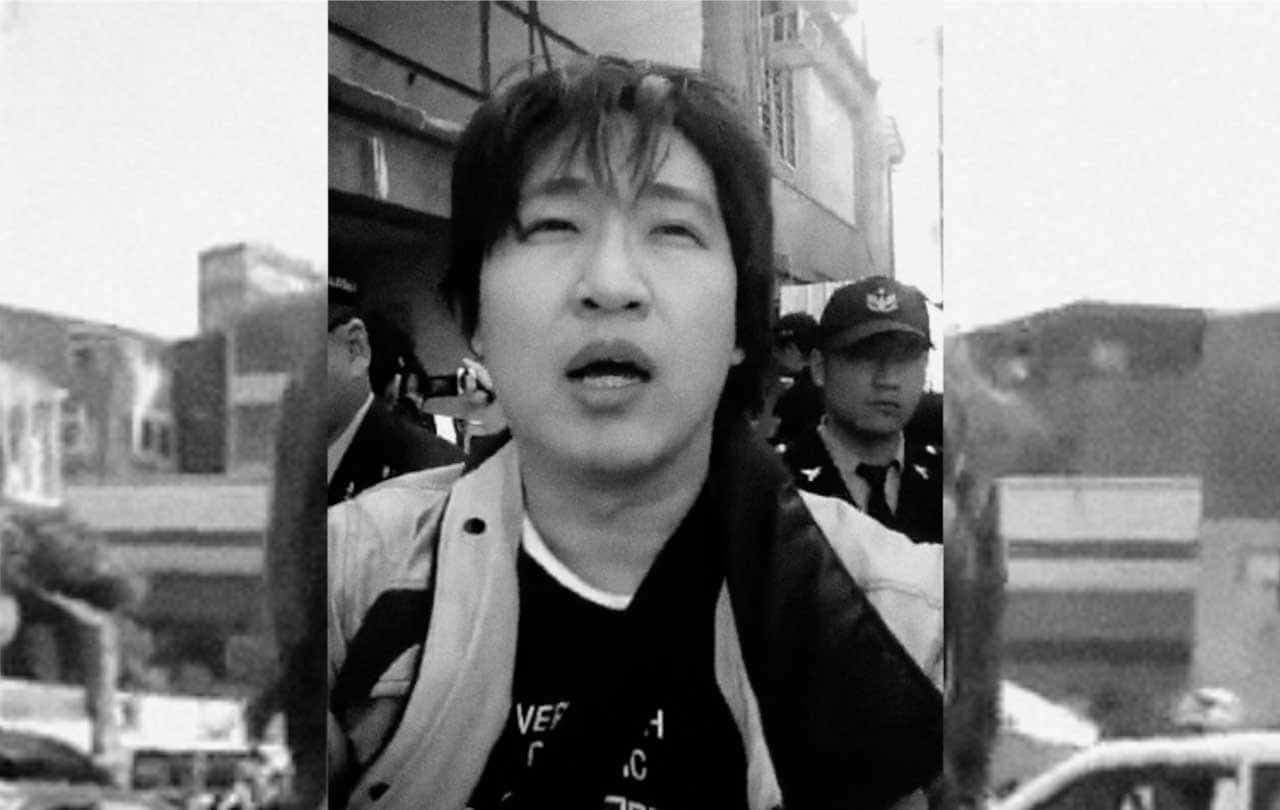
Directed by 林聖文

創作終究只是一種犬儒式的反抗,而聖文早已做了比這些更多。這本來大可只是一部關於控訴的電影。但最終卻變成了抗爭者的囈語及對電影功能的辯證。除了記錄之外還有另一種非常具侵略性卻又自省的洞察力。
如果我是從西元1895年之前,穿越時空一百年來到1995年,我會怎麼理解什麼是“個人電影”? “個人電影”是一種由錄影機跟放映機所組成的結界通道。 錄影機是一種巫術法寶,它是一個拿在手上的黑盒子,使用它的人會把一個帶子放進去後,把自己的眼睛放在上頭的一個孔內,開始施法的時候會發出紅色光點,然後什麼事情都沒有發生,這才是最可怕的地方,你察覺不到有什麼法術正在施作,施作完畢後紅色光點消失,讓帶子從黑盒子裡跑出來。
接著這個人會到一個地方把帶子交給別人,那裡有另外一個人有一個法寶叫放映機,通常比較大不好攜帶,在極度陰暗之處,放映機打出一道光可以照亮四周,原本以為只是道光,但把帶子放了進去以後,可怕的是它會顯示出來圖象與聲象,正是稍早使用錄影機施法時,我們正在進行的活動。 我的解釋是,那個盒子捕捉了一種將有形的人事物變成無形的能量,只有像那種無形的能量方可收納在一個小小的盒子裡,並且可以重複循環使用那個無形的能量。由於那個能量如此真實,使得你/妳宛如擁有穿越時空的靈視能力。
現代,使用這種巫術的人非常的多,幾乎是街上人人手上都有這種法寶。他們使用這些法寶在展現自己的生活中,遇到了許多難以解釋的特殊異象,然後他們將之用法寶來收藏起來,還可以將之傳遞給親朋好友,他們已經很習慣不斷地使用法寶。我不清楚他們有沒有發現,他們所身處的生活正不斷地被這種無形的能量所干擾,有時候我無法分辨,究竟是那種無形的能量在主宰生活,還是施作法術的人在主宰,他們已經交織在一起了,他們的生活就是混沌。
回到如果我是一個現代人。 當有人在錄影時,我們知道電影當下正在拍攝著,若停止重新播放時,我們知道那已是過去的再現,然而那只是一種時間前後順序上的錯覺,過去的人事物從來不會真得過去而不留下,它只是用另外一種形式繼續進行。 “看電影”對我們人類的意義,即是挖掘出上述的用另外一種形式繼續進行的方法,以一種未來進行式的狀態,引導著我們的心靈,我們所未曾經驗過的人事物,以一種尚未來到但當下正在體驗的進行式,是謂電影經驗。
本片的最初來自於 2014 . 4 . 25 臉書上的一則影片。一個男人吊在一台車的引擎蓋上,引來其他人的追逐,接著第二個男人也吊在其上,車子最終高速駛離,影像的結尾,是持攝影機的人緊追不及,宛如要把攝影機撞向柏油路上。 這其中有一定的社會歷史脈絡,可以詳述整個事件的發生,但最終我並非在講述這個事件,而是在開展一條我如何讓觀眾從“你看看你聽聽”中轉化,進而讓觀眾感覺到自己在裡頭活了一次,感覺到自己在電影裡一起,在場。 就像是傳說中《火車到站》第一次播放時,在場的觀眾落荒而逃,他們以為真的有一台火車會撞過來。我也希望觀眾能在最後,即便閉上眼睛也能感覺到,有個出口能夠引領我們一同前去。

A sharp, compact poem often speaks louder than a lengthy speech! Giloo presents a curated collection of small but powerful documentaries—short films that, within a limited runtime, deliver layered, resonant stories. Experience the elegance of cinematic brevity, and see how precision in visual storytelling can leave a lasting impression.

The struggle is far from over—Taiwan still needs a revolution. From the tangwai movement during the late Martial Law era to more recent protests like the Sunflower Movement and opposition to the Sixth Naphtha Cracker Plant, Taiwan’s people have repeatedly challenged authority. Through collective action, they’ve reshaped public policy and redefined the island’s political landscape. Giloo presents a curated selection of documentaries on Taiwan’s social movements—capturing the pivotal moments, the key players, and the tensions that shaped them. As we revisit these movements through film, we ask: After all that Taiwan has experienced, how many issues still call on us to stand up and take action?
Being marginal is a stance; minority is inherently political. There are fictional representations that peddle a loser's vibe, and there are intimate body memories that commemorate secrets others aren't really that interested in knowing. There’s nothing wrong with flaunting language without trying to “say something.” Anyway, we all interpret ourselves through images, or reclaim the interpretive power that has been stolen by reels.
Men and women who leave their hometowns to make a living in Kabukicho, a surreal life that unfolds after a same-sex wedding, Amis people fishing for baby eels in the depths of night, a band using music to challenge the system… Through innovative short documentaries, filmmakers capture vivid portraits of people and moments in contemporary society. Join Giloo in diving into the heart of these issues, broadening your perspective, and exploring the rich diversity of today’s world.