2020
Golden Horse Awards
最佳紀錄片提名

Directed by 李家驊
最佳紀錄片提名
最佳紀錄片提名
台灣競賽提名

在陳昱安本案之中,彷彿看到許多家庭的縮影,我們的父母在成為父母以前,也不知道作為家長應該是什麼樣子。雖然成立家庭,生小孩成為父母,是沒有所謂的「說明書」,但我仍期許自己,或是看到這個筆記的觀眾們,希望我們在面臨人生即將要共創一個家庭之前,兩人能有共識去討論如何經營家庭,學會如何「溝通」並且「同理」,透過更多的互相了解,達到更好的相處之道,維持每個人的心理健康。
26:30 死刑犯陳昱安的律師提到,關於為什麼會發生這樣的命案,我們外人不得而知,俗話說家家有本難念的經,律師對他做更深度的調查,了解到陳昱安在成長的過程中,小時由在南部的祖父母帶大,慣以溺愛的方式寵孩子,因而父母將其孩子帶回台北生活後不利於管教,導致父子之間的關係非常差。 看到這裡,不禁讓我去思考一件事,過往作為觀眾的我們,在看到許多社會案件發生的時候,不應將重點放在如何處罰這樣的人,而是進一步去思考,為什麼他會這麼做?為什麼他會變成這樣?而我們在家庭教育、社會教育又能如何改進,讓身邊的人變得更好?
26:15 死刑犯陳昱安,於民國99年9月因要求父親分家產,自覺父親偏心,不滿多次要求他出外工作,埋伏在家門口砍殺父親一百多刀致死。
24:15 蘇建和冤案,又稱三死囚案、吳銘漢夫婦命案、吳宅血案,是1990年代台灣蘇建和、劉秉郎及莊林勳三人被以「結夥強盜、強姦、殺人」等罪名宣判死刑之重大刑事案件。 蘇建和等三人在二十一年間的官司不斷於死刑與無罪之間來回,從十九歲等到四十一歲才還真正的自由。 本案於2012年被改編成廉政英雄戲劇系列劇情。 對於本案,蘇建和也提及在這期間,家庭支持是他那段人生中最重要的事情。
18:00 死刑犯A老媽媽的背影,令我感到非常心酸,我想當年事情發生時,她的心裡一定許多的疑問,自己懷胎生下的孩子,怎麼會做出這樣的事?又或者是作為父母的自己,做錯了什麼事?這些年不間斷地探望,我想老媽媽內心一定很希望透過這樣的支持,可以讓自己的兒子即使服刑,也能打從內心地面對自己的錯誤,並且重新做人吧。
17:38 死刑犯A因金錢問題殺害友人,在訪問時,他表示當時自己因為衝動而犯案,也不知道自己為何這麼做,現在的他,凡事會經過思考,感嘆自己當年為什麼這麼衝動。然而在這十幾年來,死刑犯A的父母每週會固定去探望他兩次,對於死刑犯來說,這樣不間斷的家庭支持非常之少。
這部紀錄片最吸引我的地方,就是導演並不著重探討我們該如何處置死刑犯,而是更貼近關懷人性的角度,去思考他們為何而做?是什麼樣的原因造成殺人事件的發生。同時也讓人去思考,司法體制又該如何面對更艱難的社會問題。
本紀錄片從三位死刑犯的不同成因導致殺人事件發生切入,從旁觀的角度去看事件發生後的不同面向,是作為觀眾最難以窺見的視角,不僅有死刑犯A的訪問對談,律師們的見解,更有那些我們看不到的「死刑犯家屬」所面臨的事情。
強烈建議搭配電影《午後彌撒》觀賞
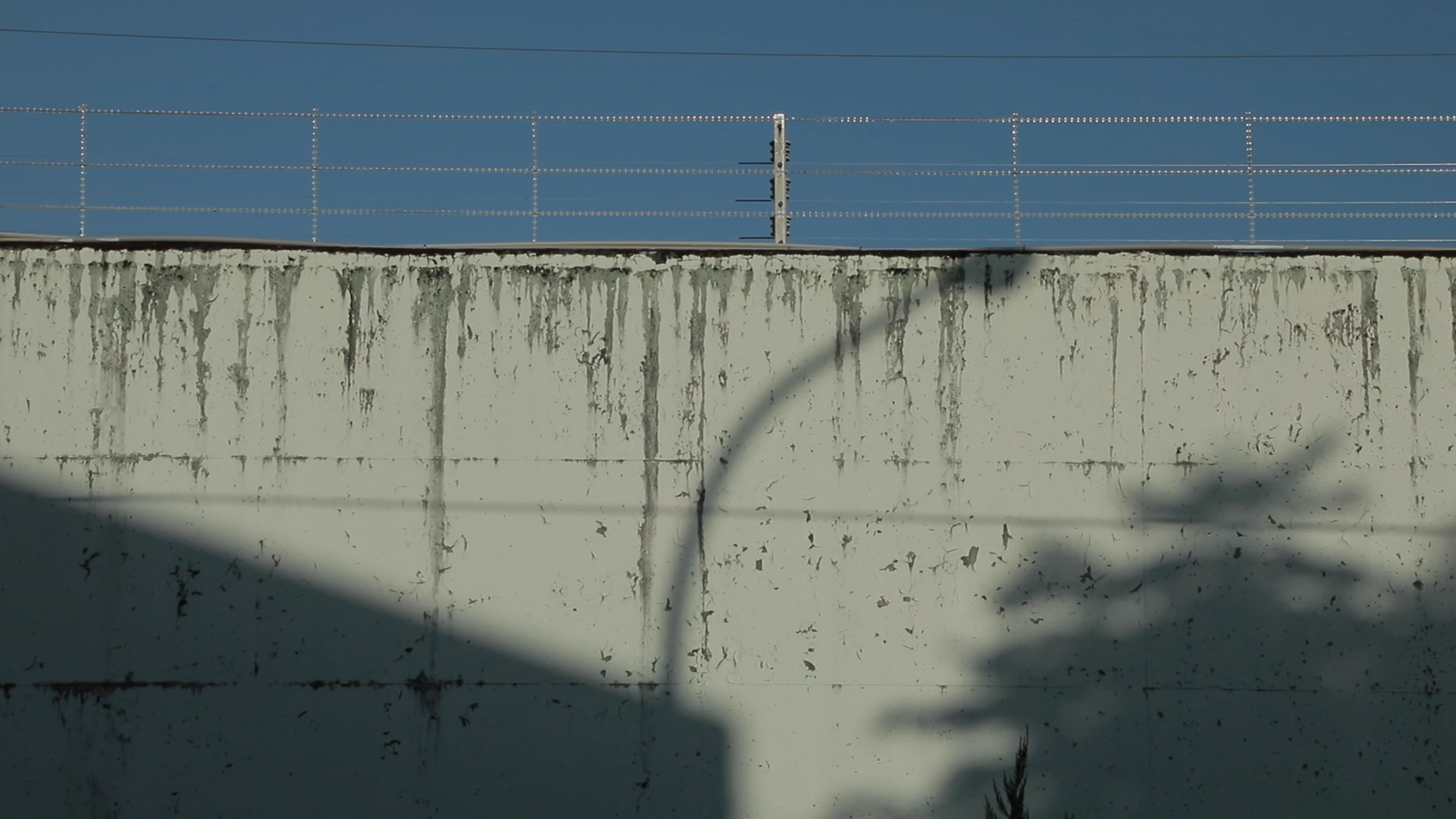
《我的兒子是死刑犯》紀錄片中,李家驊導演用他的鏡頭紀錄了三個死刑犯,或者應該說以三個死刑犯作為脈絡,紀錄了他們的家人、朋友、辯護人,乃至於社會對他們的理解、反應,交織出我們對「死刑犯」的輪廓。
No matter where you are, not just in Taiwan, international movie fans can easily watch too! The first wave of films from emerging creators are now live in our international section. Featuring top selections from prestigious film festivals like Golden Horse Awards and Golden Harvest Awards, as well as many highly anticipated emerging works for you to explore anytime, anywhere!

In today’s world, is mutual understanding still possible? When authoritarianism resurges, power is concentrated in the hands of corporate giants, and fake news floods every channel, even basic communication between people has become a daunting challenge. The team at Chichi’s Notes believes that the desire to communicate stems from our human longing to understand the unknown. As long as we stay curious and refuse to accept a black-and-white view of the world, meaningful dialogue remains possible. This online film program begins with the theme of fake news and self-media, inviting viewers to reflect on how media shapes public perception. Through the lens of documentary, we question what we take for granted and challenge our assumptions—listening to the confessions of dictators and digital nationalists, exploring the resistance of cults and subcultures, and blurring the line between criminality and creativity. We hope these films offer glimpses into our shared struggles and desires—and open up new spaces for mutual understanding in a world that feels increasingly divided.
義大利人權影展

In a society as warped as ours, who has the right to call themselves "normal"? Six teenage boys, locked inside their New York apartment for years, understand the world through their collection of 5,000 movies. An invisible army of overworked gig workers scrubs your social media feeds clean—out of sight, out of mind. Three adult women, posing as underage girls online, expose over 2,000 suspected child predators. In the U.S., a teen kills another—over a pair of rare, resold Air Jordans. Elsewhere, a group of people worship Satan—not to spread evil, but to resist the suffocating grip of far-right religious politics. So—are these people “normal”? Are they not? And who gets to decide what “normal” even means? Giloo presents 10 documentaries that explore the lives of those often labeled as “abnormal”—but who, in their own ways, might just be the most honest reflections of our times.
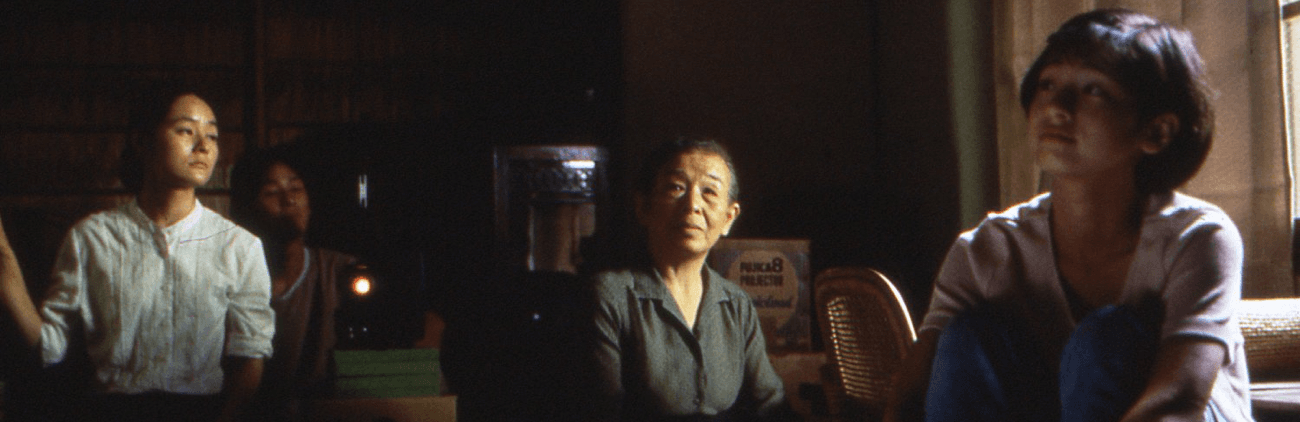
The Golden Horse Film Festival is Taiwan’s largest and most prestigious film event, with a long-standing history and growing international recognition. In 2020, the festival featured 176 outstanding films from over 50 countries and regions. From this rich lineup, Giloo has carefully selected 10 remarkable titles—ranging from auteur-driven feature films and issue-focused documentaries to experimental works that playfully reimagine cinema history. We invite you to revisit these standout selections and relive the highlights of the festival.
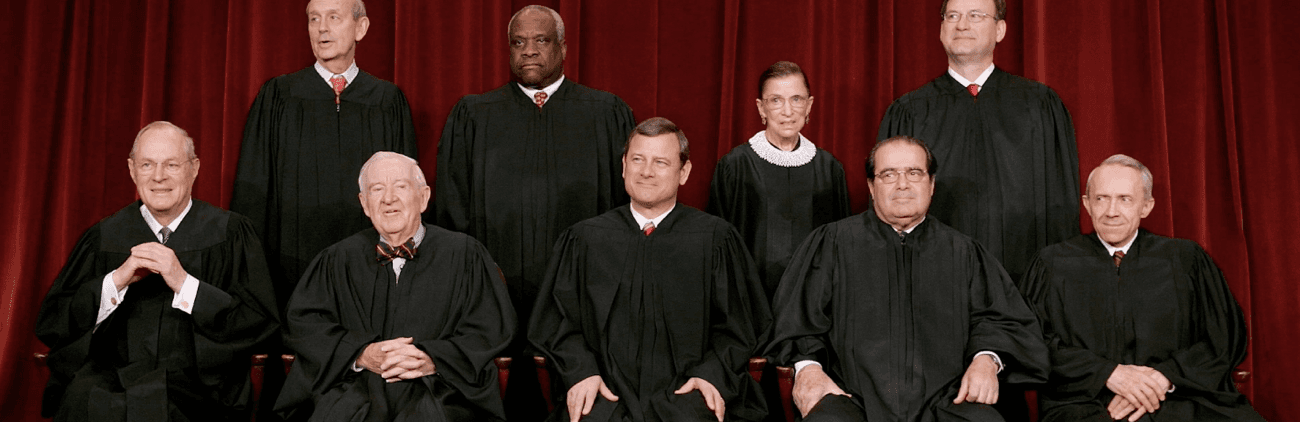
Is justice truly equal for all before the law? Like a queen’s chastity once deemed unquestionable, what happens when rigid systems confront the complexity of human nature and circumstance? Who ultimately defines fairness and justice? A wrongful conviction that dragged on for two decades, a protest movement that pitted flesh and blood against authoritarian rule, a death row inmate executed to the cheers of the public—what role did the “law” play in each of these cases? Should we rise up to question the banality of evil, or quietly submit to it? “Judiciary Class” is a name adapted from the popular Korean series Itaewon Class, drawing on the dual meaning of “classroom” and “course.” It symbolizes a shared space for audiences to learn and grow through the films and writings featured in this program—inviting thoughtful debate, diverse perspectives, and deeper exploration of legal and ethical ideas.
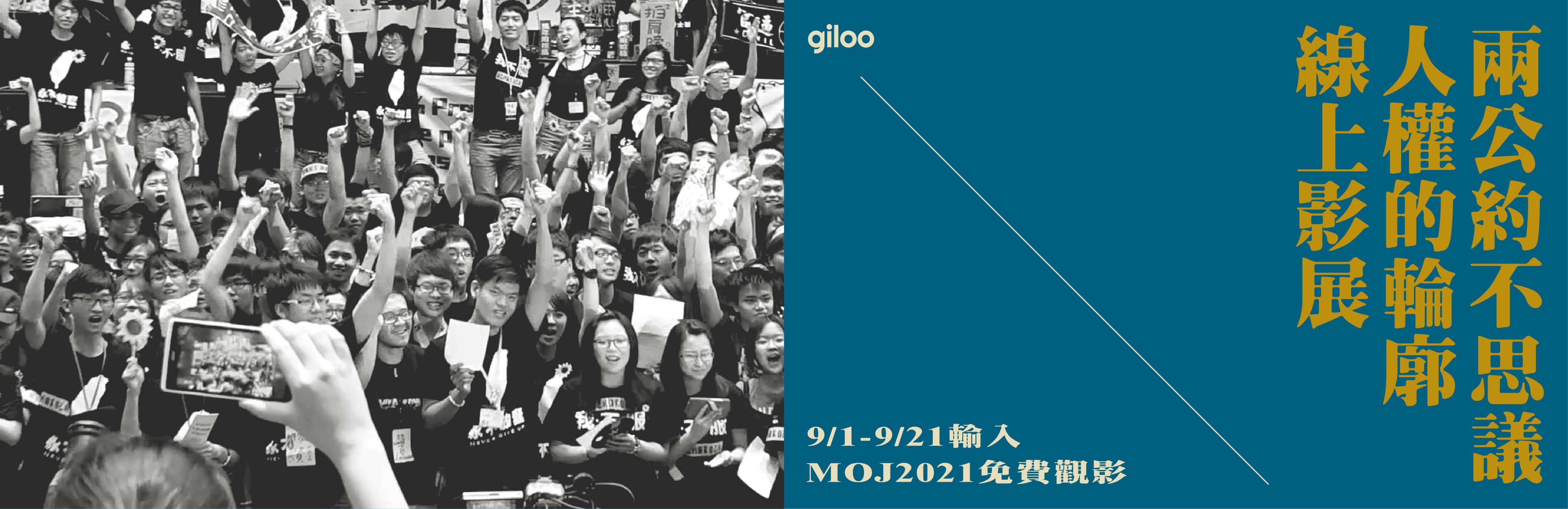
The "Two Covenants" refer to the International Covenant on Civil and Political Rights (ICCPR) and the International Covenant on Economic, Social and Cultural Rights (ICESCR), which have been in effect in Taiwan for over a decade. At their core, both covenants aim to protect human rights. But what exactly are human rights? And what rights do these two covenants cover? The answers are far too complex for a quick explanation—so why not start with a film? The right to life, children's rights, environmental rights, freedom of assembly, rights of the elderly… The scope of the Two Covenants is as diverse as this film program itself. By watching any of the featured films and filling out a short questionnaire afterward, you’ll gain a deeper understanding of the human rights principles within the covenants—and you’ll also have a chance to enter our prize draw! Let’s begin this journey together— and explore the many dimensions of what human rights truly look like.
On March 18, 2014, the Sunflower Movement’s occupation of Taiwan’s legislature sent ripples across society. But what happened afterward? Our Youth in Taiwan offers an intimate look back at that pivotal moment. In June 2019, discussions around media monopoly resurfaced—This Is Not a Movie may help deepen your understanding of the power and influence of media today. Later that year, the acclaimed series The World Between Us sparked widespread reflection on social issues. To continue that dialogue, Me and My Condemned Son offers a powerful perspective on capital punishment. In May 2019, Taiwan became the first place in Asia to legalize same-sex marriage. Memorandum on Happiness revisits the story of Taiwan’s first public wedding between a gay man and a lesbian woman, revealing their family’s unique journey. And finally, Man Made introduces four transgender bodybuilders, each proudly standing on stage and sharing their deeply personal experiences of identity, strength, and pride.
There are no absolutes in this world—not when it comes to life, nor to the environment. May we all be granted a beautiful pair of eyes—to see different truths, to reflect on different values. Like a kaleidoscope, the heart holds many shifting facets. And in that ever-changing view, we learn to see more fully.