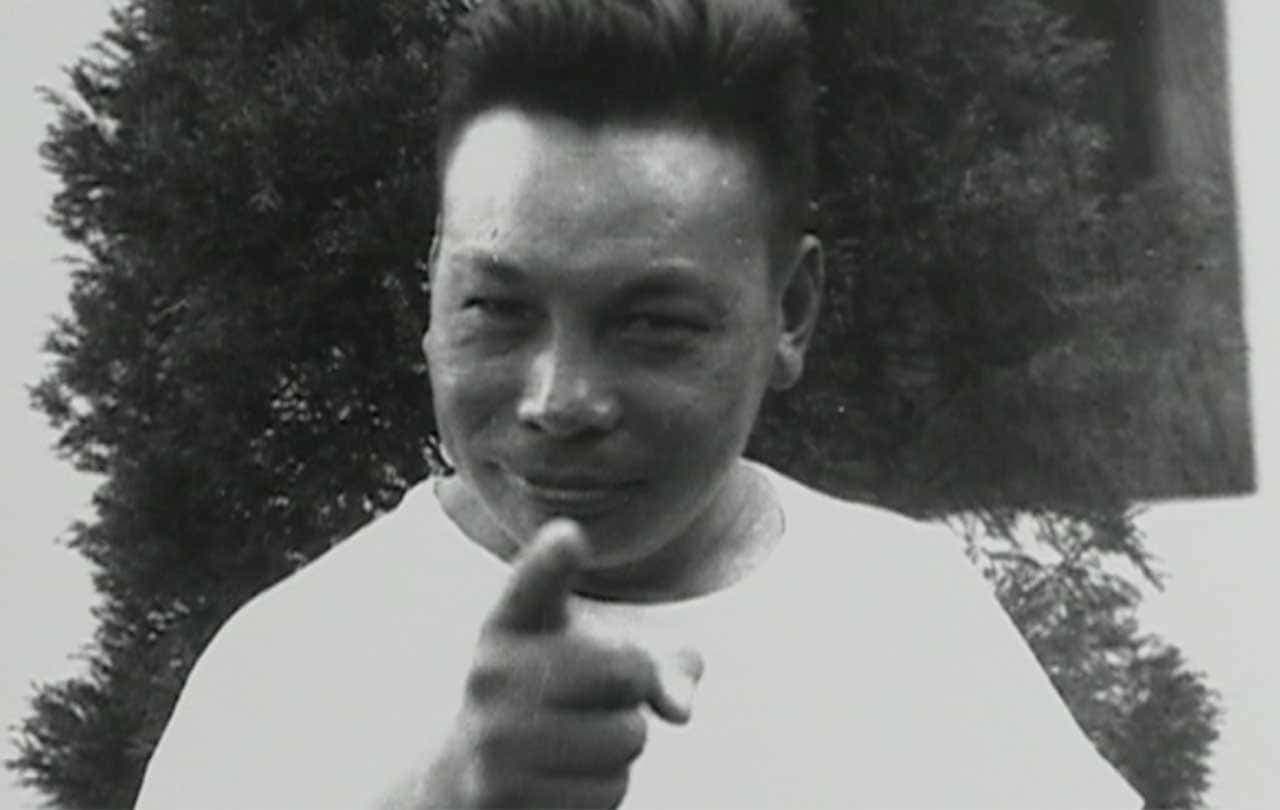
Directed by 湯湘竹
"Those who want to get rich, please leave, and those who want to be officials, please stay out." Returning to war-torn China, Chiang Ching-kuo used the experience he learned in the Soviet Union to launch a political experiment in Jiangxi and southern Gansu, which became the starting point of his political career. His pragmatic and people-friendly style earned him the title "Jiang Qingtian". The relationship between the Jiang family and his son, who reunited after a long separation, also improved due to the meeting. Chiang Kai-shek also established a cadre school to allow his son to train a group of direct descendants to pave the way for his future political career. However, facing successive setbacks during World War II and the occurrence of the "228 Incident" in Taiwan, he had foreseen the Kuomintang's gloomy future...
非戲劇類導播(演)獎|剪輯獎
“Unexpected Taiwanese Cinema” takes its title from a regular column by writer Zhang Yi-xuan, published in Fa: A Journal of Film Appreciation. Issue #190 of the magazine centers on films made with archival footage, opening a conversation on archival collage cinema. A special feature titled Private Films by Women explores how the idea that “the personal is political” is practiced through documentary. In her column of the same name, Zhang Yi-xuan also reflects on the film Looking for Chiang Ching-kuo, examining its unique place in the Taiwanese cinematic landscape—how it opens up the past instead of merely returning to it, and how such an approach keeps critical thinking through images alive. Both “archives” and “documentation” point us toward the past. But unless the past is re-examined and redefined, memory cannot truly exist. This collaborative program between Fa and Giloo invites viewers to engage with Taiwanese cinema that defies expectations—films that challenge, refract, and reimagine the nation's film history through both viewing and writing. Together, we hope to uncover new cinematic possibilities waiting within Taiwan’s ever-evolving image archive.