Sheffield International Documentary Festival
入選

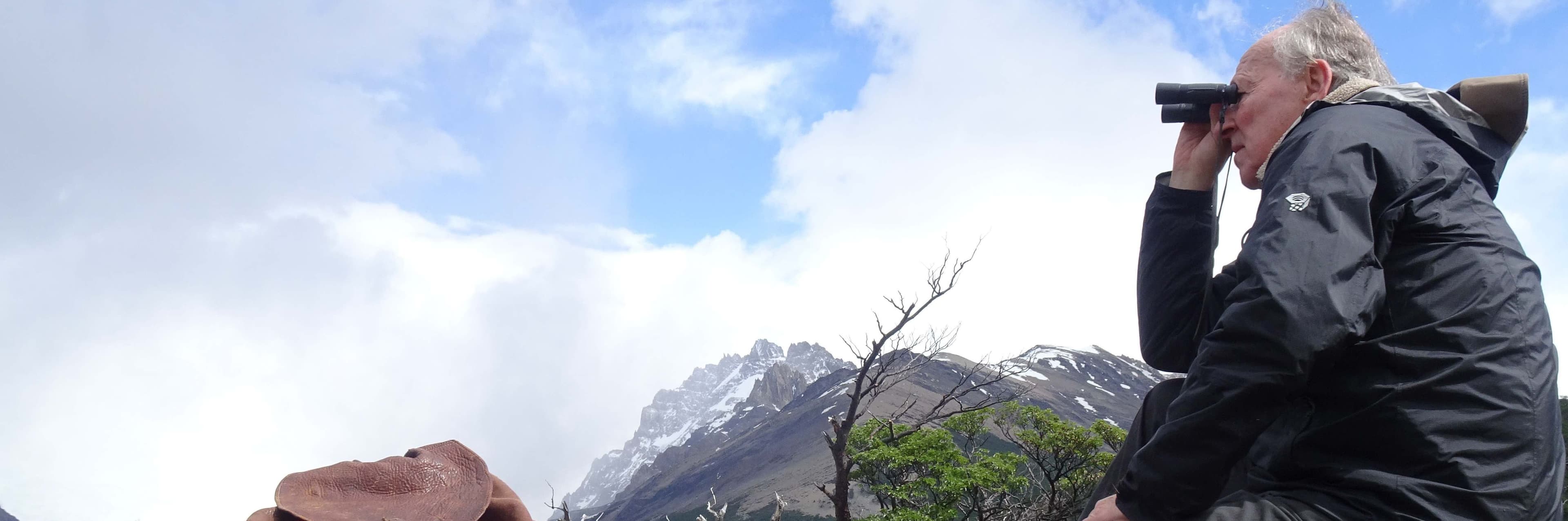
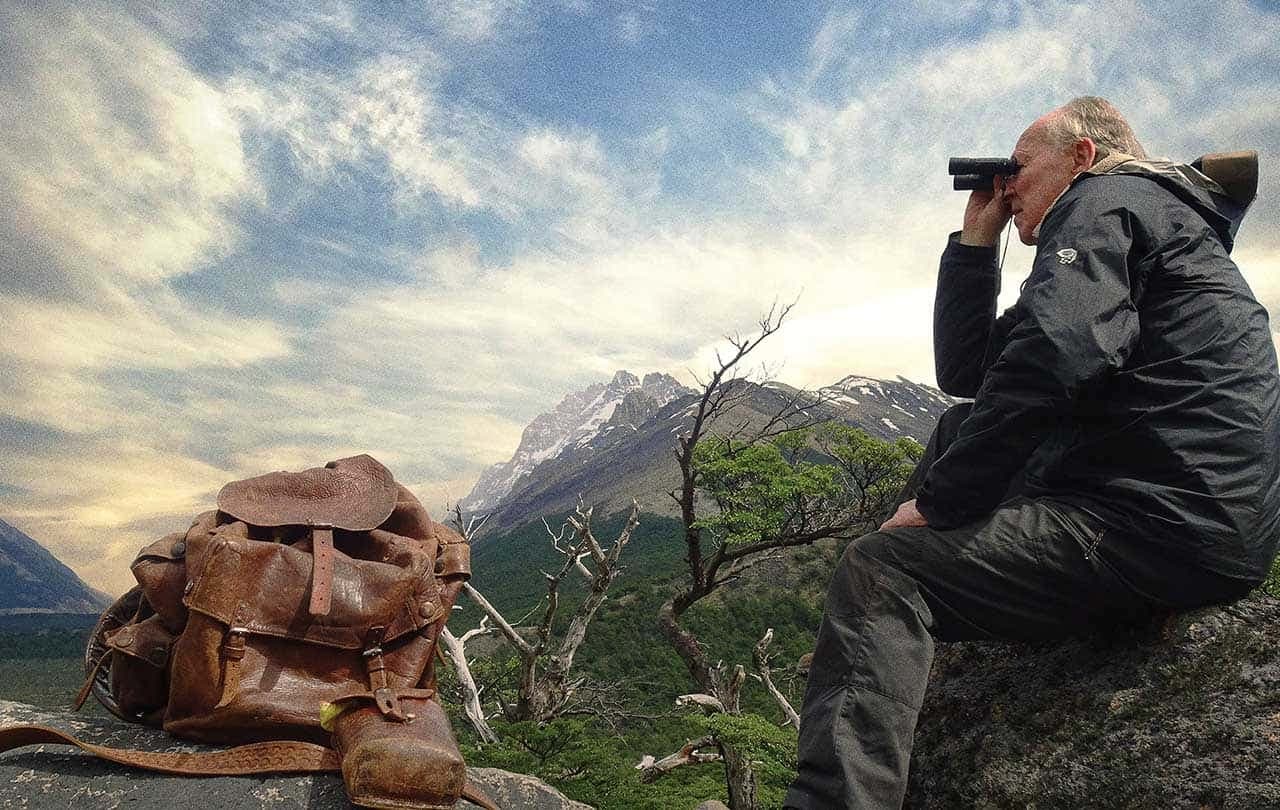
作家兒時記憶中祖母櫥櫃裡的一張雷龍獸皮,竟成為他多年至遙遠國度展開壯遊的靈感起源!邀請你跟著荷索導演的腳步,踏上一段電影與文學交織的遊牧之旅! 在英國旅遊作家布魯斯查特文的著作《巴塔哥尼亞高原上》中,作家兒時祖母家玻璃櫥櫃展示的一張雷龍獸皮,啟發了他對遙遠國度的興趣。雖然後來發現這其實是個美麗的誤會,其實並非雷龍皮毛,但當時他對珍奇事物的著迷,仍敦促著他在多年之後展開探尋自我的壯遊之旅。 作家英年早逝,在他生命最後,把陪伴他行走萬里的背包,送給了好友德國導演荷索。多年後,荷索走過南美巴塔哥尼亞高原、英國威爾斯、澳洲內陸,展開一段追憶好友的旅程,誕生了這部紀錄作品《遊牧之歌:查特文、荒野與荷索》。 從《巴塔哥尼亞高原上》到《歌之版圖》等作品中,看見了查特文一生追尋富含人文色彩的旅行;查特文與荷索的文學與電影創作裡常有著兩人共同著迷的母題,更時常互相啟發;荷索將查特文的著作《威達的總督》改編成了電影,而在他的電影《泣石》中,更找到了查特文背包的身影;與查特文相同,荷索虔誠地擁抱了步行的概念,曾懷抱信念,在寒冷的冬天從慕尼黑徒步前往巴黎,書寫成了《冰雪紀行》這部著作。 在不同文本的交互輝映下,電影導演與作家的友誼也熠熠生輝,這部電影紀錄著一段有點浪漫有點魔幻又相當真摯的人文遊牧之旅,與一段美麗的情誼。--- Amy 內容行銷部
「如果明天就是世界末日,那我今天做的事,大概就是開始拍一部電影吧。」── 韋納・荷索受《一条》專訪
【名人策展】詩的非一般樣貌 By 香港詩人、作家、攝影家 廖偉棠 ▍前往片單頁面 ☞ https://bit.ly/3AGIacy 過去一百年以來,現代詩對於詩意的定義已經天翻地覆好多回,而由塔可夫斯基等導演開創的詩意電影也經歷了許多的分岔、衝突和顛覆。 今天試圖用「詩意」二字概括一種電影風格可以說是武斷的,因為電影本身對詩的闡釋已經超越了最初對詩的學習,進入重新定義詩的階段,點出詩的非一般樣貌,說不定還會反過來指導文學本身如何衝破籓籬。

荷索一直想要把被法西斯美學扭曲了的德國山岳浪漫主義還原到人性的哲學,他在查特文對部落音樂的神秘主義體悟中找到了共鳴,從此兩人如同倒影,一起踐行在雙腳行走中才能發現神聖的詩意。 其實這也是一部荷索本人的傳記片,他通過查特文剖析自己,展現自己人生與他交叉的部分,一再地聽到萬物彼此、古今彼此之間的押韻:這是荷索近年的紀錄片,或者說他的詩篇的主題。
1:18:39 珍惜和天才共存的時光吧,珍惜查特文,也珍惜荷索,試想一下我們現在和荷索看到同一個地球,那是多麽神奇的事!
1:07:55 冥冥中一切都有相連,誰想到《冰雪紀行》和查特文的背包有關,這裡一個人的死亡救渡了荷索,荷索才能通過苦行去救渡第三個人。
1:00:57 布魯斯這時完全變成了一個荷索電影的典型人物形象,我相信荷索自己都像我一樣嚇一跳。
石頭彷彿玻璃,在石頭背後是另一個世界的人在伸出手叫喚我們吧。荷索的陌生感、夢感,蓋來源於此。
45:40 悵望千秋一灑淚,蕭條異代不同時。上帝讓我們這樣一代代的凝望這意味深長的天籟搖曳,不可能答案只是虛無。

From international politics and music to film industry professionals and cultural icons—this curated selection of biographical documentaries offers intimate, eye-level encounters with influential figures across diverse fields. Through the lens, we gain rare insights into their lesser-known sides, and follow them as they navigate cultural clashes, personal revelations, and shifting global contexts. Each film invites you to explore contemporary issues through the lived experiences of extraordinary individuals shaped by history.

Why is it called "Touching the Essence of Humanity"? The phrase is actually drawn from a quote by Steve Jobs in The Lost Interview: “The key is to get in touch with the essence of what it means to be human—and then bring that into the work you do. I believe the reason the Macintosh succeeded is that the people who created it were musicians, poets, artists, zoologists, and historians—who also happened to be the best computer scientists in the world. Had they not entered computer science, they would have excelled in their own fields. They brought a sense of humanity into the machine. That humanistic attitude allowed us to draw the best from other disciplines. You can’t do that if you’re narrow.” This film program centers on diversity—selecting classics across five different forms of cinema. Through this range, we aim to explore the roots of what makes a work “classic.” Diversity protects us from narrowness. The essence preserved in each field offers us a broader, more open-hearted way to expand the boundaries of life.
Over the past century, modern poetry has redefined the meaning of "poetic" time and again. Similarly, poetic cinema—originally pioneered by directors like Andrei Tarkovsky—has gone through countless divergences, clashes, and disruptions. Today, to label a film simply as “poetic” can feel almost reductive. Cinema’s engagement with poetry has long since moved beyond imitation; it has entered a stage where it redefines poetry itself—pointing to unexpected forms and aesthetics, even suggesting new directions for literature to break through its own limits. The five films I’ve selected reflect these expanded poetic sensibilities: Iron Moon — a raw yet tender documentary on labor rights and worker-poets in China The Cordillera of Dreams — a reflection on Chile’s shadowed history Manfei — an off-centered biographical portrait of a pioneering dancer The Man with the Camera — an experimental film on novelist Liu Na’ou Nomad: In the Footsteps of Bruce Chatwin — a return to the spirit of romanticism through Werner Herzog’s lens. These works may offer us a way to reexamine the world—not only as filmmakers or viewers, but with the vision of poets.
Since 2020, the world has become a little different. Every morning, I find myself immersed in a mountain of emails—feeling the pulse of the world, exchanging encouragement with filmmakers and distributors across continents. This has become part of my daily ritual. I’ve always believed: the small screen is not a temporary shelter for homeless films. In fact, within the modest window of online streaming, perhaps films can reveal their essence more flexibly, and even forge deeper connections with audiences. Just like in Nomad: In the Footsteps of Bruce Chatwin, where the childhood image of a beautiful thunder lizard skin hidden in a cupboard would later become a vital, recurring symbol in a writer’s life—stories can begin anywhere, with anything. This time, I’ve selected five stories: A traveling backpack, a mountain range, a photo of an armed youth, a utopian farm, and an open-plan apartment—each sparking imagination and opening new narrative journeys. May these films nourish your life with inspiration and wonder. And as for tomorrow, I will return—quietly—to my ordinary routine of sending and receiving letters once again.
“When life hits a low, just say: I’m heading out.” Bhutan, Istanbul, Hokkaido, Siberia...Follow the protagonists in these films as they set off—whether in search of something, or simply trying to escape. Let their journeys lead you into unfamiliar lands and unexpected moments. As the new year begins, take a step away from the noise. Give yourself the gift of a healing journey—a chance to reset, rediscover, and roam free.

Why do we write? When words erupt from the mind and pour into the heart, images and monologues take the place of daily tedium—of the mundane, the irritating, the unbearable. For some writers, however, writing is more than expression; it is salvation. It is an unshakable calling. In this themed selection on literature, Giloo presents documentaries that delve into the lives and inner worlds of writers—poets, novelists, critics—who wield pens (or typewriters) like swords, fearlessly confronting the truths of the world. The passage of time leaves behind not just pages, but marks of introspection—quiet yet undeniable badges of their creative journey.

While watching a film, you’ve surely thought—if only I were there. Whether it’s the breathtaking landscapes or the long, winding paths walked by the characters, something pulls you in. John Berger once asked, “Did you come by photograph or by train? Every photograph is a means of transportation.” Let these documentaries be letters from afar— delicate invitations to places you’ve never imagined, and journeys you’ve never taken.
Through the power of storytelling, directors shape films— and in return, those films leave indelible marks on their creative souls. Giloo invites you to step inside and outside the frame, visiting the lives of master filmmakers both behind and beyond the camera. See Hou Hsiao-hsien’s quiet charm when he sets down the director’s baton, hear David Lynch reflect on the hidden corners of his past, and witness Agnès Varda’s final farewell—infused with childlike wonder and grace. These films reveal the true faces of iconic auteurs— their artistic journeys, their obsessions, their passions, and yes, a touch of beautiful madness.
While watching a film, you’ve probably thought: If only I could be there too. Whether it’s the long journeys the characters take or the breathtaking scenery that stuns you into silence. John Berger once asked: “Did you come by photograph or by train? Every photograph is a means of transportation.” So take these documentaries as letters from afar— Let them lead you into unimagined journeys, Into lands you’ve never set foot in.