Director

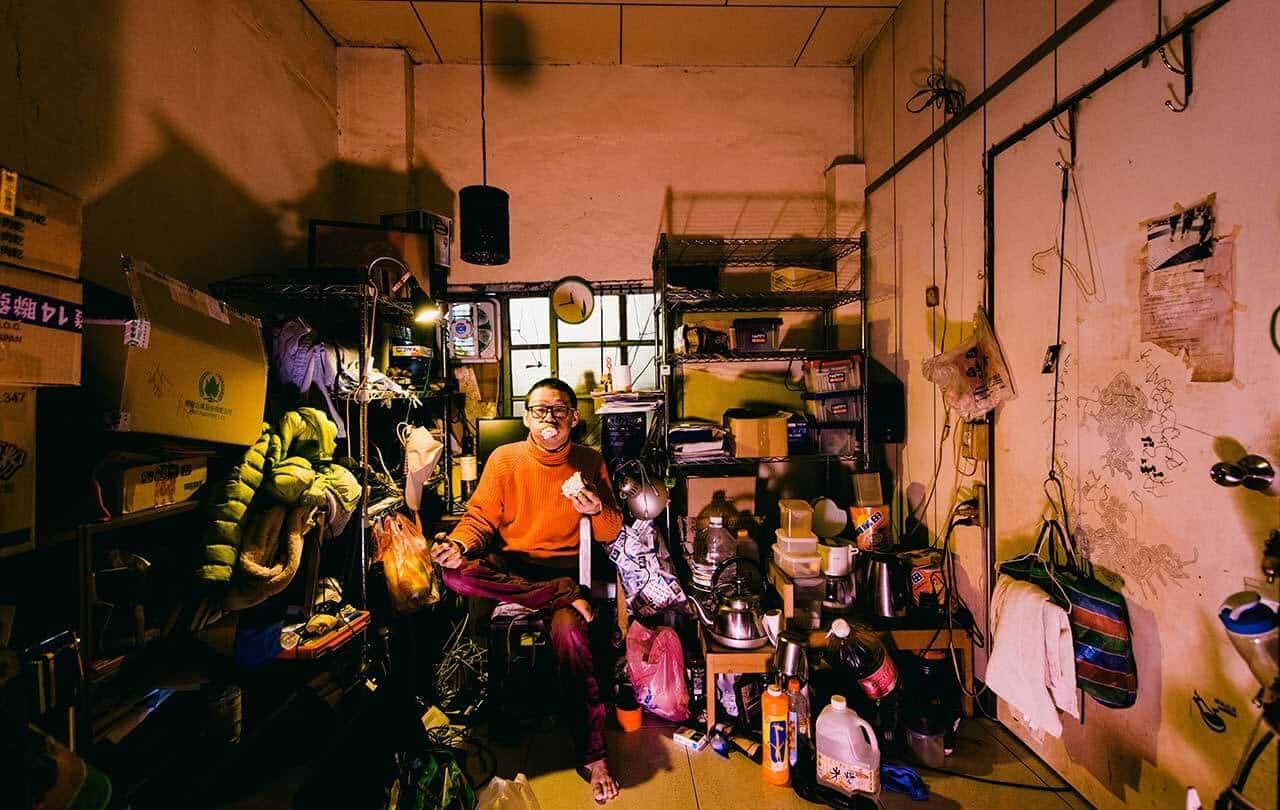
Directed by 林婉玉

3:44 牯嶺街小劇場: 前衛劇場的表演空間。該建築於日據時期為木造官舍,1945年至1993年改為警察局。鴻鴻等人爭取將此空間作為小劇場,在臺北市政府文化局成立後便轉由文化局管理。2001年至2005年由趙自強的「如果兒童劇團」經營,並於2002年正式以「牯嶺街小劇場」為名開放使用。2005年由王墨林成立的「身體氣象館」獲得經營權。
9:58 《天倫夢覺:無言劇2012》: 鄭志忠創辦的「柳春春劇社」的第15號作品,由王墨林撰寫文本並擔任導演、鄭志忠與聲音藝術家黃大旺主演。全劇無語言,透過黃大旺的聲音設計與演出,以及鄭志忠擅長的劇場肢體展演,將創作者的意念傳達給觀眾。
14:42 「靜默․行動․守護樂生」: 鄭志忠於2005年9月發起的一個守護樂生行動。每周日早上,他以步行的方式從古亭作為起始點,花12小時,沿著捷運新莊線一路走16公里至樂生療養院,至今已完成30趟。該行動執行期間引起不少路人、沿途商家對鄭志忠這項行動背後訴求的好奇心,進而促使他們去了解樂生療養院保留請願議題。
0:57 阿忠(鄭志忠)於1990年代之初被小劇場運動的領航人──臨界點劇象錄的田啟元帶進劇場,田啟元源自日本大師鈴木忠志、又獨闢蹊徑的身體訓練方式,在他1996年過世之後,被阿忠傳承下來。這裡演員在練習的就是其中把重心放在下盤的行走訓練。
5:59 排練的是阿忠劇團「柳春春劇社」的定目劇《美麗》──這裡的定目劇意指「(柳春春)演員必經的試煉」,首演於2000年,往後每隔一兩年就換人重新訓練演出,最新的應該是2019年版。演員在劇中的最大試煉大概就是我們現在看到的「塞饅頭」,讓觀眾逼視生活日常中的殘酷。
8:59 做為表演者的阿忠,在牯嶺街小劇場排練的是王墨林導演的反戰作品《無言劇2012:天倫夢覺》,同台的是黃大旺(本片導演林婉玉的前作《台北抽搐》便是以大旺為主角)。相對於直挺挺站立的大旺,阿忠身手卻十分靈活,不時在巨大的椅身上下穿梭,爬進垃圾袋中躲藏,甚至破紙箱而出,令人震撼。而阿忠最新的演出則是2021年和周書毅合作的舞作《阿忠與我》。
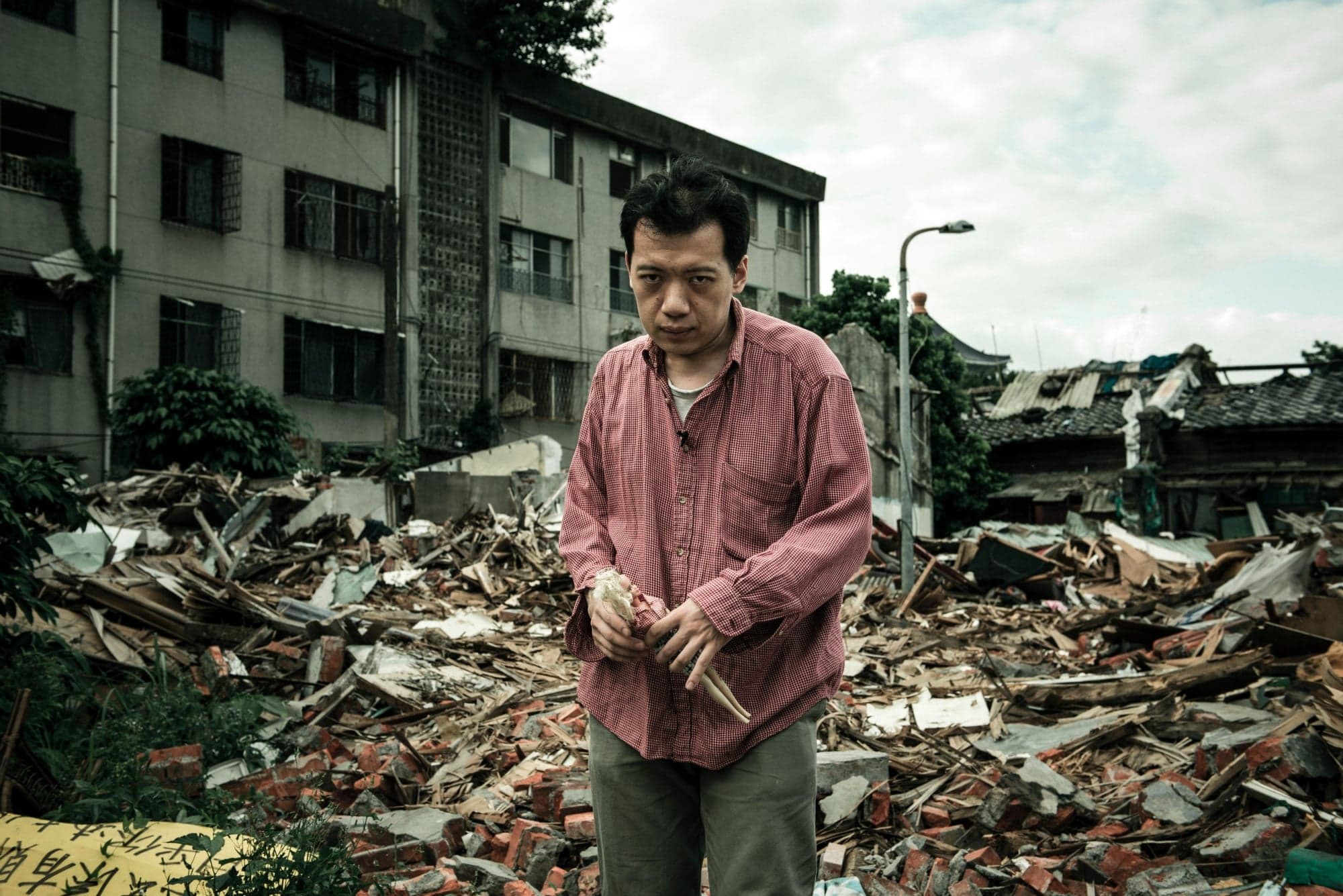
「越境身體」的五部影片藉由三種迥異有別的影像類型,輝映著某種足以僭越各種邊界甚至交互滲透的身體形態:一,紀實影片的蓄勢身體(《台北抽搐》、《神明事務所》、《默默行》);二,劇情影片的失能身體(《綠洲》);三,錄像藝術的重演身體(《女性的復仇》)。
“Unexpected Taiwanese Cinema” takes its title from a regular column by writer Zhang Yi-xuan, published in Fa: A Journal of Film Appreciation. Issue #190 of the magazine centers on films made with archival footage, opening a conversation on archival collage cinema. A special feature titled Private Films by Women explores how the idea that “the personal is political” is practiced through documentary. In her column of the same name, Zhang Yi-xuan also reflects on the film Looking for Chiang Ching-kuo, examining its unique place in the Taiwanese cinematic landscape—how it opens up the past instead of merely returning to it, and how such an approach keeps critical thinking through images alive. Both “archives” and “documentation” point us toward the past. But unless the past is re-examined and redefined, memory cannot truly exist. This collaborative program between Fa and Giloo invites viewers to engage with Taiwanese cinema that defies expectations—films that challenge, refract, and reimagine the nation's film history through both viewing and writing. Together, we hope to uncover new cinematic possibilities waiting within Taiwan’s ever-evolving image archive.

A sharp, compact poem often speaks louder than a lengthy speech! Giloo presents a curated collection of small but powerful documentaries—short films that, within a limited runtime, deliver layered, resonant stories. Experience the elegance of cinematic brevity, and see how precision in visual storytelling can leave a lasting impression.

During Taiwan’s Level 3 Alert, the idea of a “normal life” felt impossibly distant. While many responded with anxiety, fear, and blame, others quietly held onto their values and beliefs—trying to preserve what it means to be a “normal person.” This curated selection features five films from China, the United States, the former Soviet Union, Hong Kong, and Taiwan—each portraying a life caught between individual freedom and overwhelming systems: totalitarian regimes or capitalist monopolies. Some are artists, some are not. Some succeed, others don’t. Most drift through a world where “success” has no real meaning. And yet, despite immense, shadowy powers and marginal existences, it is the modest desire to live as a “normal person” that sustains our will to move forward. In the end, mutual understanding remains our greatest force of momentum.
This curated film list centers around the Time Travel Taiwan Series, featuring 13 Taiwanese documentary filmmakers who reinterpret officially archived footage through creative reimagining. By transforming historical images into new narratives, they breathe fresh life into decades past. Audiences are invited to step into a time tunnel — to explore Taiwan’s historical landscapes and witness the sparks ignited by cross-generational dialogue through these experimental visual works.
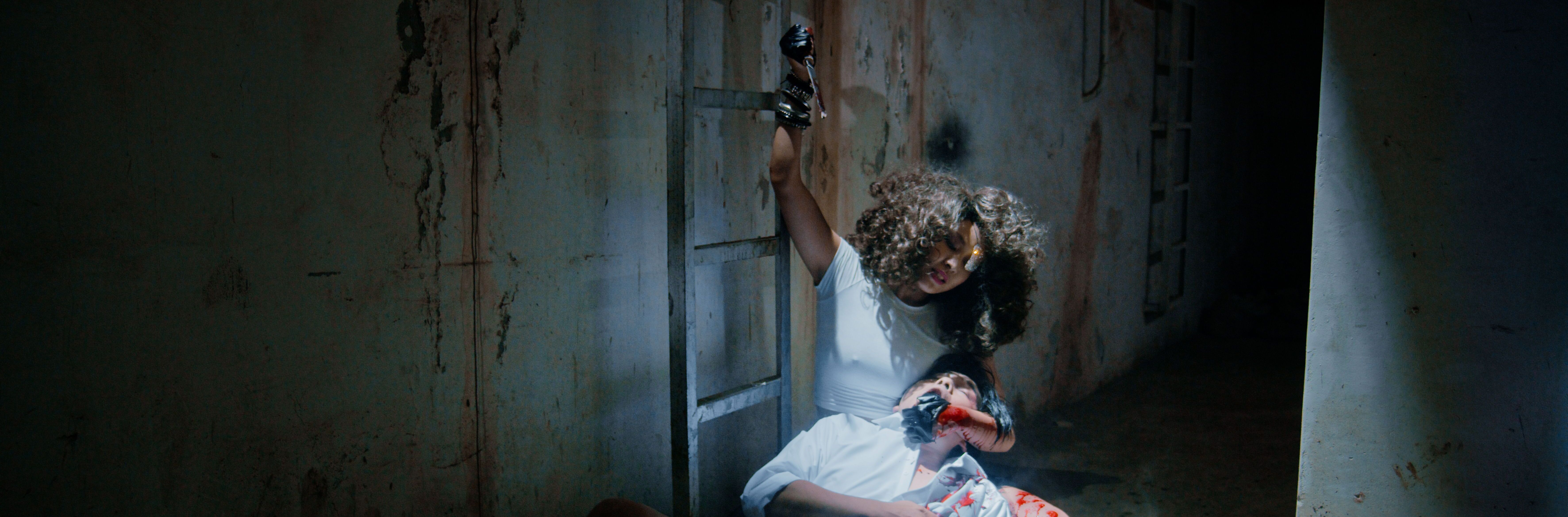
The body is a vessel—its contents, unspeakable. Encased and bordered, the body is never entirely one’s own. It is governed—by nations, by societies, by ideologies. A body may be incomplete from birth. It may only reveal itself in a fleeting moment. It may only feel whole when it sings. Its darkness becomes whole when it finally takes revenge. Five distinct films illuminate the tension between the body's inner desires and outer image. In Oasis, a woman with cerebral palsy dances and sings with an Indian elephant—if only in a dream. In Silent Steps, Ah-Chung tosses aside his crutch, holding up an entire theater with just his hands. In Miracle, a spirit medium’s quivering, closed-eyed body breaks into another dimension. In TPE-Tics, Huang Da-Wang owns his body only while singing onstage. In The Women’s Revenge, a woman in an eye patch strikes back inside a slaughterhouse, leaving male bodies in blood and shreds. Silent or twitching, imprisoned or forbidden—only when the body crosses a border does it become truly, differently embodied.
In Anton Chekhov’s The Seagull, dreams, work, and love intertwine. Life is a constant pursuit of purpose—despite the frustration, the failures, and the sense of helplessness that may await. Yet we keep struggling, relentlessly. Absurd? Perhaps. A comedy? Undeniably. And that, too, is life. The characters on stage may not be as mad as the world we live in, yet their stories mirror our own. In the illusion of theater, we often glimpse the truest reflections of ourselves