2016
Locarno International Film Festival
入選

Directed by 科琳娜・貝茲

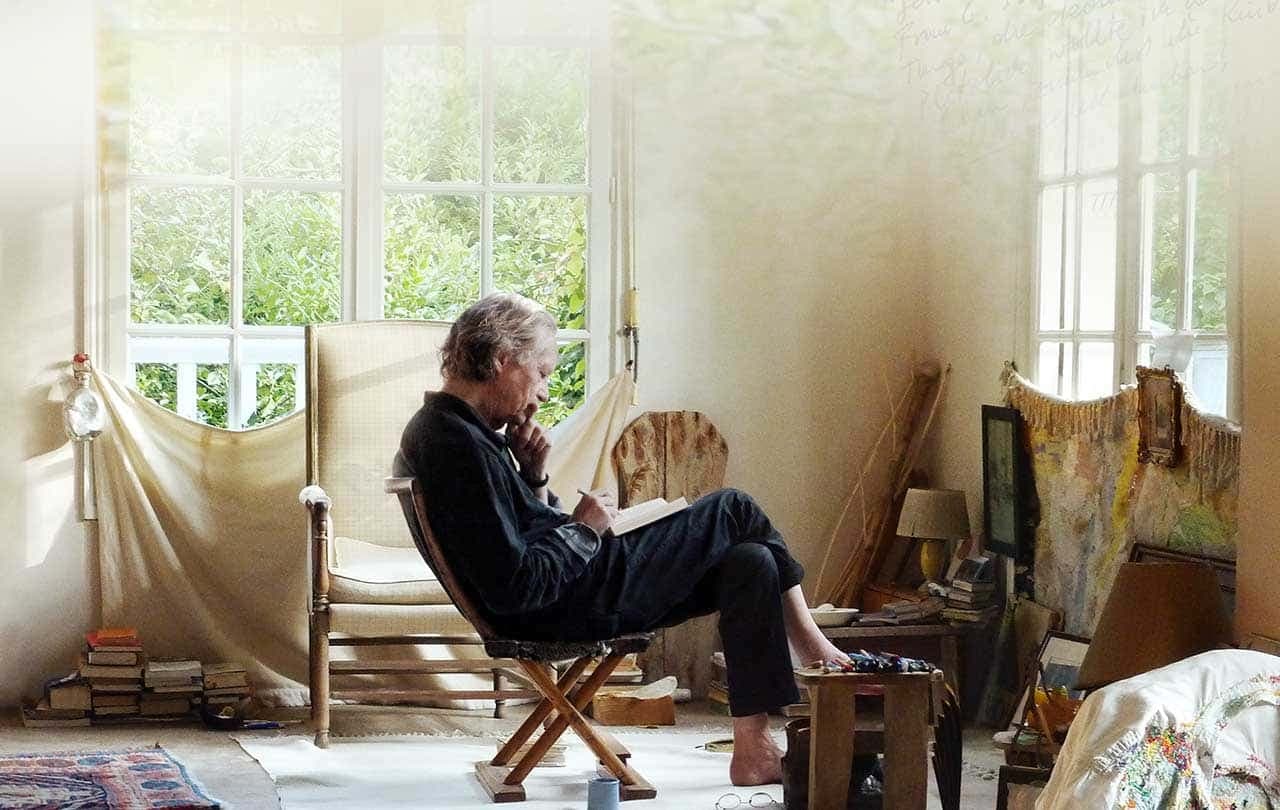
1:26:07 除了文字,除了彼得漢德克的生活,影像中的家特別迷人。這樣的空間,不會被稱為房屋,而應該被稱做家,完完全全就依照著生活習慣的樣子,鏡面、木地板、磁磚、書堆、畫作、毛毯,因為源自一個人的品味,於是再怎麼不一樣的東西,堆疊起來也有相似的共通性,有著迷人氣味的家。
58:57 有時在想,或許文字是時間的具象。因為兩者都是線性的,都具備著過去、當下、與未來。以前也曾拿著隨身小本,有時寫下心思,有時畫下風景,像是時間的儲藏器,有時回顧,即使內容常記不得,但咀嚼時口腔似乎也瀰漫著為何立足於此的氣味。
21:22 每個人都有屬於自己的沈思小徑,在那裡我們總肉身作為思緒,來回擺盪。這裡的美感是,自己用貝殼,鋪設出應該帶有曖昧的道路。或許,人該努力形塑的,是內心信仰的世界。
32:49 非常喜歡這段話,總覺得生命中許多境遇都是如此,得拿捏恰到好處,才能夠精準的穿過去。而每一次相遇都是學習,慢慢的總能過去。而最後又說道,是啊會失敗,最後再換一根針試試吧。
「聽,這聲音多美。」 . 每一踩踏,都是為了將貝殼鑲嵌土地,藉以鋪出屬於自己的沈思小徑。以針線體悟人性,以思想慶祝平靜,堅持踏上七層階梯後,才得以逃脫自己。 . 我們花上極長的時間,用盡極大的能力,追尋世界上最永久的的達到與成為。而這使我們充滿活力,高歌的不是派對,比起真實,虛構更是真諦。 . 於是,有點土很好;於是,出現在夢中的比喻很好;於是,隱隱地召喚遠見很好。「去創造敘事的平衡,那就是文學。」他切開了帶著土的蘑菇,滑出象牙白的內裏,「很美吧,但一切稍縱即逝。」一邊咀嚼,一邊說道。
彼得漢德克,這位諾貝爾文學獎的得主早年是個受爭議的作家,他作品中有著令人痛苦的誠實,但卻是敢直視的思想家。他老年的生活質地仍是思想的沃土,無論是每日散步的固定路徑,及隱居但不隱世的距離,讓這部片充滿洞察的清明快感。你我,即使不動筆,也可以活得更近乎一個思想者,這是對生命最強大的野心。
1:03:10 [文溫德斯與彼得漢德克MoMA座談] 文溫德斯與彼得漢德克為長年的合作夥伴,合作的作品有《三張美國唱片》(3 American LP)(1969)、 《守門員的焦慮》(The Goalkeeper's Fear of the Penalty)(1972)、《歧路》和《慾望之翼》、《戀夏絮語》。 2015年,紐約現代藝術博物館MoMA邀請溫德斯與漢德克參與座談,向觀眾介紹他們的創作靈感與合作經驗,可參考座談影片紀錄。 參考資料: 紐約現代藝術博物館MoMA「Wim Wenders, Peter Handke in Conversation with Ian Buruma」影片
 Wim Wenders, Peter Handke in conversation with Ian Buruma | MoMA LIVE
31:19 [《慾望之翼》與《童年之歌》] 導演文溫德斯與彼得漢德克合作多部作品,更於《慾望之翼》巧妙引用了漢德克《童年之歌》的詩句。 參考資料: 《童年之歌》英譯全詩
Wim Wenders - The Official Site1:03:10 [文溫德斯與彼得漢德克的初次相遇] 在《溫德斯向前行》(One Who Set Forth: Wim Wenders' Early Years)(2007)的紀錄片中,文溫德斯曾提及與彼得·漢德克初次見面的故事。在1966年,當溫德斯還是一位學生,他在奧柏侯遜劇院看了漢德克的作品《冒犯觀眾》,那時的漢德克還很年輕,他們進行了些熱烈的討論,兩人對彼此有了第一次的印象。兩年後,他們在杜塞道夫再次相遇,漢德克一眼便認出溫德斯,兩人因此成為好友與往後的工作夥伴。 參考資料: 《溫德斯向前行》電影
 How Wim Wenders and Peter Handke met for the first time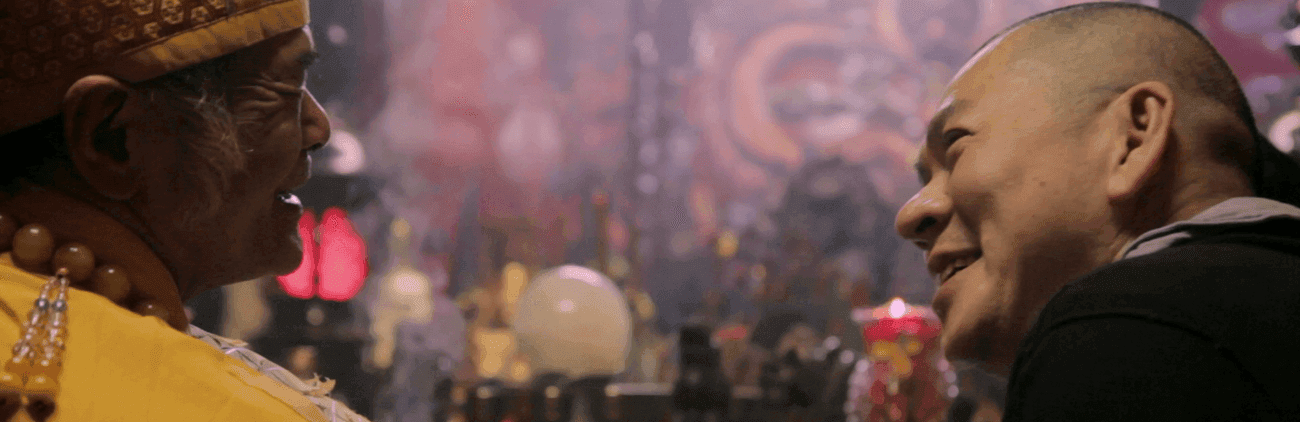
To document an extraordinary soul through the lens is to constantly wrestle with the dilemma of completeness. How can one capture the vastness of a life within the limited time of a film? It challenges the filmmaker’s depth of understanding and precision of perspective. Rather than striving for an all-encompassing portrait, it may be more powerful to focus on select moments—those glimmers that illuminate the subject’s essence. The camera becomes not only a tool to pierce through the surface, but also a means for sincere conversation with the person in front of it.

Why do we write? When words erupt from the mind and pour into the heart, images and monologues take the place of daily tedium—of the mundane, the irritating, the unbearable. For some writers, however, writing is more than expression; it is salvation. It is an unshakable calling. In this themed selection on literature, Giloo presents documentaries that delve into the lives and inner worlds of writers—poets, novelists, critics—who wield pens (or typewriters) like swords, fearlessly confronting the truths of the world. The passage of time leaves behind not just pages, but marks of introspection—quiet yet undeniable badges of their creative journey.
A story is a journey, with both its beginning and end unfolding before the screen. Yet each story calls for a different way of being read—through the eyes, ears, nose, mouth, hands, and feet. And at the end, like a white curtain of light, it’s as if a dream was gently dreamt atop a tree. Moonlight, sifted into fragments by the leaves, spills softly onto the body—only then do we realize that the self at the starting point has quietly changed… An unnamed kind of fullness.
Answer the call of instinct—leave behind the trivialities of daily life and embark on a pilgrimage of encounters with nature and literary exploration. On these journeys of adventure, where limits are tested and boundaries redefined, the soul is transformed. These inseparable life experiences continue to inspire others to move toward distant light. As we listen to their stories, may we too be moved to shoulder our backpacks—and set out to meet a new version of ourselves.
In times of turmoil, I find myself drawn to documentaries. There’s something profoundly moving in watching people carve out a sense of “home” amid chaos—guarding a fragment of peace and expanding the inner landscape of the heart. I’ve always loved the phrase “a heart set on distant meaning.” We are born into constraints and often stumble through thorns, but perhaps it’s precisely these entanglements that awaken our yearning for freedom and for becoming. With that in mind, I’ve selected three documentaries. Some feature lives caught in inescapable webs; others portray souls that remain free, even when the body cannot move.
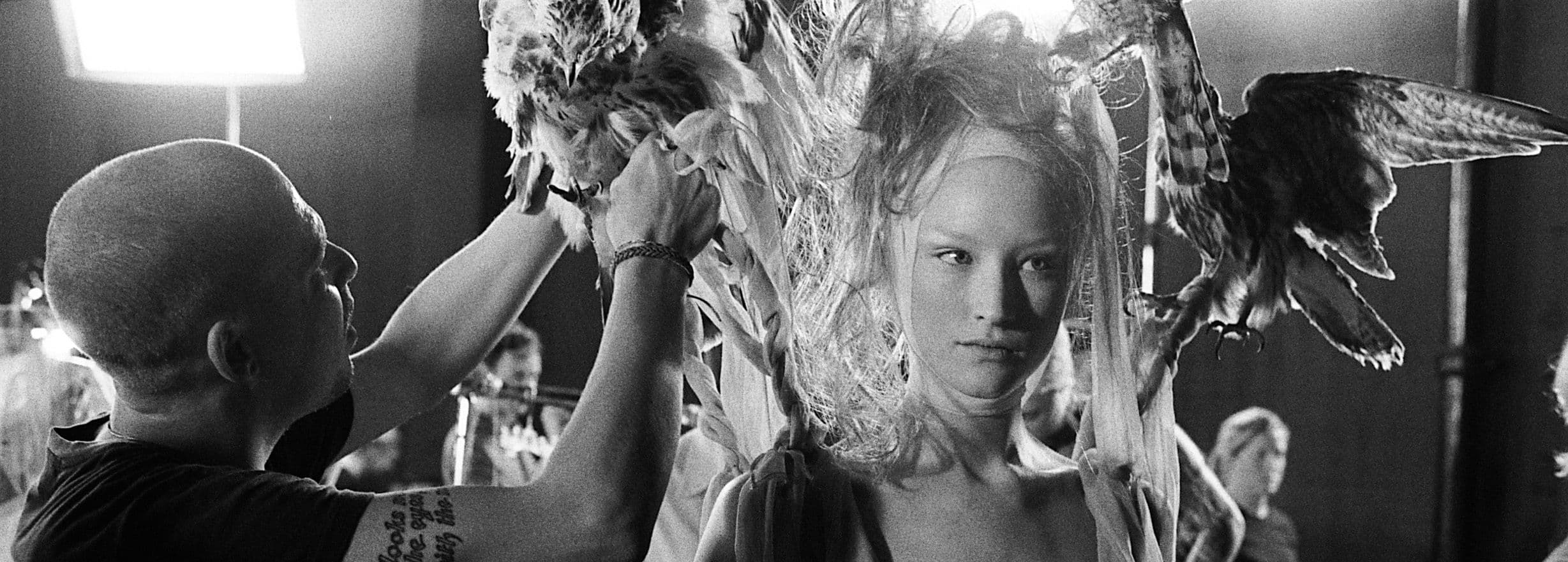
Drawing from Nietzsche’s concept of the “untimely” (Unzeitgemäß), Giorgio Agamben reinterprets the question of the contemporary. For Nietzsche, to be contemporary is to place oneself in a state of rupture and disintegration: “Those who truly belong to their time are those who neither conform to its demands nor adapt to its rhythms. Precisely through this misalignment, they perceive and grasp their era more acutely than anyone else.” Visionary artists often belong to this untimely realm. From the tragic brilliance of fashion icon Alexander McQueen, to Chinese photographer Ren Hang’s raw, poetic gaze; from the transcendent cinema of Andrei Tarkovsky, to the solitary grandeur of Austrian writer Peter Handke, and the provocative anti-totalitarian performance of Laibach—these creators exist where genius borders on madness. Watch how they spark moments of radiance within the mundanity of flesh—the fleeting glow of existence.
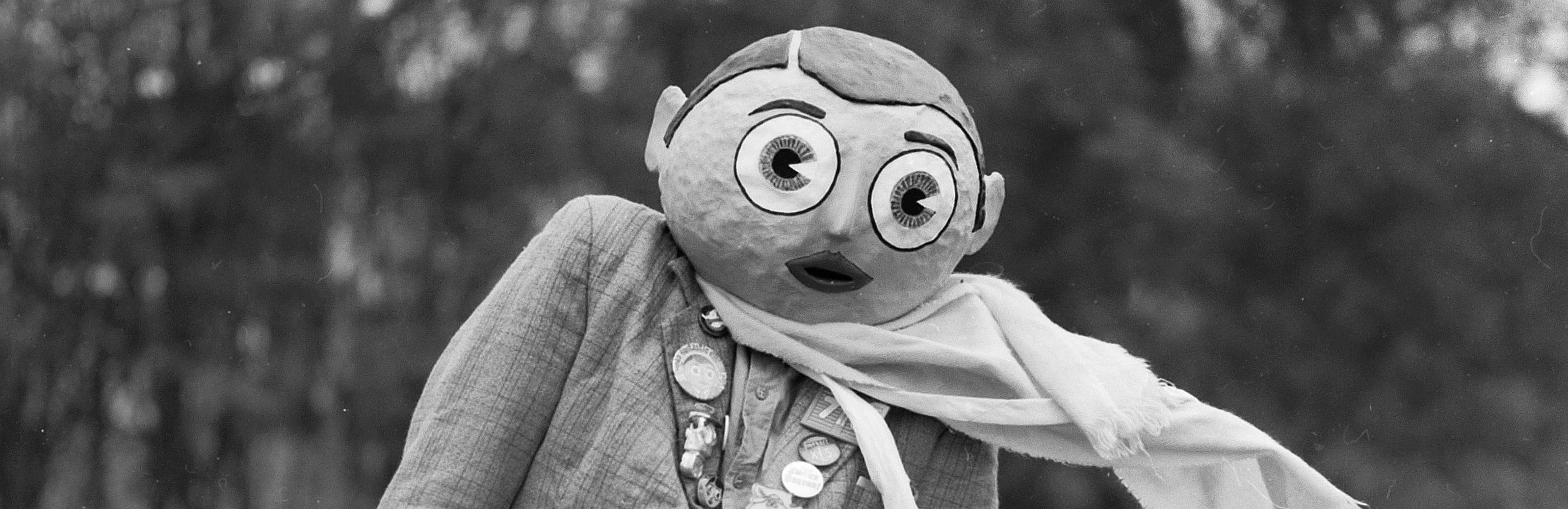
For many, love begins with a talent, and leads to another kind of brilliance—only to end in disaster. The finest artists are singular—they cannot be replicated. Perhaps the best kind of love is found in quiet admiration: a photograph, a frontline report, a song, a book, or a stage play.