2002
Venice Film Festival
國際影評人費比西獎、最佳新進演員、最佳導演銀獅獎

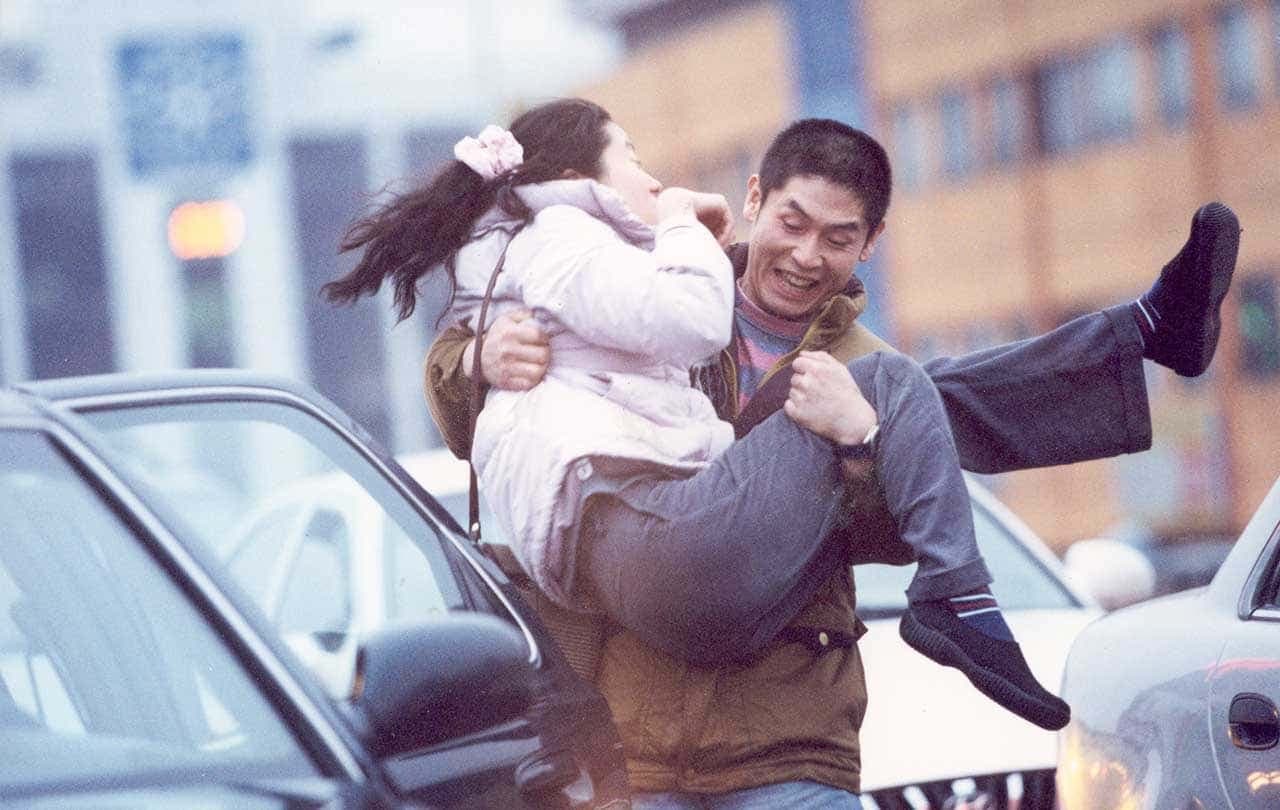
Directed by 李滄東
國際影評人費比西獎、最佳新進演員、最佳導演銀獅獎

如果一日,我們身陷人性沙漠——李滄東〈綠洲〉 《綠洲》是韓國導演李滄東的「綠色三部曲」之一,此部電影於2002年威尼斯影展,榮獲最佳導演銀獅獎,以及最佳新演員獎等四項大獎,從此奠定李滄東的國際地位。 電影開場,是飄忽閃現的光影,在一幅《綠洲》(oasis)畫上,如鏡面反射,幢幢重影…原來這是整部電影的隱喻,也是主角們精神上的「綠洲」。 劇情描述,一位前科犯洪宗道(薛耿求飾演)出獄後,前往慰問被害者家屬——重度的腦性麻痺患者女兒韓恭洙。雖然她面容扭曲、手腳抽搐。但忠都卻被她吸引,並在衝動下侵犯她。 但意外事件後,兩人萌生的情感,全然不在預料之中。然而社會看待他們的方式,卻了無寬恕,一步步逼迫之下,他們的愛情,如荒漠綠洲,珍貴卻也許即將滅跡。 李滄東早期作品的《青魚》、《薄荷糖》、《綠洲》被稱為「綠色三部曲」。後兩部在2021年復刻上映,完整呈現李滄東的觀看視野。 令人印象最深刻的,是電影最後一幕,在長鏡頭運鏡之下,公寓裡的恭洙,聽著宗道獄中傳來的問候,原本狹小昏黑的斗室,卻曬進一整片陽光,光暈營造了一個魔幻世界,與片頭遙遙呼應。他們倆正如飛翔的白鴿,有顛仆之後,找到彼此,安然在綠洲上斂翅,享受愛情。
自我朋友常常傳一些糟糕的ig短片給我之後,對於身心障礙者都有一些莫名的情感
2:10:33 by. 人生百味 實習生 豬小妹 看到中後段,3/4位實習生就開始啜泣了,綠洲把屬於底層人民的不被了解,和擔在他們身上的標籤、施壓等張力表現得非常壓抑,不需刻意製造緊張氛圍就能讓人跟著起伏、跟著憤慨。 電影結束後實習生們聚在一起被低氣壓籠罩,無家者OA大哥走過來用高亢的聲音說「這只是電影!!不要難過啦~」 「有些部分就是沒辦法改變它,只能盡量降低發生的頻率。社會就是這樣啊,就像在黑幫,老大就是最有權力,在社會裡有錢人就是比窮人更有權力。這部電影還有講到一個點,就是有罪名的人不一定是犯人。」 除此之外,也有大哥在電影結束的瞬間大喊:「這是社會不公義啦!!」「下次再播這種,我要買一手可樂來砸!」 無家者大哥們在現實中經歷過更多無可計數的無奈,面對戲劇作品,反而不會像我們把這樣的憤慨內化進自己的情緒裡,也許這也是他們保護個人狀態的機制吧。 但作為一個很容易被作品感染情緒的人,我還是想貼心叮嚀: 綠洲是一部集結寫實與浪漫的電影,但又不時會透出紀錄片般的氛圍,提醒觀眾這幅景象不只存在於創作中。但要小心...如果你也是容易對社會不公引起情緒的觀眾,需要帶著調適過的心理觀賞喔。
2:04:06 人生百味 實習生 豬小妹 看到這一幕,所有無家者大哥齊喊:「(樹砍下去了)圓滿了、圓滿了!!」 豬小妹os:不太會表達內心話的直男的浪漫(?),大概就長這樣子了⋯⋯既無法用言語對愛人說明,又無法向執法人員解釋,看似發瘋的行徑,背後的愛意和緣由就只有兩人能夠明白。 大眾的視角,經常是不願意花時間與心力多往下探求別人行為模式背後的機制的。是什麼樣的情緒導致了這個行為?又是什麼內心需求牽引出這樣的情緒?多數人都不願意理解。 大眾如此,在權力機制下握有某種信念的執法人員更是如此。當他們已經認定,多數人該有某種標準的行為樣貌時,超出常規者必須收到管束和懲處:你行徑背後的原因我不在乎,反正在我眼裡你是個充斥暴力的危險份子。
1:41:29 by. 人生百味 實習生 豬小妹 (又是)人生經驗「豐富」的無家者吳大哥看到這幕又發言了! 「女人說要一起睡⋯蝦米意思我毋災。年輕的時候,我們也是去舞廳跳一跳就去賓館,睡一個好了,隔天就再去吃早餐。」(請自動在腦海轉譯成台語!)
1:39:07 by.人生百味 實習生 豬小妹 人生經驗「豐富」的無家者吳大哥,在看到劇情有所翻轉後,開始對編劇有了更多臆測⋯⋯ 「到最後吼,這個女的其實是裝病來測試真愛也不一定,這劇情就會翻轉、翻轉、再翻轉。」
39:32 by.人生百味 實習生 豬小妹 一起觀影的成員包含:幾位百味工作夥伴、重修舊好店長們、四位實習生,以及五位無家者大哥。 郭大哥從看到這段戲後開始,便止不住重複一句話:「哇,變愛情動作片了。」 OA大哥則是試圖遮住實習生曼婷的眼睛,尷尬地說「未成年不要看!!」(在場的大家都成年了,別擔心⋯⋯) 平常和家人一起觀賞會感到尷尬的一幕,在重修舊好變成了歡快的場面⋯⋯真是意想不到。
0:01 by.人生百味 實習生 豬小妹 //人生百味是一個小團隊,成員來自設計、企管、網路工程、心理學、社會學、中文等各種領域(於是相當擅長互相吵架與支援)。 2014年開始,持續發起各項群眾計畫,從街頭出發,用各種創意行動,關注都市貧窮、無家者、街賣者與回收議題,並致力成為人們和議題間的「引路人」。 我們不改變人,而是改變街頭的風景,使街頭成為明亮友善的地方,人們願意注意與關心周遭的人事物,形成緊密的社會保護網。// 前言:挑選了這部和更生、權力體制相關的電影,在重修舊好和無家者大哥大姐一起窩著欣賞,其中一位大哥在開播前提到「惡龍張錫銘」,「……假釋好多次都沒通過,不知道是為什麼。」
<<綠洲>>本片一開頭就使用掛畫來為整部片做一個鋪陳,沙漠裡的綠洲有時只是被飢渴難耐的受難者想像出的美麗天堂。 男主角與女主角的生命歷練裡,最困難的遠不是身體上的障礙與心智上的不健全,而是面對最親近卻從失智者身上得利的家人,在我眼裡這些家人很像惡魔,在第一次女主角流淚時,就能預告接下來將她困住的會是她的親哥哥。 女主角的設定很有趣,雖然是腦麻患者,然而 她的意識很清楚,智商也是在可溝通範圍,這使得男女主角的愛情可貴,女主角的哥哥曾在男主角第一次質問說,為什麼不帶著他們的妹妹一起走時,男主角的哥哥說:「你什麼都不懂」,不,男主角反而是看得最清楚的那一個人,男主角不被生活的痛苦與現實社會的有色眼光給束縛,他真正的看到了女主角,他知道女主角關在 房間裡一定很無聊所以帶女主角出去走走,他知道他傷害了女主角所以選擇好好的道歉希望得著女主角的原諒,而女主角知道,知道洪宗郁是真正的對她好,因此也卸下心防。 然而男女主角是無力為自己發聲的人,他們的快樂是不被世人給認可的,也是世人難以想像與接觸到的綠洲,因此最後在本應該是非常幸福且象徵雙方在感情上走往下一個階段時,世人又再次打破他們的幸福,所有人帶起有色的鏡片,拆散了一對愛侶,然而可貴的是,兩個人的心靈是不被打擾的,仍然純淨,仍然嚮往著彼此,仍然不被打敗,堅不可摧。
Acclaimed Korean filmmaker Lee Chang-dong is often described as a “poet of cinema.” A novelist before becoming a director, he is known for his restrained yet penetrating gaze on lives pushed to the margins by harsh social realities. Oasis portrays a misunderstood relationship between an ex-convict and a woman with severe cerebral palsy, finding a fragile refuge in love amid an unforgiving world. Poetry follows an elderly woman taking a poetry class as her life begins to unravel, confronting the uneasy coexistence of beauty and cruelty. The documentary Lee Chang-dong: The Art of Irony looks back on his creative journey and body of work, exploring how literature, social realities, and human struggle have shaped his cinema. Revisit Lee Chang-dong’s classics on Giloo, and discover how his uncompromising honesty reveals the rawest textures of human life.
What makes a classic a classic is its ability to awaken a sense of longing for times past. Timeless and ever-enchanting, classics are meant to be savored, again and again.
I long to see the consciousness behind the work—where bold expression stands in contrast with vulnerability, and the extraordinary quietly harbors an everyday kind of ordinariness. Suddenly, that once-sacred figure takes on depth again. We’re given a chance to glimpse what they’ve left behind, their uncertainties—those very elements that make them human—slowly surfacing from behind the art.
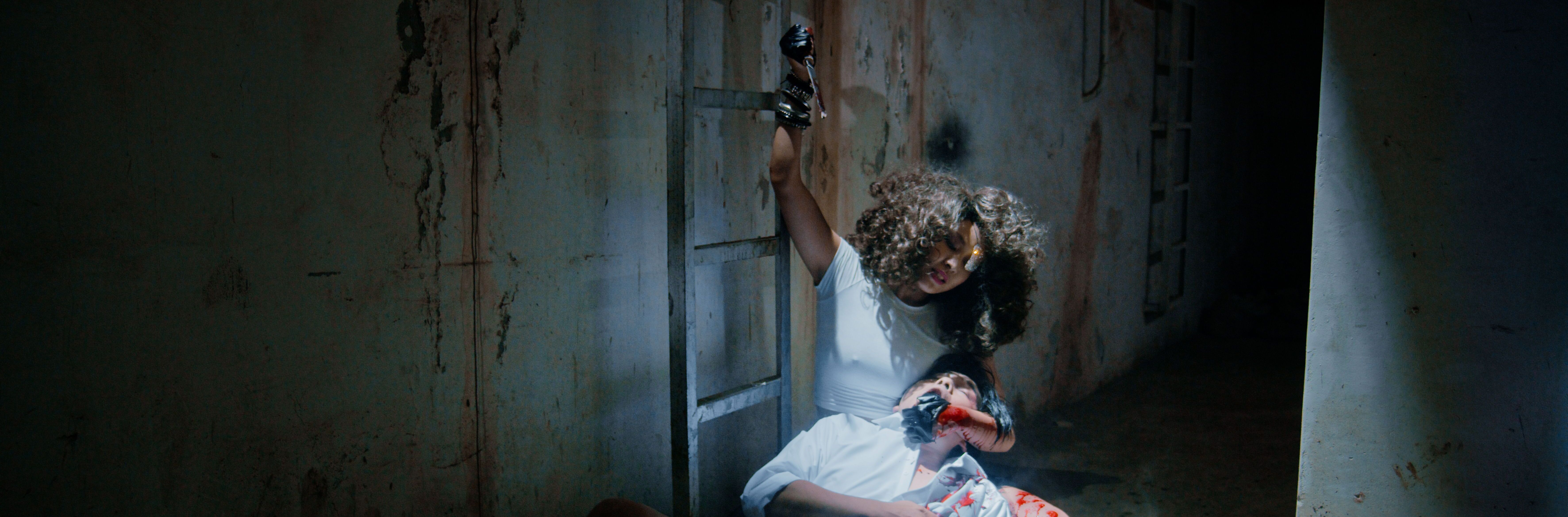
The body is a vessel—its contents, unspeakable. Encased and bordered, the body is never entirely one’s own. It is governed—by nations, by societies, by ideologies. A body may be incomplete from birth. It may only reveal itself in a fleeting moment. It may only feel whole when it sings. Its darkness becomes whole when it finally takes revenge. Five distinct films illuminate the tension between the body's inner desires and outer image. In Oasis, a woman with cerebral palsy dances and sings with an Indian elephant—if only in a dream. In Silent Steps, Ah-Chung tosses aside his crutch, holding up an entire theater with just his hands. In Miracle, a spirit medium’s quivering, closed-eyed body breaks into another dimension. In TPE-Tics, Huang Da-Wang owns his body only while singing onstage. In The Women’s Revenge, a woman in an eye patch strikes back inside a slaughterhouse, leaving male bodies in blood and shreds. Silent or twitching, imprisoned or forbidden—only when the body crosses a border does it become truly, differently embodied.
The erotic classic The Lover boldly pushes the boundaries of sensual cinema. Freaks blends horror and surrealism into a provocative spectacle of visual violence and beauty. In In the Realm of the Senses, an unforgettable depiction of suffocating, all-consuming desire secures its place in film history. In Oasis, two marginalized individuals find a love purer than anything the world around them can understand. And in Merry Christmas, Mr. Lawrence, Ryuichi Sakamoto and David Bowie share the screen—and a legendary, forbidden kiss. These films dare to confront desire, taboo, and tenderness—through shock, poetry, and unforgettable images.
“We are all in one fight, and our freedom is all the same freedom.” — Far From the Tree Poverty, disability, illness, gender, race, or non-normative forms of labor—at first glance, our lives and bodies may seem worlds apart. But such differences can make us forget what we share as human beings: love and desire, dignity and pain, vulnerability and the need to be seen. Let’s watch a film. No one is an island. Somewhere in the story, you’ll find the corner that connects to your own.
The exhibition takes “the human” as its central theme, reflecting on what it means to exist as a person in this world. It focuses on the intricate, interwoven relationships between self and self, self and others, and self and both physical and virtual environments. The exhibition title borrows from the existential concept of Dasein, or “being there,” to explore humanity’s presence in the here and now. Through this lens, the exhibition opens up multi-layered philosophical inquiries into the human condition and the nature of existence. In extending this curatorial theme, Jut Art Museum collaborates with Giloo, inviting participating artists to curate a selection of eight remarkable films that center on the question of being human. These works return to the essence of what it means to live as a person—interpreting, reflecting, and questioning the many dimensions of humanity, and inviting audiences to contemplate the meaning and possibilities of being born human.
This annual campaign, centered on amplifying the voices of those with lived experiences of poverty, is themed this year around “Home.” For some, home is a space of safety. For others, it’s wherever their loved ones are. For many, a fixed address is necessary just to access social welfare. Through a series of in-person events and curated online screenings, we aim to expand society’s understanding of “home” beyond conventional frameworks—to open a window to new imaginings of what home can be. This “window” represents not only a small yet vital need for many renters, but also a passage through which marginalized voices can reach the wider world. By opening this window, we invite society to embrace the realities of those on the margins—and in doing so, unlock new possibilities for how we all live today.
There are no absolutes in this world—not when it comes to life, nor to the environment. May we all be granted a beautiful pair of eyes—to see different truths, to reflect on different values. Like a kaleidoscope, the heart holds many shifting facets. And in that ever-changing view, we learn to see more fully.