2004
Cannes Film Festival
最佳男主角|金棕櫚獎提名

Directed by 是枝裕和
最佳男主角|金棕櫚獎提名

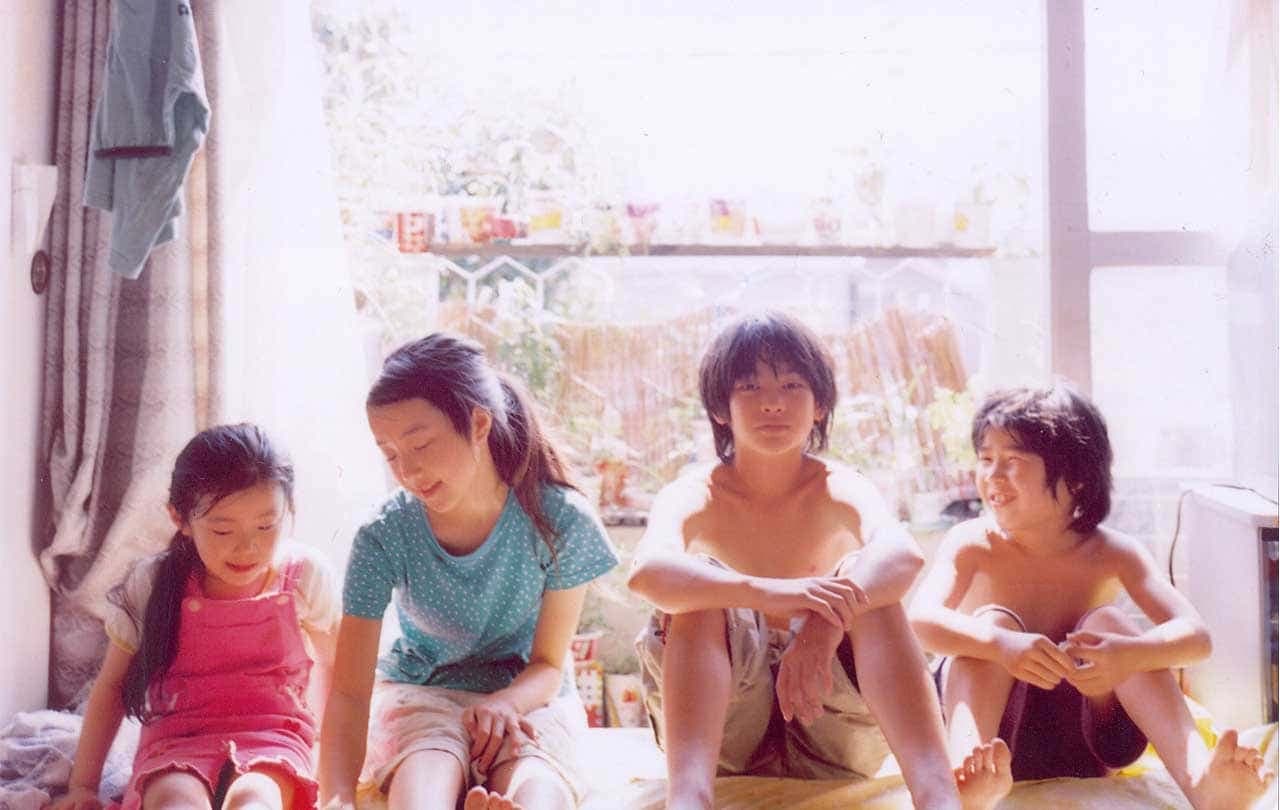
這是一部改編自1988年,轟動日本社會的東京西巢鴨兒童遺棄事件的電影,描述四個被母親拋下的孩子該如何自己生存的故事。這部電影帶給我很大的震撼,也在心中留下一絲哀傷的痕跡,每每想起觀影時的記憶,彷彿有一層淡藍色的憂鬱壟罩在心上。 鏡頭語言 大量的特寫鏡頭,表達出每個腳色人物的情緒變化。在電影中,四個孩子中又以大哥為主角,因為媽媽的離家出走,他只能獨自扛起這個快要支離破碎的家,而導演在拍攝大哥的情緒變化時,用了很多的特寫鏡頭,從最開始搬新家的期待,充滿盼望,眼裡有光,到後來慢慢黯淡的雙眸,越來越油頭垢面的形象,真的很能令觀眾為之動容,也能透過鏡頭的傳達,帶入腳色心境。 長鏡頭的使用,傳遞出緩慢的壓抑氣息。在大哥拒絕女中學生朋友的幫助後,轉頭往回家的方向跑去,超過半分鐘的長鏡頭使用,甚至過程中男孩還一度不在景框內,讓人在看電影時,不禁開始想著,究竟這段路程裡他在想甚麼呢?是不是對無法轉錢感到無力,還要依靠別人資助,又或是真正發現自己早已深陷泥濘,這個家已經不復存在了。長鏡頭的使用,讓男主奔跑時的周圍街景完全的呈現出來,霓虹燈閃爍,車水馬龍,但好像都跟他無關,他彷彿在奔跑的過程中慢慢被世界遺忘,又像是在被壓力追趕著,試圖用奔跑忘卻一切。 拍攝角度 平視鏡頭,更加生活化的呈現,也更像"小孩"。雖然平視鏡頭因為畫面平穩冷靜,主觀意味不濃厚所以常被用於紀實性、客觀性強的地方。但我覺得在《無人知曉的夏日清晨》中,平視鏡頭帶給我不一樣的體驗,大多數的鏡頭角度都在平視這群孩童,就好像觀眾站在他們的身邊,用最貼近的視角去觀看,觀看一場悲劇的發生;這樣的角度,也像是從主角群的是也向外望,透過那雙孩童的眼睛,去看這個世界。(或許這樣的理解還是可以扣回平視鏡頭的冷靜感?因為大哥跟長姊逐漸散去了童真與對生活的盼望,慢慢歸於平靜,冷漠的面對生活) 電影節奏 緩慢的節奏下,是數不盡的悲傷。整部電影的節奏是舒緩的,是偏慢的,但也正因如此,展現出更多細膩的情感與細節,此外,這樣的節奏,更是塑造出一種彷彿沒有盡頭的沉默,那是一種平淡,卻又能直擊人心的壓抑感,甚至可以說是一種窒息感。 電影的開頭是接近結尾時男主在公車上的畫面,車子的顛簸,配合慢節奏的拍攝,像是拉長了回家的路,也是放大了男主內心的煎熬,對妹妹過世的心痛,甚至到最後慢慢麻木......
柔和的色調、寧靜的敘事,訴說一個發生在充滿活力的夏天的殘忍的故事。父親缺席,母親失蹤,年幼的孩子用他們僅有的認知與有限的能力奮力求生存。搬家用的行李箱藏著不能被房東知道的祕密,也收容早夭卻沉重的生命。
1:15:45 優彌變成崩壞異男了!!!要當一個頂天立地的哥哥/男人實在太難了,那就跟狐群狗黨一起沉淪吧!!當然,他很想有朋友,這無可厚非。可是大女兒連家都不能踏出一步,為什麼女兒就應該隱忍呢?我總會想,如果今天是女兒排行老大,她有可能這樣任性嗎?我的優彌應該會變成姐寶,一樣帶狗黨回家打電動吧。哇你雖帥卻廢嗚嗚。
1:08:48 最同情大女兒。以前家中光景應該有好過一陣子,讓她可以上鋼琴課,但後來被迫放棄鋼琴課,只能在家獨奏玩具小鋼琴,就連存錢也想著要買一台真正的鋼琴。她也是最早捅穿媽媽不會回來的人。大女兒總是被迫聰慧,其實明白一切但又被迫乖巧,被迫犧牲,比方想求學而不得。雖然優彌哥哥也是這樣,但哥哥至少有外出的自由,忙於張羅給弟弟妹妹們的生活和善意謊言,顯然比較少觸及到心裡被媽媽遺棄的本質性寂寞。
49:16 我的天哪這種不負責任的父母太恐怖了,但YOU(ゆう)又好適合演這種到老了還一直懷著公主心的老少女(不是在講朱天心!)........ 人的恐怖其實比鬼更毛骨悚然,但很難演繹出來。尤其很難用寫實手法演繹出來,不幸你問鍾孟宏。 柳樂優彌好帥,真羨慕小帥哥,可以從小帥到老,可惡。
by. 社區實踐 兒少社工 皮皮 隱身在都市裡的租屋處,就是幾個孩子的全世界,無人知曉。貧窮經驗者的生命歷程,也經常是無人知曉的。 他眼裡看見的自己、我們外人眼中的他,或許很不一樣。常人眼中缺少的,並不一定是他自覺生命裡的缺少,有時是被他人傾聽後點出來,才知道自己經歷了什麼;但又有時候,是當事者的訴說,才讓外人更踏入並理解不同於自己原本思考軌跡的世界。 劇中許多太過日常卻令人心痛的片刻,忍不住在心裡吶喊,誰來幫幫他們或告訴他們啊,誰都好,快點發現吧!但停下時,又忍不住想到,或許沒戳破,只是默默的幫助他們生活下去,在他們的世界裡,幸福很簡單,吃飽穿暖也就足矣。 啊,所以才要去看《貧窮人的台北》的展覽啊!進入他人生命的一小部分,感受、傾聽、理解,先這樣就夠了。
by.社區實踐 兒少社工 皮皮 在觀看的過程中,忍不住覺得「這個媽媽到底在幹嘛,怎麼沒把小孩照顧好,太不負責任了吧?」 這也是在工作時,會聽見陪伴的媽媽們被他人批評的話語。 而劇中的媽媽同時也說出令人不捨的話語:「我就不能獲得幸福嗎?」微微的道出了自己的期盼與追求,也說著孩子的爸爸一走了之的自私,但對於這部分沒有過多的描寫,我們都無從得知他們彼此遇到了什麼事。 事件的發生,往往我們都只看得到一些片段,或許每個人都在自己的生命軌跡裡嘗試努力過。
by. 社區實踐 兒少社工 皮皮 一聽到這個電影名字「無人知曉的夏日清晨」,覺得好似文青電影的標題,輕輕柔柔的,有些浪漫。 電影從一個家困苦卻幸福的模樣開始,慢慢的越來越往下。用許多日常的片刻,堆疊、對比出深刻的無奈與辛苦,例如男主角明在上學的時間裡,穿著破舊的便服與身穿制服的孩子擦肩而過;又例如年紀最小看似不懂事的妹妹,也知道喜歡的東西要慢慢吃,一盒小小的巧克力吃了大半年。每一個微小的片刻,都令人感到心痛。 觀賞時,不時覺得太過沉悶痛苦,忍不住想按下快轉,卻也想著人們過著辛苦的日子時,哪能夠按下快轉鍵? 看完電影後,電影名字同樣的幾個字變得沈甸甸,重的讓人感到難以呼吸。無人知曉的時刻,多少令人不捨的事情在身邊發生著呢?
by.社區實踐 社區社工 李柏祥 對社工來說看這樣的電影實在太委屈了,真實事件改編的背景使電影又更加苦澀。心裡總會想著眼前的家庭可以怎麼處遇,應該連結什麼資源?身邊的人怎麼沒有多點意識?這應該是很多個月沒繳房租吧,房東怎麼會沒發現呢? 很想在孩子陷入危機前踩剎車,這樣的心情也常發生在社會發生重大憾事時。但有更多細節值得探究:在電影過去的年代,貧窮在什麼氛圍下選擇隱瞞與消逝;除了被視為卸責母親的視角,逃避與追尋如何在母親的人生劇本中被書寫;貧困的生活是配樂的輕快,還是他人眼中的沉悶。 最後,喜歡電影在生活的輕快下,充分的展演著孩子的需要,除了生理需求,還有陪伴、社交和展現自己等,因為需要而犯了錯誤,都是相當真實的。 - 【關於 社區實踐】 位於萬華社區的社工團隊,十多年前以兒少據點出發,陪伴社區裡家庭狀況脆弱、高風險的孩子,後來關懷延伸至家長、社區,成為了社區家庭的可喘口氣、整理自己的空間。
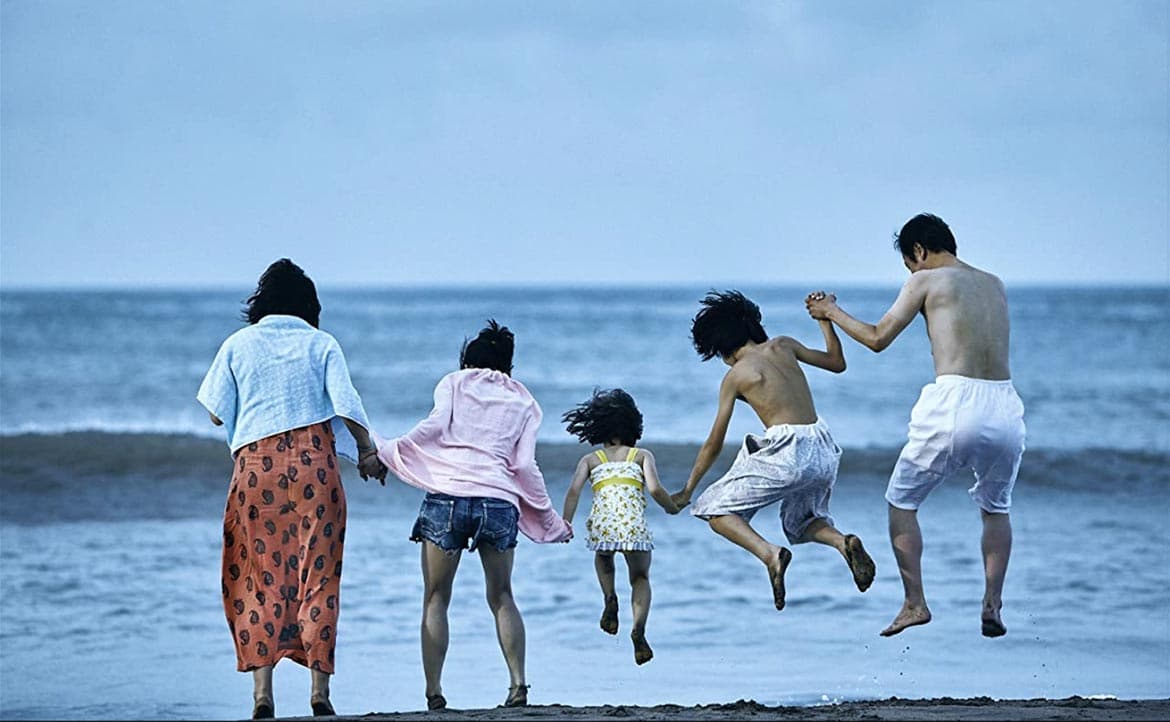
自己選擇的羈絆,會重於先天的血濃於水嗎?構成家庭的不總是血緣,有時是相處的時光,加上愛、回憶、失去、原諒,才能串起緣分。Giloo著眼八部「非典型家庭」電影,帶領觀眾一窺異色家族,探索無人知曉的家族幸福論,或者說,幸福悖論。
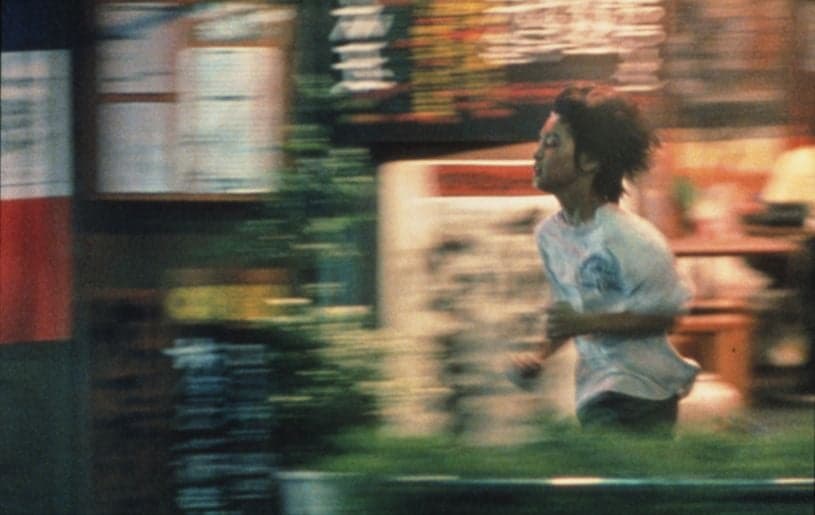
《無人知曉的夏日清晨》開場的第一顆鏡頭,即耐人尋味。是枝裕和將攝影機與被攝者的距離拉開,畫面構圖則讓人物接近景框邊緣,幾近於壓迫的位置。此鏡位的意義,在於將觀眾強行排除,是枝裕和在此行使有效的導演權力,讓觀眾無可選擇地棲身於「窺視」的位置,便捏塑出觀眾與角色之間冷冽、遙遠的疏離感,更藉此強調角色的迷樣性,給予觀眾偷窺的慾望,加深探索角色深層內心的動力。
Family isn’t always unconditional love. Sometimes, it’s the very beginning of a lifelong entanglement—or even hatred. A cult leader yearning for motherhood. A New York boy locked away by a controlling father. A mother who never grew up, and a child abandoned by the world... There’s no fixed definition of an “ideal family,” but broken families come in countless forms. Giloo presents 5 films about fractured households—and asks: If there’s a monster in your home that you can’t escape, can you still call it a safe haven?
.jpg&w=3840&q=75)
In pursuit of happiness, we sometimes end up unhappy. Youth is always dazzling—and cruel. Family ties are always volatile—and tender. Yet it’s often only in the aftermath of youth that we begin to understand: happiness cannot be frozen in time. This sticky, sun-drenched summer, Giloo presents 11 masterworks on family and fleeting joy—beginning with Shunji Iwai’s All About Lily Chou-Chou and closing with Edward Yang’s Yi Yi. From Ang Lee’s Father Knows Best trilogy to Tsai Ming-liang’s Water Trilogy, with appearances by Hou Hsiao-hsien and Hirokazu Kore-eda along the way, each film explores the paradox of happiness, or perhaps the quiet truth that happiness—like memory—can never be held still.
Austrian psychologist Alfred Adler once said: “Lucky are those who heal their whole lives with childhood; the unlucky spend a lifetime healing from it.” Family isn’t always a source of happiness. For some, the deepest wounds were left at the very beginning of life—long before they had the words to name them. Giloo presents a selection of 8 films on childhood trauma, dedicated to those who may not have received the love they deserved. May these stories accompany you as you face the past, and gently begin the journey toward healing.
This annual campaign, centered on amplifying the voices of those with lived experiences of poverty, is themed this year around “Home.” For some, home is a space of safety. For others, it’s wherever their loved ones are. For many, a fixed address is necessary just to access social welfare. Through a series of in-person events and curated online screenings, we aim to expand society’s understanding of “home” beyond conventional frameworks—to open a window to new imaginings of what home can be. This “window” represents not only a small yet vital need for many renters, but also a passage through which marginalized voices can reach the wider world. By opening this window, we invite society to embrace the realities of those on the margins—and in doing so, unlock new possibilities for how we all live today.
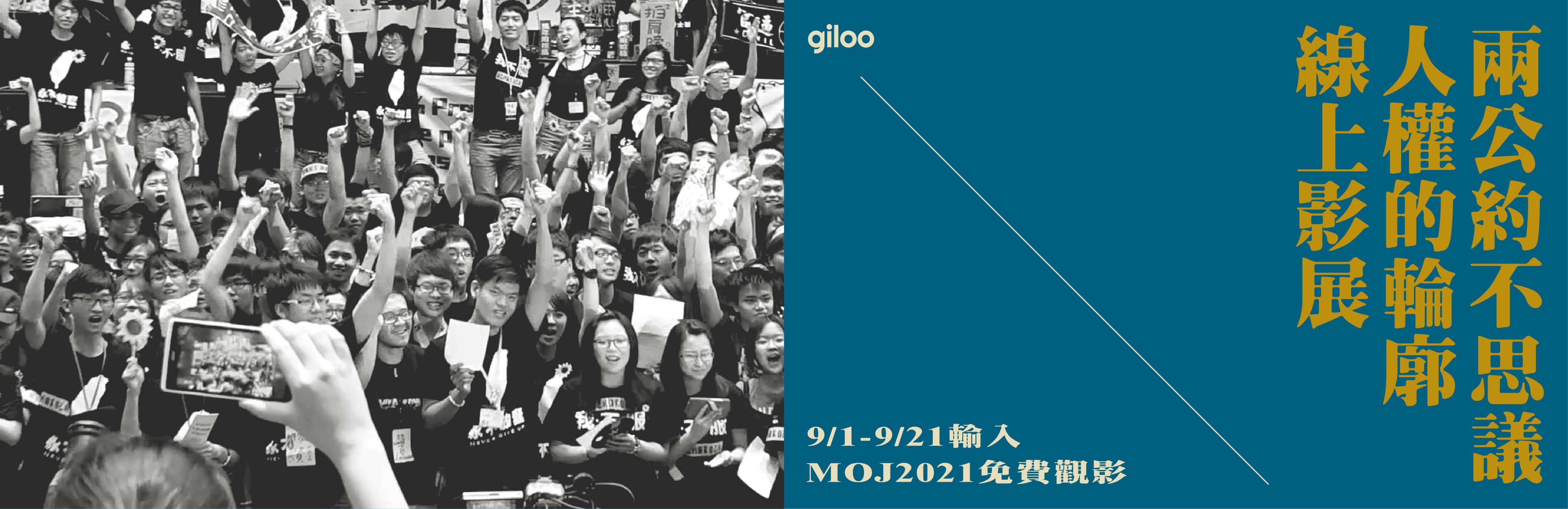
The "Two Covenants" refer to the International Covenant on Civil and Political Rights (ICCPR) and the International Covenant on Economic, Social and Cultural Rights (ICESCR), which have been in effect in Taiwan for over a decade. At their core, both covenants aim to protect human rights. But what exactly are human rights? And what rights do these two covenants cover? The answers are far too complex for a quick explanation—so why not start with a film? The right to life, children's rights, environmental rights, freedom of assembly, rights of the elderly… The scope of the Two Covenants is as diverse as this film program itself. By watching any of the featured films and filling out a short questionnaire afterward, you’ll gain a deeper understanding of the human rights principles within the covenants—and you’ll also have a chance to enter our prize draw! Let’s begin this journey together— and explore the many dimensions of what human rights truly look like.
I gave you my youth in exchange for the fresh hope of a new year— Whether it belongs to the past, or to the future still unknown, there are things the wind has left behind: no trace on the surface, yet etched deep within. If we call that youth, it feels just right. To run, to cry out—for the sake of youth. To leave something behind through music and film, to take something in return. And in the process, to become—without regret—someone better.