1993
Berlin International Film Festival
金熊獎

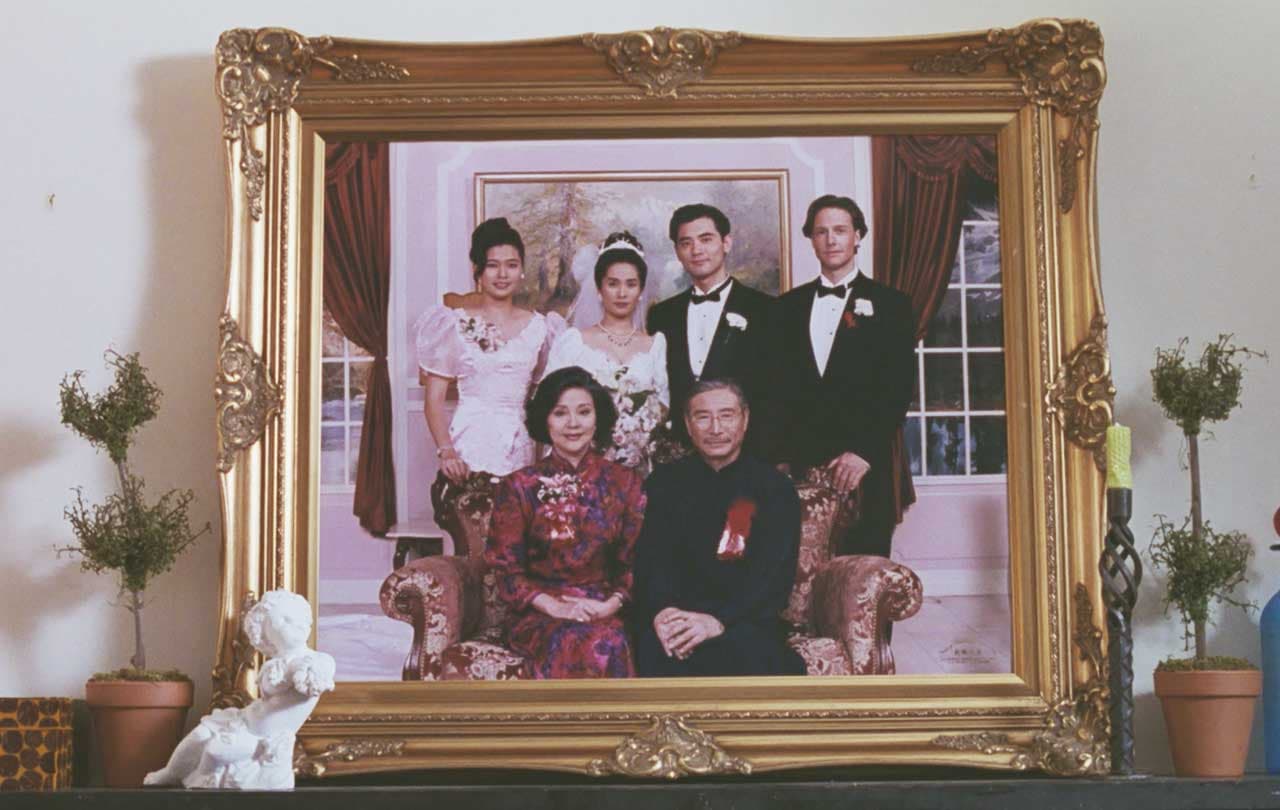
Directed by 李安

1:35:02 「中國人講厚道,就是裝糊塗,各取所需,當然沒法完全拿到他要的東西,是各退一步。」儘管許多觀眾觀影都提及《囍宴》的結局,或者評論其「悄悄粉碎了/瓦解了傳統文化」,但李安在自述中表示《囍宴》不算是一個圓滿結局,只是所有角色妥協「求全」的結果。所以高父說出這句經典台詞:「I watch. I hear. I learn.」其實也不是完全認同偉同和賽門之間的關係,指是為了家族得做這種折衝的裝聾賣傻。不過此處至今看來還是動人,七十九年的得獎原著劇本上並沒有這一段,但這樣修改似乎更凸顯了華人家庭裡對某些不容於傳統價值的睜一隻眼閉一隻眼、得過且過的狀況。
1:21:55 在處理華人家庭裡的同性戀題材中,高母的形象是很常見的典型:知道實情卻又難以接受、極力掩飾一切、試圖維繫家族成員情感和和諧,但卻是唯一深信傳統價值又被綁縛最緊的角色。《囍宴》電影結局對每個角色都給出了相對應的答案,但高母卻彷彿是唯一一個沒有被安撫的角色,所以一邊哭一邊言不由衷地說自己高興。多年後歸亞蕾再度演出角色設定近似的《滿月酒》,對此片不多做評價,不過可以比較一下這兩部片的母親在面對同一個狀況時的差異。
1:00:41 《囍宴》是李安唯一在自己作品裡露臉的電影,這句「那是中國人五千年的性壓抑」在得獎劇本文字裡沒有這一段。據張靚蓓編著的《十年一覺電影夢》提及李安這一句台詞是「憋在心裡很久,不吐不快」的一句,「之後我也不想再露面了,因為拍攝時,我發覺會很分神。」不過,「壓抑」這個主題在李安的作品裡似乎常常出現,《飲食男女》、《斷背山》、《臥虎藏龍》、《色.戒》都處理了這層。 另外在一分鐘後會看見馮光遠說:「高偉同?對不起,這不是陳府喜事啊?」
29:42 原著劇本裡高父所寫的字是王維的詩作,但到了電影裡變成了白居易的詩作,這首〈九江春望〉原文是:淼茫積水非吾土,飄泊浮萍自我身。身外信緣為活計,眼前隨事覓交親。鑪煙豈異終南色,湓草寧殊渭北春。此地何妨便終老,譬如元是九江人。 詩作所傳達的飄泊失根的情感,與高父前一幕在屋外露台自白身世的情感相近。高父自己是和父親賭氣逃家,結果「老家全完了」,只能自己在海外生根立足。這也呼應了《囍宴》這部電影所呈現的文化斷裂感、舊秩序的崩解;主角偉同自己也無意間複製了高父自家鄉出走的生命經驗。
《囍宴》和《推手》同為「行政院新聞局七十九年優良電影劇本」的得獎作品,《囍宴》是和馮光遠合著,《推手》則是後來李安自行完成的。後來先拍了第一名作品《推手》,囍宴本來因為同性戀議題而被延遲,後來《推手》的成功,讓《囍宴》也乘風借力進行拍攝計畫。 不過《囍宴》的劇本在拍攝前有過修改,不妨比較一下原著劇本與電影的差距。刪改的部分是對同性戀的資料和觀點的修正、開頭與結局的安排,而大部分保留的是李安自身經驗寫就的場景,如公證結婚、婚禮鬧酒、父親訓話,尤其是父親運動回來坐在沙發上打盹,兒子用手確認鼻息的一幕也出於李安自身經歷,但這個經歷李安自述是「父親這棵家裡的大樹就這樣老了」;但擺到《囍宴》電影中,對觀眾而言彷彿透露了「偉同對父親的死亡有極為矛盾的心情」,假如父親一死,偉同彷彿就能從「中國五千年來的性壓抑」解放,假如父親還活著,偉同心裡的大樹還健在,但也只能活在陰影裡。
李安導演父親三部曲首部《囍宴》挑起亞洲社會儒家思想包括父權體制觀念,一位台灣男同志在紐約擔任房仲與男友同居多年,誰知在台灣的父母飛越紐約強行逼婚,兩人解決方式就是和室友畫家顧威威假結婚。一場鬧劇囍宴之下偉同與威威假戲真做有了孩子,在片中婚宴後那段床戲記得威威在床上和偉同說「我要你解放」!這句話說得真好,我們要解放什麼?必須要放下什麼。每個人都在做自己做到任何面面俱到卻成了虛偽,我想李安想要說或許是真切的去感受真實模樣,接納那個欠缺自己,沒有人是完美的。
目擊者 李淳:李淳是導演李安二兒子真的非常帥,《囍宴》是李淳處女之作,畢業紐約大學戲劇學系。之後參與多部好萊塢與台灣電影和戲劇、音樂錄影帶演出。記得看《紅衣小女孩》導演程偉豪執導驚悚作品《目擊者》,看到後面大傻眼!最重要關鍵角色是李淳飾演(不能劇透自己去看),演技張力十足不拖泥帶水緊湊超狠,這部片跟演技個人覺得足以讓他拿下金馬男配角獎,果然同年入圍金馬男配角。
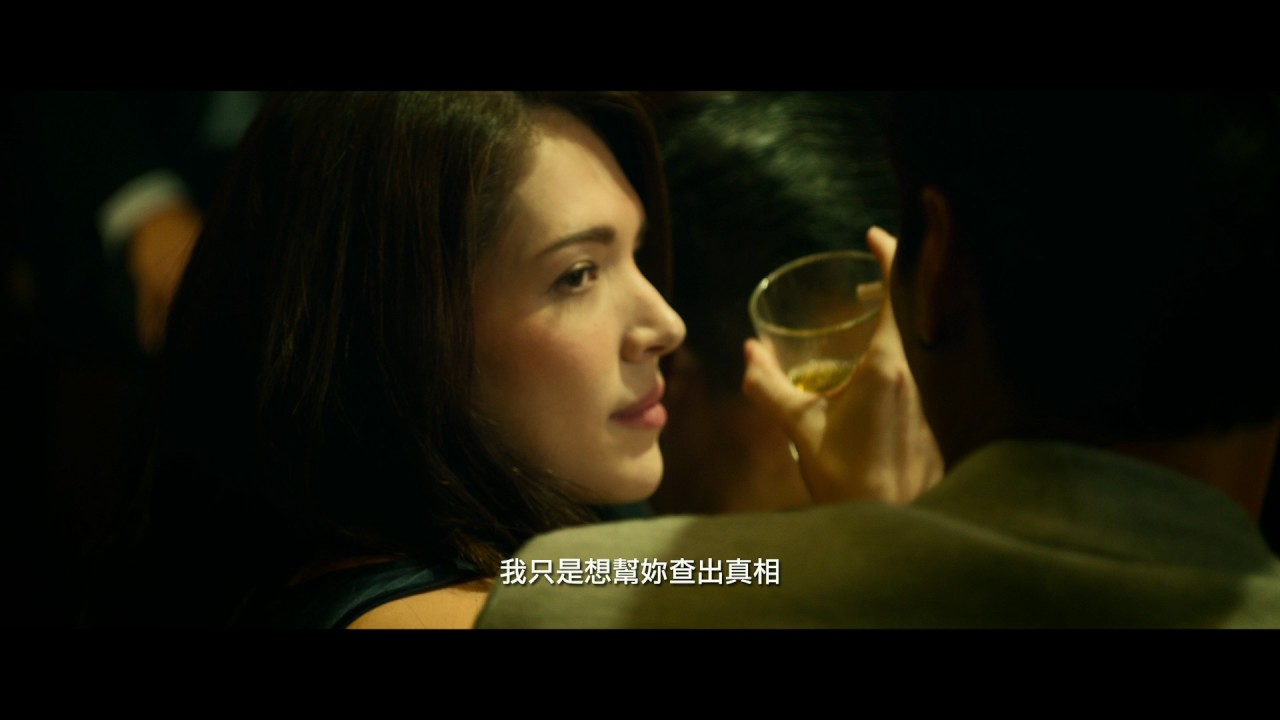 ::《目擊者》正式預告:: 2017.3.31 水落石出
四次孫中山:趙文瑄原是華航空少在偶然巧合之下看到李安應徵、需要會講中、英文的男演員而去面試,一腳踏入演藝圈連演出《囍宴》、《飲食男女》之作。更演出改編自張愛玲作品《紅玫瑰白玫瑰》,由關錦鵬執導與陳沖、葉玉卿合演。趙文瑄因五官俊美,越發輕熟年紀時常接演歷史相關人物,在他的演藝生涯中有演出四次孫中山角色。
情勒女王瓊瑤:高金素梅早年藝名為金素梅,以歌手身份出道而後參與戲劇電影演出,千禧年後轉戰政壇成了立委。記憶中家母最愛看的就是情勒女王瓊瑤的連續劇,每次哭到一把鼻涕一把眼淚,看到《雪珂》劉雪華也哭看《六個夢》高金素梅也哭,《囍宴》是高金素梅最具知名度電影作品,高金素梅至今擔任立法委員替人民服務。
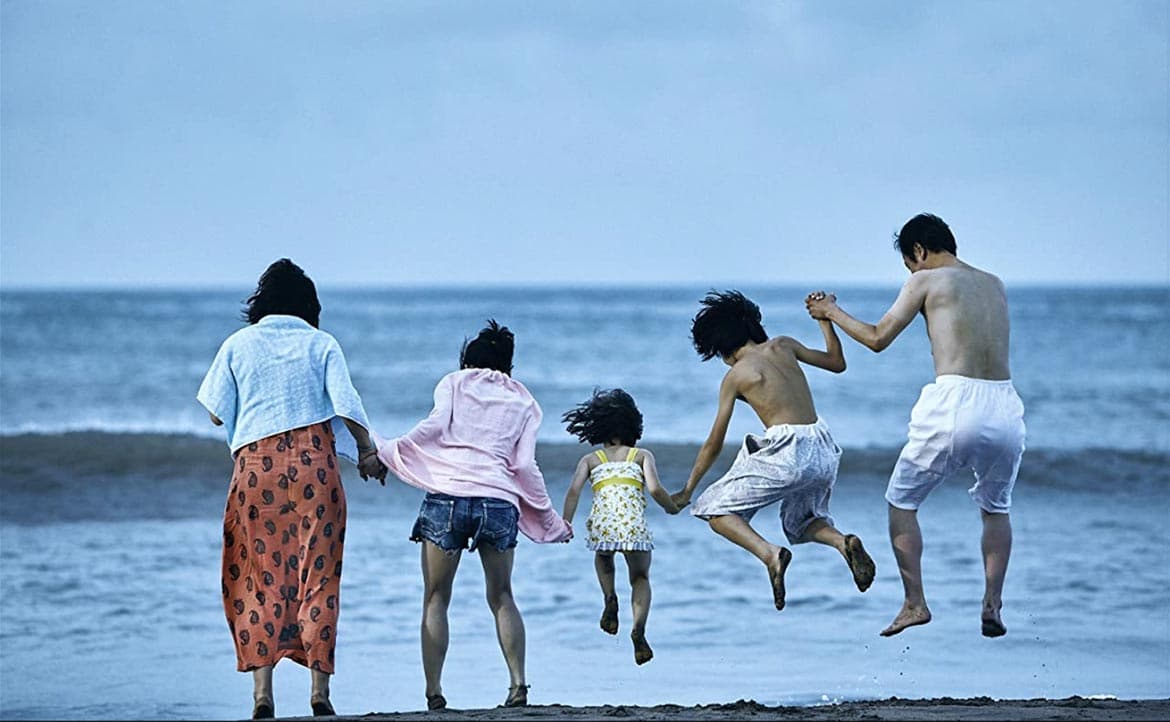
自己選擇的羈絆,會重於先天的血濃於水嗎?構成家庭的不總是血緣,有時是相處的時光,加上愛、回憶、失去、原諒,才能串起緣分。Giloo著眼八部「非典型家庭」電影,帶領觀眾一窺異色家族,探索無人知曉的家族幸福論,或者說,幸福悖論。
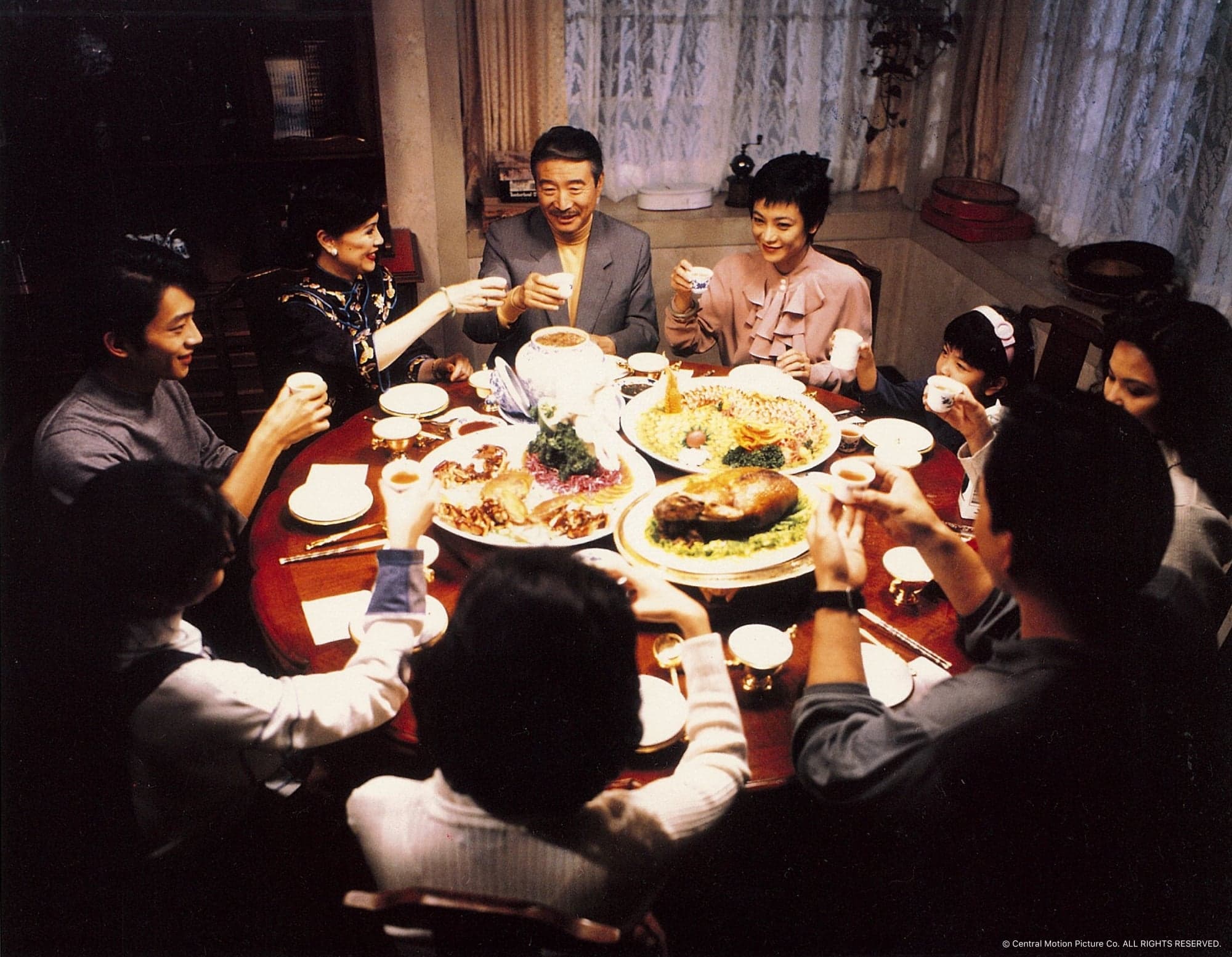
曾經認定《飲食男女》是「父親三部曲」中最容易入口但比較不深入的作品,雖有令人食指大動的中華美食奇觀,就情感面而論卻不似《推手》深沈感人,就內容面來看則未若《囍宴》討論同志傳宗接代議題而具有時代開創性。沒想到二十多年後重看「父親三部曲」,對於《飲食男女》的感覺,竟比前兩部曲更加澎湃洶湧。
For many, half of their family stories unfold at the dining table. Take Eat Drink Man Woman, where family storms brew and erupt between courses, or The Wedding Banquet, whose banquet scene captures what it means to live under “five thousand years of sexual repression.” The other half of those stories often lies beneath the table—hidden in secrets and silence. Like the cryptic relatives in The Walchensee Forever, or the adults in Yi Yi, each burdened with their own quiet thoughts. This Lunar New Year, after the family feast, gather once more—for a film. Let your family story play out on screen.
On August 28, 1982, Time Story premiered, marking the beginning of the Taiwan New Cinema Movement. In the summer of 2022, HIDE & SEEK AUDIOVISUAL ART released The Time Ahead: A Memo to 40 Years of Taiwan New Cinema, revisiting this pivotal era through 20 key concepts. In the fall, the Taiwan Film and Audiovisual Institute will present a special retrospective titled When New Cinema Begins Again: 40 Years of Taiwan New Cinema, uncovering many long-overlooked gems hidden in the corners of film history. Between summer and fall, TFAI and HIDE & SEEK AUDIOVISUAL ART join forces to present 16 titles—films both representative of Taiwan New Cinema and those reflecting on the movement itself—inviting audiences to engage with its legacy and imagine the decades of cinema still to come.
.jpg&w=3840&q=75)
The masters of cinema have walked through the river of light and shadow, leaving behind traces that time cannot erase. Their reflections on film are already sealed within every frame they captured. Giloo presents a selection of restored classics from Taiwan—films that carry not only cinematic legacy, but also fragments of memory, identity, and land. Whether these works are part of your earliest film awakenings or a first encounter, they invite you to rediscover your connection to both self and home. Step aboard the reel, and journey back to the golden years—belonging to both Taiwan, and to cinema itself.
.jpg&w=3840&q=75)
In pursuit of happiness, we sometimes end up unhappy. Youth is always dazzling—and cruel. Family ties are always volatile—and tender. Yet it’s often only in the aftermath of youth that we begin to understand: happiness cannot be frozen in time. This sticky, sun-drenched summer, Giloo presents 11 masterworks on family and fleeting joy—beginning with Shunji Iwai’s All About Lily Chou-Chou and closing with Edward Yang’s Yi Yi. From Ang Lee’s Father Knows Best trilogy to Tsai Ming-liang’s Water Trilogy, with appearances by Hou Hsiao-hsien and Hirokazu Kore-eda along the way, each film explores the paradox of happiness, or perhaps the quiet truth that happiness—like memory—can never be held still.
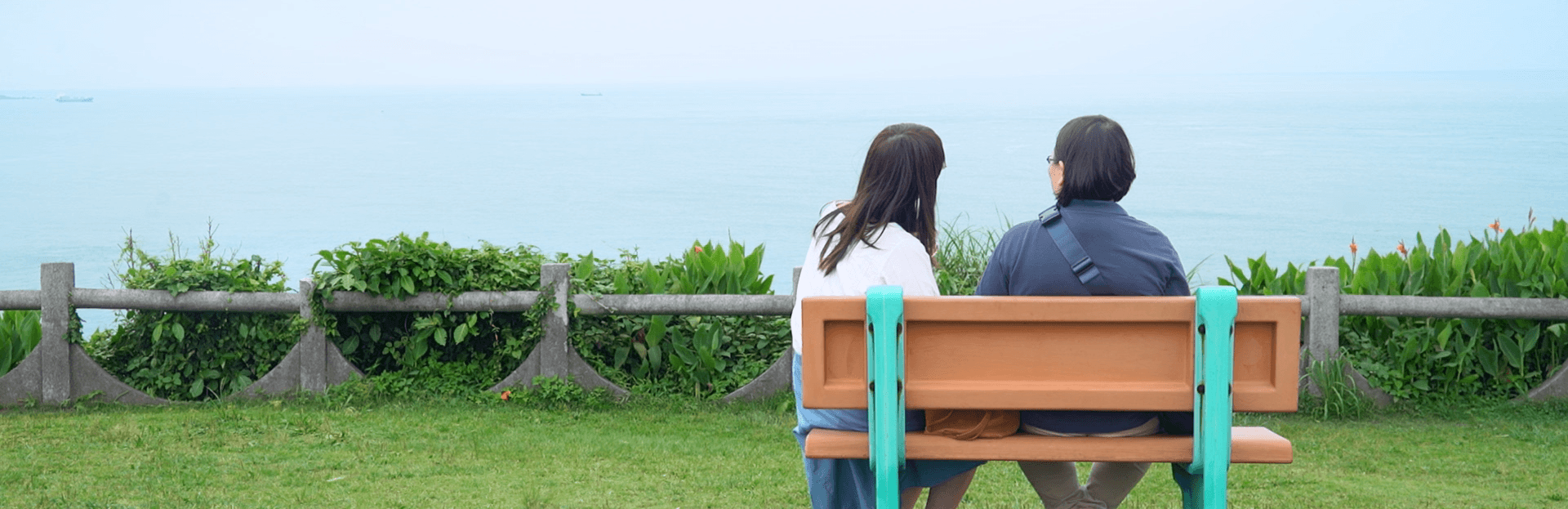
In 2021, two years after the legalization of same-sex marriage in Taiwan, nearly 6,000 same-sex couples have tied the knot. That same year, Japan saw a historic breakthrough when the Sapporo District Court ruled that banning same-sex marriage was unconstitutional—the first such ruling in the country’s history. Today’s East Asia may appear to be making epoch-defining progress, but every step forward has been paved by those who came before—people who have lived boldly and brilliantly through eras of repression, exclusion, and shame. It is through their relentless struggle that society has opened up, however slightly. From The Wedding Banquet (1993) to Until Rainbow Dawn (2019), what has Taiwan and Japan gone through over the past 26 years in terms of gender and societal shifts? And as children of these histories, how much of ourselves do we see reflected on screen?